
Cities across Malaysia are getting hotter. Between rising urban temperatures and shrinking green spaces, property owners are looking up, literally, for solutions. What is a green roof, and why are architects, developers, and homeowners increasingly choosing to cover their buildings with living vegetation?
A green roof transforms an ordinary rooftop into a thriving planted ecosystem. These systems layer growing medium, drainage materials, and carefully selected plants over a waterproof membrane. The result is buildings that stay cooler, manage stormwater naturally, and contribute genuine environmental value to dense urban areas.
At Konzept Garden, we've seen growing interest in green roofs as part of comprehensive landscape design projects throughout Malaysia. As award-winning landscape specialists, we understand how vegetated roofing integrates with broader outdoor living concepts, connecting rooftop gardens to ground-level landscapes that function as cohesive, sustainable systems.
This guide explains everything you need to know about green roofs: how they're constructed, the different types available, their documented benefits, and the practical factors to consider before installation. Whether you're a homeowner exploring sustainable design options or a developer planning a commercial project, you'll find clear, actionable information here to help you decide if a green roof makes sense for your property.
Why green roofs matter for buildings and cities
Urban centers across Malaysia face mounting environmental pressures that traditional building methods can't address. When you replace vegetation with concrete and asphalt, you create surfaces that absorb and radiate heat, reject rainwater, and offer zero ecological value. These problems compound as cities grow denser, affecting everything from energy consumption to flash flooding.
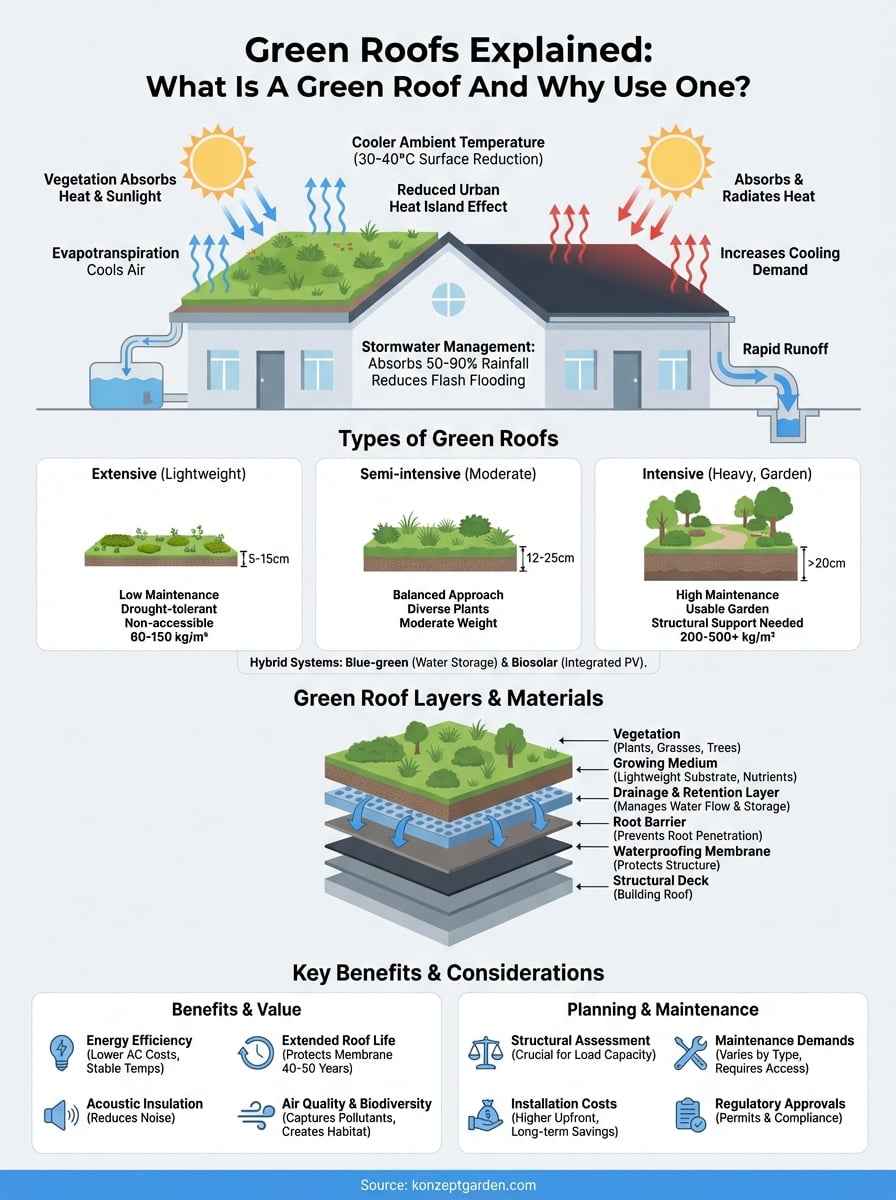
Green roofs reverse this pattern by restoring natural processes directly on your building. Instead of radiating stored heat back into the urban environment, a vegetated roof absorbs sunlight, releases moisture through plant transpiration, and creates microclimates that lower ambient temperatures. Understanding what is a green roof means recognizing how these systems function as active environmental infrastructure, not passive decoration.
Your building becomes part of the solution rather than part of the problem. The vegetation layer intercepts rainfall, filters pollutants from the air, and provides habitat space where concrete once dominated. Malaysian cities particularly benefit from these functions because tropical rainfall patterns create intense stormwater loads, while year-round heat makes cooling strategies essential for both comfort and energy efficiency.
Green roofs transform buildings from passive structures into active contributors to urban ecosystem health.
The urban heat island effect and temperature reduction
Cities can run 5 to 7 degrees Celsius hotter than surrounding rural areas because dark roofing materials and pavement absorb solar radiation throughout the day. At night, these surfaces release stored heat, preventing temperatures from dropping naturally. Your conventionally roofed building contributes to this cycle, increasing cooling demands for every property in the vicinity.
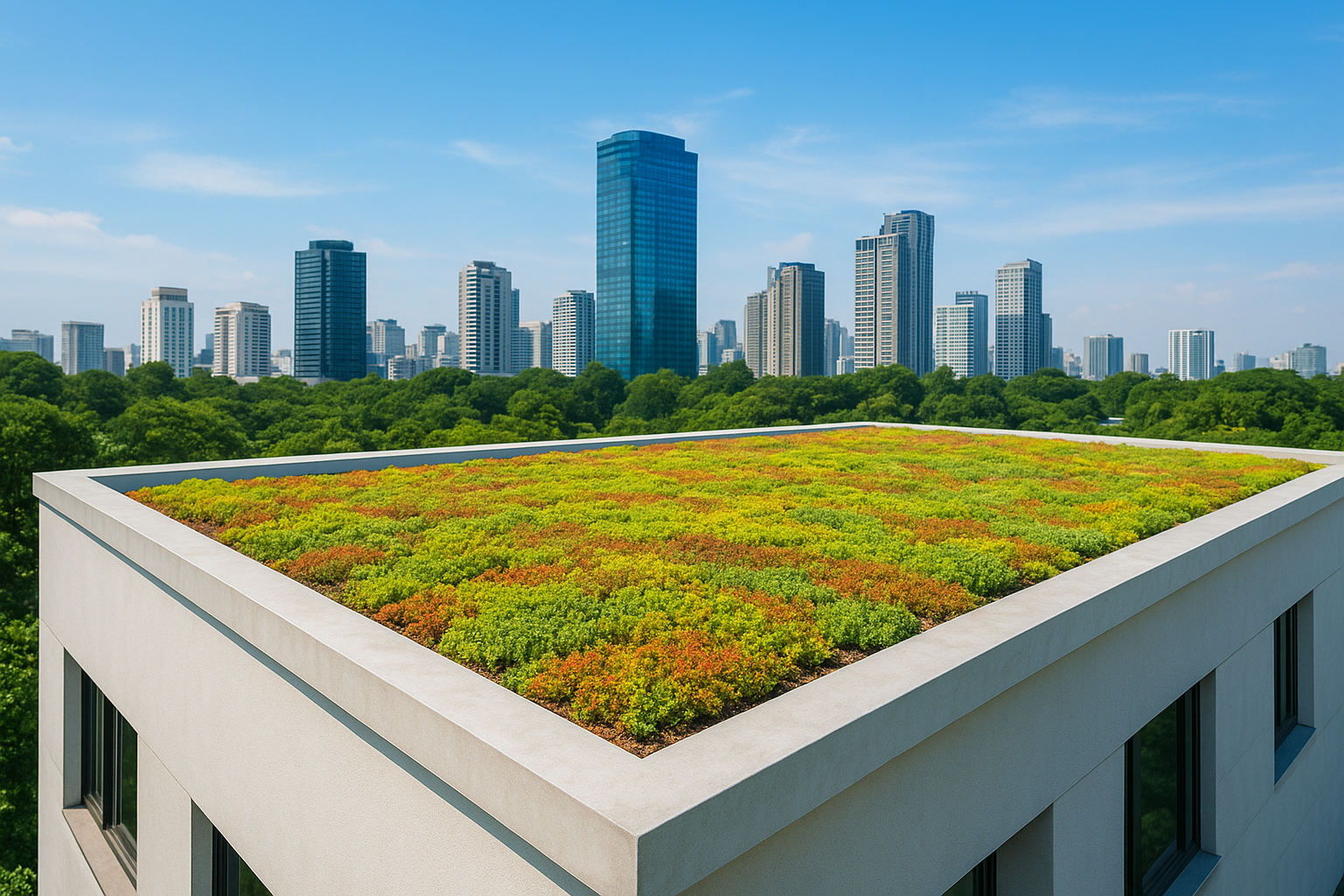
A green roof breaks this pattern by shading the membrane beneath, so less heat penetrates into your building. Plants also release water vapor through evapotranspiration, which cools the air around them much like perspiration cools your skin. Research shows vegetated roofs can be 30 to 40 degrees Celsius cooler than conventional dark roofs during peak afternoon hours.
This cooling effect extends beyond your property line. When you install a green roof, you reduce the heat load your building adds to the neighborhood. Multiple green roofs across a district create measurable temperature reductions at the urban scale, making entire areas more livable during Malaysia's hottest months.
Stormwater management in dense areas
Traditional roofs shed 100% of rainfall into drainage systems within minutes of a storm event. Your city's infrastructure struggles to handle these concentrated flows, particularly during heavy tropical downpours. Flash flooding, combined sewer overflows, and erosion result when stormwater systems receive more water than they can process.
Green roofs absorb a substantial portion of rainfall in their growing medium and plant root zones. Depending on substrate depth and vegetation type, these systems can retain 50 to 90% of annual rainfall, releasing it slowly through evaporation and transpiration rather than dumping it instantly into drains. The remainder flows off at a delayed, reduced rate that municipal systems can handle.
You also improve water quality when your roof retains and filters stormwater. The growing medium removes suspended particles, while plant roots and soil microbes break down pollutants. This biological filtration process means less contaminated runoff reaches rivers and coastal areas, directly benefiting downstream water quality in ways conventional roofs cannot match.
Air quality and biodiversity in urban environments
Plants on your roof capture particulate matter and absorb gaseous pollutants like nitrogen dioxide and sulfur dioxide. In Malaysian cities where traffic emissions and industrial activity affect air quality, this filtration provides measurable benefits. Each square meter of vegetation removes hundreds of grams of airborne pollutants annually while producing oxygen.
Your green roof also creates habitat in an otherwise hostile environment. Native plants support pollinating insects, while the vegetation structure provides shelter and foraging space for birds. These biological communities contribute to urban biodiversity, connecting isolated green spaces across the built environment.
Property values respond to these environmental improvements. Buildings with green roofs command higher rental rates and sale prices because they offer visible sustainability features that tenants and buyers actively seek. Your investment in vegetated roofing delivers returns through reduced operating costs, enhanced marketability, and documented environmental performance.
Green roof types and related systems
Understanding what is a green roof requires knowing that these systems vary significantly in depth, weight, and maintenance demands. Your choice depends on structural capacity, budget constraints, and how you want to use the space. Some green roofs function as purely environmental infrastructure, while others become rooftop gardens where people actively spend time.
Three main categories define green roof systems: extensive, semi-intensive, and intensive. Each type uses different substrate depths and plant selections that determine load requirements and maintenance schedules. Beyond standard vegetated roofs, you'll also encounter hybrid systems that integrate water retention or solar generation, expanding functionality beyond simple plant coverage.
Extensive green roofs
Extensive systems represent the lightest, most economical green roof option. You install a thin growing medium layer, typically 5 to 15 centimeters deep, which supports hardy plants that survive with minimal irrigation or fertilization. These roofs weigh between 60 and 150 kilograms per square meter when saturated, making them suitable for buildings where structural reinforcement would be costly.
Your plant palette for extensive roofs focuses on drought-tolerant species like sedums, mosses, and native grasses that thrive in shallow substrate. These plants establish quickly, spread naturally to fill gaps, and require maintenance visits only two to four times annually. You won't walk on extensive roofs regularly; access remains limited to scheduled inspection and maintenance work.
Malaysian property owners choose extensive systems when they want environmental benefits without intensive management. The shallow profile and low weight make extensive roofs feasible for retrofitting existing buildings, while the reduced maintenance burden keeps operating costs predictable over the roof's lifespan.
Intensive and semi-intensive systems
Intensive green roofs function as elevated gardens with substrate depths exceeding 20 centimeters, often reaching 60 centimeters or more. You can grow diverse plant communities including shrubs, perennials, and even small trees. These systems weigh 200 to 500 kilograms per square meter or higher, requiring structural support that typically needs planning during initial building design.
Your intensive roof becomes usable outdoor space where people gather, walk, and interact with the landscape. You'll need regular irrigation, seasonal planting rotations, and ongoing maintenance similar to ground-level gardens. The investment pays returns through enhanced amenity value and the creation of genuine rooftop parks rather than simple environmental infrastructure.
Semi-intensive systems occupy the middle ground with substrate depths between 12 and 25 centimeters. You gain more plant diversity than extensive roofs allow while keeping structural loads and maintenance demands below intensive levels. This compromise works well for buildings where moderate weight capacity exists but full intensive construction exceeds budget or structural limits.
Semi-intensive green roofs balance environmental performance with practical constraints, delivering diverse plantings without intensive garden maintenance.
Blue-green roofs and hybrid systems
Blue-green roofs combine vegetation with engineered water storage chambers beneath the growing medium. These systems temporarily hold rainfall in detention layers before releasing it slowly or using it for irrigation. Your building gains enhanced stormwater management beyond what standard green roofs achieve, particularly valuable in areas prone to flash flooding.
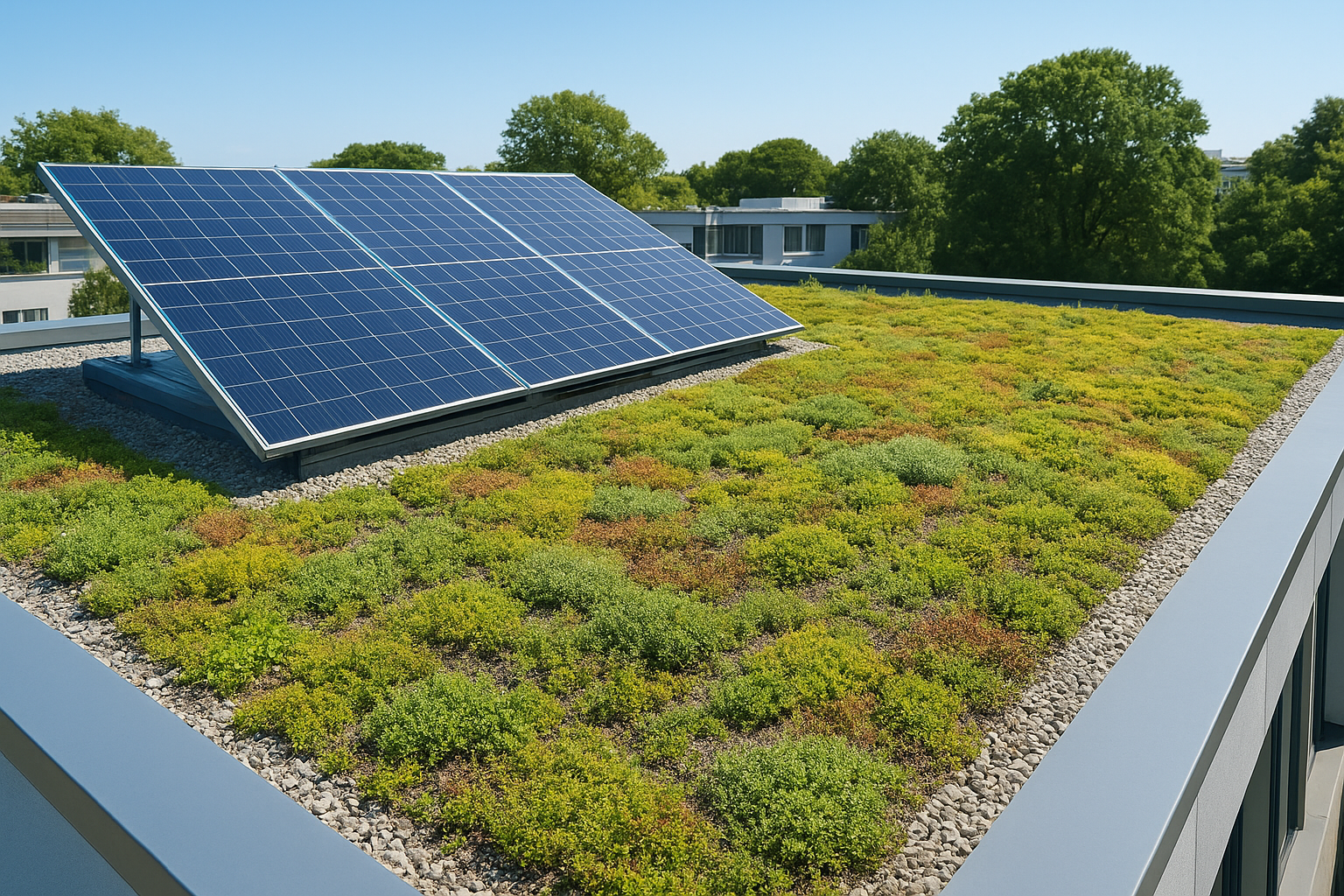
Biosolar roofs integrate photovoltaic panels with vegetated areas, maximizing rooftop functionality. The vegetation cools the solar panels, improving their electrical generation efficiency, while the panels provide partial shade that certain plants prefer. You capture both environmental and energy benefits from the same surface area, though installation complexity and cost increase accordingly.
Green roof layers and materials
Your green roof functions as a multi-layered system where each component serves specific structural and biological purposes. When you understand what is a green roof from a construction perspective, you recognize that success depends on proper sequencing of materials from the structural deck upward through the vegetation. Each layer protects the one below it while enabling the layer above to perform its function, creating a coordinated assembly that must work together over decades.
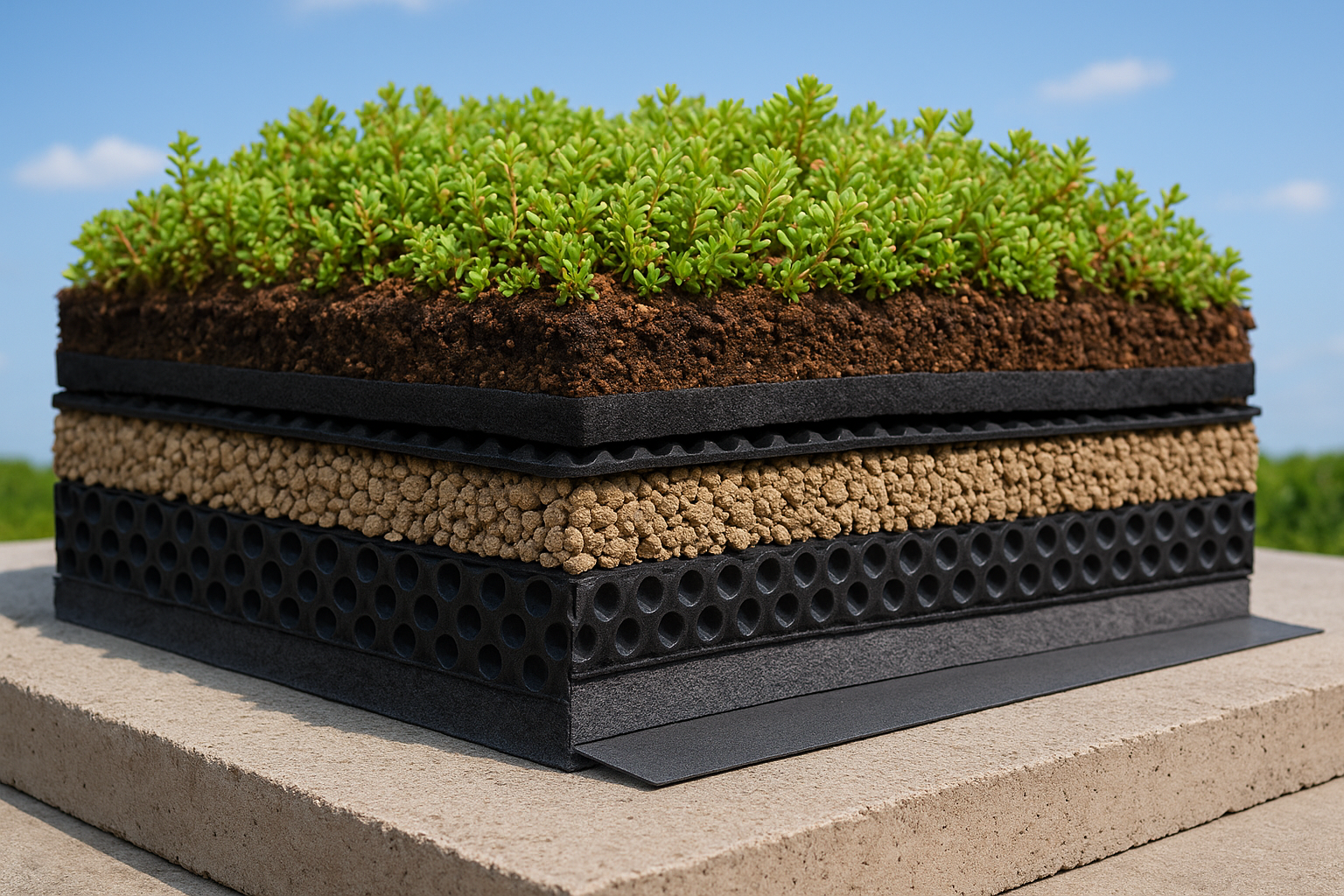
The complexity varies with roof type, but all green roofs share fundamental layers: waterproofing, root barriers, drainage components, growing medium, and vegetation. Your material choices within each layer directly affect performance, longevity, and maintenance requirements. Malaysian conditions demand materials that withstand high temperatures, intense rainfall, and year-round humidity without degrading or failing prematurely.
Waterproofing and root barrier systems
You start with a waterproofing membrane that protects your building structure from moisture penetration. This layer typically uses modified bitumen, PVC, or TPO materials rated for green roof applications. Standard roofing membranes won't survive because plant roots exert substantial force as they grow, potentially puncturing conventional waterproofing within years.
Root barriers sit directly above the waterproofing membrane, though some modern membranes integrate root-resistant properties into their chemical composition. These barriers use physical or chemical methods to prevent roots from penetrating downward. You need this protection because certain plants develop surprisingly aggressive root systems that will exploit any weakness in the waterproofing layer.
Root barriers represent your last line of defense against water damage, making material quality here non-negotiable.
Drainage and retention layers
Your drainage layer sits above the root barrier and manages water movement across the roof surface. These components use plastic drain mats, gravel beds, or modular panel systems that create air gaps beneath the growing medium. Water flows horizontally through these gaps toward roof drains rather than pooling and waterlogging the plant root zone.
Many drainage products include water retention pockets that hold moisture for plant uptake during dry periods. These reservoirs reduce irrigation demands by storing rainfall temporarily. You balance drainage capacity against retention needs based on your climate patterns and plant requirements, recognizing that Malaysian rainfall intensity requires robust drainage while tropical heat demands adequate moisture reserves.
Growing medium and substrate composition
Growing medium differs fundamentally from ground soil. You use lightweight aggregate materials like expanded clay, pumice, and composted organic matter that provide nutrients, water retention, and aeration while keeping roof loads manageable. Standard soil weighs too much and compacts over time, eliminating the air spaces that roots need.
Your substrate depth determines which plants will thrive and how much the system weighs. Extensive roofs use 5 to 15 centimeters of lightweight mix supporting sedums and grasses. Intensive installations require deeper profiles with richer organic content to sustain diverse plantings. Malaysian green roofs often incorporate volcanic aggregates and processed coconut coir as locally available lightweight components.
Vegetation selection criteria
Plant choices depend on substrate depth, sun exposure, and maintenance commitment. Extensive roofs need drought-tolerant species like Sedum varieties that survive shallow substrate and full sun. Semi-intensive systems support broader selections including ornamental grasses and herbaceous perennials.
You prioritize plants with shallow, fibrous root systems that won't damage waterproofing layers. Malaysian native species adapted to rocky, well-drained conditions often perform better than imported varieties because they tolerate heat stress and seasonal rainfall patterns without intervention.
How green roofs manage heat and water
Understanding what is a green roof from a performance perspective means recognizing how these systems physically alter your building's interaction with solar radiation and rainfall. Your conventional roof acts as a passive barrier that absorbs heat and sheds water. A vegetated roof transforms these processes into active management cycles where biological and physical mechanisms work continuously to moderate temperature extremes and control water movement.
The performance differences are substantial and measurable. Your green roof doesn't simply insulate your building; it creates dynamic cooling through evapotranspiration processes that consume thermal energy. Similarly, water management goes beyond simple detention to include biological filtration and gradual release patterns that reduce infrastructure stress while improving runoff quality.
Thermal regulation through vegetation
Your plant layer shields the roof membrane from direct sun exposure, preventing it from reaching temperatures that would otherwise exceed 70 to 80 degrees Celsius on dark surfaces. The vegetation absorbs solar radiation for photosynthesis rather than converting it to heat. This shading effect alone cuts membrane temperature by 30 to 40 degrees during peak afternoon hours.
Plants release water vapor through their leaves as part of normal metabolic processes. This evapotranspiration requires thermal energy to convert liquid water into vapor, drawing heat from surrounding air and the substrate below. Your roof surface stays cooler because this biological cooling runs continuously whenever plants have access to moisture, functioning like a natural air conditioning system that requires no electricity.
The growing medium adds insulating mass that slows heat transfer into your building. During hot days, substrate temperature changes occur gradually rather than instantly, preventing rapid heat gain. At night, this thermal mass releases stored warmth slowly, moderating temperature swings that would otherwise stress building systems.
Evapotranspiration from green roof plants can consume the equivalent energy of several air conditioning units without any operating costs.
Water absorption and retention mechanisms
Your growing medium captures rainfall like a sponge, holding moisture in pore spaces between aggregate particles. Extensive systems with shallow substrate retain 40 to 60% of annual rainfall, while deeper intensive installations can capture 70 to 90% depending on substrate depth and composition. Malaysian tropical downpours test these limits, but properly designed drainage layers prevent waterlogging even during extreme events.
Plant roots actively extract stored moisture, gradually removing water through transpiration rather than releasing it as runoff. This biological pump means your roof continues releasing rainfall for days or weeks after storm events end, extending detention periods far beyond what mechanical systems achieve. The result is peak flow reductions that protect downstream infrastructure from flood surges while maintaining base flows during dry periods.
Benefits and performance factors
Understanding what is a green roof means recognizing the measurable advantages these systems deliver beyond environmental symbolism. Your investment produces quantifiable returns through reduced energy consumption, extended roof life, and improved building performance metrics that affect your bottom line directly. These benefits compound over the system's lifespan, making green roofs financially viable even before you account for their environmental contributions.
Energy efficiency and cost savings
Your building's cooling load drops significantly when vegetation shields the roof membrane from direct sun. Studies document air conditioning cost reductions between 15 and 30% in tropical climates like Malaysia's, where cooling represents the largest portion of energy budgets. The insulating effect works both ways, reducing heat loss during cooler nights and maintaining more stable interior temperatures year-round.
Energy savings translate to lower operating expenses that accumulate throughout the roof's life. You'll recover a portion of installation costs through reduced utility bills, while the building's overall energy efficiency rating improves. Malaysian properties with green roofs qualify for green building certifications that increase market value and attract tenants who prioritize sustainability credentials in their location decisions.
Roof membrane protection and longevity
Your waterproofing membrane normally experiences extreme temperature swings, UV radiation exposure, and thermal expansion cycles that cause gradual degradation. Green roofs eliminate these stresses by keeping membranes at stable temperatures and blocking harmful UV rays completely. Protected membranes last 40 to 50 years compared to 15 to 20 years for exposed conventional roofing.
Maintenance costs decrease because you avoid frequent roof replacements that disrupt building operations and require expensive reroofing projects. The extended lifespan means your green roof system, despite higher initial costs, often proves more economical than conventional alternatives over multi-decade time horizons. You also eliminate roofing waste that would otherwise go to landfills during replacement cycles.
Green roofs can double or triple your roof membrane's functional lifespan while simultaneously reducing energy consumption by up to 30%.
Acoustic insulation benefits
Noise pollution affects building occupants in urban areas where traffic, construction, and commercial activity create constant background sound. Your green roof absorbs and deflects sound waves that would otherwise penetrate the building envelope. The combination of growing medium mass, plant biomass, and trapped air creates effective acoustic damping across multiple frequency ranges.
Buildings near airports, highways, or industrial zones gain particular value from this sound insulation. You'll notice reduced interior noise levels that improve occupant comfort and productivity without installing additional soundproofing materials. Malaysian properties in dense commercial districts or along major transportation corridors benefit measurably from green roof acoustic performance.
Drawbacks, risks, and how to reduce them
Green roofs deliver substantial benefits, but you need to understand their limitations before committing to installation. Your project faces genuine challenges related to structural capacity, upfront investment, and ongoing maintenance requirements that don't exist with conventional roofing. Recognizing what is a green roof means accepting these trade-offs while implementing strategies to minimize risks and manage costs effectively throughout the system's operational life.
Structural weight and load requirements
Your building must support significant additional weight beyond what conventional roofing requires. Even lightweight extensive systems add 60 to 150 kilograms per square meter when saturated, while intensive installations can exceed 500 kilograms per square meter with deep substrate and mature plantings. Existing structures often lack adequate capacity without reinforcement, making green roofs impossible or prohibitively expensive for retrofit projects.
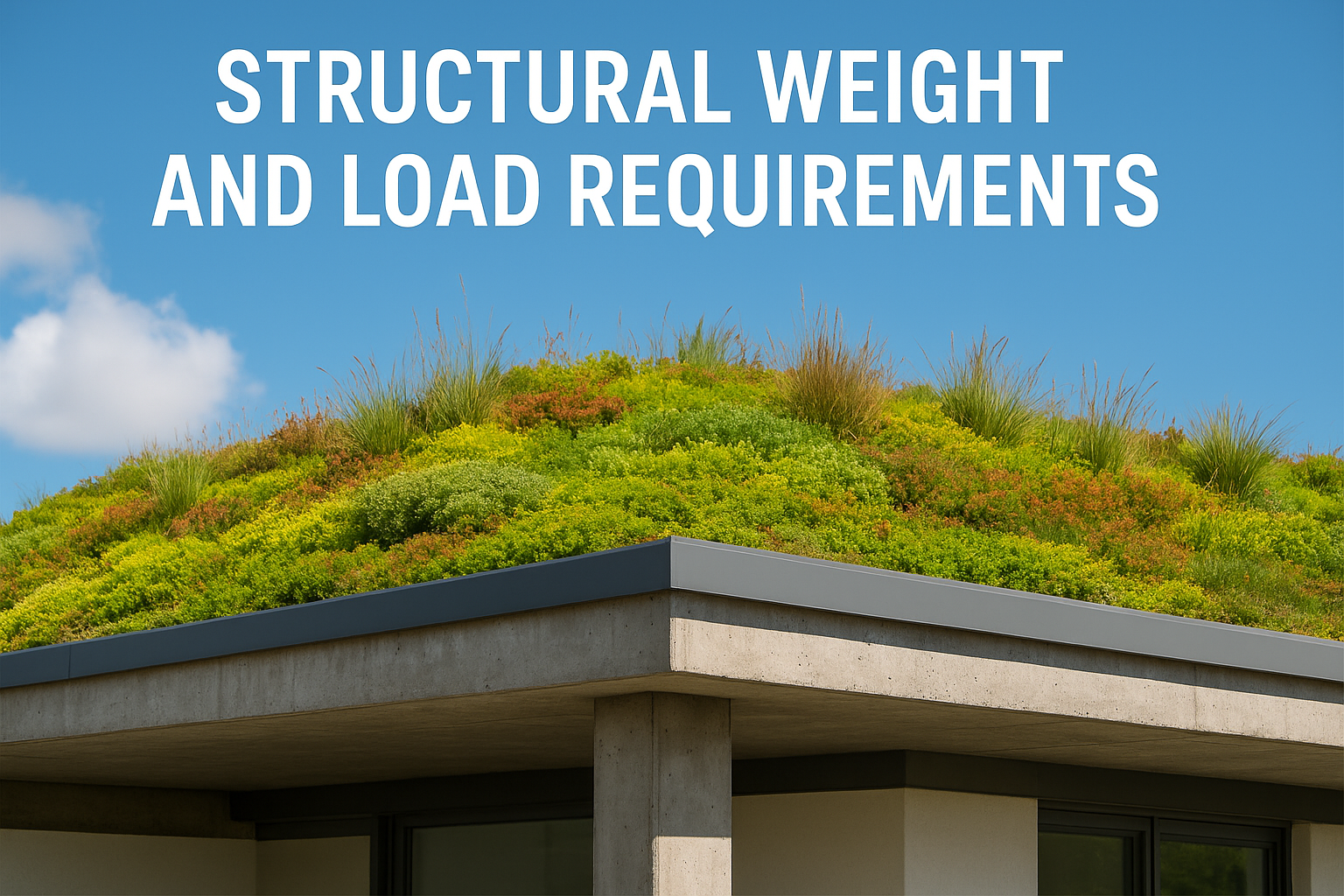
You reduce structural risks through careful engineering analysis before installation begins. A qualified structural engineer evaluates your building's load-bearing capacity and determines whether reinforcement is necessary. Choosing extensive systems over intensive types keeps loads manageable, while strategic placement of heavier elements over structural columns and load-bearing walls distributes weight more safely. Never skip professional structural assessment regardless of how capable your roof appears, because hidden weaknesses can lead to catastrophic failures years after installation.
Structural failure from inadequate load analysis represents the most serious risk in green roof projects, making professional engineering evaluation essential.
Installation costs and budget planning
Your initial investment for green roofing substantially exceeds conventional alternatives. Extensive systems cost three to five times more than standard roofing materials, while intensive installations can reach ten times conventional costs when you account for structural reinforcement, specialized materials, and complex installation requirements. Malaysian projects face additional expenses for importing certain components that aren't manufactured locally.
Budget planning should account for long-term value rather than comparing initial costs alone. Your green roof will outlast conventional roofing by decades while reducing energy expenses continuously. Calculate total ownership costs over 40 to 50 years to understand the true financial comparison, recognizing that premium initial investment often proves economical when you factor in extended membrane life, energy savings, and avoided replacement costs. Consider phased installation if budget constraints prevent full coverage immediately, starting with areas that deliver maximum environmental benefit or visible amenity value.
Maintenance demands and access challenges
Your green roof requires regular attention that conventional roofing doesn't need. You'll schedule seasonal inspections, vegetation trimming, irrigation system checks, and drainage clearing to maintain proper function. Extensive systems need minimal intervention, but intensive rooftops demand ongoing care comparable to ground-level landscaping. Access difficulties complicate maintenance because rooftop locations require safety equipment and trained personnel.
Maintenance costs decrease when you design systems appropriately from the start. Installing automatic irrigation eliminates manual watering trips, while choosing self-sustaining plant species reduces pruning and replacement needs. You establish clear maintenance protocols with trained contractors who understand green roof requirements, avoiding damage from improper care techniques. Regular preventive maintenance costs less than emergency repairs caused by neglect, making scheduled service agreements worthwhile investments that protect your system over its entire lifespan.
How to plan a green roof project in Malaysia
Your successful green roof project begins long before any installation work starts. Planning requires coordinating structural assessments, regulatory approvals, and contractor selection while establishing realistic budgets and timelines that account for Malaysia's unique climate conditions. Property owners who rush this phase encounter costly revisions, permit delays, and performance problems that proper preparation would have prevented.
Malaysian projects face specific considerations around tropical rainfall intensity, year-round heat, and local material availability that influence every decision from waterproofing selection to plant species choices. You'll navigate building codes, environmental regulations, and practical constraints that determine what's feasible for your property. Understanding what is a green roof from a planning perspective means recognizing how these factors interact to shape your project scope and budget parameters.
Building assessment and feasibility studies
You start with professional structural evaluation to determine if your building can support additional green roof loads. Hire a licensed structural engineer familiar with Malaysian building codes to calculate existing capacity and identify reinforcement needs. This assessment examines roof deck strength, column spacing, and foundation adequacy while accounting for saturated weight conditions during heavy rainfall events. Never proceed without documented structural approval, regardless of how new or robust your building appears.
Your feasibility study extends beyond structural capacity to evaluate roof access, drainage connections, and irrigation water sources. Existing roof slopes, drain locations, and parapet heights affect installation complexity and ongoing maintenance costs. Buildings with limited rooftop access require expensive equipment rentals for material delivery and future service work. You also assess sun exposure patterns throughout the day because Malaysian afternoon heat affects plant selection and irrigation demands differently than morning sun exposure creates.
Professional structural engineering evaluation represents your most critical planning investment, protecting against catastrophic failures that cost exponentially more than thorough upfront analysis.
Regulatory requirements and approvals
Malaysian local authorities regulate green roof installations through building permits, fire safety codes, and environmental compliance frameworks. You submit detailed plans showing structural calculations, waterproofing specifications, and drainage designs for review before starting work. Urban areas often require additional approvals related to stormwater management credits and green building certification pathways that your project may qualify for under national sustainability initiatives.
Fire safety regulations particularly affect intensive green roofs where people access the space regularly. You'll address emergency egress routes, fire breaks between planted areas, and material flammability ratings that meet Malaysian fire codes. Some municipalities offer expedited permitting or fee reductions for green infrastructure projects, making it worthwhile to research available incentives before finalizing your design approach.
Selecting design professionals and contractors
Your project team needs specialized experience with vegetated roofing systems rather than conventional landscaping backgrounds. Look for contractors who demonstrate successful Malaysian installations with verifiable references and photographic documentation of completed projects. Green roof waterproofing requires different expertise than standard roofing work, so verify your contractor's training with recognized industry certifications and manufacturer-backed installation credentials.
Design fees typically represent 10 to 15% of total project costs but prevent expensive mistakes during construction. You benefit from professionals who understand tropical plant selection, drainage engineering, and integration with existing building systems like air conditioning equipment and roof penetrations. Request itemized proposals that separate structural work, waterproofing, drainage components, and vegetation installation so you can evaluate costs accurately and identify potential budget optimizations without compromising system performance.
Maintenance checklist and expected lifespan
Your green roof investment pays dividends only when you maintain the system properly throughout its operational life. Understanding what is a green roof means recognizing that these living systems require scheduled attention rather than the benign neglect that conventional roofing tolerates. Malaysian tropical conditions accelerate both plant growth and potential problems, making consistent maintenance more critical than in temperate climates where seasonal dormancy provides natural rest periods for vegetation.
The good news is that properly designed systems demand less intervention than you might expect. Extensive roofs need only two to four maintenance visits annually, while intensive installations require attention comparable to ground-level gardens. Your maintenance approach should emphasize preventive care that catches small issues before they become expensive repairs, establishing clear protocols that address vegetation health, drainage function, and waterproofing integrity simultaneously during each inspection cycle.
Seasonal inspection priorities
You schedule comprehensive inspections during Malaysia's distinct weather transitions, particularly after heavy monsoon periods and before the dry season begins. Each visit examines multiple system components rather than focusing on vegetation alone. Check drain outlets and scuppers for debris accumulation that blocks water flow, because a single clogged drain can cause ponding and membrane damage within hours during intense tropical rainfall events.
Vegetation assessment focuses on coverage density and plant health indicators. You remove invasive species immediately before they establish root systems that damage waterproofing layers. Extensive roofs should maintain 90% plant coverage to prevent substrate erosion, while intensive systems need evaluation of irrigation effectiveness and fertilization requirements. Malaysian heat stress shows up as browning foliage or stunted growth that indicates inadequate water delivery.
Preventing small drainage blockages costs minimal effort during routine visits but saves thousands in emergency waterproofing repairs caused by standing water.
Component replacement schedules
Your irrigation system requires the most frequent attention, with emitter cleaning and filter replacement every six months to prevent mineral buildup from Malaysian water supplies. Controllers need battery changes annually, while valves and mainline components typically last five to seven years before replacement becomes necessary. Budget for complete irrigation system overhauls at ten to twelve year intervals regardless of apparent functionality, because hidden deterioration leads to sudden failures.
Substrate occasionally needs supplementation in high-traffic areas or where erosion occurs despite proper vegetation coverage. You add growing medium top dressing every three to five years in intensive installations, maintaining proper depth for root development. Extensive systems rarely need substrate additions unless severe weather events cause material loss through wind or water erosion patterns.
Expected lifespan ranges
Waterproofing membranes beneath green roofs last 40 to 50 years compared to 15 to 20 years for exposed conventional systems. This extended lifespan makes green roofs economically competitive despite higher installation costs, because you avoid multiple reroofing projects that conventional buildings require. Drainage layers and root barriers typically match membrane longevity, creating integrated systems that function reliably across multiple decades without major component replacements.
Plant communities evolve continuously but don't require wholesale replacement under normal conditions. Extensive roof vegetation may need selective replanting every ten to fifteen years as individual plants decline naturally. Intensive gardens follow typical landscape replacement cycles, with perennials renewed every five to seven years and woody plants lasting twenty years or more depending on species selection and growing conditions in Malaysian tropical climate zones.
Where to go from here
You now understand what is a green roof, how these systems function, and the practical considerations that determine whether vegetated roofing makes sense for your Malaysian property. The decision ultimately depends on your building's structural capacity, available budget, and commitment to long-term environmental benefits that green roofs deliver through reduced energy consumption and improved stormwater management.
Malaysian properties particularly benefit from green roof cooling effects because year-round tropical heat makes air conditioning costs a constant operating expense. Your investment in vegetated roofing pays returns through lower utility bills, extended membrane lifespan, and enhanced property value that accumulates over decades rather than years.
If you're ready to explore how green roofs integrate with comprehensive landscape design that transforms your entire property into cohesive outdoor living space, contact our award-winning team at Konzept Garden for a consultation. We'll evaluate your specific site conditions and develop solutions that work within your structural constraints and budget parameters.