
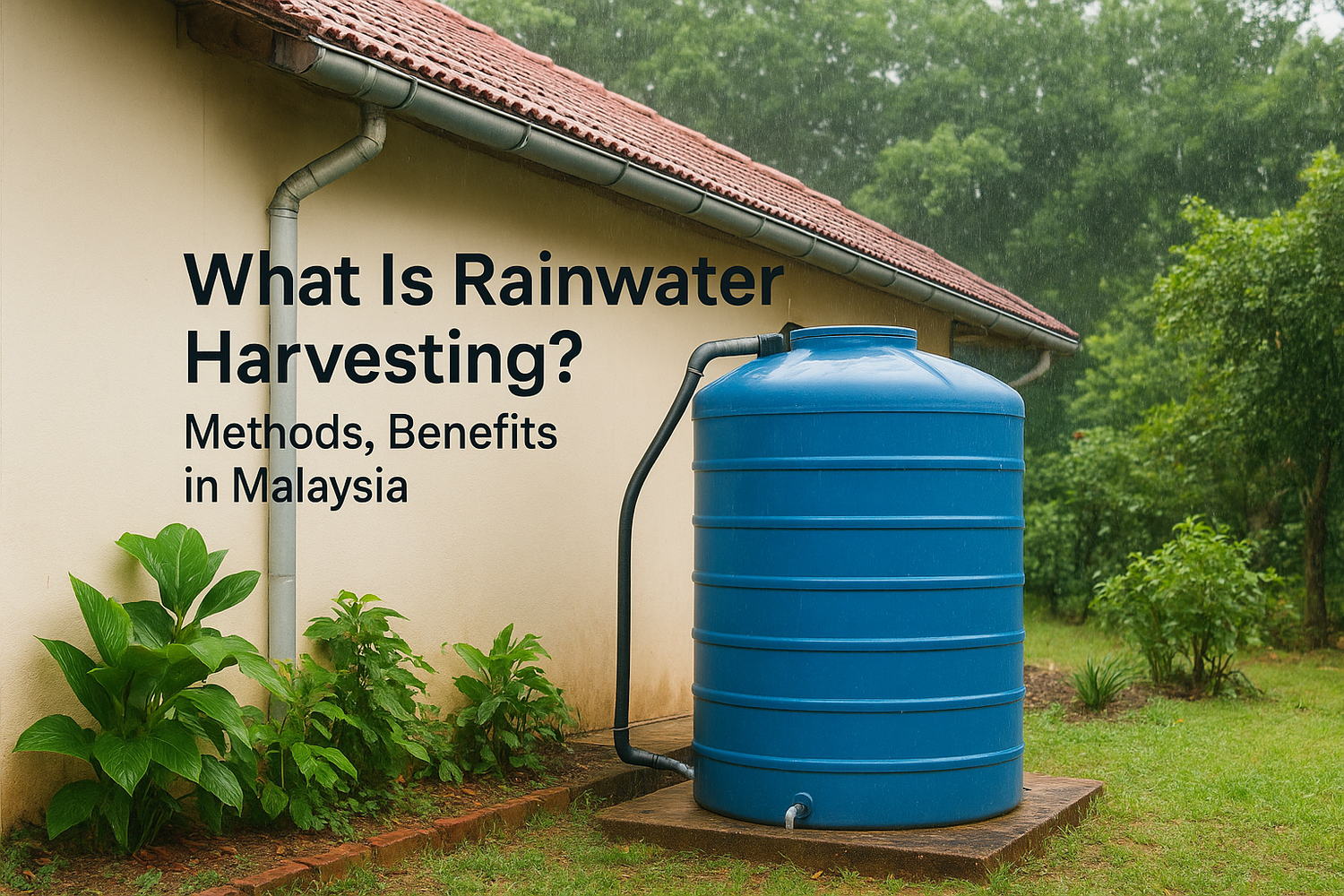
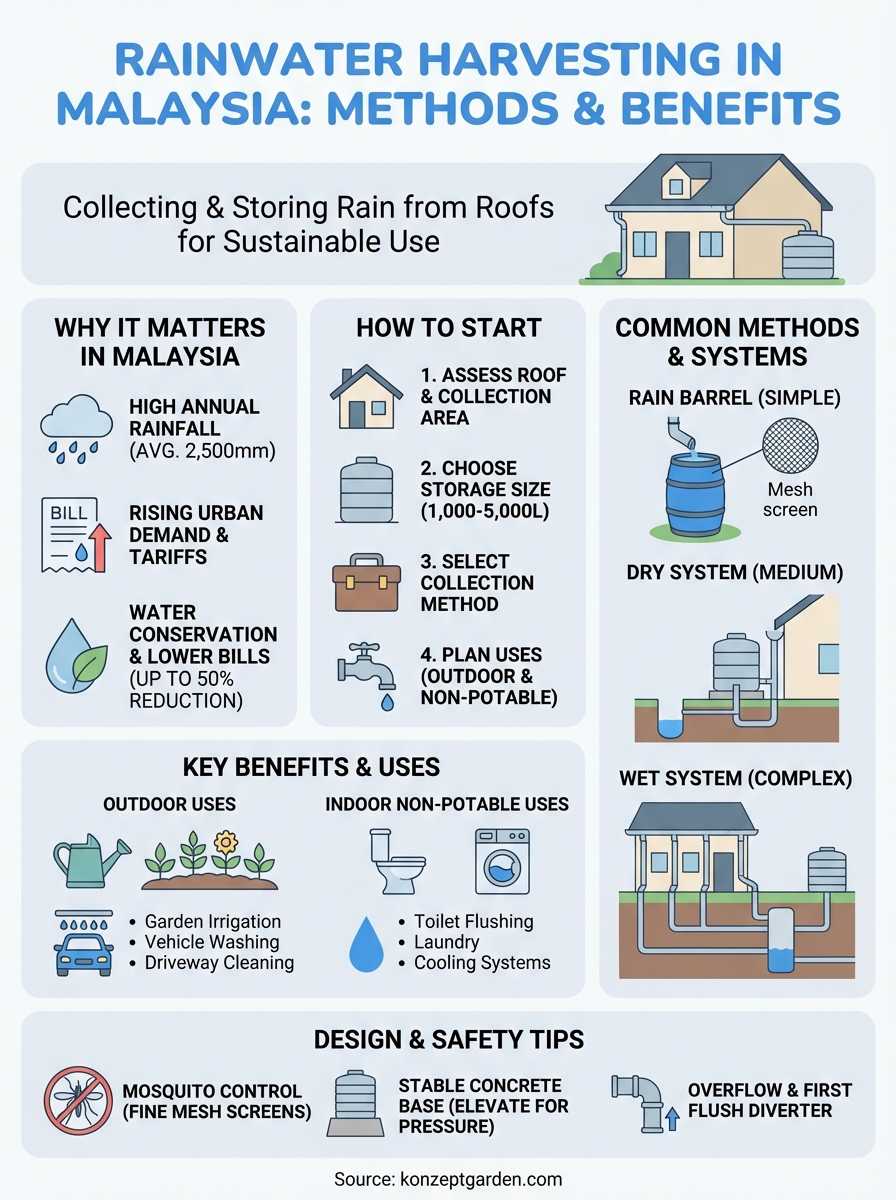
Rainwater harvesting is the practice of collecting and storing rain that falls on your roof instead of letting it wash away into drains. You capture this water through gutters and pipes that redirect it into storage tanks where it can be used later for watering plants, washing cars, flushing toilets, and other non-drinking purposes. The concept is simple but powerful especially in a country like Malaysia where heavy rainfall is common yet water conservation remains important.
This guide walks you through everything you need to know about rainwater harvesting in Malaysia. You'll discover why it makes sense for local properties, learn about different collection methods from basic rain barrels to complete underground systems, and understand the practical benefits you can expect. We'll also cover design considerations specific to Malaysian homes and how to safely integrate harvested rainwater into your garden and daily routines.
Why rainwater harvesting matters in Malaysia
Malaysia receives an average of 2,500 mm of rainfall annually, making it one of the wettest countries in Southeast Asia. Yet urban water demand continues to rise as cities expand and populations grow. Understanding what is rainwater harvesting becomes essential when you consider that billions of liters of rainwater simply flow into drains each year instead of being put to productive use.
Climate and rainfall patterns
Your property sits in a tropical climate where heavy downpours are common throughout the year. The northeast monsoon from November to March and the southwest monsoon from May to September deliver consistent rainfall that fills gutters and overwhelms drainage systems. This predictable rainfall pattern creates an ideal opportunity to capture water when it's abundant and store it for periods when municipal supply faces pressure or restrictions.
Malaysians can reduce their reliance on treated water by up to 50% through proper rainwater collection systems.
Water conservation and cost savings
Water tariffs in Malaysia have increased steadily in recent years as treatment and distribution costs rise. You can lower your monthly water bills significantly by using harvested rainwater for non-potable purposes like garden irrigation, car washing, and toilet flushing. Properties with larger collection surfaces such as commercial buildings or homes with extensive roofing can harvest thousands of liters each month, translating into meaningful cost reductions over time while also contributing to environmental sustainability.
How to start a rainwater harvesting system at home
You don't need complicated equipment or major construction to begin capturing rainwater. Start by examining your existing roof and gutter system to determine how much collection surface you have available. A typical Malaysian single-story home with a 150 square meter roof can harvest approximately 15,000 liters of water during a month with 100mm of rainfall. Once you understand what is rainwater harvesting and its potential for your property, you can move forward with practical implementation steps.
Assess your roof and collection area
Walk around your property and identify which downspouts and gutters are already in place. You want roofing material that's suitable for water collection like tiles, metal sheets, or concrete, avoiding surfaces with heavy contamination or toxic coatings. Calculate your total roof area by measuring the footprint of your house rather than the actual sloped surface area, since this determines how much rain you can catch.
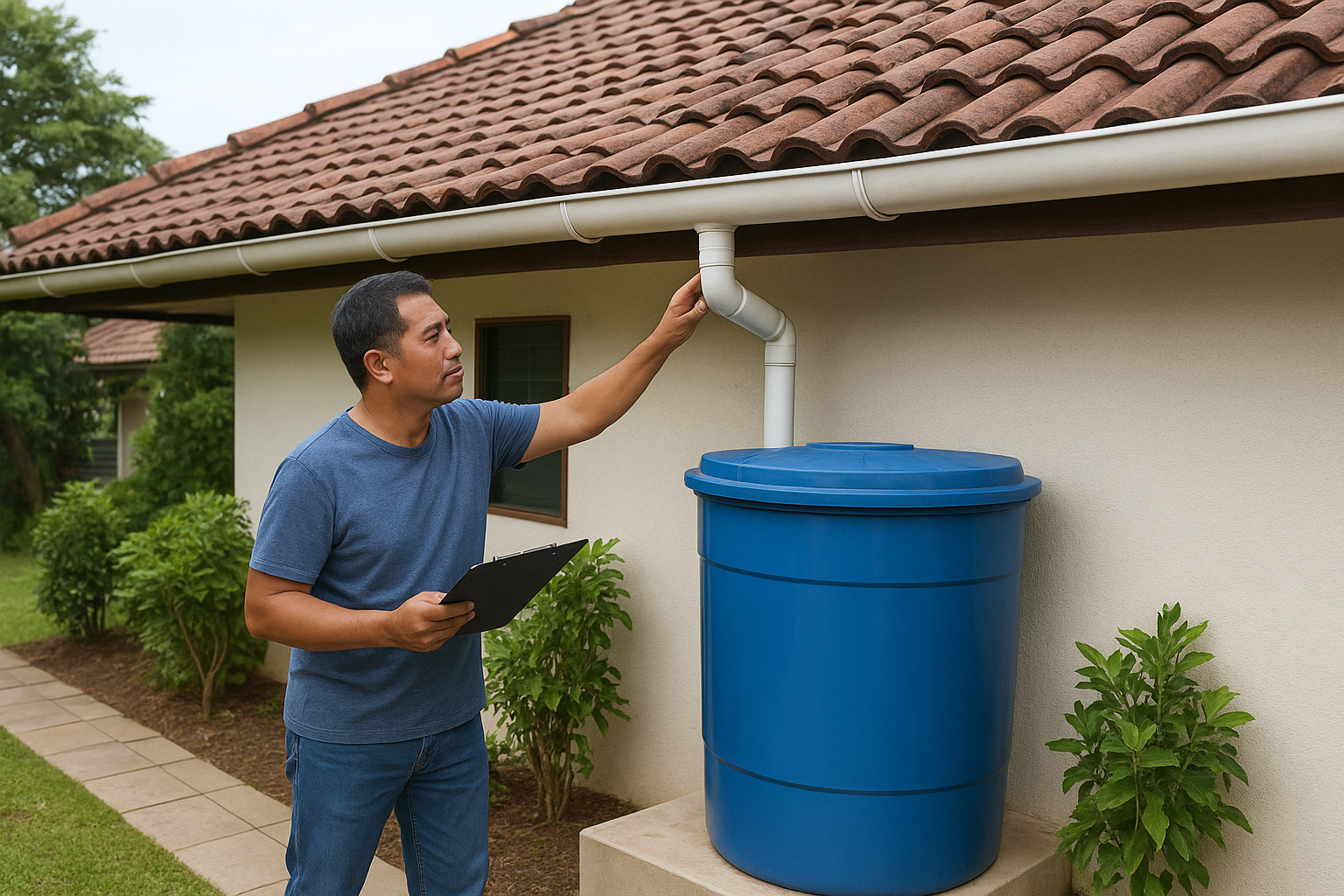
Your gutters should be clean and properly sloped toward downspouts without major leaks or gaps. Properties with multiple roof sections offer more collection points, giving you flexibility to start with one area and expand later as you see results.
A well-maintained gutter system captures 90% or more of the rainfall that hits your roof.
Choose the right storage size
Match your tank capacity to both available rainfall and your intended water usage. A 1,000-liter tank works well for basic garden watering in most Malaysian homes, while larger families using harvested water for toilet flushing or car washing might need 3,000 to 5,000 liters of storage. Consider starting smaller and adding capacity as you track actual consumption patterns over several months.
Common rainwater harvesting methods and systems
You can implement rainwater collection through several proven approaches that range from simple to sophisticated. The right method for your property depends on available space, budget constraints, and how much water you plan to use. Each system follows the same basic principle of capturing roof runoff but differs in complexity and storage capacity.
Rain barrel systems
The most straightforward entry point into rainwater collection involves placing a barrel or container at the end of a downspout. You'll find rain barrels in sizes from 50 to 200 liters at most hardware stores across Malaysia, and installation requires nothing more than positioning the barrel under your gutter outlet and adding a simple mesh screen to keep debris and mosquitoes out.
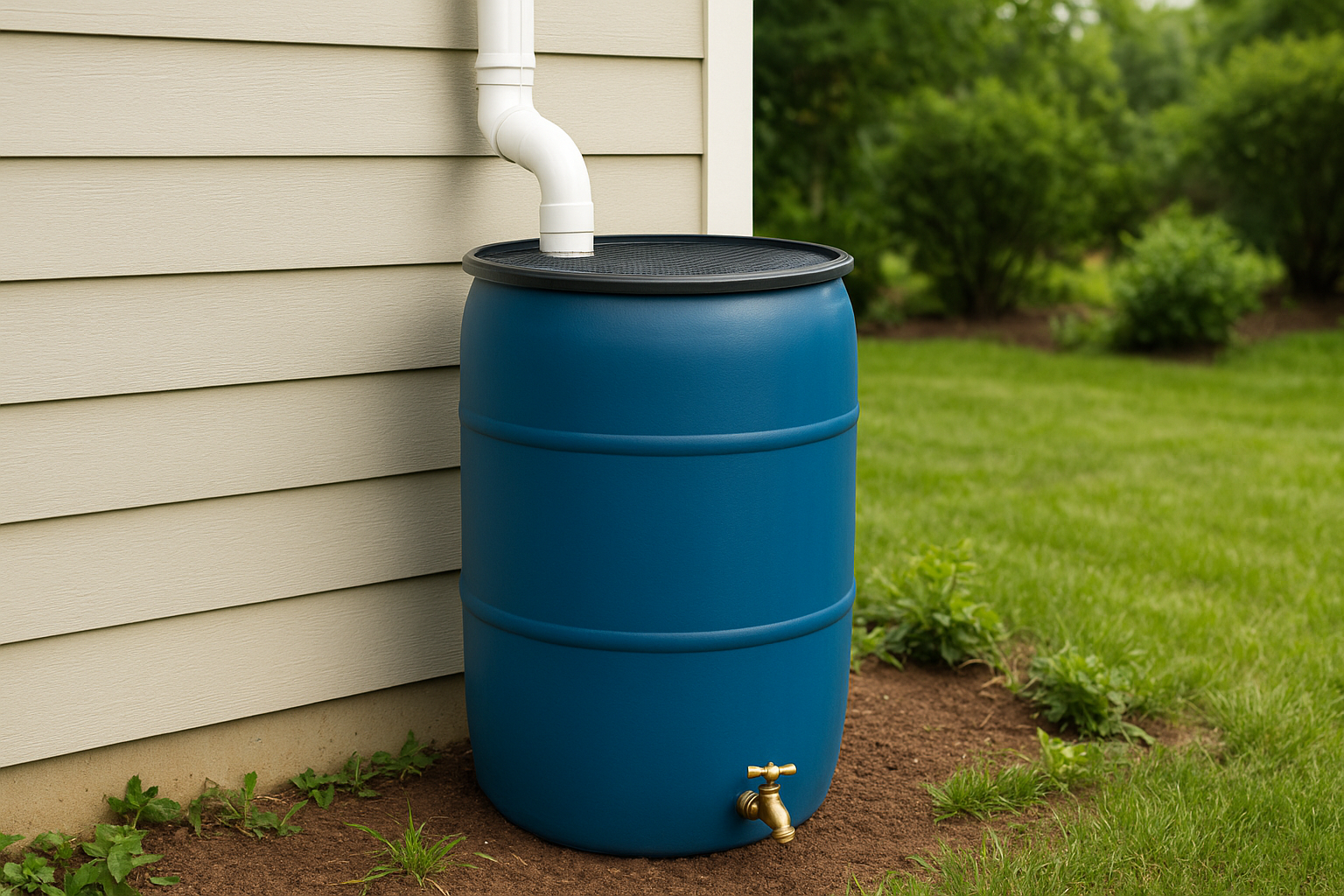
This method works well for small gardens or occasional outdoor washing tasks. The main limitation is capacity, as even a 200-liter barrel fills quickly during heavy Malaysian downpours and you'll waste overflow water unless you connect multiple barrels together.
Rain barrels offer the fastest return on investment because they require minimal setup cost and start saving water immediately.
Dry system collection
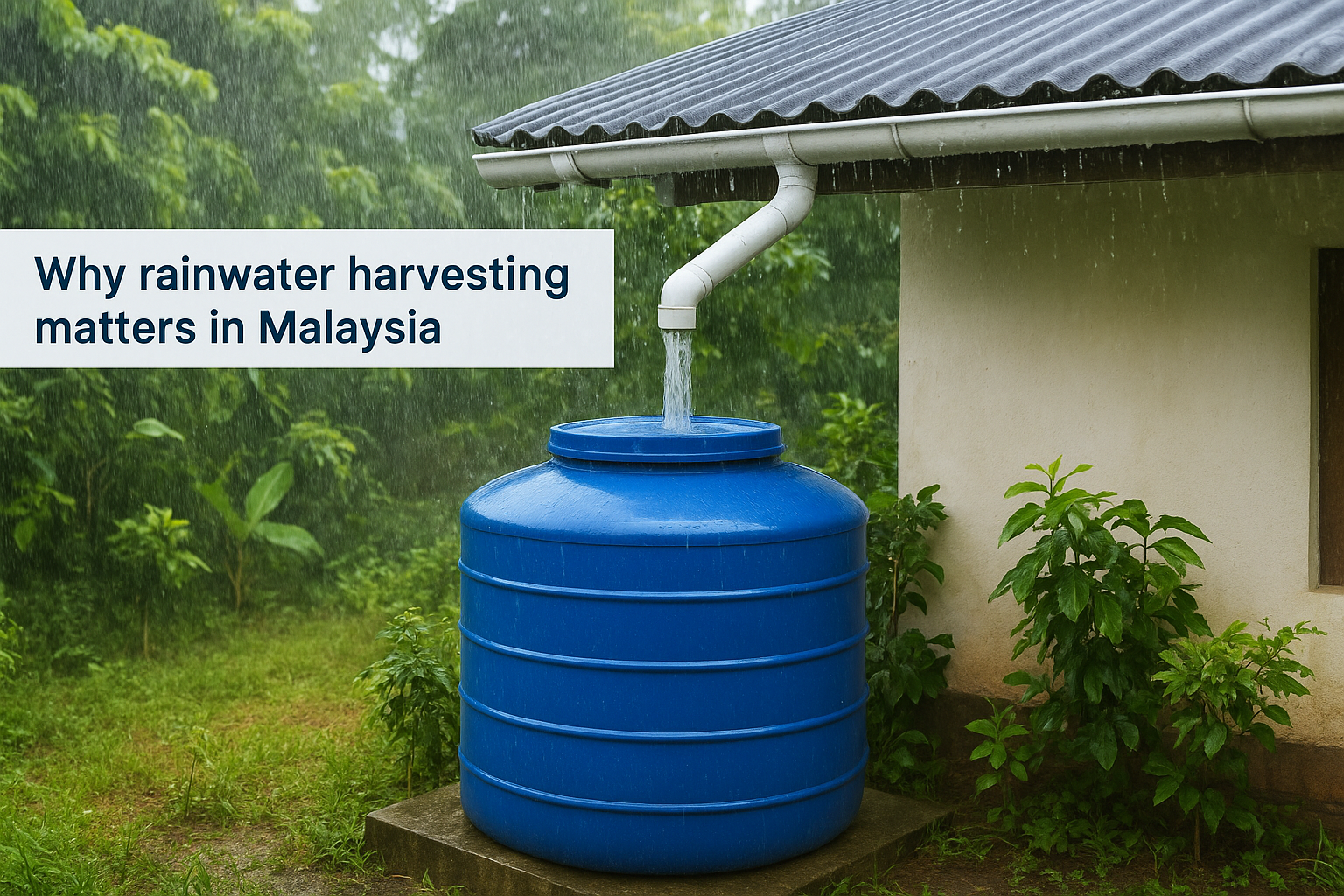
A dry system connects your downspouts to a larger storage tank positioned next to your house using short pipes that drain completely after each rainfall. The collection pipes remain empty between rain events, which reduces maintenance concerns and eliminates standing water where mosquitoes might breed. You'll need a tank with an inlet positioned below the level of your gutters to ensure gravity flow works properly.
This approach suits Malaysian properties where you want significant storage capacity but need to keep the tank close to the building. Installation costs stay reasonable because you're not running extensive underground piping.
Wet system collection
Properties with multiple downspouts benefit from wet systems that use underground pipes to connect several collection points to a single storage tank. The pipes stay filled with water after rainfall, creating a sealed system where water rises in vertical sections until it spills into your tank. You position the tank anywhere on your property rather than directly beside the house.
Understanding what is rainwater harvesting through this method reveals its main advantage: you capture rainfall from your entire roof surface regardless of where gutters are located. The tradeoff is higher installation cost due to excavation and plumbing work, but you'll maximize collection efficiency across your property.
Key benefits and uses of collected rainwater
Harvested rainwater delivers both environmental advantages and practical cost savings for Malaysian property owners. You reduce demand on municipal water treatment facilities while keeping hundreds or thousands of ringgit in your pocket each year. The applications range from simple garden watering to comprehensive household systems that handle multiple daily tasks, and understanding what is rainwater harvesting helps you identify which uses make the most sense for your property.
Outdoor applications
Your garden benefits immediately from collected rainwater because it contains no chlorine or chemical additives found in treated municipal supply. Plants respond better to this naturally soft water, showing improved growth and requiring less fertilizer over time. Beyond irrigation, you can use harvested water for washing vehicles, driveways, and outdoor furniture without worrying about water restrictions during dry periods.
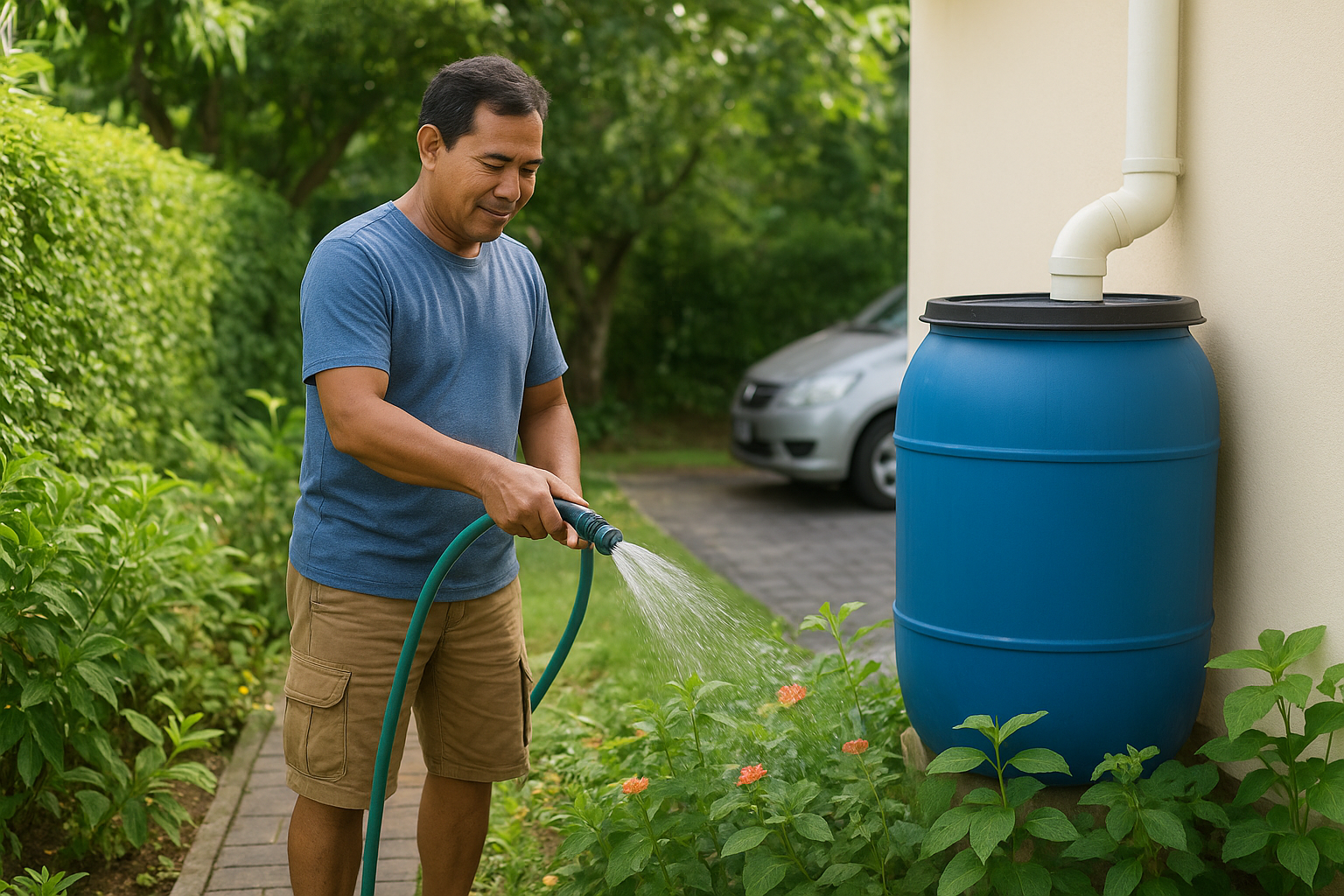
Properties with established rainwater systems can maintain green spaces and clean outdoor areas year-round regardless of municipal supply conditions.
Indoor non-potable applications
Toilet flushing accounts for roughly 30 percent of household water consumption in Malaysian homes, making it an ideal candidate for rainwater substitution. You can also connect harvested water to your washing machine through proper filtration systems, effectively handling laundry needs while extending the life of your appliances through reduced mineral buildup. Commercial properties often use collected rainwater for cooling systems, cleaning operations, and manufacturing processes where drinking-quality water isn't necessary but substantial volumes are required daily.
Design and safety tips for Malaysian properties
Proper system design protects your investment and ensures safe operation throughout Malaysia's tropical conditions. You need to account for heavy rainfall intensities, high humidity levels, and potential pest issues when planning your installation. Local building codes in some Malaysian states now require rainwater systems in new developments, so checking with your municipal authority prevents compliance problems down the road.
Tank placement and mosquito control
Position your storage tank on a stable concrete base that can handle the weight when full, keeping in mind that 1,000 liters of water weighs roughly 1,000 kilograms. Elevating your tank 1 to 2 meters above ground gives you natural water pressure for garden hoses and reduces flood risk during extreme weather events. You must install fine mesh screens on all inlets, outlets, and overflow pipes to block mosquito entry, as standing water in tropical climates creates ideal breeding conditions within 7 days.
Malaysian authorities recommend inspecting screens monthly and treating large tanks with biological larvicides if mosquito prevention becomes challenging.
Overflow and filtration systems
Every rainwater tank needs a properly sized overflow pipe that directs excess water away from your foundation into drainage areas or landscaping. Calculate overflow capacity based on your roof area and Malaysia's rainfall intensity, which can exceed 100mm per hour during storms. Install a first flush diverter that discards the initial roof runoff containing dust, leaves, and bird droppings before clean water enters your tank, improving water quality without complex filtration equipment.
Bringing rainwater into your garden
Understanding what is rainwater harvesting opens up new possibilities for creating truly sustainable outdoor spaces across Malaysian properties. You can integrate your collection system directly into garden design by positioning storage tanks near planting areas and installing drip irrigation lines that distribute water efficiently during dry spells. The stored rainwater keeps your landscaping healthy throughout the year while significantly reducing dependence on municipal supply and lowering water costs.
Your garden can also incorporate attractive water features like koi ponds that benefit from collected rainwater instead of constantly drawing treated tap water for refills and maintenance. These features add visual appeal and tranquility while making practical use of your harvesting system. Explore our Himalaya Rock Koi Fish Pond to see how professional landscape design combines natural water management with stunning outdoor aesthetics that transform Malaysian properties into sustainable, beautiful living spaces.