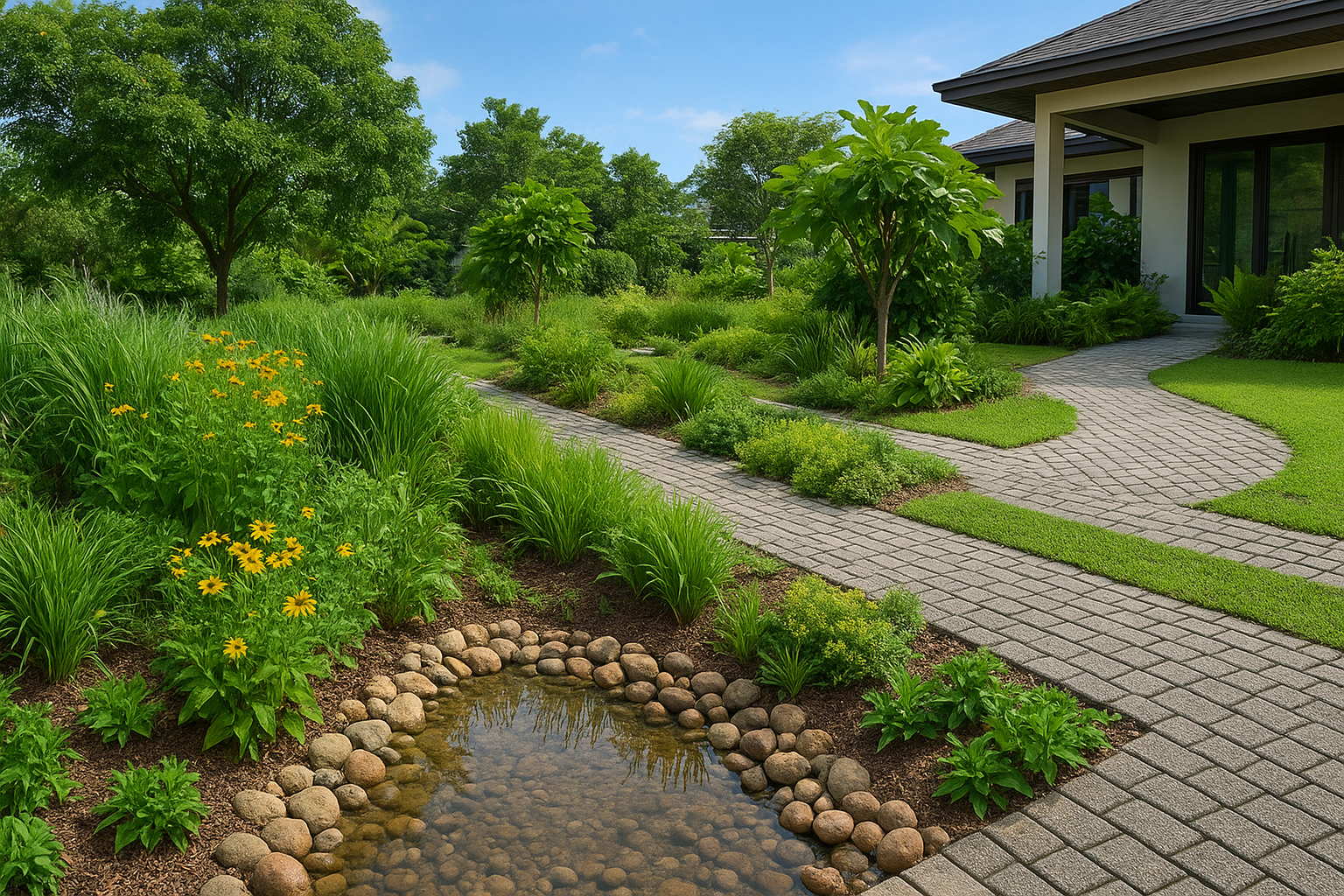

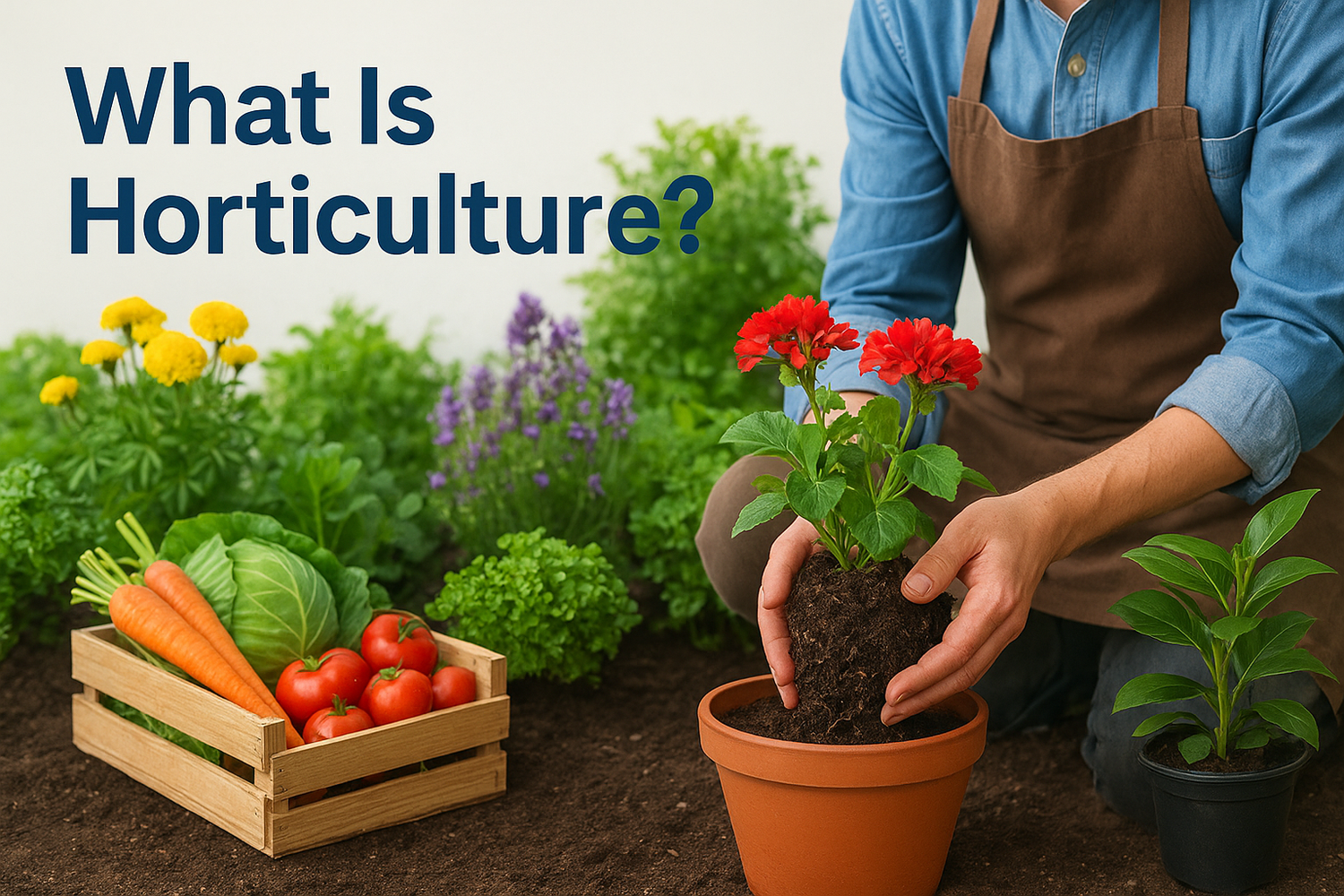
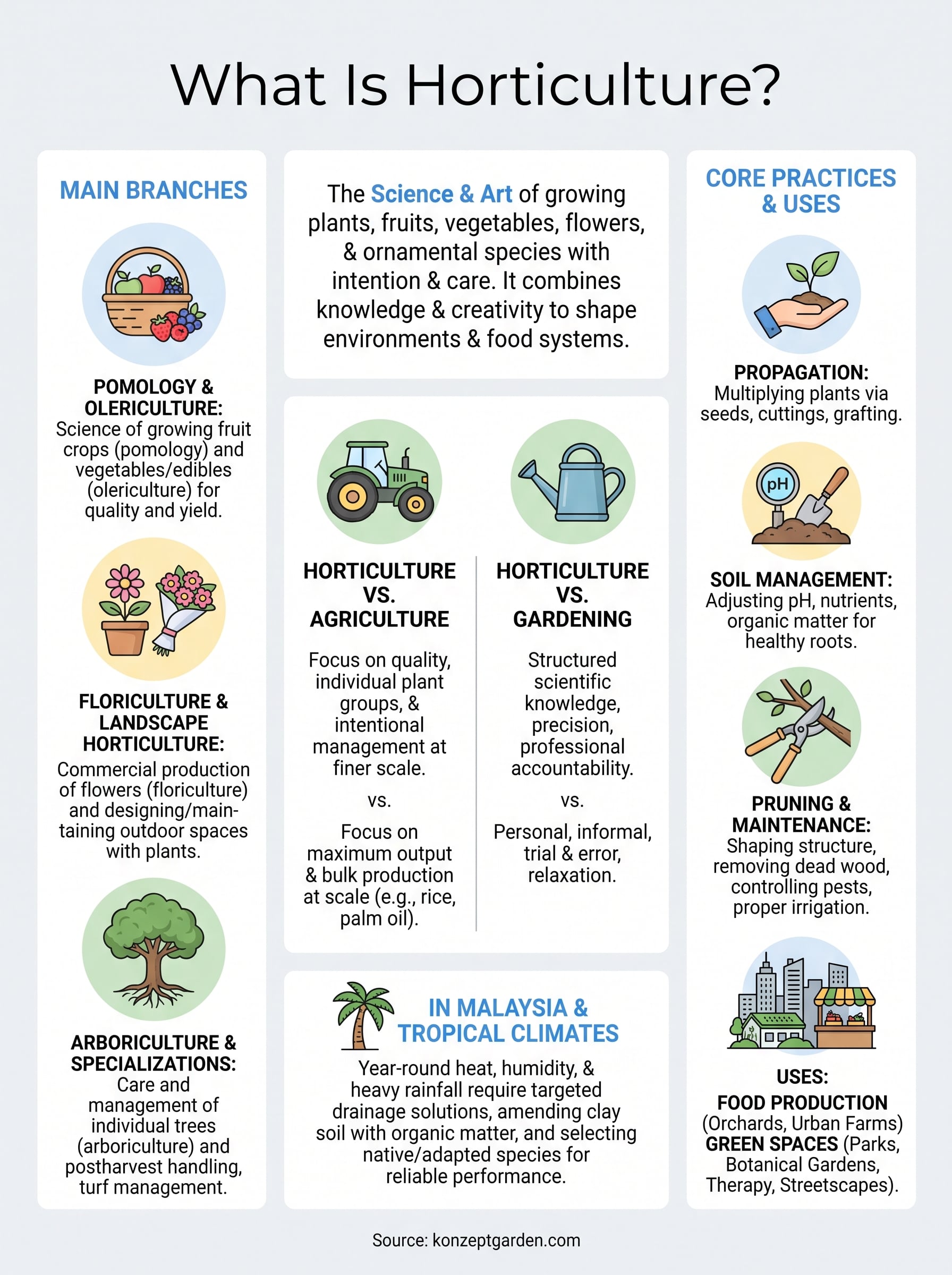
So, what is horticulture? At its simplest, it's the science and art of growing plants, fruits, vegetables, flowers, and ornamental species, with intention and care. But that one-line definition barely scratches the surface. Horticulture shapes the food on your table, the parks you walk through, and the garden spaces you come home to every day.
At Konzept Garden, horticulture is the foundation of everything we do. Every garden we design in Malaysia, from residential courtyards to commercial landscapes, starts with a deep understanding of plants, soil, light, and how living things grow in our tropical climate. Our botanist consultations and planting plans exist because horticulture isn't guesswork; it's a discipline with real branches, real science, and real-world applications.
This article breaks down horticulture in full: its definition, its major branches like pomology and floriculture, how it differs from agriculture, and why it matters, with practical examples you can actually relate to.
What horticulture means and where it fits
The word horticulture traces back to two Latin roots: hortus, meaning garden, and cultura, meaning cultivation. At its core, horticulture is the discipline of growing, improving, and managing plants with focused skill and purpose. It covers fruits, vegetables, flowers, trees, herbs, and ornamental species. The scope ranges from a single raised bed to a large commercial nursery, but the guiding principle stays consistent: you are working with plants in a deliberate, knowledge-driven way, not simply letting them grow and hoping for the best.
The Latin roots and what they reveal
Breaking down where the term comes from helps clarify what falls within it. The Latin hortus referred to an enclosed garden, a cultivated and intentional space, as opposed to open farmland or wild land. That distinction still carries weight today. When you explore what is horticulture as a field, you find it centers on specific plant types treated with care and expertise, rather than bulk production across vast acreage. The "enclosed" quality of that original meaning reflects the focused, plant-by-plant attention that defines the discipline.
Horticulture treats each plant variety as something worth understanding deeply, not just something to produce at volume.
Where horticulture sits in relation to other plant sciences
Horticulture connects to botany, agronomy, and environmental science, but it is its own discipline with distinct goals and methods. Botany approaches plants from a scientific and often theoretical standpoint, studying their biology and classification. Agronomy zooms out to large-scale crop production, soil management, and yield optimization across wide fields. Horticulture, by contrast, focuses on the quality, health, and intentional use of specific plant groups, whether that means the flavor of a fruit variety or the visual impact of a flowering border.
You will find horticulture at work in research institutions, public parks, botanical gardens, urban farms, and private residences. It spans both the production side, growing plants for food, sale, or medicine, and the design side, arranging plants to create spaces that function and feel the way you want them to. In practice, the two sides inform each other constantly.
Why it combines science and art
The science in horticulture covers plant biology, soil chemistry, propagation techniques, pest and disease management, and irrigation design. These technical areas require real training and precision. You need to understand how a root system takes up water and nutrients, why a particular species demands acidic soil, or what light intensity triggers flowering in a given variety. Gaps in that knowledge show up quickly in the health of your plants.
The art enters when you make decisions about composition, texture, seasonal color, and the overall experience a space creates. A skilled horticulturist does not only ask whether a plant will survive in a given location. They ask whether it contributes something meaningful to the surrounding environment. That balance between technical accuracy and creative intent is what sets a thoughtfully designed garden apart from one that simply contains plants.
The main branches of horticulture
When you ask what is horticulture in full detail, the answer requires looking at how it splits into distinct specializations, each focused on a different category of plant or a different purpose. These branches share the same scientific foundation but apply it in very different directions. Understanding them helps you recognize why horticulture professionals often develop deep expertise in one specific area rather than working generically across all plants.
Pomology and olericulture
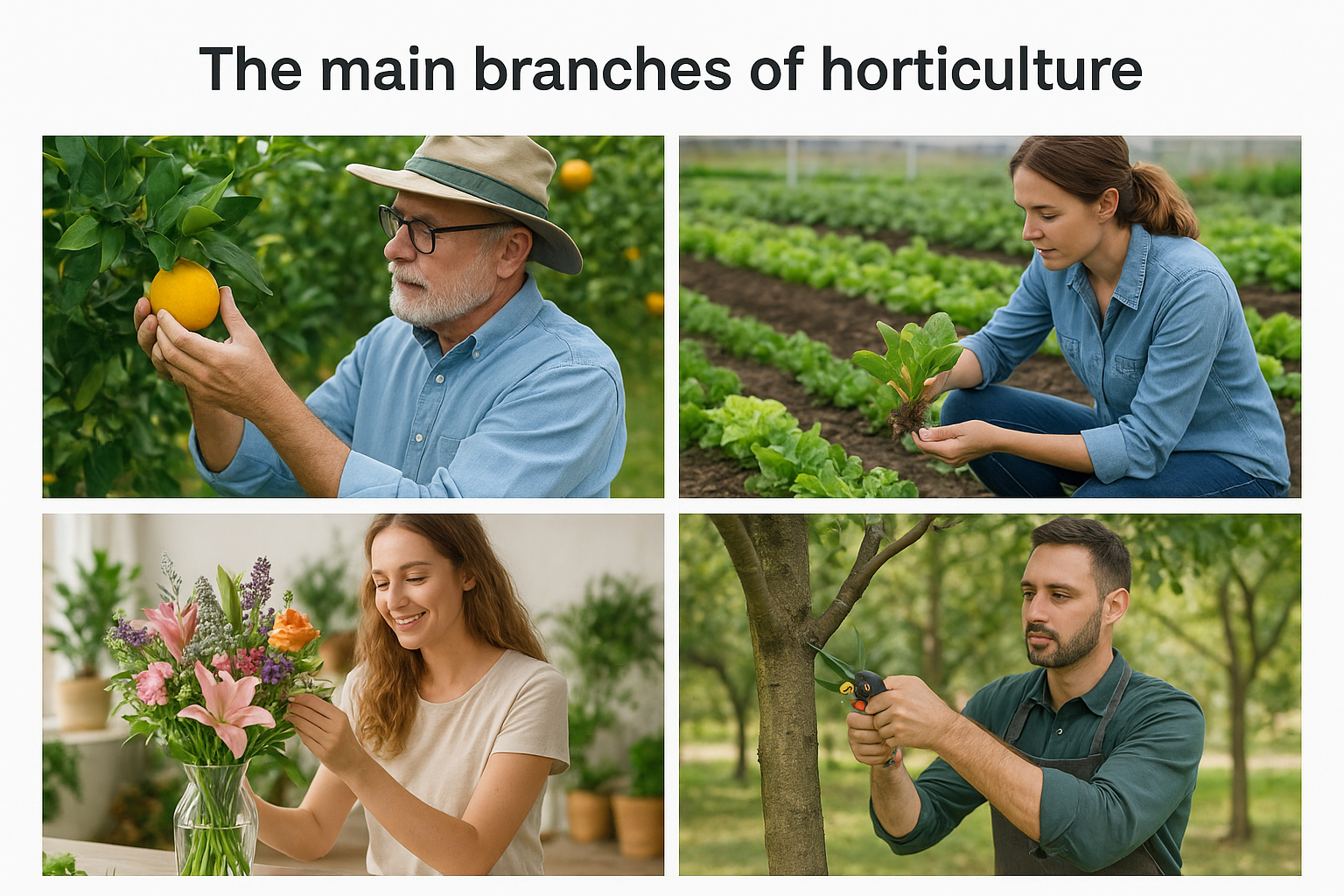
Pomology covers the science and practice of growing fruit crops, from mangoes and citrus to apples and berries. Pomologists study how fruit trees and shrubs develop, what conditions maximize yield and flavor quality, and how to manage pests and diseases specific to fruit-bearing plants. Olericulture applies the same rigorous approach to vegetables and edible crops grown for market or home use. Both branches depend on a precise understanding of plant physiology, soil nutrition, and seasonal cycles to produce consistent, high-quality output.
Floriculture and landscape horticulture
Floriculture deals with the commercial production and use of flowering plants, including cut flowers, potted displays, and floral arrangements. It drives the ornamental plant industry and directly influences what you find at garden centers and nurseries. Landscape horticulture, sometimes called ornamental horticulture, goes further by focusing on designing, installing, and maintaining outdoor spaces using trees, shrubs, groundcovers, and flowering species. This branch sits at the intersection of plant science and design, where technical knowledge about how plants perform shapes every decision about how a space looks and functions through the seasons.
The branch that applies most to your situation depends on your goal: producing food, growing flowers at scale, or creating outdoor environments that work and feel right.
Arboriculture and other specializations
Arboriculture focuses on the care and long-term management of individual trees, covering structured pruning, root health, disease diagnosis, and safe removal when a tree reaches the end of its life. Beyond these core branches, horticulture also includes turf management for grass surfaces and postharvest technology, which studies how harvested plant products are stored and handled to maintain their quality before they reach the consumer. Each specialization pulls from the same foundational plant science but channels it into a focused, practical context.
Horticulture vs agriculture and gardening
People often treat these three terms as interchangeable, but they describe different scopes, intentions, and methods. When you understand what is horticulture as a distinct field, the differences become clear and practically useful, especially if you are deciding what kind of professional to hire or what knowledge base applies to your project.
How horticulture differs from agriculture
Agriculture is the broad practice of producing food, fiber, and raw materials at scale, typically across large land areas using machinery, bulk inputs, and systems designed for maximum output. Its primary focus is yield per hectare, and the crops involved, think rice paddies, palm oil plantations, or rubber estates, are managed with efficiency as the top priority. Horticulture works at a finer resolution. It focuses on specific plant groups, emphasizes quality alongside quantity, and applies detailed care to individual varieties or growing conditions. A horticulturist growing mangoes for a premium market thinks differently from a farmer growing a bulk commodity crop of the same fruit. The plant knowledge runs deeper, the interventions are more targeted, and the outcome reflects a higher degree of intentional management.
Agriculture asks how much you can grow; horticulture asks how well you can grow it.
How horticulture differs from gardening
Gardening sits at the personal and informal end of the spectrum. Most people who garden do so for pleasure, relaxation, or casual food production at home. They learn through trial and error, adapt based on what works in their own space, and operate without formal training or systematic methods. Horticulture brings structured scientific knowledge to what might look, on the surface, like gardening. A horticulturist applies documented understanding of plant physiology, soil biology, propagation methods, and environmental conditions to achieve specific, repeatable outcomes. That does not mean gardening lacks value; many skilled gardeners develop impressive practical knowledge over time. But when a project demands precision, professional accountability, or design at scale, horticulture provides the technical foundation that casual gardening cannot. In a commercial or professional landscape context, the two are simply not equivalent.
Core horticultural practices and techniques
Understanding what is horticulture in a practical sense means looking at the techniques that professionals apply every day. These are not abstract concepts; they are specific, repeatable methods that determine whether a plant thrives or struggles. Each practice draws on the scientific foundation of horticulture and translates it into direct action on the ground.
Propagation and soil management
Propagation is how horticulturists multiply plants intentionally, whether through seeds, cuttings, grafting, or tissue culture. Each method suits different plant types and goals. Grafting, for example, lets you combine the root strength of one variety with the fruit quality of another, a technique central to commercial fruit production. Cuttings work faster for many ornamental species, letting you reproduce a plant with the exact characteristics you want rather than risking the genetic variation that seeds introduce.
Soil management sits equally at the core of any horticultural practice. Horticulturists test and adjust soil pH, organic matter, drainage, and nutrient levels before planting and throughout a plant's life cycle. In Malaysia's tropical climate, soil often needs targeted amendment to prevent waterlogging or to correct the acidic conditions common in heavily weathered soils. Getting the soil right before you plant determines how much corrective work you need to do later.
Healthy soil produces healthy plants; no amount of fertilizer or care fully compensates for a poor growing medium.
Pruning, pest control, and irrigation
Pruning is one of the most direct ways you influence a plant's structure, health, and performance. Done correctly, it removes dead or diseased wood, improves air circulation, directs energy toward productive growth, and shapes the plant to fit its intended space. Done incorrectly, it stresses the plant and creates entry points for disease. Timing and technique both matter, and different species require different approaches.
Integrated pest management gives horticulturists a structured way to handle insects, fungi, and diseases without defaulting immediately to chemical treatments. It combines monitoring, biological controls, cultural practices, and targeted applications only when thresholds are crossed. Irrigation design completes the picture by matching water delivery to each plant's actual needs, using drip systems, scheduled watering, or self-watering infrastructure to keep moisture consistent without waste.
Uses and examples of horticulture in real life
Once you understand what is horticulture at a conceptual level, the real-world applications become easy to spot. Horticulture operates across a wide range of settings, from commercial food systems and public infrastructure to private gardens and therapeutic programs. It is not a niche academic subject; it is an active discipline that shapes environments and industries you interact with regularly.
Food production and urban farming
Horticulture drives the production of most of the fresh produce you find at markets and grocery stores. Fruit orchards, vegetable farms, and herb nurseries all depend on horticultural science to manage soil fertility, control pests, and improve the quality of each harvest. Pomologists work to develop mango and citrus varieties suited to specific climates, while olericulturists refine growing systems that increase the nutritional value of leafy vegetables. These are not abstract research projects; they directly affect what food reaches your table and how much of it survives transport and storage.
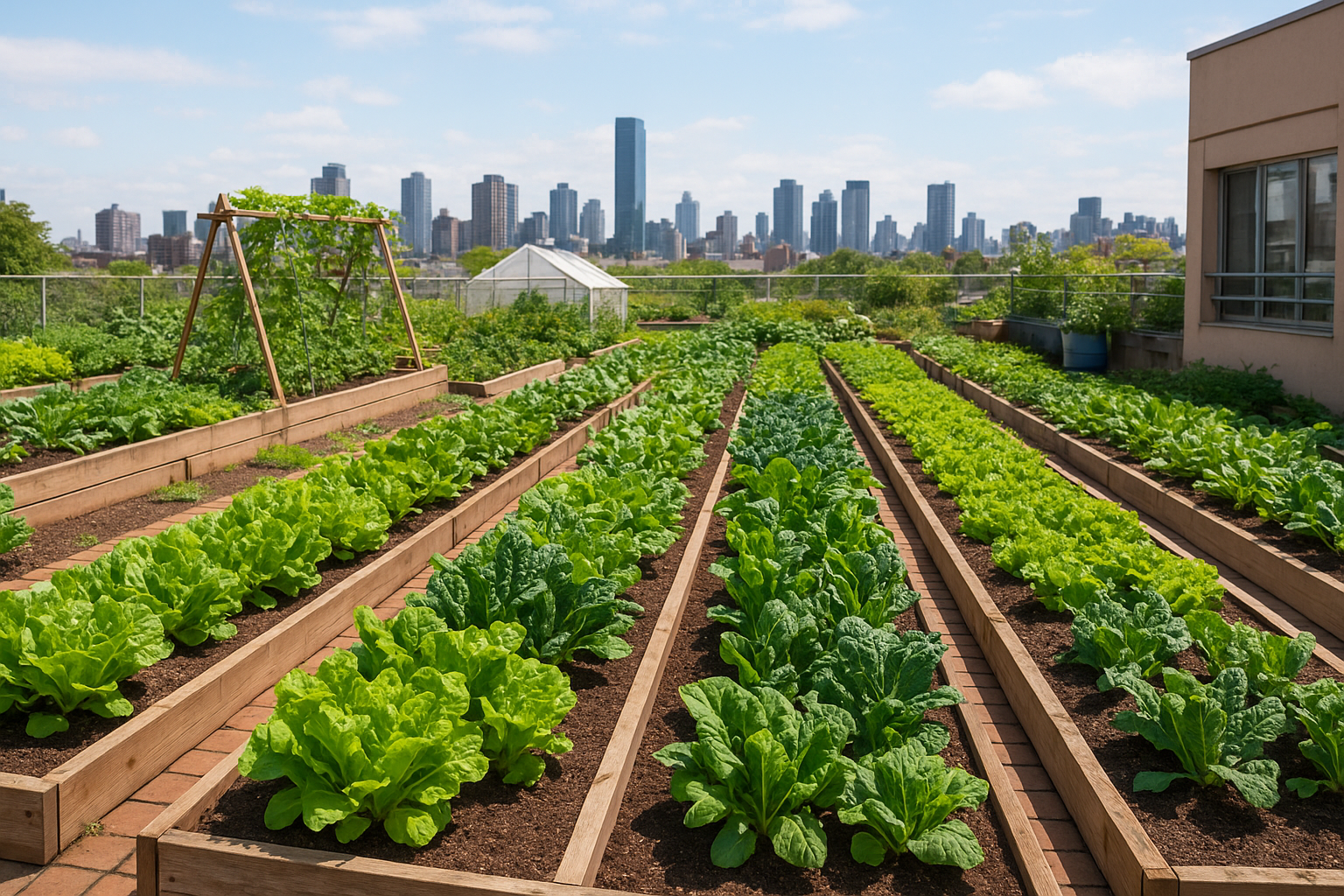
Urban farming has expanded horticulture's role further into city environments. Rooftop gardens, vertical planting systems, and community food plots bring food production into dense residential areas where conventional agriculture is not an option. These setups rely on the same horticultural principles as large farms, applied at a smaller scale with careful attention to container growing conditions, limited soil volumes, and artificial or supplemented light sources.
Horticulture makes fresh food production possible in spaces most people would never consider farmable.
Green spaces, therapy, and design
Public parks, botanical gardens, and streetscape plantings represent some of the most visible applications of landscape horticulture. Cities use trained horticulturists to select tree species that handle heat, drought, and pollution while still contributing to the visual quality of public spaces. Botanical gardens serve both conservation and education roles, preserving rare species and demonstrating what informed plant management looks like over decades.
Horticultural therapy uses planned interaction with plants and garden environments to support mental health, physical rehabilitation, and cognitive recovery in clinical and community settings. Beyond therapy programs, private residential gardens designed by trained professionals give homeowners outdoor spaces that remain functional, healthy, and visually appealing through changing seasons, not just at installation.
Horticulture in Malaysia and tropical climates
Malaysia sits close to the equator, which means year-round heat, high humidity, and heavy rainfall shape every horticultural decision made here. When you ask what is horticulture in a Malaysian context, the answer looks different from what you would find in temperate regions. Plants grow faster, pests reproduce more rapidly, and soil conditions shift dramatically depending on drainage and organic matter levels. That accelerated pace cuts both ways: it gives you lush, dense growth in a short time, but it also demands more attentive management than a cooler climate would require.
Growing conditions specific to Malaysia
Malaysia's tropical climate creates specific challenges around drainage and soil structure that horticulturists here address from the start of every project. Compacted clay soils common in urban Malaysian developments shed water poorly, which causes root stress and fungal problems in plants that need good aeration. Amending soil with organic matter, coarse sand, or raised planting beds solves much of this before a single plant goes in the ground. Rainfall patterns also vary significantly between peninsular Malaysia and Sabah and Sarawak, so irrigation planning needs to account for both monsoon periods and the drier stretches that follow.
Matching your plant selection and soil preparation to Malaysia's actual climate conditions, rather than importing practices from cooler regions, is what separates a garden that thrives from one that struggles within its first wet season.
Tropical plant selection and maintenance
Native and regionally adapted species form the most reliable foundation for any Malaysian garden or landscape. Plants like heliconias, gingers, and tropical ferns handle high humidity and irregular rainfall without constant intervention, making them lower maintenance options that still deliver strong visual impact. Exotic species introduced purely for aesthetics often require more inputs, more protection from pests, and more corrective work over time. Choosing plants with honest consideration of Malaysia's conditions, rather than replicating designs built for temperate gardens, produces outdoor spaces that hold up through the seasons. Horticultural expertise in a tropical context means knowing which plants perform reliably here and structuring your maintenance program around the climate you actually have.
Final takeaways
Knowing what is horticulture gives you a clearer lens for understanding every plant-based decision around you, from the food you eat to the outdoor spaces you live in. Horticulture is not just academic knowledge; it is a practical discipline that combines plant science, soil management, and intentional design to produce real, lasting results. Its branches, from pomology and floriculture to landscape horticulture and arboriculture, each apply that science in a focused direction.
In Malaysia's tropical climate, applying that knowledge correctly makes the difference between a garden that thrives year-round and one that deteriorates after the first monsoon season. Every great outdoor space here starts with the right expertise. If you are ready to work with professionals who bring genuine horticultural knowledge to every project, get in touch with the Konzept Garden team and start planning a space that holds up over time.