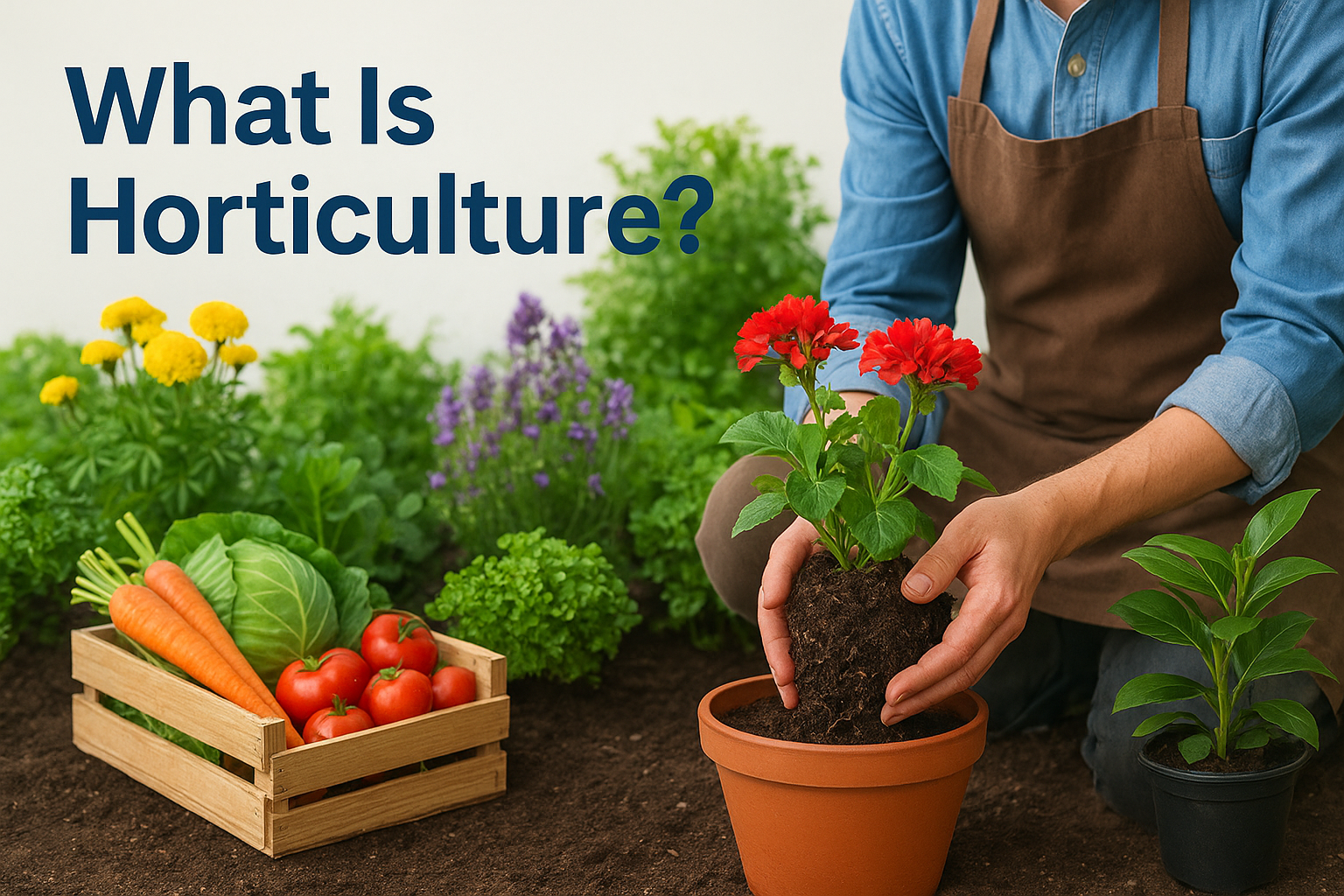

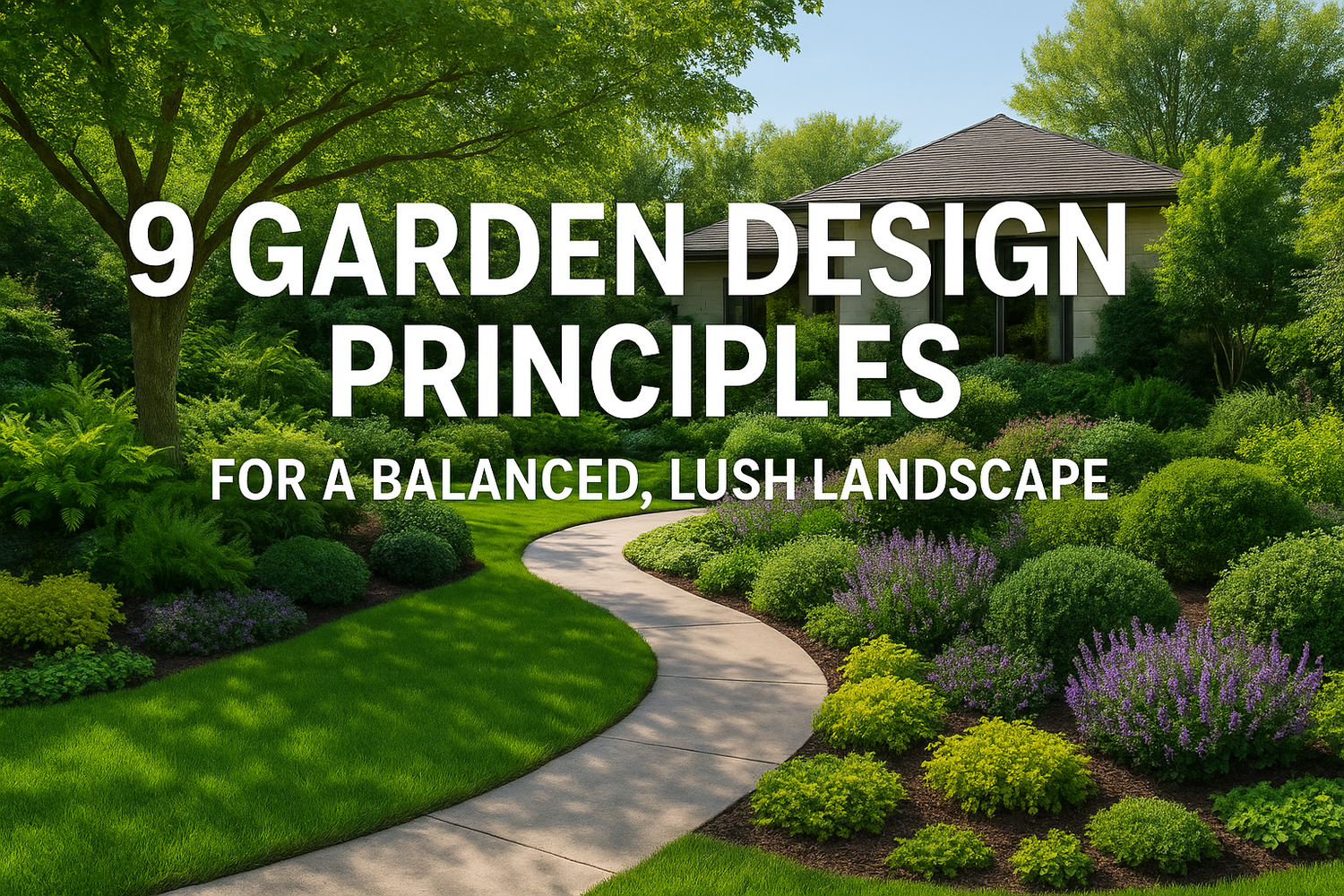
Ever notice how some gardens feel effortless, everything just works together, while others look like a random collection of plants? The difference almost always comes down to garden design principles. These are the foundational rules that professional designers use to create outdoor spaces that feel cohesive, intentional, and alive. And the good news? You don't need a design degree to apply them.
At Konzept Garden, we've spent years designing award-winning landscapes across Malaysia, and every project we take on starts with these same core principles. Whether we're planning a compact courtyard in Kuala Lumpur or a sprawling residential garden in Selangor, balance, proportion, rhythm, and color theory guide every decision, from where a tree gets planted to how a pathway curves.
This guide breaks down nine essential design principles that will help you plan a garden that's not just beautiful, but functional and balanced. Think of it as the framework behind every great landscape, and a solid starting point before you pick up a single plant.
1. Start with a site plan and strong bones
Before you touch a single plant or paving stone, you need a clear picture of what you're working with. A site plan is the foundation of all strong garden design principles, and skipping it is the single most common reason gardens end up feeling disjointed or frustrating to maintain. Think of it as the blueprint that keeps every future decision grounded.
Define how you want to use the space
How you live in your garden shapes every design choice that follows. Start by listing the activities you want the space to support: entertaining, children's play, vegetable growing, or simply a quiet retreat. Zoning these activities on paper before anything else ensures your finished garden actually fits your daily life, not just how it looks in a photo.
Map sun, shade, views, and drainage
Walk your plot at different times of day and note where direct sunlight lands for at least three to four hours. In Malaysia's climate, shade mapping matters more than most people expect, because intense midday sun can stress plants that would otherwise thrive in a cooler microclimate. Also mark low spots where water pools after heavy rain, since poor drainage causes more garden failures than almost any other issue.
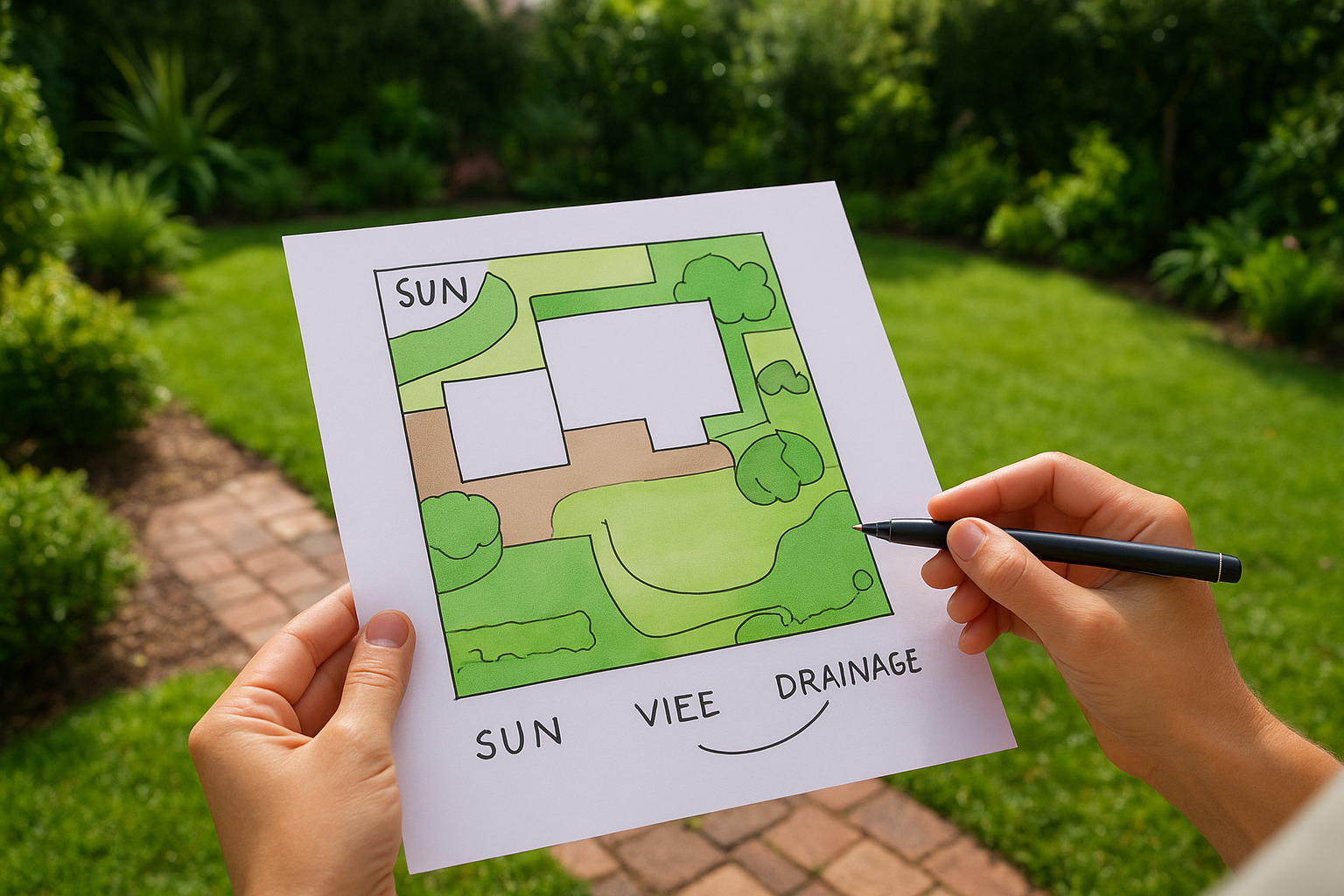
A garden that ignores drainage will always fight you. Fix the water first, then design around it.
Lock in the hardscape layout before plants
Hardscape elements like paths, retaining walls, and patio surfaces are expensive and disruptive to move once they're installed. Decide their placement first, then plan planting around them. This sequence protects your budget and gives your garden a structural skeleton that holds the design together as plants grow and evolve over time.
Decide when to hire a landscape designer in Malaysia
If your site has significant slope changes, boundary restrictions, or complex drainage issues, bringing in a professional landscape designer early saves real money over the long run. A designer can handle technical coordination between contractors and suppliers while navigating local requirements. For straightforward flat plots, a well-researched DIY plan works fine, but for anything irregular, professional input at the planning stage almost always pays for itself.
2. Use scale and proportion to avoid a cramped look
Scale and proportion are two of the most overlooked garden design principles, yet they have an immediate impact on how spacious or cluttered your garden feels. Every plant, path, and structure needs to relate proportionally to your plot size and your home's architecture before you commit to any layout.
Match plant and feature sizes to the house
A tall feature tree works comfortably beside a two-story home but can visually overpower a single-story bungalow. Match the height and spread of your key plants and structures to your home's facade so the overall composition reads as intentional, not accidental.
Size paths, patios, and lawns for real use
Narrow paths feel uncomfortable to walk on and look pinched against wider planting beds. Aim for at least 1.2 meters for a single-person path and 1.8 meters for any main entertaining route. Size your patio to fit your furniture with enough room to pull chairs out comfortably.
A space that feels slightly too large will always read better than one that feels slightly too tight.
Account for mature plant size in tropical growth
Plants in Malaysia's tropical climate grow significantly faster than in temperate regions, often doubling in spread within two to three years. Always check a plant's mature spread before placement, not just its size at the nursery.
Fix common proportion mistakes fast
The quickest fix for poor proportion is removal, not addition. Pull out one or two oversized shrubs and the whole bed breathes again. Thinning, not planting, solves most scale problems in established Malaysian gardens.
3. Balance visual weight across the whole garden
Balance is one of the core garden design principles that separates a garden that feels calm from one that feels visually restless. It isn't about making both sides of your garden identical; it's about distributing visual weight so that no single area dominates or feels neglected.
Understand symmetrical vs asymmetrical balance
Symmetrical balance mirrors elements on either side of a central axis, which suits formal designs and structured courtyards. Asymmetrical balance uses different plants and features that carry equal visual weight without mirroring, which works far better for natural, tropical-style gardens common across Malaysia.
Asymmetrical balance tends to feel more relaxed and suits most Malaysian residential gardens, where organic planting styles thrive.
Balance height, color, and massing
Tall, heavy elements like mature trees or large planters pull the eye strongly. Counterbalance them with a broad mass of mid-height planting or a wide paved area on the opposite side. Color also carries weight: dark foliage reads heavier than light green or silver-toned leaves.
Use anchoring plants and structures to steady the view
Place one strong anchor at key corners or entry points of each garden zone. A well-positioned tree, large specimen shrub, or garden structure stabilizes the composition and gives your eye a resting point before it moves through the space.
Keep balance as plants grow and seasons change
Fast-growing tropical plants shift the balance of a garden quickly. Revisit your layout every year and trim or reposition plants before one area becomes visually heavy compared to the rest. Consistent maintenance keeps your original design intent intact over time.
4. Create unity with repetition and a tight palette
Unity is one of the most practical garden design principles you can apply, and repetition is the fastest way to achieve it. When you repeat the same plant species, shapes, or materials across different areas, you create a visual thread that ties the whole space together.
Repeat key plants, shapes, and materials
Pick two or three hero plants and place them consistently throughout your garden, in borders, along paths, and at entry points. Repeating the same leaf shape or color across different zones creates a rhythm that feels deliberate rather than accidental. Do the same with materials: if you use a particular stone for one path edge, carry it through to your garden bed borders.
Limit the number of main plant types per area
More variety does not mean more interest. Limiting yourself to four or five main plant species per garden zone forces a cleaner look and makes the space feel intentional. Each zone should read clearly on its own while still connecting to the rest through shared plant choices or color tones.
Restraint in plant selection is one of the most underrated tools in landscape design.
Keep hardscape finishes consistent
Your paving, wall cladding, and edging materials should share a consistent palette across the whole garden. Switching materials without reason fragments the design visually and makes different areas feel disconnected.
Edit and simplify without making it boring
Simplification does not mean empty. Remove plants that compete visually with your chosen palette and replace them with additional quantities of what already works. Varying plant heights and leaf textures within your tight palette adds depth while keeping the overall composition clean and unified.
5. Guide movement with line, edges, and pathways
Lines and edges shape how people experience your garden physically and visually. This is one of the most direct garden design principles you can apply, because path placement and bed edges determine whether the space feels guided or aimless.
Use straight lines for structure and curves for calm
Straight lines create structure and suit formal or architectural designs. Sweeping curves slow movement and encourage exploration, working well in the natural, tropical-style gardens common across Malaysia.
Pick one dominant line style and use the other sparingly. Equal amounts of both create visual tension rather than a sense of balance.
Create clean bed edges that stay easy to maintain
Sharp, defined edges between lawn and planting beds make the whole garden read as intentional. Use a steel or concrete edging strip to hold the line without constant re-cutting.
A well-edged garden always looks deliberate, regardless of what grows behind it.
Maintaining edges twice a month keeps the design sharp and manageable and reduces the time you spend correcting overgrowth later.
Connect garden zones with paths that feel natural
Your path layout should follow the routes you already take. If you cross a corner of lawn every day, place the path there instead.
Paths that ignore real movement patterns get bypassed, and the turf wears out in exactly the spots you tried to protect.
Avoid wobbly lines and awkward dead ends
Uncertain, shallow curves read as design mistakes rather than choices. Make every curve generous and confident in its sweep.
Dead ends frustrate movement, so route every path toward something meaningful, a seating area, a garden feature, or a secondary exit point.
6. Build rhythm with mass planting and groupings
Rhythm is one of the garden design principles that transforms a scattered planting into a composition that moves the eye naturally across the space. You achieve it by repeating plant groups at intervals, creating a visual beat that gives the whole garden a sense of flow and purpose.
Plant in drifts to create impact
Instead of planting one of everything, plant the same species in sweeping drifts of five, seven, or more. A single plant disappears in a border, but a drift registers immediately and carries real visual weight. Drifts also simplify maintenance, since you water, trim, and feed one plant type at a time rather than managing a patchwork.
A garden with strong drifts always looks more intentional than one filled with individual specimens scattered at random.
Use odd-number groupings where it fits
Odd-numbered groupings of three, five, or seven plants read more naturally to the eye than even numbers, which tend to split into pairs. Plant in triangles rather than straight lines to give each grouping a loose, organic shape that integrates more smoothly into the overall composition.
Transition between groups without abrupt changes
Move from one planting group to the next by overlapping their edges slightly rather than stopping one hard before the next begins. A transitional plant with neutral color or fine texture acts as a visual bridge and prevents the garden from feeling like a series of separate rooms.
Scale massing for small vs large Malaysian yards
In smaller urban yards, keep drifts tight, three to five plants per group, to avoid overwhelming the space. Larger plots in suburban or semi-rural settings can handle broader drifts of ten or more, which creates the bold, layered look that suits Malaysia's lush tropical landscape.
7. Add focal points that lead the eye
A focal point gives the eye somewhere to land and rest. Among all the garden design principles covered here, this one has the most immediate visual payoff, since a well-placed focal point organizes the whole composition around a single compelling feature and stops the garden from feeling like an unfocused collection of plants.
Pick one focal point per garden zone
Each garden zone needs exactly one dominant focal point, not two or three competing for attention. Define your zone first, then choose a single feature, whether a specimen plant, sculpture, or water feature, that draws the eye naturally when you enter that space. One clear focal point per zone keeps the design readable and prevents visual overload.
Place focal points at path ends and key sightlines
Position focal points at the end of a path or at a natural sightline from a window or seating area. These spots are where your eye travels anyway, so placing something strong there feels satisfying rather than forced. Frame the view with flanking plants on either side to strengthen the effect further.
A focal point placed at the end of a path turns a simple walkway into a destination.
Use plants, water features, and garden structures well
Large specimen trees, koi ponds, and garden pavilions all work as focal points when placed correctly. Choose features that suit the scale of your zone and the overall style of your garden. A feature that fits the setting reads as confident; one that doesn't fit reads as an afterthought.
Prevent clutter from too many attention-grabbers
Spreading focal points too widely across your garden dilutes the impact of each one. Remove or reposition anything that competes directly with your chosen focal feature in the same zone. Editing out extra elements is almost always more effective than adding more.
8. Layer plants from tall to low for depth
Layering is one of the garden design principles that instantly adds visual depth to any outdoor space. Without it, even a well-planted garden looks flat. Think of layering as stacking planting heights so that every level, from tree canopy to ground cover, contributes to the overall composition.
Start with trees, then shrubs, then ground layer
Trees establish the upper canopy and anchor the whole planting scheme. Work downward through these three layers:
- Canopy: Trees above 4 meters tall
- Mid-layer: Shrubs and large perennials
- Ground layer: Low plants, ground covers, and mulch
Ground cover plants complete the lowest layer, covering soil and reducing weed pressure while tying the whole design together.
Create a foreground, midground, and background
Position taller plants at the back of a border and shorter ones at the front so every layer stays visible. A clear foreground, midground, and background makes each plant group readable and stops the whole bed from collapsing into a single undifferentiated mass.
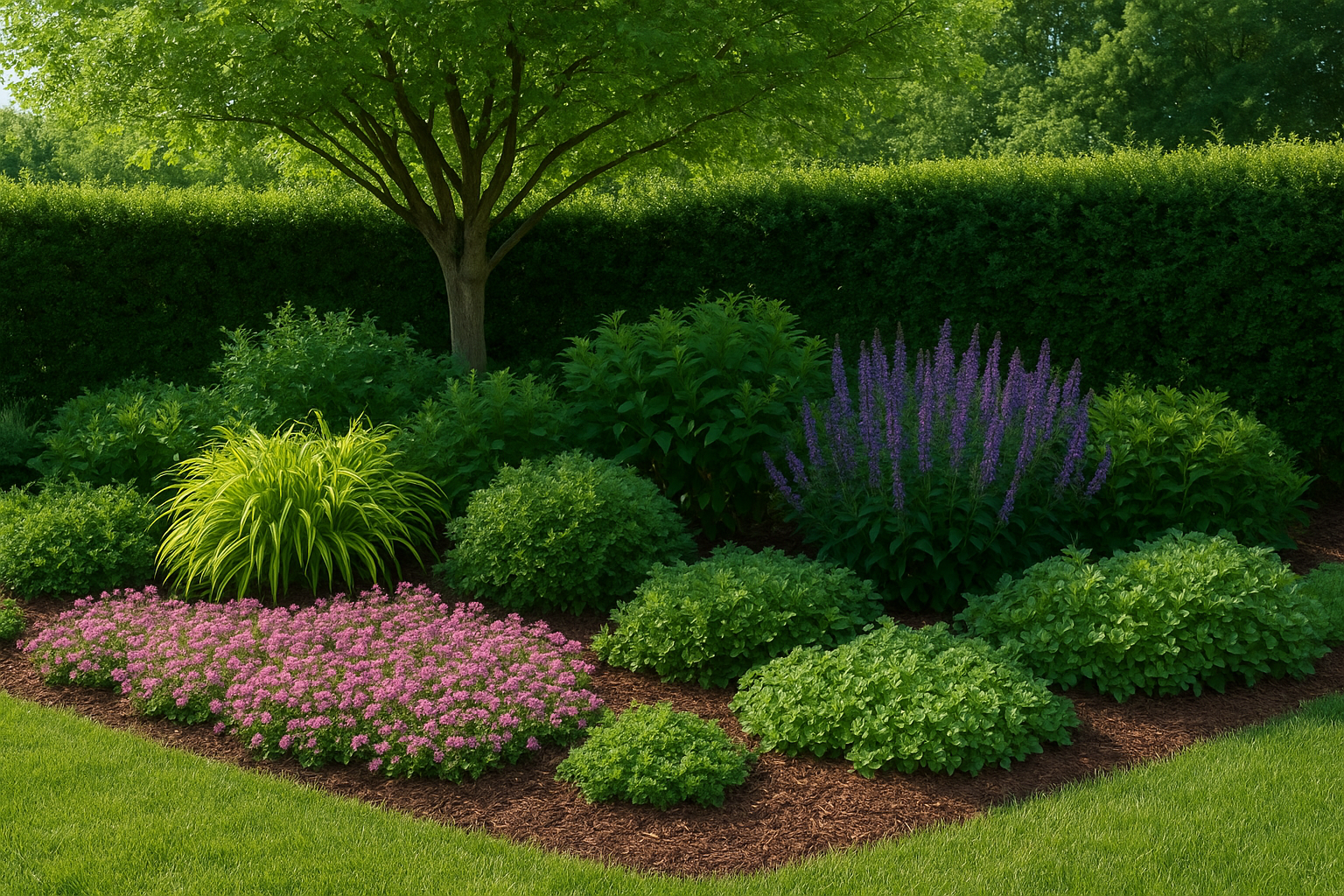
Good layering rewards the viewer from every angle, not just straight ahead.
Use spacing that prevents overcrowding in humidity
Malaysia's humid climate accelerates plant growth, so give each layer more breathing room than the nursery tag suggests. Crowded planting traps moisture against stems, which promotes fungal disease and makes the garden look tangled within a single season.
Plan maintenance access so the garden stays workable
Leave a gap of at least 60 centimeters behind your front layer so you can reach into the border comfortably. Regular access to the back rows makes pruning and feeding practical rather than a frustrating exercise.
9. Use texture, contrast, and color for year-round interest
Texture, contrast, and color are the finishing layer of garden design principles that keep your outdoor space visually engaging beyond the first week of planting. When you combine leaf shapes, surface finishes, and color thoughtfully, the garden rewards a second and third look rather than fading into the background.
Combine leaf shapes and finishes for lasting appeal
Pair bold, broad leaves like elephant ear or bird of paradise with fine-textured grasses or ferns to create visual contrast that works even when nothing is in flower. Mixing matte and glossy leaf surfaces adds depth that changes with light throughout the day.
Use contrast without turning the garden chaotic
Contrast works best when you limit it to two or three opposing pairs per planting zone, such as fine versus coarse texture, or light versus dark foliage. Introduce each contrast gradually so the transition feels intentional, not accidental.
Strong contrast reads clearly from a distance; subtle texture rewards close inspection up close.
Choose a color strategy that suits your style
Pick either a monochromatic palette for a calm, sophisticated look or a complementary palette using two colors opposite each other on the color wheel. Stick with your chosen strategy across the whole garden so every zone feels connected to the wider composition.
Plan for tropical flowering cycles and evergreen structure
Most flowering plants in Malaysia bloom in short, intense bursts rather than over an extended season. Build your planting scheme around evergreen foliage as the constant, then let flowering plants rotate through as seasonal highlights rather than the backbone of your design.
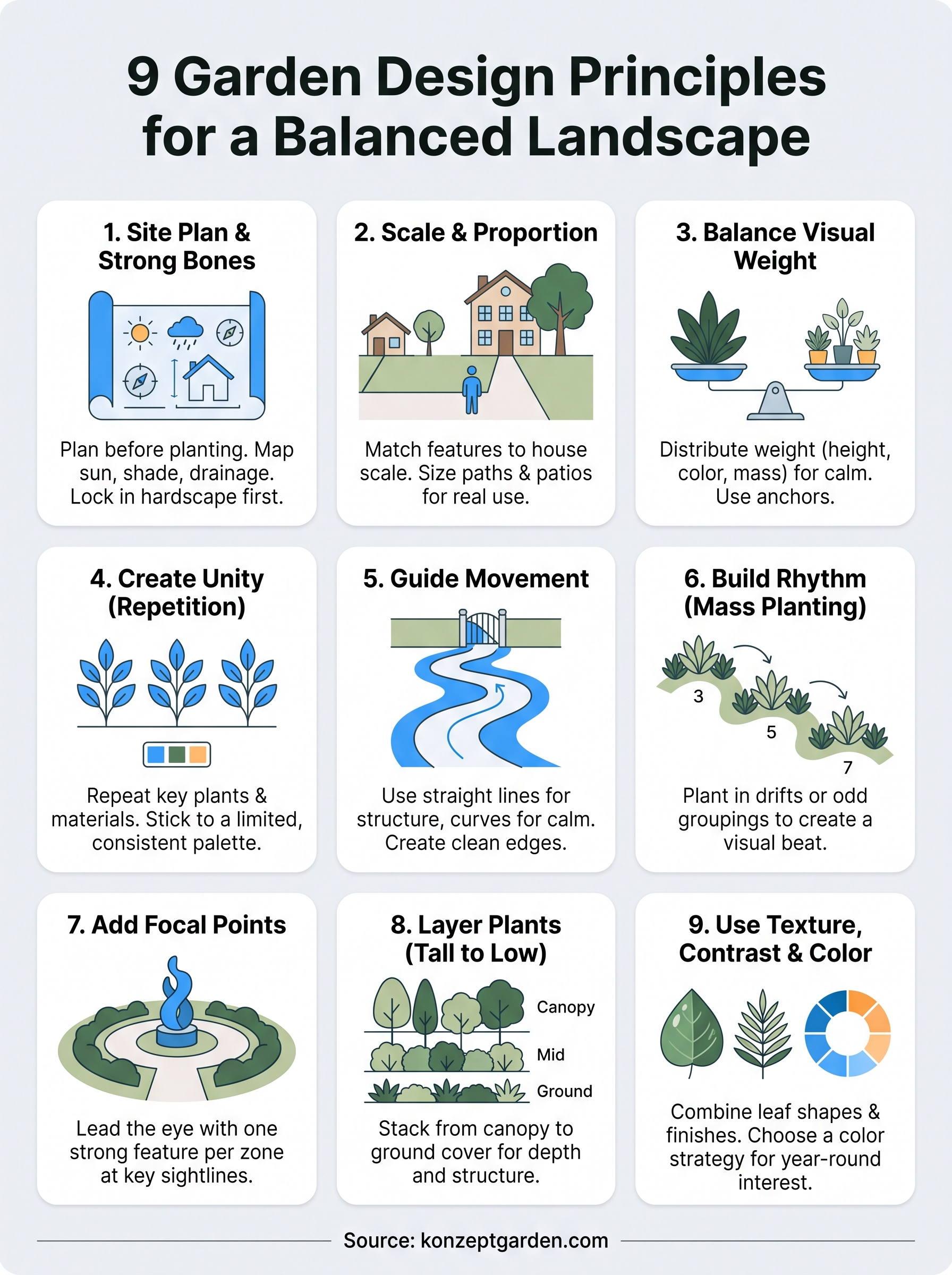
Put these principles into a simple plan
These nine garden design principles work together as a system, not a checklist. Start with your site plan and hardscape layout, then layer in scale, balance, unity, and rhythm as your planting takes shape. Getting the foundations right early saves you from expensive corrections later, since every principle builds directly on the one before it.
You don't need to apply every principle at once. Pick the two or three that address your biggest current problems, whether that's poor proportion, a lack of focal points, or planting that feels flat, and work from there. Small, deliberate changes compound quickly in a garden, and momentum builds once the structure starts clicking into place.
If your project involves complex site conditions or you want professional guidance from the start, talk to the Konzept Garden team for a consultation. We've helped homeowners and developers across Malaysia turn underused outdoor spaces into landscapes that genuinely work.