
Landscape design is the art and science of arranging outdoor spaces to make them beautiful, functional, and sustainable. It goes beyond simply planting flowers or mowing grass. A well-planned landscape combines plants, hardscapes like patios and pathways, and features such as ponds or seating areas to create an outdoor environment that fits your lifestyle. Whether you want a quiet retreat for morning coffee or an entertainment space for gatherings, landscape design transforms raw outdoor areas into purposeful extensions of your home.
This guide breaks down everything you need to know about landscape design. You'll discover why it matters for your property, learn the foundational principles that make designs work, explore different types and styles, and understand the real benefits of investing in professional planning. By the end, you'll have practical knowledge to start your own project or work confidently with a designer to bring your vision to life.
Why landscape design matters
Understanding what is landscape design helps you see why it's more than decoration. Your outdoor space affects daily life in tangible ways. Poor planning leads to drainage problems, wasted square footage, and plants that die within months. Strategic design solves these issues while creating spaces you'll actually use. The difference between throwing together random elements and following proven principles shows immediately in both appearance and function.
Property value and curb appeal
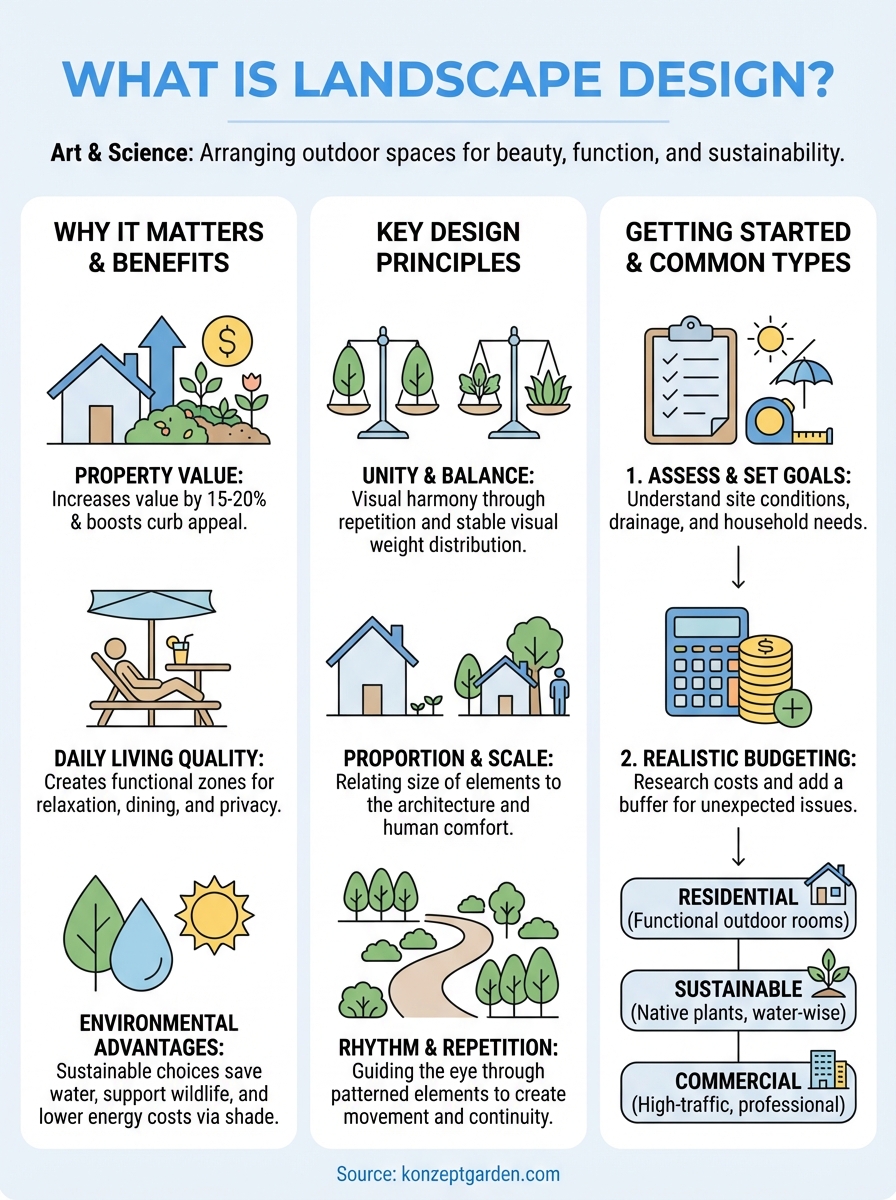
Your home's exterior creates first impressions for visitors and potential buyers. Professional landscape design increases property values by 15 to 20 percent according to real estate studies. Buyers pay premium prices for homes with established gardens, functional outdoor rooms, and well-maintained features. Mature plantings and quality hardscaping signal that a property has been cared for properly. This investment returns dividends when you sell, but you benefit from the improved aesthetics every single day you live there.
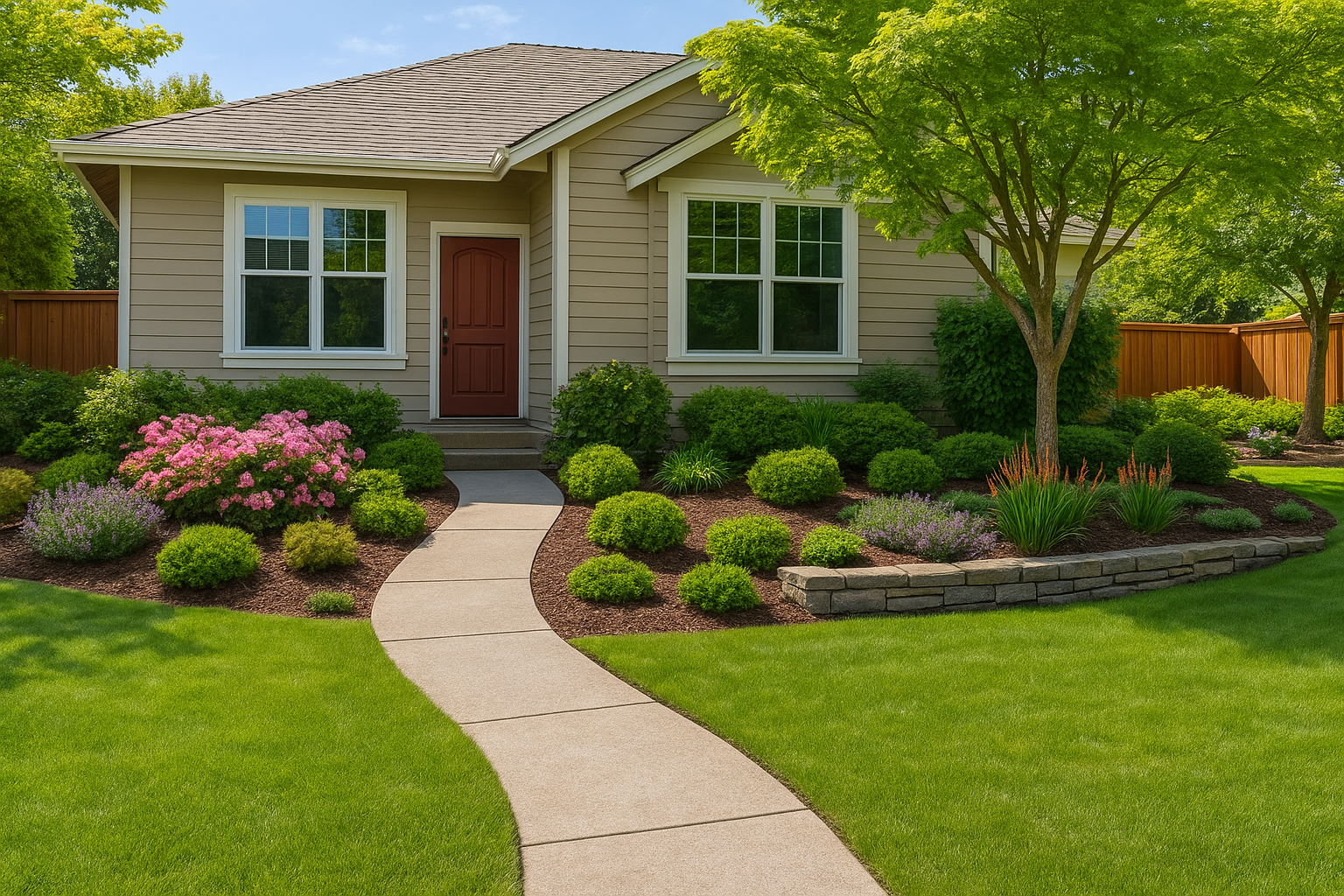
Well-executed landscape design turns unusable yard space into functional outdoor rooms that expand your living area.
Daily living quality
Your garden affects how you experience your home. Thoughtful design gives you shade on hot afternoons, privacy from neighbors, and places to relax or entertain guests. It reduces lawn maintenance time when you choose the right plants for your climate and soil conditions. Smart layouts keep children's play areas visible from kitchen windows while separating noisy spaces from quiet retreats. These practical benefits make landscape design worth considering for any property owner who wants more from their outdoor space.
How to start with landscape design
Starting your landscape project requires practical groundwork before you touch a single plant or paver. Successful projects begin with honest assessments of your property's conditions and your household's needs. You need to understand what is landscape design in the context of your specific space, not just general concepts. This means walking your property at different times of day, noting where water pools after rain, identifying sunny and shaded areas, and observing how your family actually uses outdoor spaces. Skip this observation phase and you'll likely waste money on features nobody uses or plants that struggle in poor conditions.
Assess your space and goals
Your property has unique characteristics that shape design possibilities. Measure your yard dimensions and note existing features like mature trees, slopes, or utility boxes you must work around. Take photos from multiple angles to reference later. Document practical issues such as poor drainage, eroded areas, or spots where grass refuses to grow. These problem zones often become focal points for creative solutions in your final design.
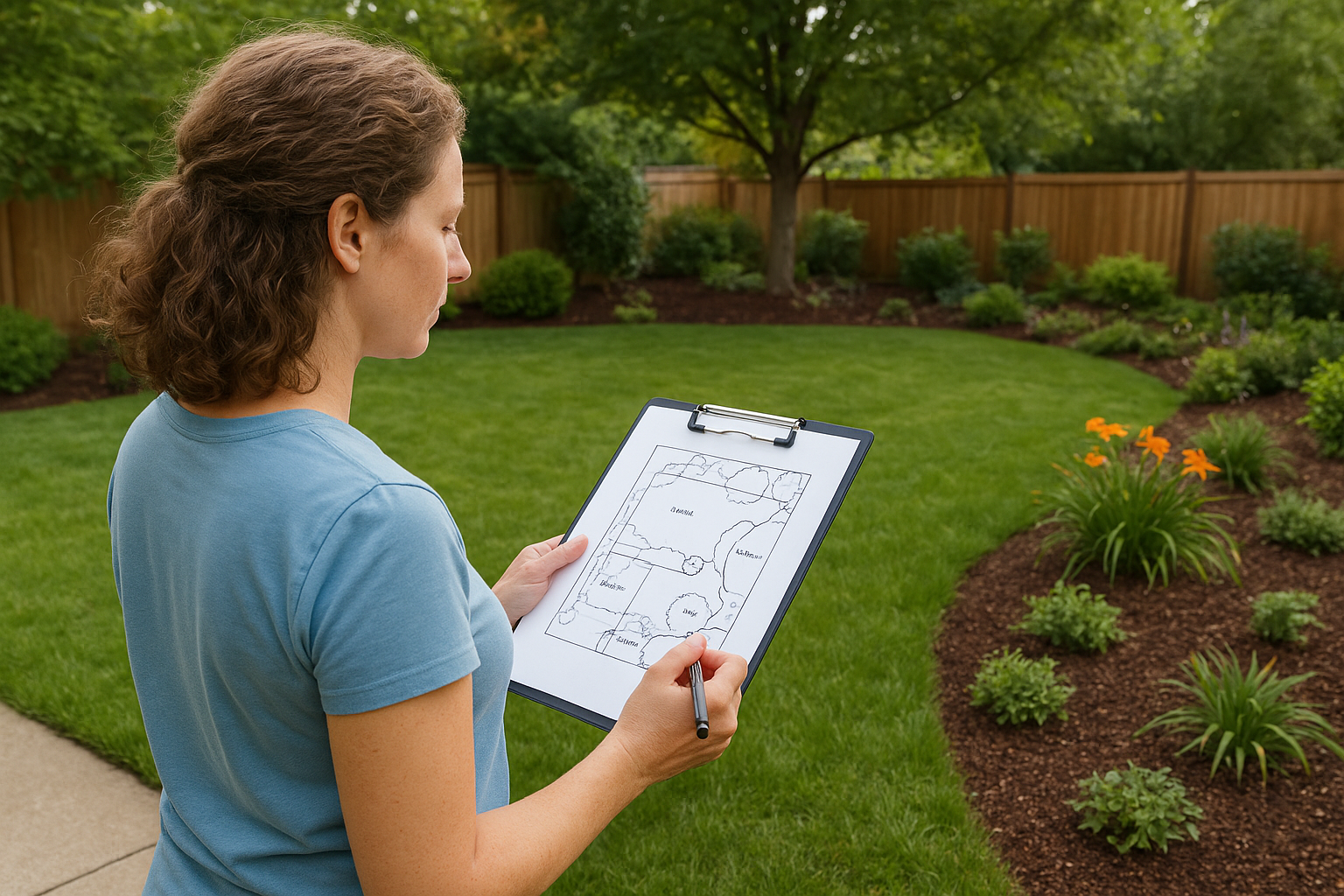
List what you want from your outdoor space in order of priority. Maybe you need privacy screening from neighbors, a play area for children, or space for vegetable gardening. Write down specific activities: outdoor dining, morning yoga, container gardening, or entertaining groups. Your priorities guide every design decision that follows.
Understanding your space's limitations and your household's actual needs prevents expensive mistakes and creates designs you'll use daily.
Set a realistic budget
Landscape projects vary dramatically in cost depending on scope and materials. Basic softscaping with plants and mulch costs less than extensive hardscaping with stone patios or water features. Research typical costs for elements you want, then add 15 to 20 percent as a buffer for unexpected issues. Many homeowners phase projects over several years, starting with essential elements like drainage solutions or privacy plantings before adding entertainment features. This approach spreads costs while letting you learn what works before committing to permanent structures.
Key principles of landscape design
Learning the foundational principles helps you make decisions that create cohesive outdoor spaces. These guidelines work together to transform collections of plants and materials into unified designs. Professional designers apply these principles instinctively after years of practice, but understanding what is landscape design principles mean for your project puts you in control when planning or evaluating proposals. Each principle addresses a specific aspect of how humans perceive and interact with outdoor environments.
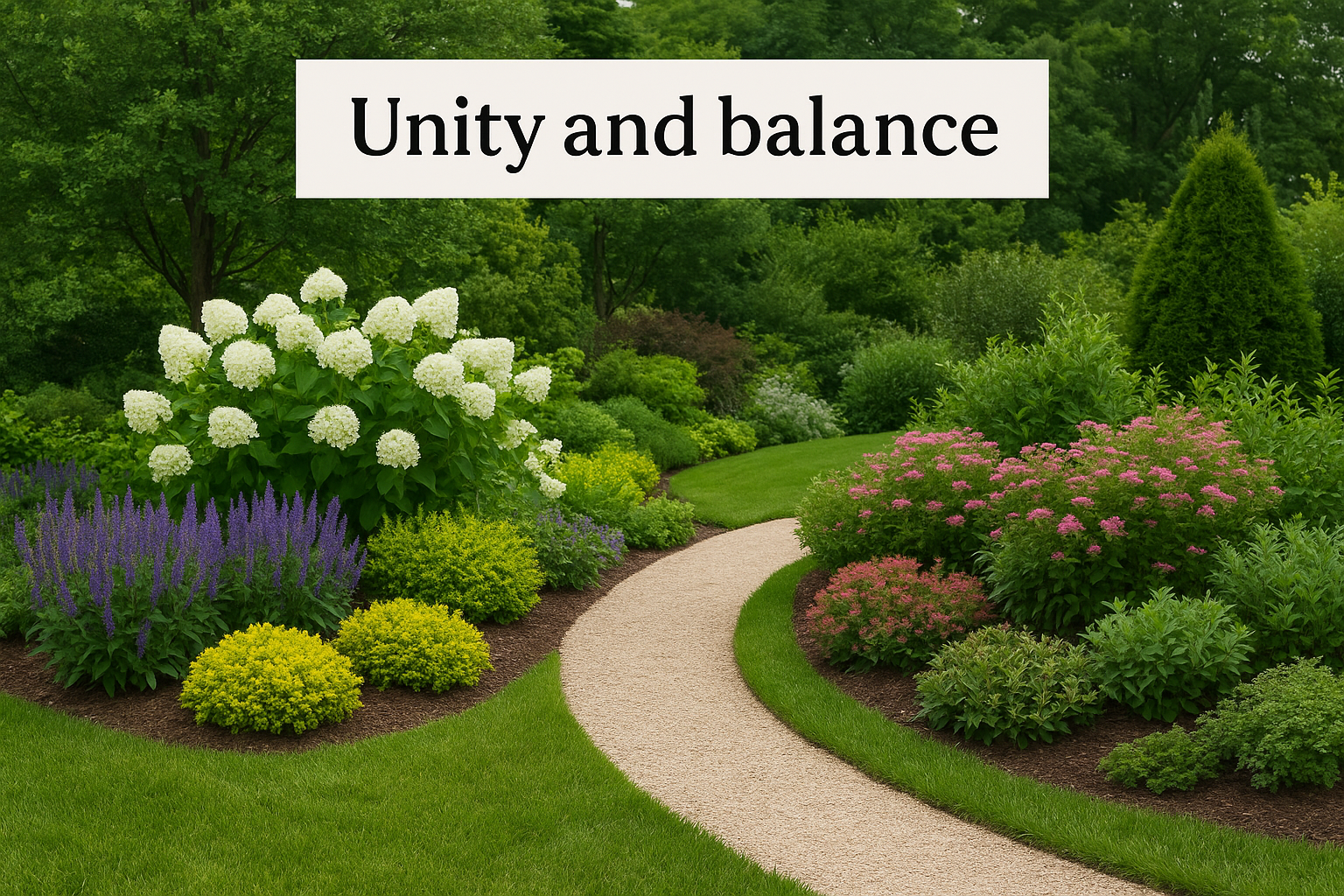
Unity and balance
Your landscape needs visual harmony where all elements feel like parts of a whole. Unity comes from repeating colors, textures, or shapes throughout your design so nothing looks randomly placed. Choose three to five plant varieties and use them in groupings of odd numbers (three, five, or seven) across different garden beds rather than scattering single specimens everywhere. Balance determines how weight distributes across your space. Symmetrical balance mirrors elements on both sides of a central axis, creating formal looks suited to traditional architecture. Asymmetrical balance uses different elements of equal visual weight on each side, producing relaxed, natural feels appropriate for casual gardens.
Proportion and scale
The size relationships between elements determine whether your landscape feels right. Proportion compares one feature to another, ensuring small patios don't disappear next to large houses or massive boulders don't overwhelm tiny courtyards. Use the house as your baseline: larger homes need bigger trees, wider plant beds, and more substantial hardscape features to look balanced. Scale relates to human size and comfort. Walkways should measure at least 90 to 120 centimeters wide for comfortable passage, while seating areas need enough space for furniture plus circulation room.
Size relationships between plants, structures, and open spaces create landscapes that feel proportionate and comfortable rather than awkward or cramped.
Rhythm and repetition
Movement through your garden happens when you create visual pathways using repeated elements. Rhythm guides the eye from one area to another through patterns like evenly spaced trees along a fence line or alternating plant heights in borders. This principle prevents static, boring layouts while maintaining organization. Repetition reinforces your design themes without creating monotony. Repeat specific plants in different locations, use the same paving material for all pathways, or echo architectural shapes from your house in garden bed layouts. Aim for enough repetition to create continuity but vary placement and combinations to maintain interest as visitors explore your space.
Common types of landscape design
Different landscape styles serve different purposes and aesthetic preferences. Understanding what is landscape design options exist helps you choose approaches that match your property's architecture, climate, and how you plan to use outdoor spaces. Each type has distinct characteristics that affect plant choices, materials, maintenance requirements, and overall feel. Your selection depends on practical factors like available space, budget, and time you can dedicate to upkeep alongside personal taste and lifestyle needs.
Residential garden landscapes
Home landscapes focus on creating functional outdoor living areas for families. Traditional residential designs typically include front yards with foundation plantings and lawns, while backyards feature entertainment spaces like patios, play areas, and privacy plantings. These landscapes prioritize usability over formality, with designated zones for different activities. Modern residential approaches often reduce lawn areas in favor of outdoor rooms with defined purposes such as dining terraces, fire pit gathering spots, or container gardens. You might incorporate vegetable gardens, pet-friendly areas, or low-maintenance xeriscaping depending on your household's specific needs and regional climate conditions.
Commercial and public spaces
Businesses and public facilities require landscapes that accommodate higher traffic while projecting professional images. Commercial properties use landscape design to enhance brand identity, direct foot traffic, and provide pleasant environments for customers and employees. These projects often feature durable hardscaping, seasonal color displays, and strategic lighting for safety and aesthetics. Public landscapes like parks and plazas serve broader community needs with features including playgrounds, walking paths, and gathering spaces designed for heavy use and minimal maintenance.
Sustainable and ecological designs
Environmental considerations drive this landscape category increasingly popular across Malaysia and Southeast Asia. Sustainable designs emphasize native plants adapted to local rainfall patterns, reducing irrigation needs and supporting regional wildlife. These landscapes often incorporate rain gardens that manage stormwater runoff naturally, permeable paving that allows water infiltration, and composting systems that recycle organic waste on-site. Ecological approaches create habitats for butterflies, birds, and beneficial insects while eliminating chemical pesticides and synthetic fertilizers.
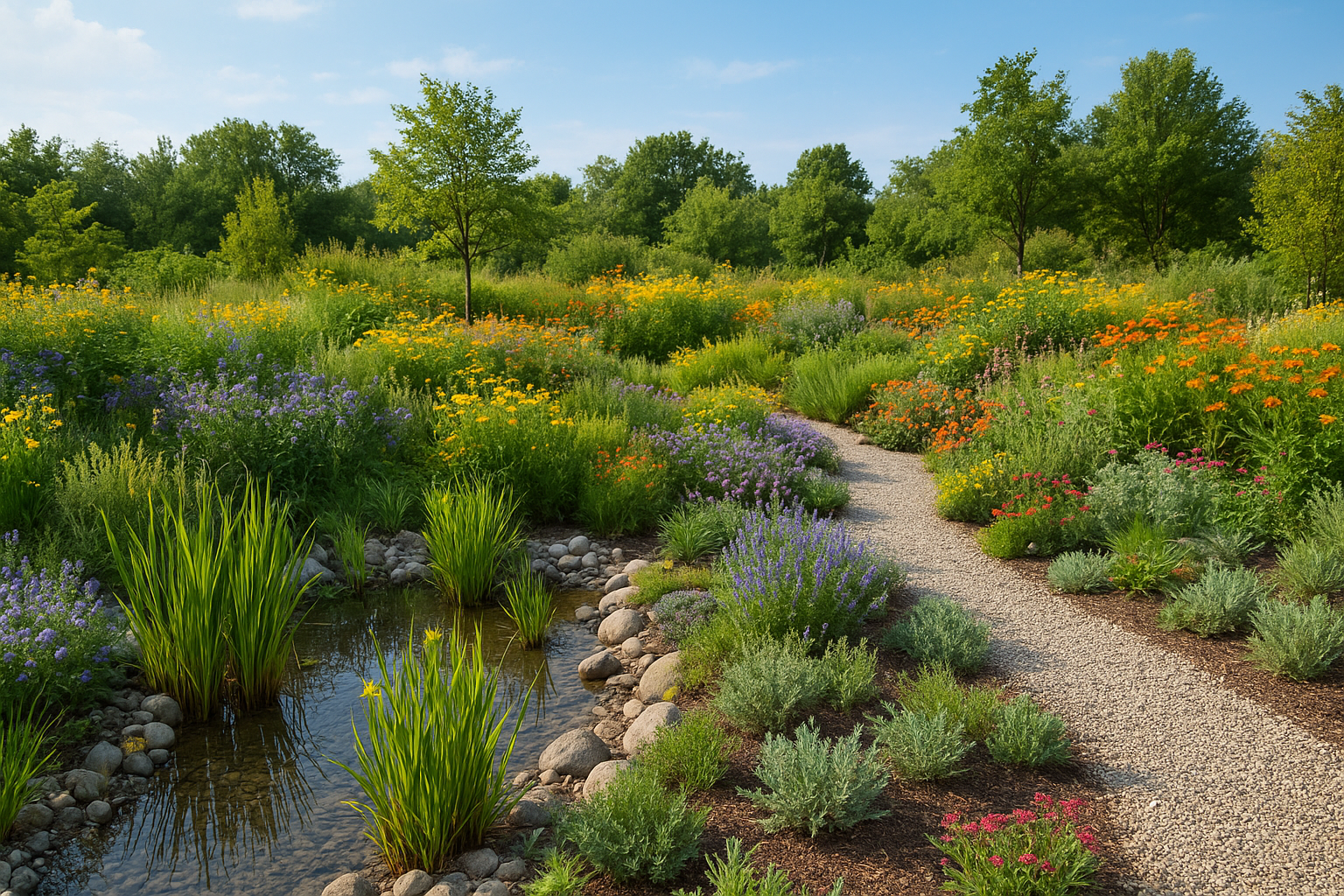
Choosing landscape types aligned with your climate and maintenance capacity creates outdoor spaces that thrive with less effort and environmental impact.
Benefits of thoughtful landscape design
Professional landscape planning delivers measurable returns that extend beyond aesthetics. When you understand what is landscape design offers in practical terms, the investment becomes clearer. Your property gains financial value while your daily living experience improves through better outdoor functionality. Environmental benefits add another layer of value by reducing resource consumption and creating healthier surroundings. These combined advantages make landscape design one of the most worthwhile home improvements you can undertake.
Financial returns and property value
Properties with professionally designed landscapes sell faster and command higher prices than comparable homes with neglected yards. Real estate data consistently shows that quality landscaping increases home values by 15 to 20 percent, offering returns that exceed most interior renovations. Buyers recognize the cost and effort required to establish mature gardens, making them willing to pay premiums for move-in-ready outdoor spaces. Mature trees alone can add thousands to your property's worth while providing immediate enjoyment rather than requiring years to grow.
Environmental and practical advantages
Strategic plant placement reduces energy costs by shading walls and windows during hot months, cutting air conditioning expenses by up to 25 percent. Native plantings require less water than exotic species while supporting local wildlife like butterflies and birds. Proper grading and drainage solutions prevent water damage to foundations and eliminate standing water that breeds mosquitoes. Permeable surfaces in your design allow rainwater to recharge groundwater naturally rather than overwhelming storm drains during heavy downpours common in Malaysia's tropical climate.
Well-designed landscapes reduce maintenance time and costs while creating healthier environments for your family and local ecosystems.
Lifestyle improvements
Your outdoor space becomes an extension of your home that you actually use throughout the year. Functional zones for dining, relaxing, or gardening give you dedicated areas for specific activities without conflicts. Privacy plantings create intimate spaces shielded from neighbors' views, letting you enjoy your yard without feeling exposed. Children gain safe play areas visible from indoor living spaces, while adults benefit from quiet retreats for morning coffee or evening relaxation.
Next steps for your garden
You now understand what is landscape design involves and how its principles create functional, beautiful outdoor spaces. Start by walking your property with fresh eyes, noting problem areas and opportunities. Measure your yard, photograph existing conditions, and list your priorities based on how you want to use the space. These initial steps prepare you for conversations with professionals who can transform your vision into reality.
Working with experienced designers saves time and prevents costly mistakes that arise from trial and error. Professional landscape architects bring expertise in plant selection, material durability, and spatial planning that ensures your investment delivers lasting value. If you're ready to create an outdoor space that enhances your Malaysian property's beauty and functionality, explore professional landscape design services that turn concepts into award-winning gardens you'll enjoy for years.