
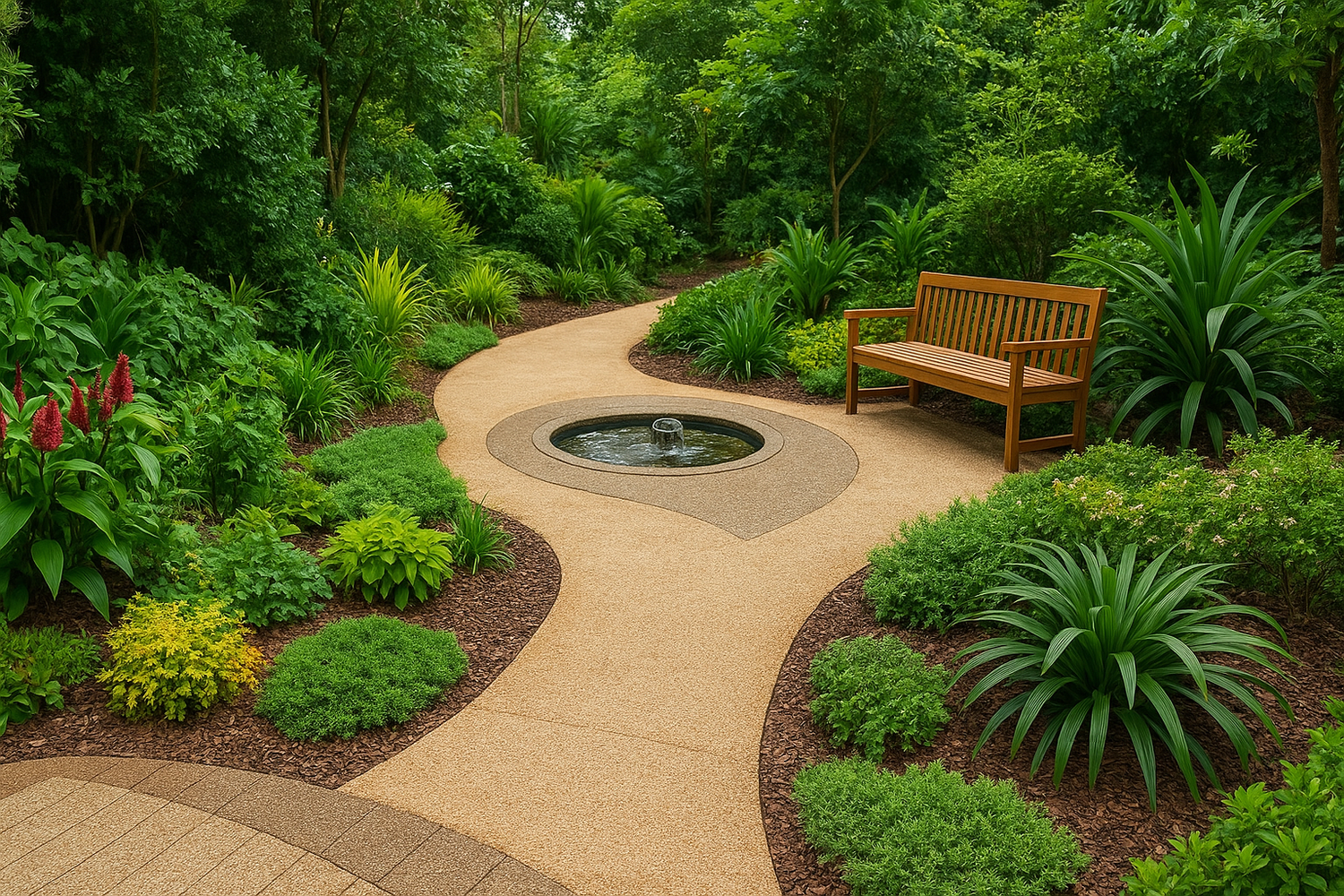
A garden that smells like rain-soaked jasmine, sounds like rustling bamboo, and feels like cool moss underfoot, that's what sensory garden design ideas bring to life. These gardens go beyond visual appeal. They engage all five senses through deliberate plant choices, textured materials, water features, and fragrant blooms. Whether you're designing a therapeutic retreat for a loved one with autism, a play space where kids can explore nature hands-on, or simply a backyard that feels alive, sensory gardens offer something most outdoor spaces don't: a full-body experience.
At Konzept Garden, we design and build gardens across Malaysia that do more than look good, they create a connection between people and nature. Sensory gardens are one of our favorite projects because they demand both botanical knowledge and creative design thinking. They push us to consider how a space feels, sounds, and smells, not just how it photographs.
This guide walks you through practical design strategies, plant recommendations suited to Malaysia's tropical climate, and feature ideas you can actually implement, from textured pathways to sound-producing elements. You'll leave with a clear picture of how to plan a sensory garden that works for your space, your budget, and the people who'll use it most.
What a sensory garden is and who it helps
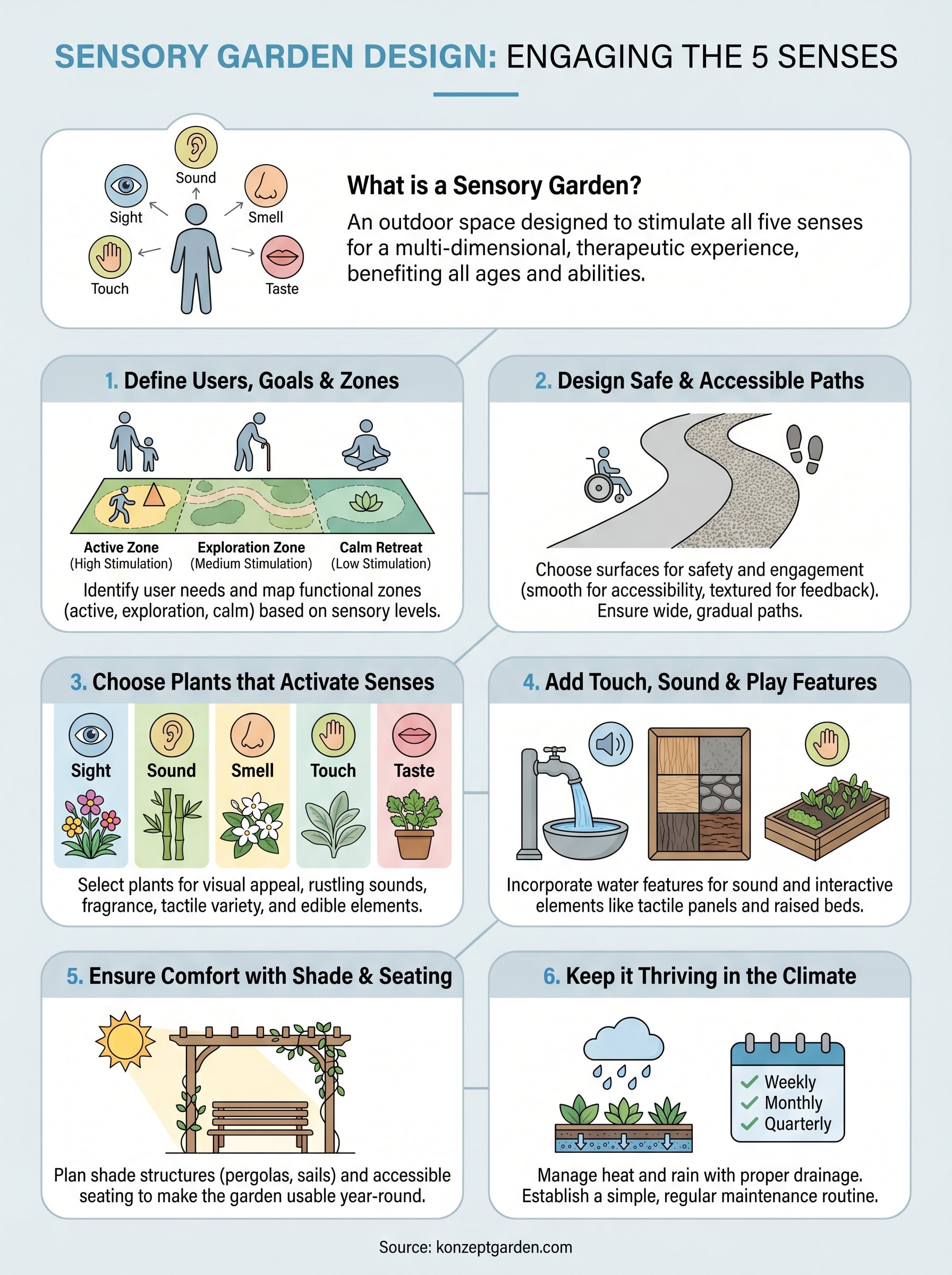
A sensory garden is an outdoor space deliberately designed to stimulate all five senses: sight, sound, smell, touch, and taste. Unlike a traditional garden that focuses mainly on visual appeal, a sensory garden layers different plants, materials, and features to create a multi-dimensional experience. You walk through it, and your whole body responds. The rustling of ornamental grasses, the scent of lemongrass underfoot, the roughness of a stone path, these are not accidents. Every element serves a purpose tied to how people physically and emotionally experience the space.
A well-designed sensory garden doesn't just look good in a photo; it actively changes how you feel when you're inside it.
The five senses as a design framework
When you approach sensory garden design ideas, treating each sense as its own design category makes planning far more manageable. Sight covers color contrast, movement, and visual rhythm through plants and structures. Sound includes water features, wind-activated plants, and hard materials that produce noise underfoot. Smell draws from fragrant herbs and flowering plants. Touch comes from varied textures across paving, foliage, and furniture. Taste rounds it out with edible plants integrated directly into the layout.
Here's a quick reference for how each sense maps to garden elements:
| Sense | Garden Element Examples |
|---|---|
| Sight | Colorful foliage, flowering plants, light and shadow contrast |
| Sound | Water features, bamboo, wind chimes, gravel paths |
| Smell | Fragrant herbs, jasmine, frangipani, pandan |
| Touch | Smooth stones, rough bark, soft grass, textured walls |
| Taste | Edible herbs, fruit trees, raised vegetable beds |
Who benefits most from sensory gardens
Children are one of the most natural audiences for a sensory garden. They learn through physical exploration, and a well-planned outdoor space gives them a structured, safe environment to touch, smell, and discover independently. Schools and childcare centers in Malaysia are increasingly incorporating sensory garden elements into their outdoor areas for this reason.
People with autism spectrum disorder (ASD) or sensory processing differences also benefit significantly. Research from occupational therapy supports the idea that controlled sensory environments help reduce anxiety and sharpen focus. A sensory garden doesn't overwhelm; it offers choice. You can design quiet corners for calm alongside more stimulating zones for active engagement, giving each visitor direct control over their experience.
Older adults and people recovering from illness also respond well to these spaces. In Malaysia's dense urban environment, access to natural, multi-sensory outdoor areas is limited, which makes a private garden built around these principles especially valuable for long-term wellbeing. Sensory gardens are not a niche concept. They serve a broad range of people across different ages, abilities, and needs.
Step 1. Define your users, goals, and garden zones
Before you pick a single plant or lay one stone, you need to know who this garden is for and what you want it to do. Skipping this step leads to a sensory garden that looks good on paper but doesn't serve the people using it. A garden built for a child with ASD has very different needs than one designed for elderly residents or a mixed-age family.
Identify your primary users and their needs
Start by listing everyone who will regularly use the space. For each person or group, note their specific sensory preferences and sensitivities. A child who finds loud sounds distressing needs a quieter layout with soft planting buffers. An older adult with limited mobility needs smooth, wide paths and seating placed at regular intervals. Write this down as a simple user profile before you move further.
The more specific you are about your users upfront, the fewer costly changes you'll make during construction.
- Child with ASD: low stimulation zones, predictable paths, avoid strong synthetic scents
- Elderly users: non-slip surfaces, raised beds at accessible height, shade near seating
- General family use: mix of active play areas and calm retreat corners
Map your garden into clear zones
Once you know your users, divide your outdoor space into functional zones based on the level of sensory stimulation each area provides. A good layout for most sensory garden design ideas includes at least three zones, giving each visitor control over their experience.
| Zone | Stimulation Level | Key Features |
|---|---|---|
| Active zone | High | Water feature, gravel paths, movement plants |
| Exploration zone | Medium | Fragrant herbs, textured beds, edible plants |
| Calm retreat | Low | Shade structure, smooth seating, soft ground cover |
In Malaysia's climate, positioning your calm retreat zone away from the afternoon sun makes it far more usable throughout the year.
Step 2. Design paths that feel safe and easy to use
Paths do more than connect two points in a garden. In sensory garden design ideas, paths are an experience in themselves: the surface material, the width, and the route all communicate to users whether the space feels safe and welcoming. Get this wrong, and the best plant choices in the world won't matter if the person using the garden feels unstable or anxious about where they're walking.
Choose the right surface materials
Surface texture and material directly affect both physical safety and sensory feedback underfoot. Smooth, non-slip surfaces suit users with mobility challenges or those who feel easily overwhelmed. Rough gravel or stepping stones add contrast and tactile interest for users who respond well to varied sensation. In Malaysia's wet climate, porous materials that drain quickly and resist algae buildup should be your default choice for all path areas.
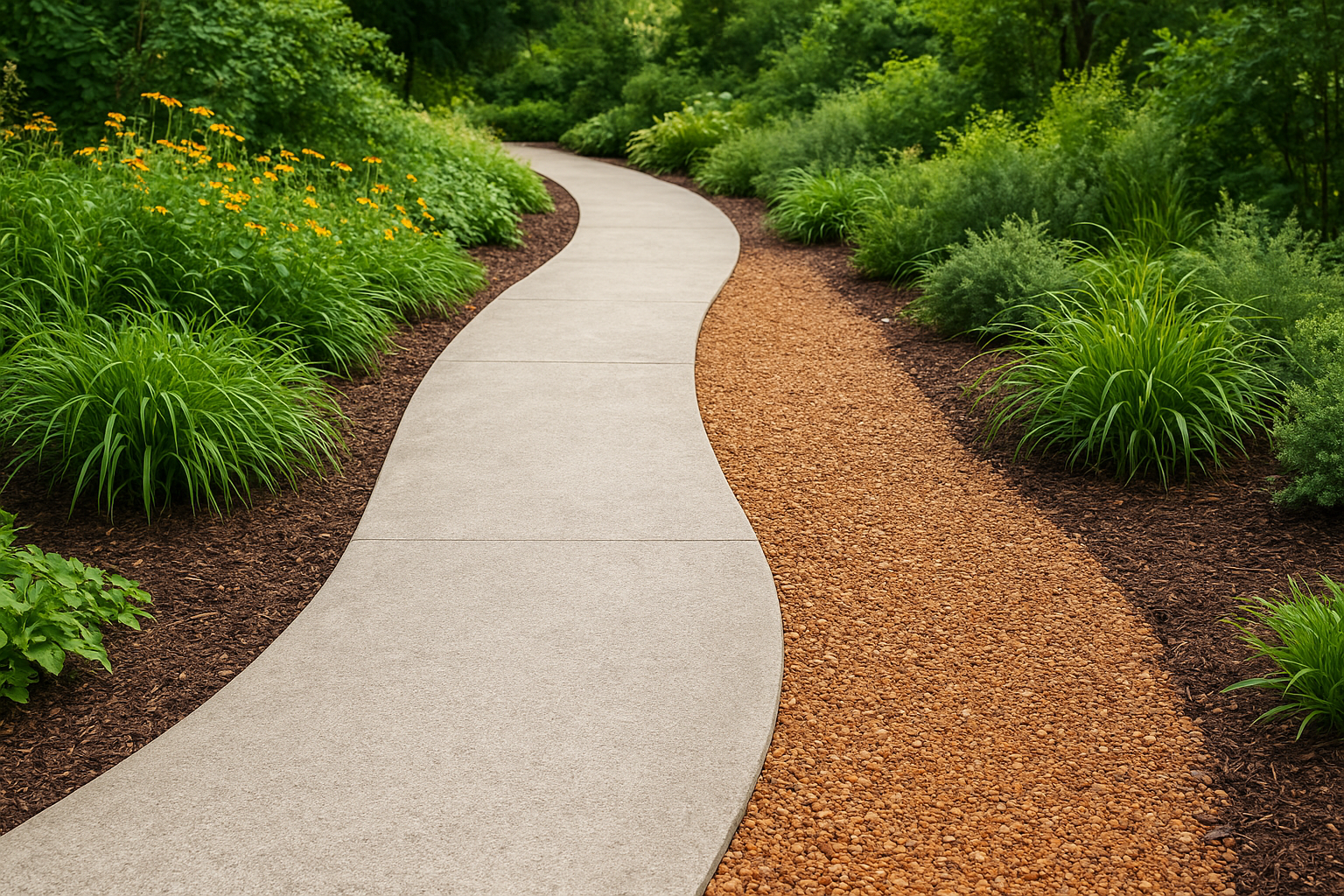
The path surface is the first tactile experience your garden gives to anyone who enters it, so choose materials that match your users' needs before you choose anything else.
Here's a practical reference for matching surface materials to user needs:
| Surface Material | Best For | Avoid If |
|---|---|---|
| Brushed concrete | Elderly users, wheelchair access | High sensory seeking users |
| Gravel (compacted) | Tactile stimulation, sound underfoot | Mobility aids, bare feet |
| Smooth stepping stones | Mixed-use gardens | Users with balance difficulties |
| Rubber mulch | Children's play areas | Formal garden aesthetics |
Set path width and layout rules
Path width directly affects how safe and usable your garden feels. A minimum of 1.2 meters accommodates wheelchairs and allows two people to walk side by side. Avoid sharp corners; gradual curves reduce disorientation and make it easier for users with ASD to predict what comes next. In active zones, keep paths wide. In calm retreat areas, narrower paths lined with soft-textured plants create a sense of enclosure that many users find comforting.
Step 3. Choose plants that activate the five senses
Plant selection is where your sensory garden design ideas become tangible. Every plant you choose should earn its place by contributing to at least one sense, ideally more. In Malaysia's tropical climate, you have access to a genuinely wide range of aromatic herbs, textured foliage, and edible plants that perform year-round without the cold-season gaps that affect gardens in temperate regions.
Don't chase variety for its own sake. A smaller selection of plants that each serve a clear sensory purpose beats a crowded bed where nothing stands out.
Plants for smell and taste
Fragrant and edible plants often overlap, making them highly efficient choices for compact garden zones. Position them along paths and near seating where people brush against the leaves and naturally release the scent.
Here are reliable choices suited to Malaysia's climate:
| Plant | Sense | Placement Tip |
|---|---|---|
| Pandan (Pandanus amaryllifolius) | Smell, taste | Ground-level border, path edges |
| Lemongrass (Cymbopogon citratus) | Smell, touch | Mid-border, releases scent when touched |
| Jasmine (Jasminum sambac) | Smell | Near seating and entry points |
| Frangipani (Plumeria) | Smell, sight | Specimen tree, focal point |
| Curry leaf (Murraya koenigii) | Smell, taste | Raised bed or container near kitchen |
Plants for touch, sound, and sight
Textural contrast and movement are what separate a sensory garden from a standard planted bed. Bamboo produces sound when wind moves through it. Soft lamb's ear-type ground covers invite touch. Bold-leafed tropicals like Elephant Ear (Alocasia) or Heliconia create dramatic visual rhythm alongside finer-textured plants.
Mix plant heights deliberately. Place low-growing textured ground covers at the front of beds where hands can reach them easily, mid-height fragrant shrubs in the middle, and taller movement plants like bamboo or ornamental grasses at the back. This layered structure keeps each sensory element accessible and visually balanced.
Step 4. Add features that invite touch, sound, and play
Plants carry most of the sensory load in a garden, but built features fill the gaps that planting alone cannot. Water, interactive structures, and tactile surfaces bring another dimension to your sensory garden design ideas, especially for children or users who seek more active engagement. These features work best when you position them in your active and exploration zones, away from the quiet retreat area where low stimulation is the priority.
Water features and sound elements
Moving water is the single most effective sound element you can add to a sensory garden. A small wall-mounted spout, a recirculating stream, or a shallow basin all produce consistent, calming sound without overwhelming the space. In Malaysia's humidity, water features also cool the surrounding air slightly, making nearby seating more comfortable during afternoon heat.
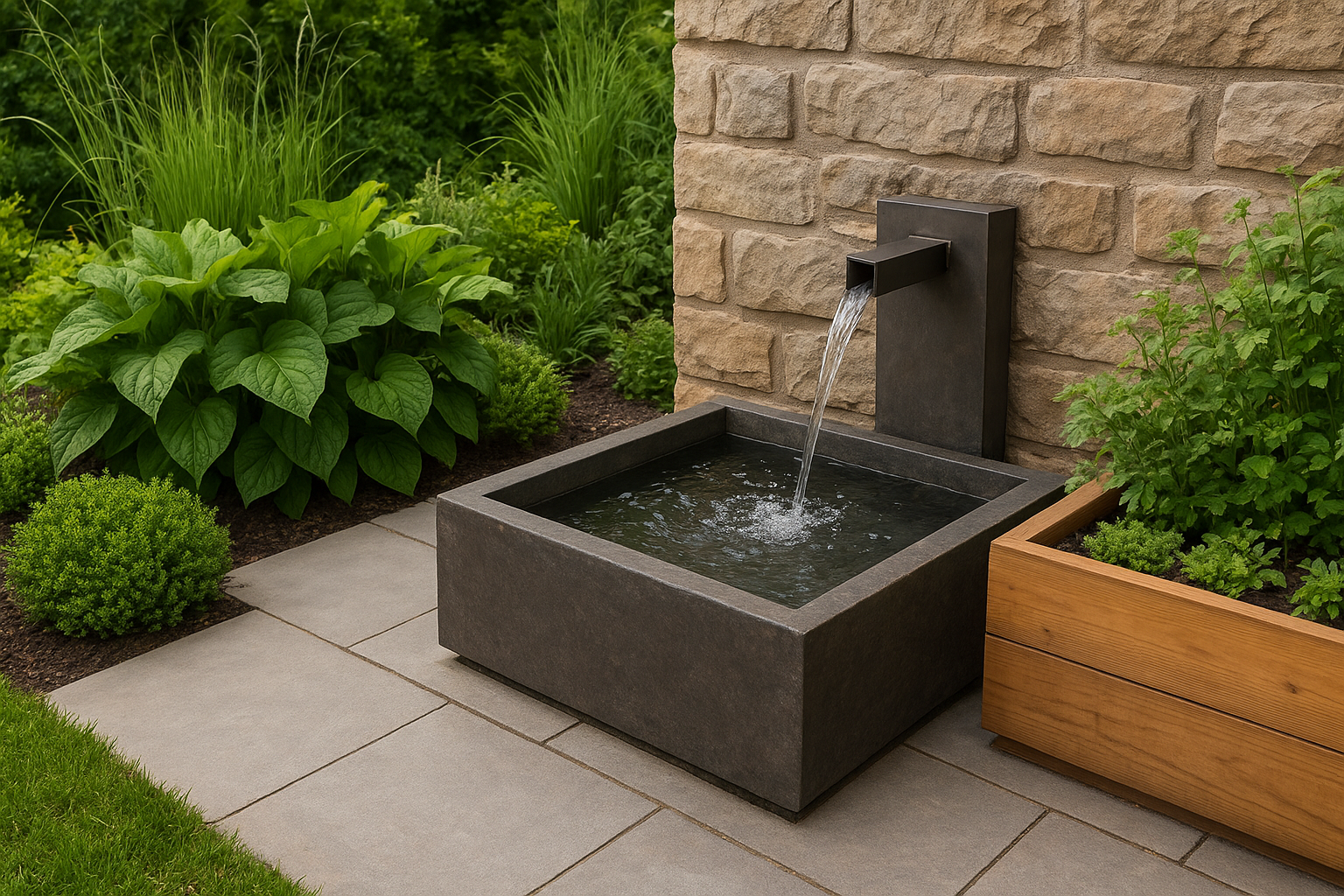
Place your water feature where prevailing breezes carry the sound toward your main seating area, not away from it.
| Water Feature Type | Best Use | Key Consideration |
|---|---|---|
| Wall-mounted spout | Small urban gardens | Requires pump and drainage |
| Recirculating stream | Larger zones | Needs regular cleaning in humid climate |
| Shallow basin | Child-friendly areas | Keep depth under 15 cm for safety |
| Bamboo water chute | Naturalistic gardens | Requires hardwood-grade bamboo to resist rot |
Touch and play structures
Tactile play panels and raised sensory beds give younger users a direct, hands-on way to interact with the garden. A tactile panel mounted at child height can include different bark textures, smooth river stones, and pebble mosaics arranged side by side. These panels cost far less than large installations and deliver immediate sensory feedback every time a child runs their hands across them.
Raised beds at 60 to 80 cm height serve a dual purpose: they make planting accessible to wheelchair users and bring fragrant, textured plants within easy reach for children and adults who may not want to kneel on the ground.
Step 5. Make it comfortable with shade, seating, and shelter
No matter how well you execute your sensory garden design ideas, people won't stay in the space if it's too hot, too exposed, or too uncomfortable to sit in. In Malaysia, afternoon temperatures regularly exceed 33°C, and direct sun turns an otherwise beautiful garden into a space people avoid after 10 a.m. Comfort is not an afterthought; it's what keeps your garden in regular use rather than something people glance at from inside the house.
Plan your shade structures first
Shade placement determines when your garden is actually usable, so design it before you finalize your seating layout. A pergola with a climbing plant cover, a shade sail, or a solid timber roof structure all reduce direct sun effectively. In Malaysia, your west-facing areas take the harshest afternoon sun, so prioritize shade there first before addressing other parts of the space.
Shade structures also act as acoustic buffers and visual anchors, giving the garden a defined sense of enclosure that many sensory garden users find calming.
| Shade Structure | Best For | Notes |
|---|---|---|
| Timber pergola + climbers | Natural aesthetic, fragrance layer | Allow 3-6 months for plant coverage |
| Shade sail | Budget-conscious installs | Replace every 3-5 years in tropical UV |
| Solid timber roof | Year-round shelter from rain | Higher cost, most durable option |
Choose seating that works for every user
Seating height and material affect how long people stay and how accessible the garden feels. Benches set at 45 to 50 cm seat height suit most adults and older children without requiring effort to sit down or stand up. For users with limited mobility, add armrests to provide leverage. Avoid metal surfaces that heat up under direct sun; teak, synthetic rattan, or treated hardwood stay cooler and require minimal maintenance in Malaysia's humid conditions. Place at least one seating area within direct reach of your fragrant plant zone so users can engage with smell without moving far from their seat.
Step 6. Keep it thriving in Malaysia's climate
Malaysia's year-round heat and humidity are both an advantage and a challenge for sensory garden design ideas. You have access to tropical plants that perform continuously without seasonal downtime, but the same conditions that drive rapid growth also accelerate rot, algae, and pest pressure. Designing for durability from the start saves you from constant repairs later.
Manage heat, humidity, and heavy rain
Drainage is the single most important structural decision you make in a Malaysian sensory garden. Raised beds with a gravel base layer, sloped hard surfaces, and permeable path materials all prevent waterlogging that rots roots and breeds mosquitoes. Position water-sensitive plants like fragrant herbs on slightly elevated ground or in containers that drain freely after each downpour.
If your garden floods even briefly after heavy rain, fix your drainage before you add any other features, because no plant selection will compensate for standing water.
| Common Problem | Cause | Fix |
|---|---|---|
| Root rot in beds | Poor drainage | Add 10 cm gravel base layer |
| Algae on paths | Shade + moisture | Use anti-slip textured concrete |
| Mosquito breeding | Stagnant water | Keep water features circulating 24/7 |
| Rapid plant overgrowth | Heat + humidity | Prune every 4 to 6 weeks |
Build a simple maintenance routine
A written monthly schedule keeps your sensory garden functional without turning maintenance into a burden. Split tasks by frequency: weekly checks cover watering, debris removal, and pest spotting; monthly tasks cover pruning, fertilizing, and path cleaning; quarterly tasks cover structural inspections of water features, shade structures, and raised beds.
Follow this basic template to get started:
- Weekly: Water containers, remove fallen leaves, check water feature pump
- Monthly: Prune fragrant herbs, fertilize edible plants, clean path surfaces
- Quarterly: Inspect pergola or shade structure, flush water feature, replace worn mulch
Keeping this routine short but consistent is what separates a sensory garden that thrives long-term from one that looks good for three months and then fades.
Next Steps
A sensory garden isn't built in a single weekend, but every decision you make using this guide brings you closer to a space that genuinely serves the people who use it. Start with your user profile and zone map from Step 1, then work outward through path design, plant selection, and features. Taking it one phase at a time prevents overwhelm and keeps each build decision connected to your original goals for the space.
Your sensory garden design ideas take on a completely different quality when professional botanical knowledge and design experience sit behind them. At Konzept Garden, we've helped homeowners and developers across Malaysia build outdoor spaces that are both beautiful and functional, from therapeutic retreat gardens to child-focused sensory play areas. Every project starts with a conversation about who the garden is for and what it needs to do. If you're ready to turn your vision into a real design, get in touch with our team for a free consultation and quote.