
Every great garden starts with great soil, and the cheapest way to build it is sitting in your kitchen bin right now. But figuring out what can you compost isn't always straightforward. Toss in the wrong item, and you'll end up with a smelly, slimy mess instead of rich, dark humus.
At Konzept Garden, we design landscapes across Malaysia that thrive long after the last paver is laid. Healthy soil is the foundation of every planting plan we create, and composting is one of the most practical ways our clients maintain that foundation at home. It costs nothing, reduces waste, and gives your garden a steady supply of nutrient-dense organic matter, no chemical fertilizers needed.
This guide breaks down exactly which materials belong in your compost pile, which ones to avoid, and seven proven tips to keep the whole process odor-free. Whether you're managing a small balcony planter or a full backyard garden, you'll walk away knowing how to turn everyday scraps into the kind of soil amendment that professional landscapers swear by.
1. Design a compost setup for your home
Before you figure out what can you compost, you need a system that works for your space. A poorly placed or poorly designed pile turns into a nuisance fast, attracting pests and producing smells that disrupt your outdoor space and frustrate the people around you. Getting the setup right from the start saves you from dealing with problems that could have been avoided with a few smart decisions upfront.
Choose the right spot for airflow, drainage, and access
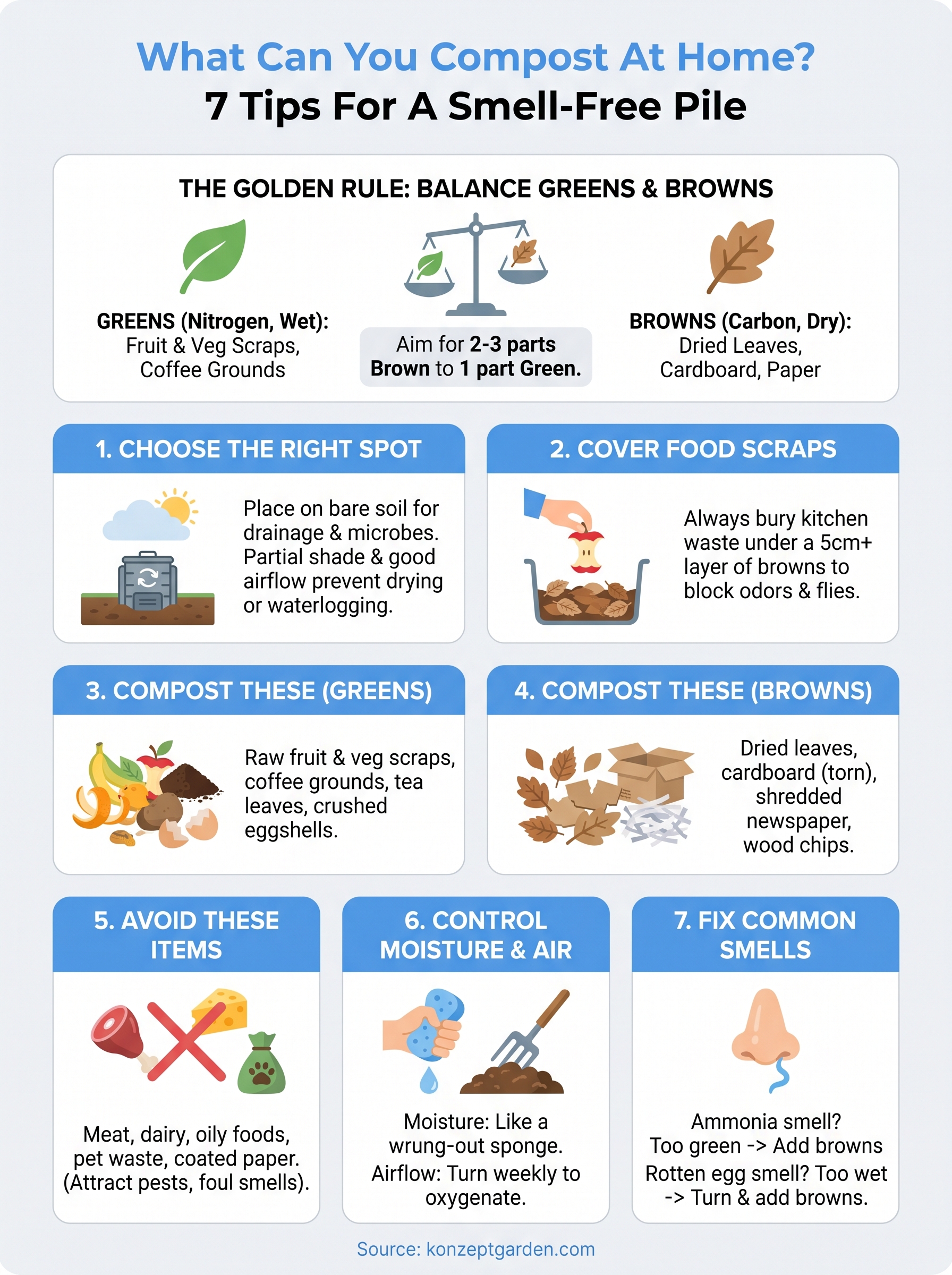
Place your compost bin on bare soil or grass rather than concrete whenever possible. This gives earthworms and soil microbes a direct route into the pile, and it lets excess liquid drain away instead of pooling at the base and turning sour. Pick a spot with partial shade and decent airflow, which keeps the pile from drying out too fast in Malaysia's heat or becoming waterlogged during the wet season.
Pick a bin style that helps you control smells
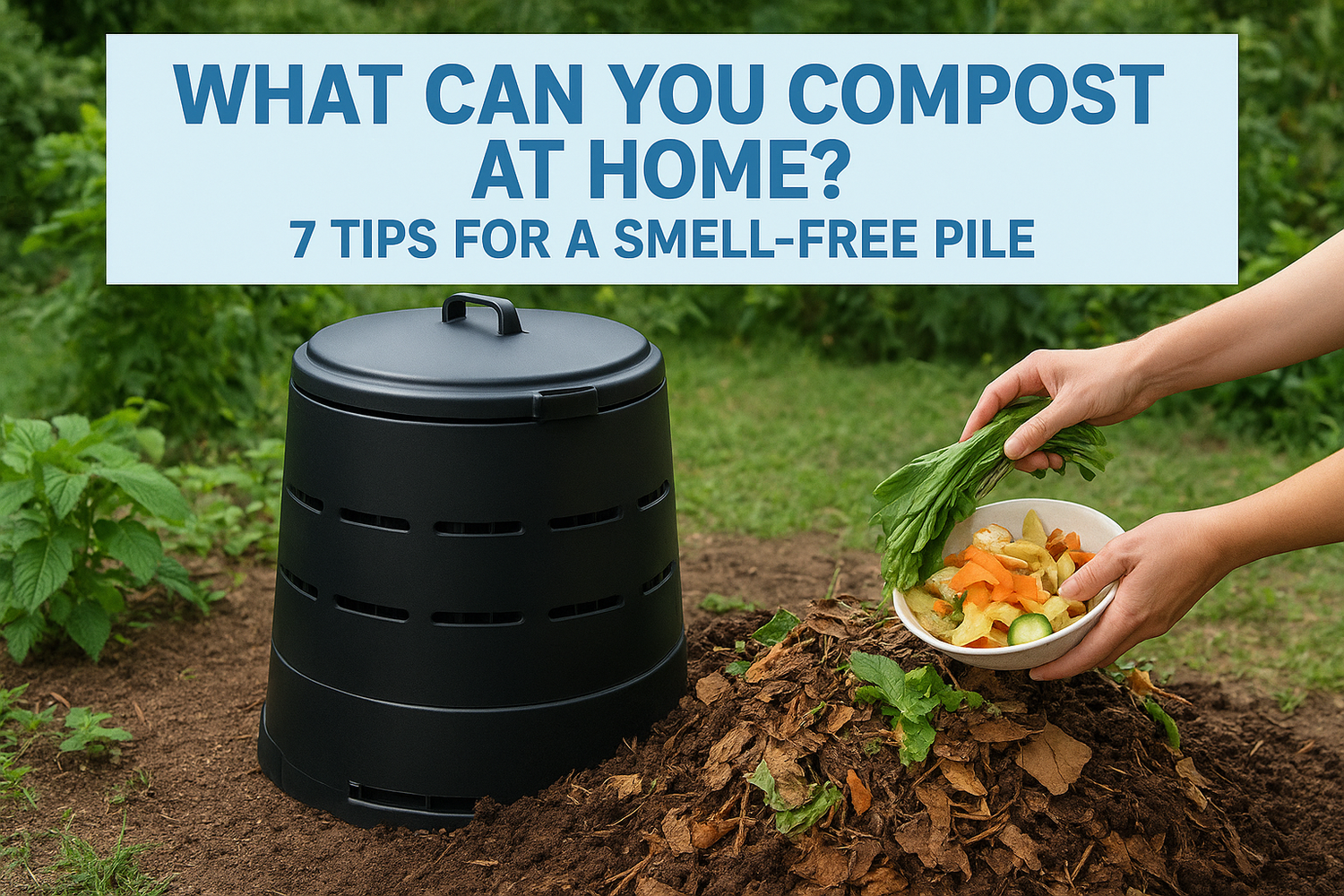
A closed bin with a lid controls odors far better than an open heap. Tumbler bins work well for small yards because they hold heat, speed up decomposition, and let you turn the pile without digging into it manually. If you prefer a stationary bin, choose a vented design with a tight-fitting lid to block rats and fruit flies while still letting air move through the pile.
A closed, vented bin is the single most reliable way to keep your home compost pile odor-free in a residential setting.
Build composting into a garden layout from day one
If you're planning a new garden, position your compost area close to your planting beds so you're not hauling finished compost long distances every time you need it. Keep it accessible enough for daily use but away from windows, seating areas, and property boundaries to maintain a pleasant outdoor environment for everyone.
Small-space options for terraces, patios, and condos
Small spaces don't rule out composting at all. A worm bin (vermicomposter) fits under a kitchen counter and converts food scraps into concentrated worm castings without requiring any outdoor area. Bokashi systems offer another path: they ferment scraps in a sealed, odor-controlled bucket, making them a practical choice for condo kitchens where full outdoor decomposition is not an option.
2. Balance greens and browns to prevent stink
Most compost odors trace back to one fixable problem: too many nitrogen-rich materials and not enough carbon-rich ones. When you learn what can you compost in each category, controlling the smell becomes much simpler.
Understand greens vs browns in plain language
Greens are wet, nitrogen-rich materials, and browns are dry, carbon-rich ones. Both feed the microbes that break down your pile, but the balance between them controls moisture, heat, and odor.
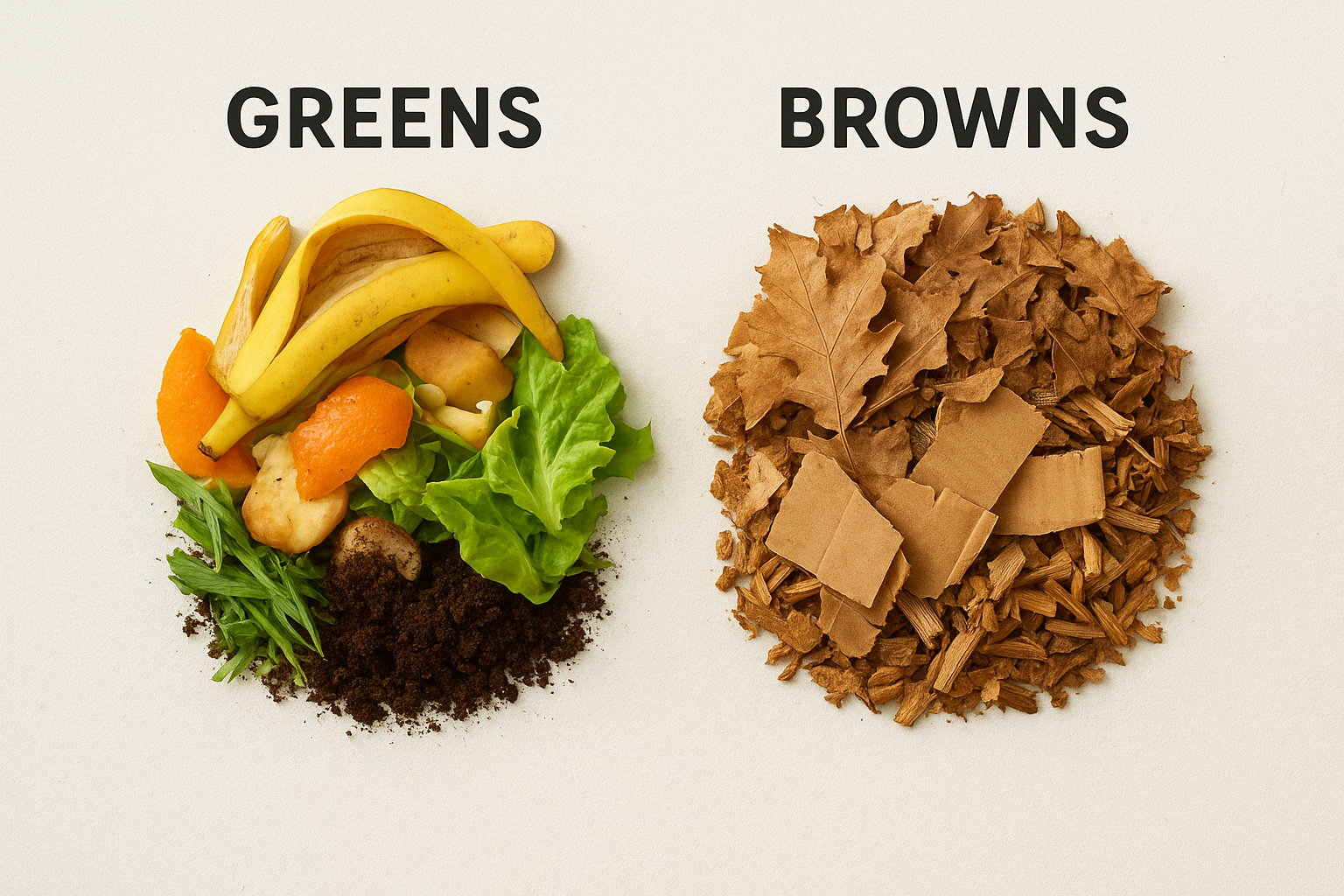
| Greens | Browns |
|---|---|
| Fruit and vegetable peels | Dried leaves |
| Coffee grounds | Cardboard and paper |
| Fresh grass clippings | Wood chips |
Use an easy ratio you can eyeball without math
Aim for two to three parts browns for every one part greens by volume. When you add food scraps, follow immediately with a few handfuls of dried leaves or torn cardboard to keep moisture and nitrogen balanced.
Getting the brown-to-green ratio right prevents most odor problems before they start.
Always cover food scraps to reduce odors and flies
Every time you add kitchen scraps, bury them under a thick layer of browns at least five centimeters deep. Exposed food scraps are the main reason compost piles attract flies and produce strong odors.
Keeping a small bin of dried leaves or shredded cardboard next to your compost makes covering scraps a quick, automatic habit rather than an afterthought.
Fix a "too green" or "too brown" pile fast
A pile that smells like ammonia has too many greens, so add dry cardboard or shredded leaves right away. A dry, inactive pile just needs water and fresh green scraps to kick microbes back into action.
- Smells like ammonia: add browns and turn the pile
- Dry and inactive: add water and green scraps, then mix thoroughly
3. Compost these everyday kitchen scraps
Your kitchen generates usable compost material every day, and knowing what can you compost from your bin turns routine waste into something genuinely valuable. The key is separating reliable additions from the ones that create odors or attract pests.
Best kitchen scraps for a clean, earthy-smelling pile
Most raw fruit and vegetable scraps break down quickly and add nitrogen without causing odors. Eggshells, coffee grounds, and loose tea leaves are also excellent additions that improve compost structure and add trace minerals.
- Fruit and vegetable peels and cores
- Coffee grounds and paper filters
- Loose tea leaves (remove staples from bags)
- Eggshells, crushed to speed breakdown
Scraps to compost only in small amounts
Citrus peels and onion skins break down slowly and can reduce microbial activity if you add too many at once. Limit these to one or two handfuls per week and mix them into the center of the pile rather than layering them on top.
- Citrus peels and rinds
- Onion and garlic skins
Common "compostable" items that still cause problems at home
Starchy foods like cooked rice and bread attract rodents in outdoor bins, even though they technically decompose. Save these for a sealed bokashi system instead of an open backyard pile.
Cooked starches and processed foods belong in a sealed fermentation system, not an open backyard pile.
How to store scraps so your kitchen never smells
Use a small lidded container on your counter and empty it every one to two days. Line the base with newspaper or a dry paper towel to absorb moisture and prevent odors from building up between trips outside.
Good container options include:
- A ceramic crock with a charcoal filter lid
- A stainless steel bin with a tight-fitting lid
- Any small container with a secure lid that you already own
4. Compost these yard and paper materials
Beyond kitchen scraps, your yard and home office generate a steady stream of material that composts well. Understanding what can you compost from these sources gives you a reliable supply of carbon-rich browns, which are the materials that balance your pile and keep odors under control.
Reliable browns that keep your pile fresh
Dried leaves, cardboard, and shredded newspaper are the most accessible browns for most households. Tear cardboard into small pieces and remove any tape or staples before adding it. Plain brown cardboard and uncoated paper break down within weeks when kept moist and layered with greens.
- Dried fallen leaves
- Shredded newspaper and office paper (non-glossy)
- Cardboard torn into small pieces
- Paper bags and paper egg cartons
Yard waste that composts well in home systems
Grass clippings, pruned branches, and spent plant material all belong in a home pile. Grass clippings count as greens, so balance them with dry leaves whenever you add a fresh batch. Chipped or shredded woody stems break down faster than whole branches, so run thicker material through a shredder if you have one.
Shredding or chopping yard waste into smaller pieces cuts decomposition time significantly and reduces the chance of clumping.
What to skip if you spray herbicides or pesticides
Avoid adding clippings or leaves from plants recently treated with herbicides or pesticides. Residues can persist through decomposition and damage the plants you later feed with finished compost. When in doubt, leave treated material out of the pile entirely.
Prep tips that help materials break down faster
Smaller pieces decompose faster than whole items every time. Shred paper, crush dried leaves, and chip woody stems before adding them to your pile. Moistening dry browns slightly before layering also helps microbes colonize the material and get to work immediately.
5. Avoid these items in a home compost pile
Knowing what can you compost is only half the picture. The other half is knowing what to keep out entirely. Adding the wrong materials creates persistent odors, pest problems, and potentially unsafe compost that can harm your plants instead of helping them.
The top smell-makers and pest magnets
Some items break down in ways that produce sulfur compounds or attract rodents and insects. Meat scraps, cooked foods with oil, and dairy products are the biggest offenders in any backyard system. Keep a short mental checklist of these categories and your pile stays clean.
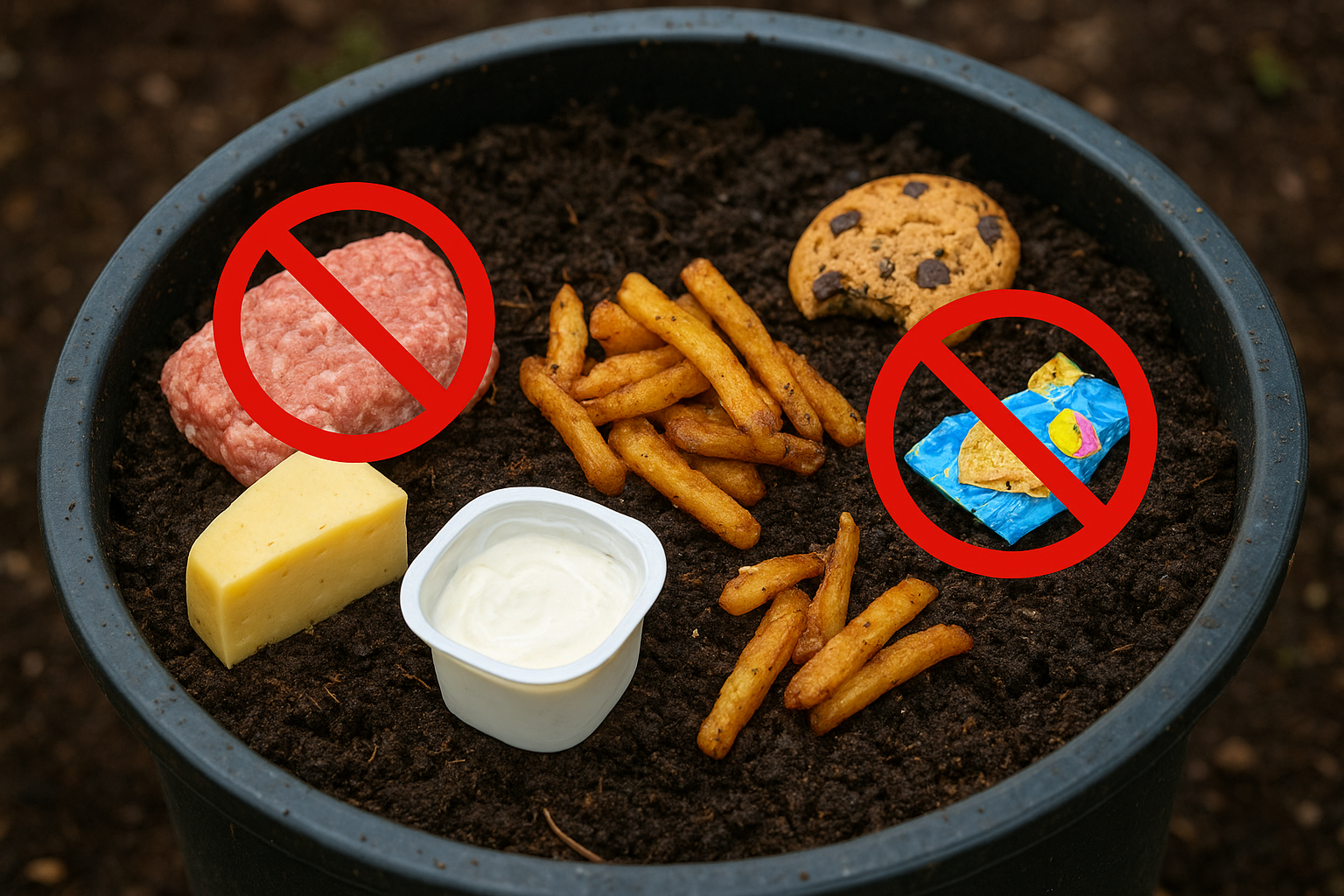
- Meat and fish, raw or cooked
- Dairy products including cheese and yogurt
- Oily or greasy cooked foods
- Sugary processed snacks and candy
Why meat, dairy, oil, and cooked food go bad in backyard piles
These materials decompose anaerobically, meaning they break down without oxygen and produce the foul odors most people associate with rotting. They also attract rats and flies from a considerable distance. A sealed bokashi system handles these materials safely if you want to divert them from landfill instead.
Open backyard bins cannot process meat, dairy, or oily food without creating serious odor and pest problems.
Pet waste, litter, and hygiene-related items to keep out
Dog and cat waste carries pathogens like E. coli and salmonella that home piles rarely reach high enough temperatures to destroy. Keep all pet waste, soiled litter, and used hygiene products out of your pile without exception.
Plastics, coated paper, and "compostable" packaging pitfalls
Many "compostable" bags and containers require industrial composting temperatures that a home pile cannot reach. Glossy paper and plastic-coated cardboard also resist breakdown and leave microplastic residue in your finished compost, so check labels carefully and default to leaving these out.
6. Control moisture, airflow, and temperature
Knowing what can you compost matters less if your pile stays too wet, too dry, or completely airless. Moisture, airflow, and temperature work together to keep decomposition active and odors under control. When one falls out of range, the whole pile stalls or turns foul.
Use the wrung-out sponge test for moisture
Squeeze a handful of compost firmly and let the result guide your next step:
- Too wet (water drips out): add dry browns and turn immediately
- Too dry (crumbles apart): add water and fresh green scraps
- Just right (damp, holds shape): keep your current routine
This five-second check prevents most moisture problems before they become odor problems.
Aerate the pile without overworking it
Turn your pile once a week using a garden fork to push oxygen into the core where decomposition happens. Turning more often disrupts heat buildup that accelerates breakdown, so resist the urge to mix it every day.
A single weekly turn oxygenates the pile while letting enough heat build in the center to speed decomposition.
Manage heavy rain, heat, and humidity in Malaysia
Malaysia's wet season brings heavy rain that saturates a pile fast. Cover your bin during extended wet periods to prevent waterlogging and anaerobic conditions. In dry spells, a loose shade cover slows moisture evaporation without blocking the airflow your pile needs.
How pile size affects heat, speed, and smell
A pile smaller than one cubic meter rarely generates enough internal heat to speed decomposition or suppress odors reliably. Add fresh material in batches rather than small daily sprinkles to maintain consistent temperatures and keep the microbial activity working in your favor.
7. Fix smells and pests with quick checks
Even a well-managed pile runs into problems occasionally. When something goes wrong, the smell or pest type usually points you directly to the fix without much guesswork.
Diagnose the smell and match it to the fix
Different smells signal different imbalances. A rotten-egg sulfur smell means the pile has gone anaerobic, so turn it immediately and add dry browns. An ammonia smell means excess nitrogen, which you correct with shredded cardboard or dried leaves.
Matching the smell to the cause cuts troubleshooting time and prevents the same issue from returning.
Stop rats, ants, maggots, and fruit flies before they spread
Rats show up when meat, dairy, or oily food enters the pile. Fruit flies and maggots signal exposed scraps, so bury fresh additions under a thick layer of browns every single time.
- Rats: secure the bin lid, remove problem scraps, and line the base with hardware cloth
- Fruit flies and maggots: bury scraps deeper and add more browns immediately
Know when compost is finished and safe to use
Finished compost looks dark brown and crumbly and smells like forest soil. Check for no visible food scraps or plant material before spreading it across your beds.
- Dark, uniform color with no recognizable scraps
- Earthy smell with no sour or sharp notes
When to restart the pile and how to avoid repeat issues
Restart when the pile stays persistently wet or foul-smelling despite repeated fixes. Empty the bin, recover salvageable material, and set it aside.
Review what can you compost in your specific setup before adding new material, and start fresh with a thick base of browns to prevent the same problem from repeating.
Keep your compost simple
Composting works best when you stop overthinking it. The core question of what can you compost comes down to two categories: raw organic material that breaks down cleanly, and everything else that belongs elsewhere. Raw fruit and vegetable scraps, dried leaves, cardboard, and coffee grounds cover the bulk of what most households generate, and that combination alone produces excellent compost.
Your garden will tell you when the compost is working. Dark, crumbly, earthy-smelling finished compost mixed into your beds improves soil structure, feeds your plants, and reduces your need for store-bought fertilizer over time. Start with one bin, follow the brown-to-green ratio, and fix problems as they come up rather than worrying in advance.
Building great soil is just one piece of a well-designed outdoor space. If you want a garden that performs as well as it looks, talk to our landscape design team and get a free quote for your project.