

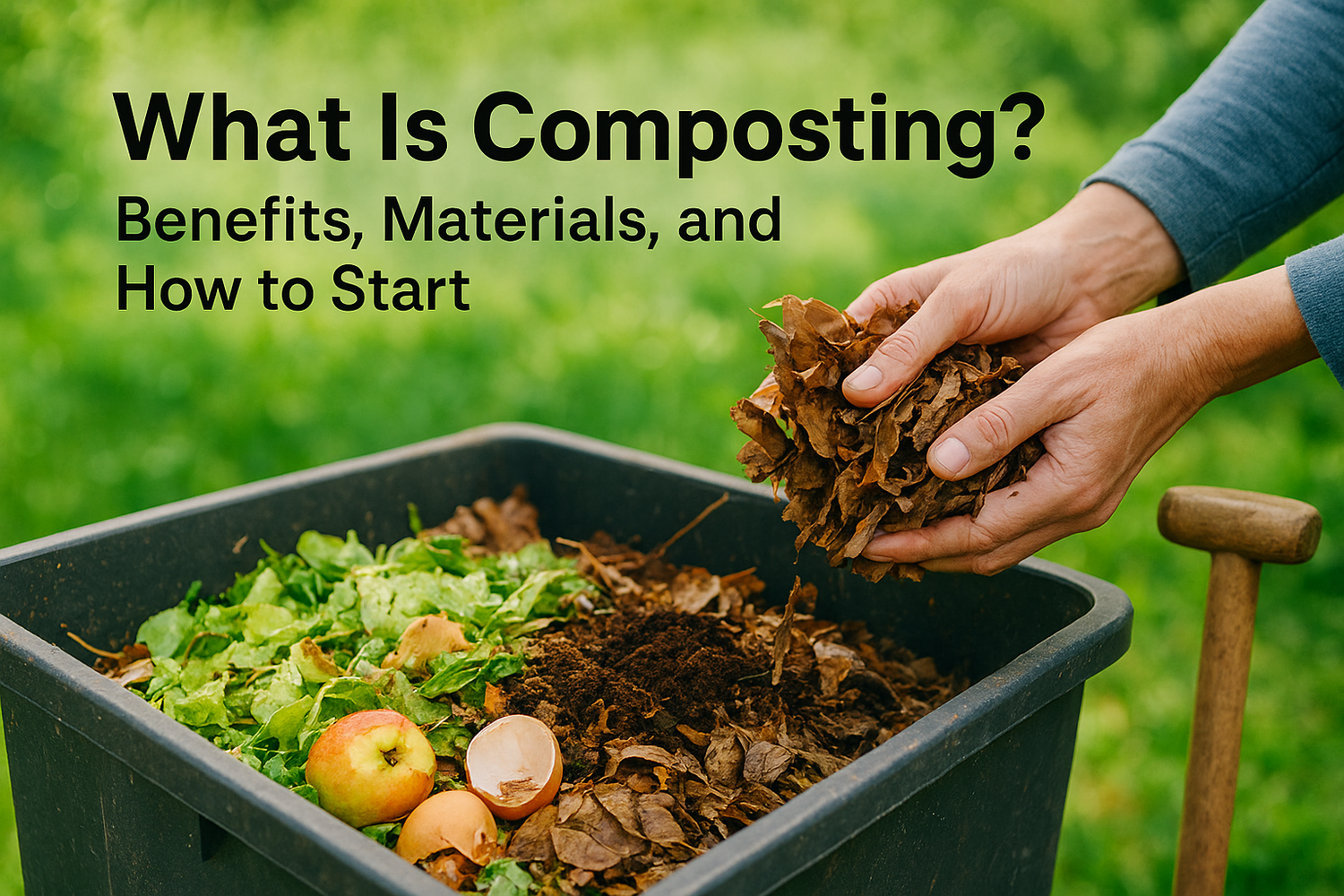
What is composting? It's the natural process of breaking down organic materials like fruit peels, vegetable scraps, and dry leaves into a rich, soil-like substance. Microorganisms, fungi, and other decomposers work together to transform your kitchen and garden waste into nutrient-packed fertilizer you can use to feed your plants. Instead of tossing organic waste in the bin where it heads to a landfill, you can turn it into something valuable right at home.
This guide walks you through everything you need to know to start composting. You'll learn why composting benefits both your garden and the environment, discover which materials work best (and which ones to avoid), and explore different composting methods that fit Malaysian homes and climates. We'll cover practical solutions to common problems, share tips for using your finished compost, and show you how to make the process work in tropical conditions. Whether you have a spacious backyard or just a small balcony, you can begin composting and see real results in your outdoor spaces.
Why composting matters
Your daily food preparation and garden maintenance create organic waste that can either sit in a landfill or transform into something useful. When organic materials decompose in landfills, they release methane gas, a greenhouse gas that traps heat in the atmosphere far more effectively than carbon dioxide. By composting at home, you stop this waste from contributing to climate change and instead capture carbon in the soil where it belongs. Malaysian households throw away significant amounts of organic waste each week, and composting offers a practical solution that benefits both your property and the planet.
Environmental benefits
Composting reduces the volume of waste headed to already crowded landfills while cutting down on the fuel and resources needed to transport that waste. You actively participate in carbon sequestration when you add finished compost to your soil, since the organic matter stores carbon instead of releasing it into the air. The process also decreases the need for chemical fertilizers, which require energy-intensive manufacturing processes and can pollute waterways when they wash off during heavy rains. Each kilogram of organic waste you compost prevents approximately one kilogram of waste from entering the disposal system.
Composting transforms waste into a resource while protecting the environment from unnecessary pollution and greenhouse gas emissions.
Benefits for your garden
Your plants thrive when you feed them compost because it delivers a balanced mix of nutrients that synthetic fertilizers cannot match. Compost improves soil structure, helping it retain moisture during dry spells and drain properly during Malaysia's intense monsoon seasons. The beneficial microorganisms in compost strengthen plant roots and protect them from diseases, reducing your reliance on pesticides. Gardens amended with compost need less frequent watering and produce healthier, more vigorous growth across vegetables, flowers, and ornamental plants.
How to start composting at home
Starting your composting journey requires minimal investment and just a few simple decisions about location, materials, and setup method. You don't need expensive equipment or specialized knowledge to begin turning your organic waste into valuable compost. The key is understanding basic requirements and choosing an approach that fits your available space, whether you live in a landed property with a garden or an apartment with a balcony. Once you grasp what is composting and how the process works, you can set up your system in less than an hour and start adding organic materials immediately.
Choose your composting location
Your compost needs a designated spot that you can access easily throughout the year, even during Malaysia's rainy season. Look for a location with partial shade to prevent the pile from drying out too quickly under the tropical sun, but ensure it still receives some warmth to speed up decomposition. The spot should sit on bare soil if possible, allowing beneficial organisms and worms to move naturally into your compost from the ground below. Place your composting area at least a few meters away from your house to avoid attracting insects indoors, but keep it close enough that you don't mind walking there with kitchen scraps several times per week.
Balcony gardeners can compost successfully using sealed bins or tumblers that contain odors and fit into smaller spaces. You need access to good drainage regardless of your setup, since excess moisture can create unpleasant smells and slow down the decomposition process. The location should also provide enough room for you to turn or mix your compost pile occasionally, which helps maintain proper aeration.
Gather essential materials
You'll need both "green" nitrogen-rich materials and "brown" carbon-rich materials to create a balanced compost pile that decomposes efficiently. Green materials include fresh grass clippings, fruit and vegetable scraps, coffee grounds, and tea leaves. Brown materials consist of dry leaves, shredded paper, cardboard pieces, and small twigs. Collect a starting supply of browns before you begin composting, since you'll need them to cover each addition of kitchen scraps and maintain the proper ratio in your pile.
Maintaining a 2:1 or 3:1 ratio of brown materials to green materials creates the ideal conditions for fast, odor-free decomposition.
A simple bin or designated area works perfectly for beginners. You can purchase a ready-made compost bin, build one from wooden pallets or wire mesh, or simply create a pile directly on the ground. Keep a small container with a lid in your kitchen to collect food scraps between trips to your compost pile.
Set up your first compost pile
Begin by laying down a four to six inch base layer of coarse brown materials like small branches or wood chips at the bottom of your chosen location. This foundation layer improves drainage and allows air to circulate from beneath your pile. Add your first batch of green materials on top, then cover them completely with a layer of browns that measures at least twice as thick. Water the pile lightly until it feels like a wrung-out sponge, providing the moisture that microorganisms need to begin their work breaking down your organic waste.
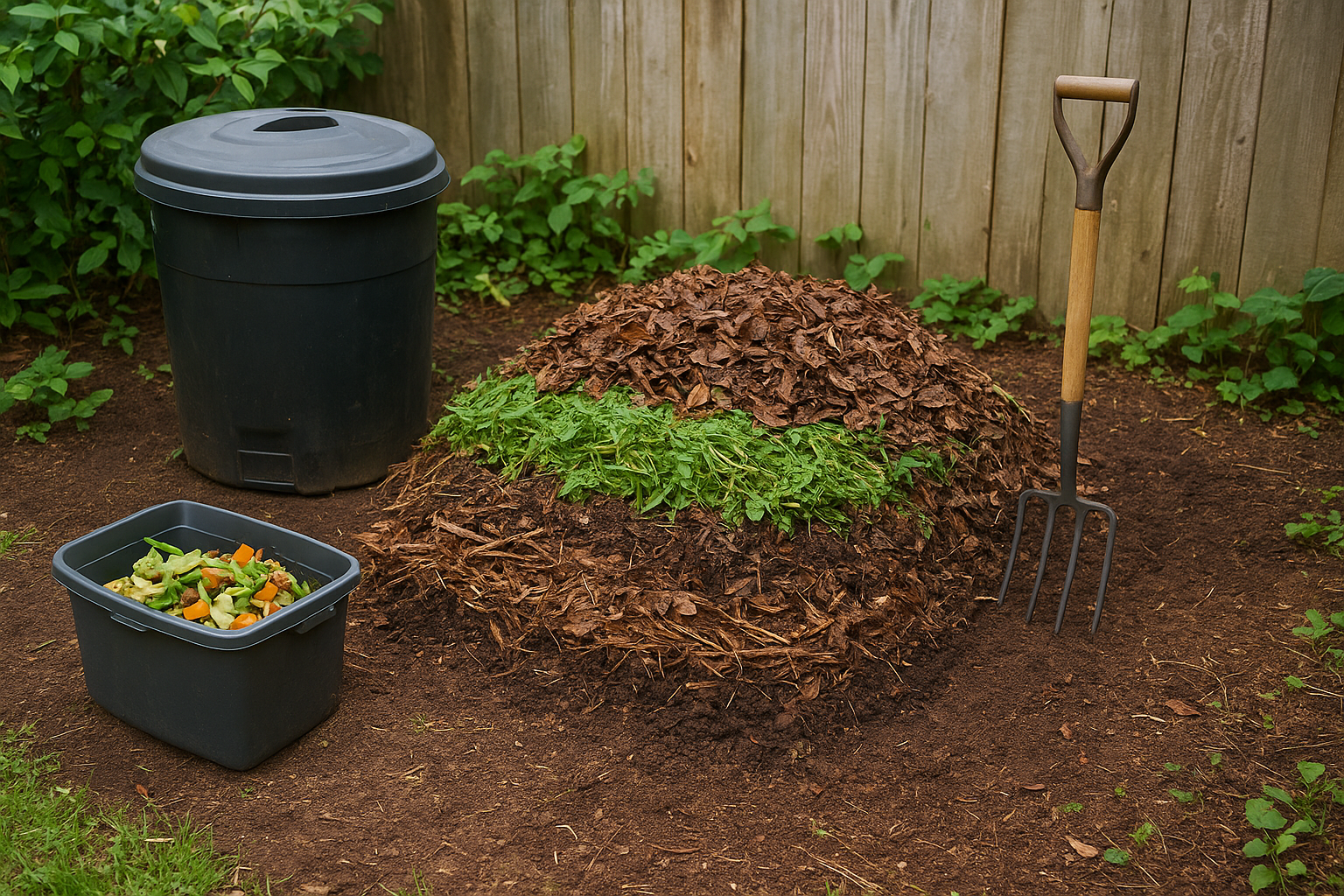
Continue layering greens and browns each time you add materials, always ensuring that fresh kitchen scraps sit buried under browns to prevent flies and odors. Your pile will begin heating up within a few days as decomposition starts, signaling that your composting system is working properly.
How composting works in simple terms
Understanding what is composting means recognizing that nature already knows how to break down organic matter without any help from humans. When leaves fall in a forest or fruit drops to the ground, millions of tiny organisms immediately begin eating and transforming that material into simpler compounds that feed the soil. Your compost pile simply recreates this natural process in a controlled space where you can speed it up by providing the ideal conditions. The microorganisms doing the work need four essential elements: carbon from brown materials, nitrogen from green materials, oxygen from regular turning or aeration, and moisture to stay alive and active.
The role of microorganisms
Bacteria, fungi, and actinomycetes form the workforce inside your compost pile, multiplying rapidly as they consume organic matter and convert it into humus. These microscopic decomposers work in teams, with different species taking over at different stages of the breakdown process. Bacteria handle most of the initial work, breaking down soft materials like fruit scraps and grass clippings within days or weeks. Fungi and actinomycetes tackle tougher materials such as woody stems and dry leaves, using enzymes to dissolve complex compounds that bacteria cannot process efficiently.
The billions of microorganisms in a single handful of finished compost outnumber all the humans on Earth.
The three phases of decomposition
Your compost pile moves through distinct temperature phases as different microbial communities take turns doing their work. The mesophilic phase begins first, with moderate-temperature organisms starting to break down easy-to-digest materials at temperatures between 20°C and 40°C. Within days, their activity generates enough heat to trigger the thermophilic phase, when heat-loving bacteria multiply explosively and push temperatures up to 60°C or higher, killing weed seeds and harmful pathogens in the process. After several weeks, the pile cools down and enters the maturation phase, where beneficial organisms continue refining the compost at lower temperatures until it becomes a stable, crumbly material ready for your garden.
What you can and cannot compost
Knowing which materials belong in your compost pile prevents problems like foul odors, pest invasions, and slow decomposition that frustrate many beginners. Your composting success depends entirely on adding the right balance of organic materials while keeping out items that attract animals, create health hazards, or simply refuse to break down in a home system. Understanding what is composting also means recognizing that not all organic matter decomposes safely or efficiently in a backyard setup, even though it might work perfectly in large-scale industrial facilities. The materials you choose directly affect how quickly your compost matures and whether the final product is safe to use around your plants.
Green materials for nitrogen
Fresh, moist organic waste provides the nitrogen that microorganisms need to multiply and generate heat in your compost pile. Kitchen scraps from fruits and vegetables make excellent additions, including peels, cores, rinds, and stems from any produce you prepare for meals. Coffee grounds with their filters, loose tea leaves, and crushed eggshells all contribute valuable nitrogen while breaking down quickly in tropical conditions. Fresh grass clippings from your lawn work well if you spread them in thin layers to prevent matting, and green plant trimmings from your garden add both nitrogen and moisture to the mix.
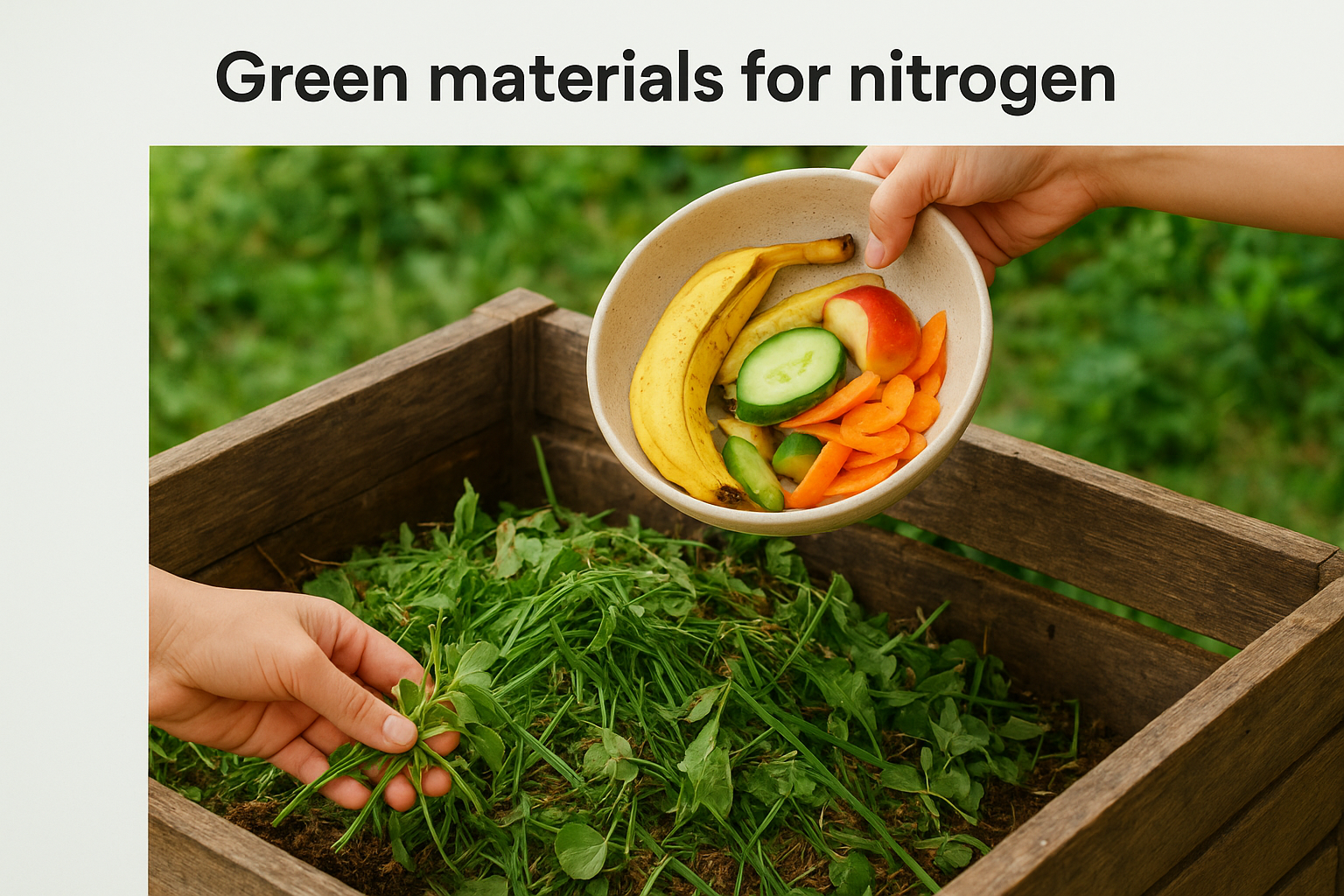
Adding nitrogen-rich greens fuels the microbial activity that transforms your organic waste into finished compost within months instead of years.
Brown materials for carbon
Dry, woody, or paper-based materials supply the carbon that gives compost its structure and prevents it from becoming a soggy, smelly mess. Fallen leaves work perfectly as browns year-round in Malaysia, and you should collect and store extra during seasons when trees shed heavily. Shredded newspaper, office paper, and cardboard pieces decompose steadily when mixed with greens, though you should avoid glossy or colored paper that contains inks and coatings. Small twigs, wood chips, and sawdust from untreated wood add carbon while creating air pockets that improve oxygen flow through your pile. Dry plant stalks, straw, and coconut coir all serve as excellent brown materials that balance the moisture from your kitchen scraps.
Materials that do not belong in home compost
Meat, fish, bones, and dairy products create powerful odors that attract rats, flies, and other pests to your composting area, and they often harbor pathogens that home systems cannot kill through heat. Fats, oils, and greasy foods coat other materials and prevent air and moisture from reaching the microorganisms doing the decomposition work. Pet waste contains parasites and bacteria that pose health risks to humans, and these pathogens survive in home compost piles that rarely reach the high temperatures needed to destroy them. Diseased plants, weeds with seeds, and chemically treated grass clippings can spread problems throughout your garden when you apply the finished compost, while plastic, metal, and glass obviously never break down and contaminate your final product.
Home composting methods to choose from
Selecting the right composting method depends on your available space, how much organic waste you generate weekly, and how involved you want to be in the process. Each approach works effectively in Malaysian conditions, though some require more attention than others and produce finished compost at different speeds. Once you understand what is composting and the basic principles behind it, you can choose a method that matches your lifestyle and physical setup. The three most practical options for home gardeners include traditional bin composting, tumbler systems, and vermicomposting with worms, each offering distinct advantages for different situations.
Bin composting for steady results
Open or enclosed bins provide the most straightforward path to composting success, requiring minimal equipment and working well for households that generate moderate amounts of kitchen and garden waste. You can build a simple bin from wooden pallets, wire mesh, or purchase a ready-made plastic unit with ventilation holes and a removable lid that keeps rain out while allowing air circulation. Place your bin directly on bare soil so worms and beneficial organisms can migrate upward into your compost naturally, and layer your greens and browns as you accumulate materials throughout the week. This passive approach produces finished compost in four to six months during Malaysia's warm weather, though you can speed the process by turning your pile every two weeks with a garden fork.
Enclosed bins offer better protection from tropical downpours and pests, while open bins or simple piles allow easier access for turning and monitoring moisture levels. Both styles work reliably if you maintain proper ratios and cover fresh additions with browns.
Tumbler systems for faster processing
Rotating drum composters accelerate decomposition by making it easy to mix your materials thoroughly several times per week, introducing oxygen throughout the pile instead of just around the edges. You mount these sealed containers on a frame or stand, then turn them with a handle or by rolling them across the ground, which takes less physical effort than forking a traditional pile. Tumblers produce finished compost in six to eight weeks under ideal conditions because the frequent mixing and contained heat create perfect conditions for thermophilic bacteria to work at maximum speed. These systems suit gardeners who want quick results and prefer not to see or smell their composting process, though they cost more upfront than basic bins.
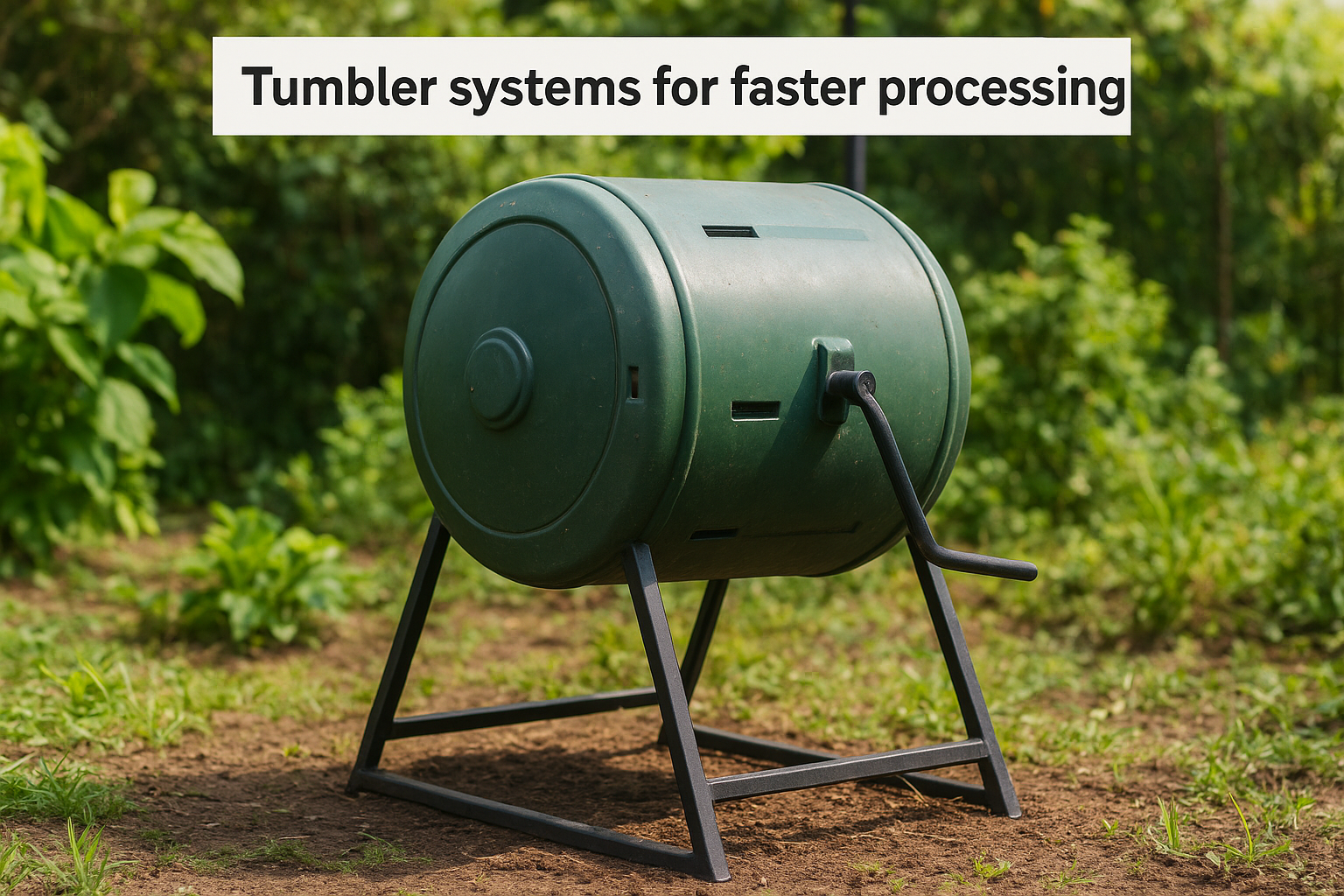
Tumbler systems cut composting time in half while keeping the process clean and contained, making them perfect for properties where space or aesthetics matter.
Vermicomposting with worms
Red wiggler worms transform kitchen scraps into rich castings through vermicomposting, a method that works brilliantly in shaded areas or even indoors where traditional hot composting fails. You house your worm colony in a shallow plastic bin with drainage holes and bedding made from shredded newspaper and coconut coir, then feed them small amounts of chopped fruit and vegetable waste every few days. The worms eat the scraps and excrete finished vermicompost within two to three months, producing a material that contains more nutrients than regular compost. This approach handles only kitchen waste rather than yard trimmings, and it demands more attention to moisture levels and feeding schedules than other methods, but it produces exceptional results in compact spaces like apartment balconies.
Solving common composting problems
Even experienced composters encounter challenges that slow decomposition or create unpleasant conditions in their bins and piles. Most composting problems stem from imbalanced ratios between greens and browns, incorrect moisture levels, or insufficient oxygen reaching the microorganisms doing the work. You can diagnose and fix these issues quickly once you recognize the symptoms and understand their root causes. Malaysia's tropical climate adds unique challenges like intense heat and heavy rainfall that affect moisture balance differently than temperate regions, but the solutions remain straightforward. Troubleshooting your compost becomes easier when you remember what is composting at its core: a biological process that needs specific conditions to thrive.
Eliminating bad odors
Strong ammonia smells signal that your pile contains too many nitrogen-rich greens and not enough carbon-rich browns to absorb excess moisture and provide structure. You fix this problem immediately by mixing in dry leaves, shredded paper, or wood chips at a ratio of at least three parts browns to one part greens, then turning the pile thoroughly to incorporate oxygen. Rotten or putrid odors indicate anaerobic conditions where beneficial bacteria cannot survive, usually caused by compacted materials that block air circulation or waterlogged piles from Malaysia's heavy rains. Break up clumpy materials, add coarse browns like small twigs or crumpled cardboard to create air pockets, and turn your pile to restore oxygen flow throughout the mass.
Adding a thick layer of browns immediately on top of smelly compost stops odors from escaping while correcting the underlying imbalance.
Managing moisture problems
Overly wet compost becomes slimy and slow to decompose because water fills the spaces where oxygen should circulate, suffocating the aerobic organisms that drive the composting process. Mix in substantial amounts of dry browns and turn the pile to expose wet materials to air, or cover your bin during monsoon seasons to prevent rain from saturating your materials. Conversely, bone-dry piles stop working entirely when microorganisms die from dehydration, a common problem during hot Malaysian afternoons when uncovered compost dries out rapidly. Water your pile thoroughly until moisture appears when you squeeze a handful of material, and consider relocating it to partial shade or covering the surface with a layer of browns that holds moisture while allowing air exchange.
Speeding up slow decomposition
Your compost breaks down sluggishly when materials sit too large, temperatures stay too cool, or the pile lacks sufficient nitrogen to fuel microbial activity. Chop kitchen scraps and garden waste into pieces smaller than your thumb before adding them, since microorganisms work faster on increased surface area. Turn your pile weekly to maintain heat and oxygen levels, and ensure you include enough fresh green materials like grass clippings or vegetable scraps to provide the nitrogen that powers rapid decomposition in tropical conditions.
Ways to use compost in your garden
Your finished compost delivers maximum benefits when you apply it correctly to different areas of your garden, matching the application method to each plant's specific needs. The dark, crumbly material you created from kitchen scraps and yard waste now contains concentrated nutrients, beneficial microorganisms, and organic matter that transforms ordinary soil into a thriving growing medium. Understanding what is composting leads naturally to learning how to deploy this valuable resource across your entire outdoor space. You can spread compost as surface mulch, mix it into existing soil, or blend it with other materials to create custom growing media for containers and raised beds.
As a soil amendment
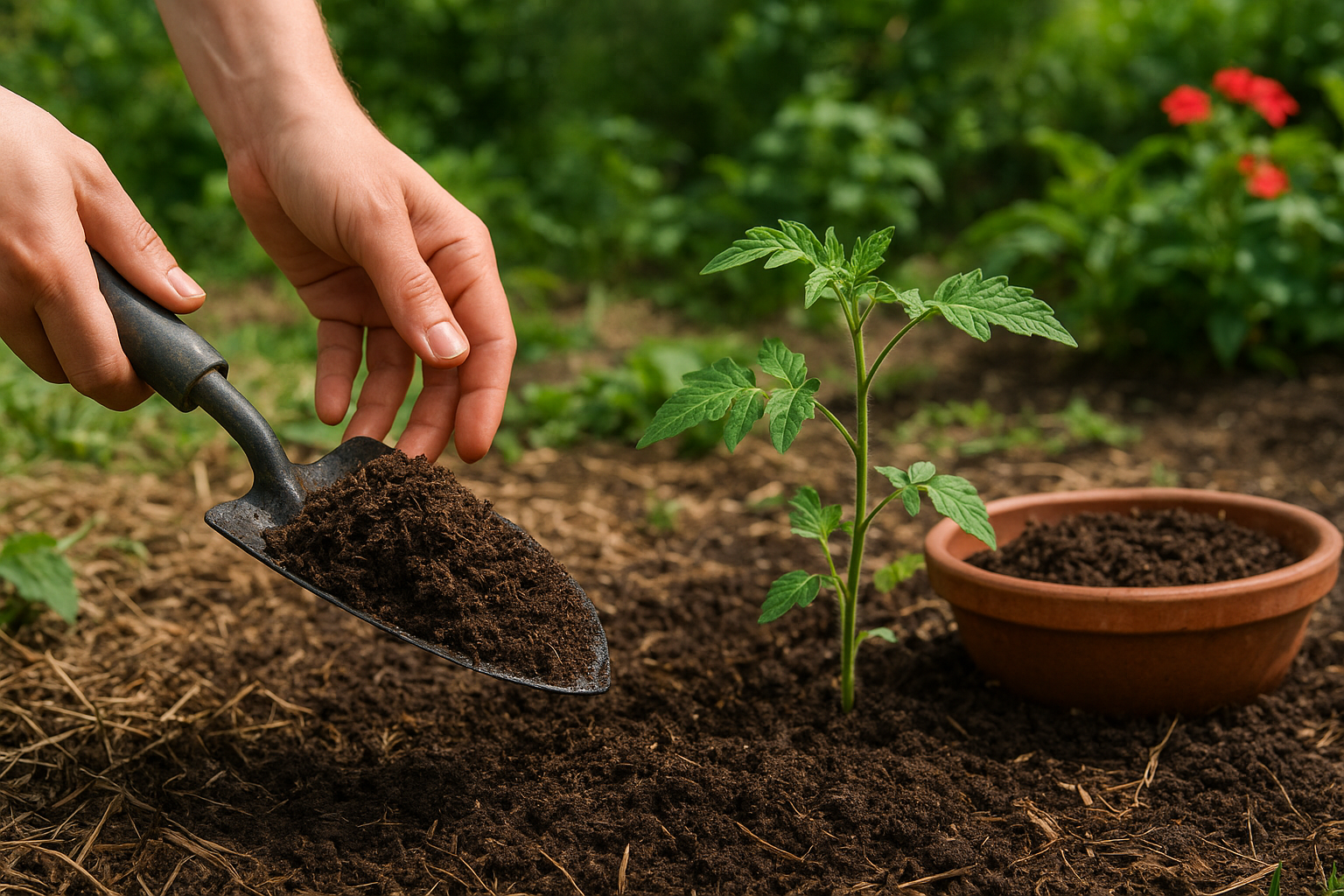
Work finished compost directly into your garden beds by spreading a two to four inch layer across the surface and mixing it into the top six to eight inches of soil using a garden fork or spade. This application method delivers nutrients directly to plant roots while improving soil structure, water retention, and drainage throughout the active root zone. You should amend your vegetable beds and flower gardens before each planting season, typically applying compost every three to four months in Malaysia's year-round growing conditions. The organic matter feeds earthworms and beneficial bacteria that continue improving your soil long after the initial application.
Mixing compost into your soil creates a living ecosystem that supports healthy plant growth for months while reducing your need for synthetic fertilizers.
As mulch for plant beds
Spread a three to four inch layer of compost on top of the soil around your plants, keeping it a few inches away from stems and trunks to prevent rot and pest issues. Surface mulching suppresses weeds, moderates soil temperature during hot afternoons, and slowly releases nutrients as rain and irrigation water carry them downward into the root zone. This method works particularly well around fruit trees, shrubs, and perennial plants that benefit from steady feeding without the root disturbance that comes from digging amendments into established beds.
In potting mixes and containers
Blend one part finished compost with two parts potting soil to create a nutrient-rich growing medium for containers, window boxes, and raised planter beds on your patio or balcony. Pure compost holds too much moisture for most potted plants, but mixing it with commercial potting mix or garden soil creates the perfect balance of drainage, nutrition, and water retention for container gardening. You can also top-dress established container plants by removing the top inch of old soil and replacing it with fresh compost every few months, feeding your plants without transplanting them.
Composting tips for Malaysian homes
Malaysia's tropical climate and urban living conditions create unique opportunities and challenges for home composters that differ significantly from what gardeners in temperate regions experience. The year-round warmth accelerates decomposition naturally, letting you produce finished compost faster than composters in cooler countries, but intense heat and heavy rainfall require specific adjustments to maintain the right moisture and temperature balance. Understanding what is composting in the Malaysian context means adapting basic principles to work with high humidity, limited space in urban homes, and the abundance of tropical organic materials available throughout the year.
Working with tropical heat and rain
Position your compost bin under a roof overhang or large tree to protect it from both the scorching afternoon sun and torrential monsoon downpours that can saturate your materials within minutes. The constant heat speeds up decomposition but also dries out exposed piles rapidly, so check moisture levels twice weekly and water whenever the contents feel dry to the touch. Cover your bin with a tarp or lid during heavy rain to prevent waterlogging, then remove the cover during dry periods to allow excess moisture to evaporate naturally.
Malaysia's tropical conditions let you produce finished compost in half the time it takes in cooler climates, typically within eight to twelve weeks instead of four to six months.
Making the most of limited space
Terrace houses and apartments require compact composting solutions that fit on balconies, small patios, or corners of limited yard space without creating odors that bother neighbors. Choose sealed tumbler systems or enclosed bins specifically designed for small spaces, and maintain strict green-to-brown ratios to prevent smell issues in close quarters. Stackable worm bins work perfectly in shaded balcony corners, processing kitchen scraps efficiently while taking up less than one square meter of floor space.
Using local materials
Coconut coir, readily available throughout Malaysia, makes excellent brown material that absorbs moisture while providing carbon, and you can collect fallen tropical leaves year-round instead of waiting for autumn. Save rice husks from local markets as browns, use banana leaves as green materials, and collect coffee grounds from neighborhood cafes to boost nitrogen levels in your pile.
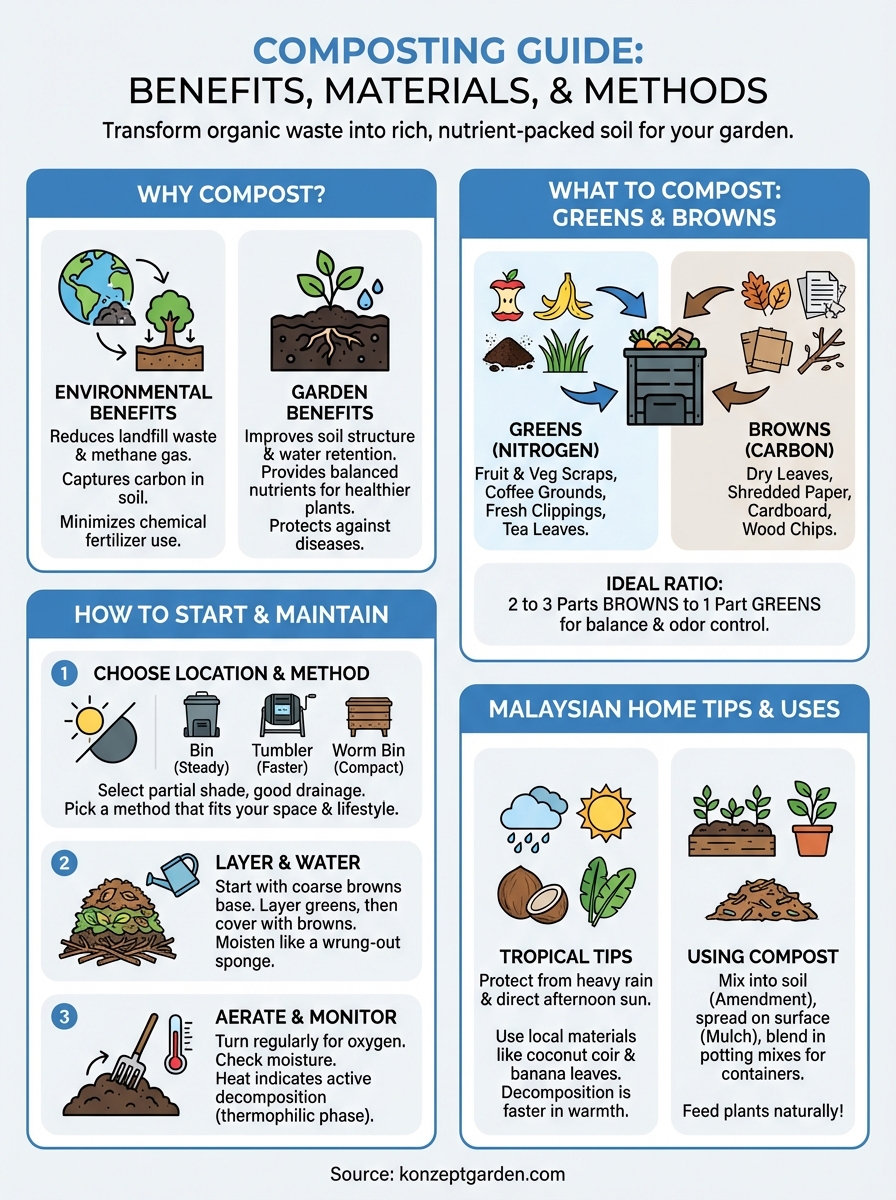
Bringing composting into your garden
You now understand what is composting and how it transforms your organic waste into valuable garden nutrition. Starting your composting system requires just a few simple steps: choose a location, gather your materials, and begin layering greens and browns. Within weeks, you'll see your pile heating up and breaking down, and within a few months, you'll harvest finished compost ready to feed your plants.
Malaysian gardens thrive when you combine composting with thoughtful landscape design that considers how organic matter cycles through your outdoor spaces. Your compost supports everything from vegetable beds to ornamental plants, creating healthier soil that reduces water usage and minimizes the need for synthetic fertilizers. If you're planning a comprehensive garden transformation that integrates composting areas with features like water gardens, our team at Konzept Garden can help you design a cohesive outdoor space where every element works together to create a sustainable, beautiful landscape.