
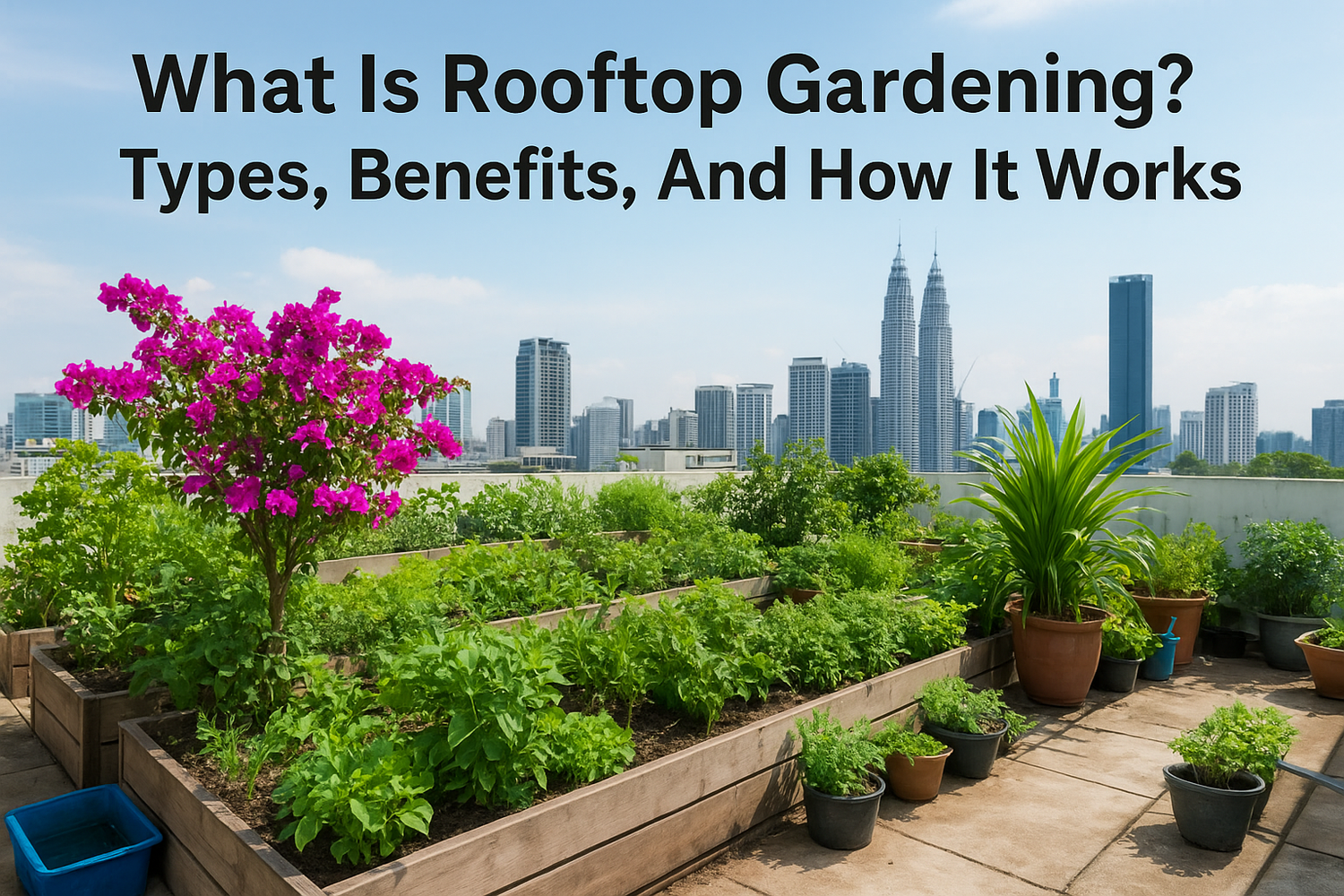
Every square meter of unused roof space is a missed opportunity, especially in Malaysian cities where land is expensive and green space is shrinking. So what is rooftop gardening, exactly? It's the practice of growing plants, vegetables, or even full ornamental gardens on top of buildings, turning otherwise empty rooftops into functional, living environments.
Rooftop gardens go beyond simple aesthetics. They help reduce urban heat, manage stormwater, improve air quality, and create usable outdoor spaces where none existed before. For homeowners and commercial property owners across Malaysia, a well-designed rooftop garden can add real value, both to daily living and to property worth.
At Konzept Garden, we've designed and built rooftop green spaces as part of our award-winning landscape design services, working with clients who want to make the most of every part of their property. This article breaks down the main types of rooftop garden systems, their practical benefits, how they actually work from a structural and drainage standpoint, and what you need to consider before starting one. Whether you're exploring the idea for a residential terrace or a commercial building, you'll find the answers here.
Why rooftop gardening matters in Malaysia
Malaysia's cities are getting hotter and more crowded every year. Kuala Lumpur and other urban centers have seen rapid development that replaces natural vegetation with concrete, creating what researchers call the urban heat island effect, where built-up areas absorb and retain significantly more heat than surrounding rural zones.
When you remove green space from a city, you increase energy consumption, worsen air quality, and reduce liveability for everyone in that environment.
The green space problem in Malaysian cities
Malaysian cities face a real shortage of accessible green space. High-density development has consumed land that would otherwise support trees, gardens, or parks, leaving residents with limited options for nature contact within their daily surroundings. Understanding what is rooftop gardening becomes especially relevant here: rooftops represent an untapped layer of space that exists above the urban footprint, without requiring any additional land acquisition.
For property owners in Malaysia, this matters practically. If your building sits in a dense neighborhood, your roof may be the only viable outdoor space you can develop into something green and functional.
Economic and environmental returns
A rooftop garden does more than look good. Energy savings are a measurable benefit: greenery acts as natural insulation, reducing the amount of heat that enters a building and cutting cooling costs, which in Malaysia's tropical climate adds up fast. Urban planning research consistently shows that green roofs lower surface temperatures by absorbing solar radiation rather than reflecting it back into the surrounding air.
From a property value perspective, a professionally designed rooftop garden can increase your building's appeal and market value. Developers and buyers increasingly see rooftop green spaces as a premium feature worth paying for.
Types of rooftop gardening systems
Not every rooftop garden looks the same. The system you choose depends on your building's structural capacity, your budget, and what you want to grow. Most rooftop gardens fall into three main categories, each with different requirements and outcomes.
Extensive systems
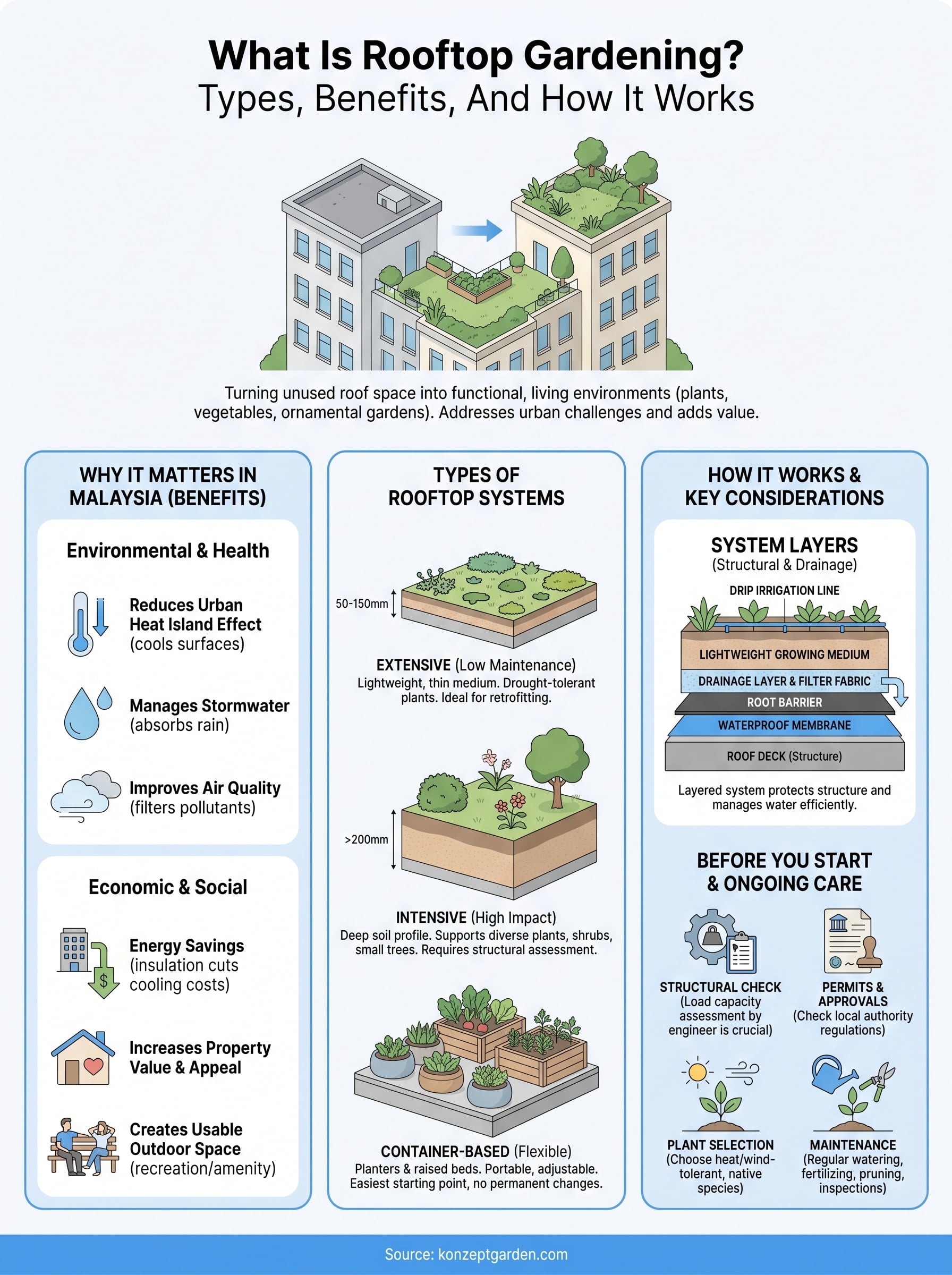
Extensive green roofs use a thin growing medium, typically 50 to 150mm deep, and support lightweight plants like sedums, mosses, and drought-tolerant grasses. They're low maintenance and put minimal load on the structure, making them a practical option for retrofitting existing buildings without major engineering changes.
Intensive systems
Intensive systems go deeper, with soil profiles exceeding 200mm, which means they can support shrubs, small trees, and a wider range of edible or ornamental plants. This is what most people picture when they ask what is rooftop gardening in a full landscape context.
Intensive rooftop gardens essentially recreate a ground-level garden experience above the building, but they require careful structural assessment before any installation begins.
Container-based gardens
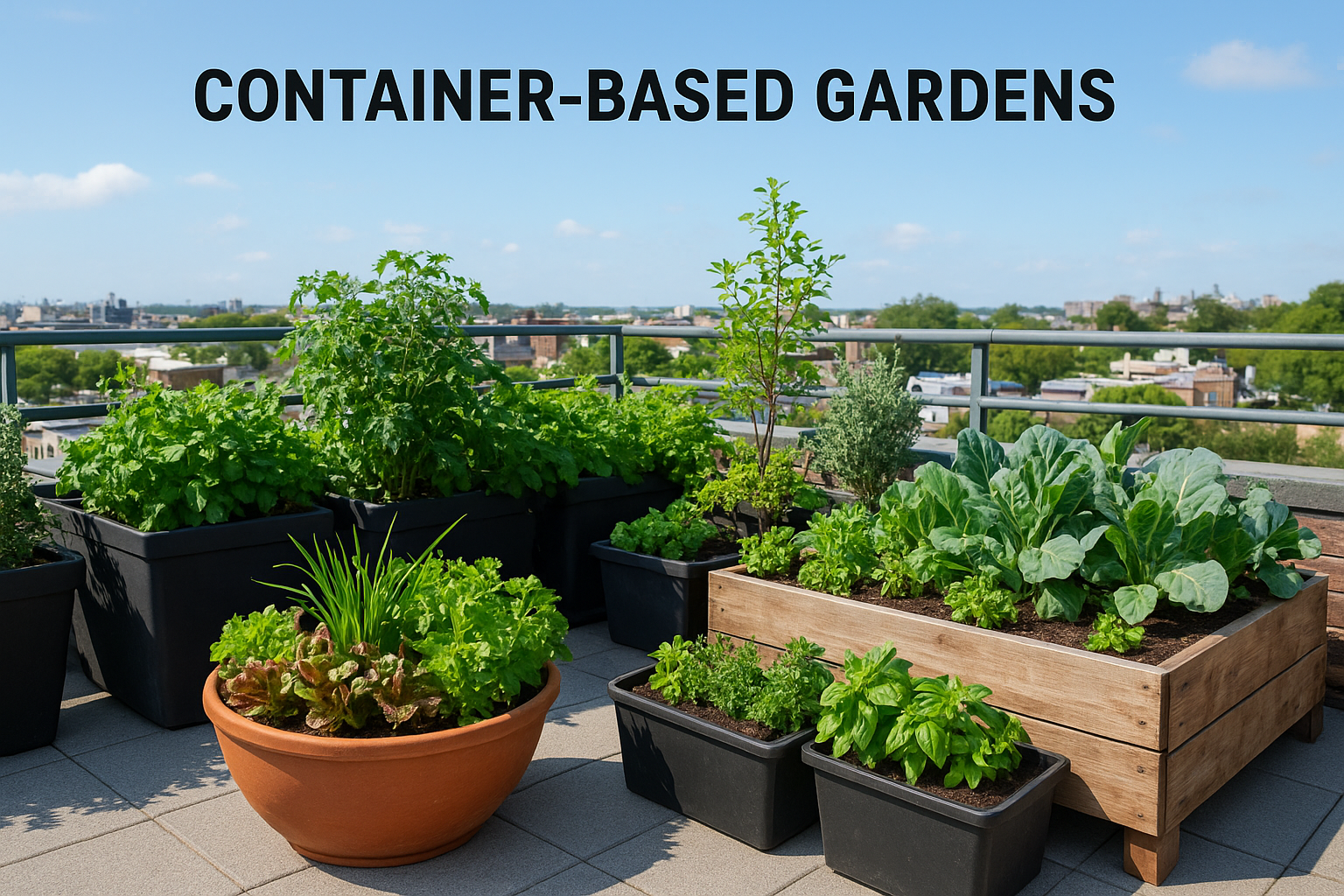
Container gardens are the most accessible starting point for most property owners. You place individual planters or raised beds directly on the roof surface, giving you flexibility to rearrange, expand, or remove the setup without making permanent modifications to the building itself.
How rooftop gardening works step by step
Understanding what is rooftop gardening from a structural standpoint helps you plan realistically. Every rooftop garden builds up from the roof deck in distinct layers, with each one serving a specific protective or functional role.
Waterproofing and drainage layers
Your installation starts with a waterproof membrane applied directly to the roof deck. On top of that, a drainage layer moves excess water away from plant roots and toward the building's outlets, preventing waterlogging. The typical layer order looks like this:
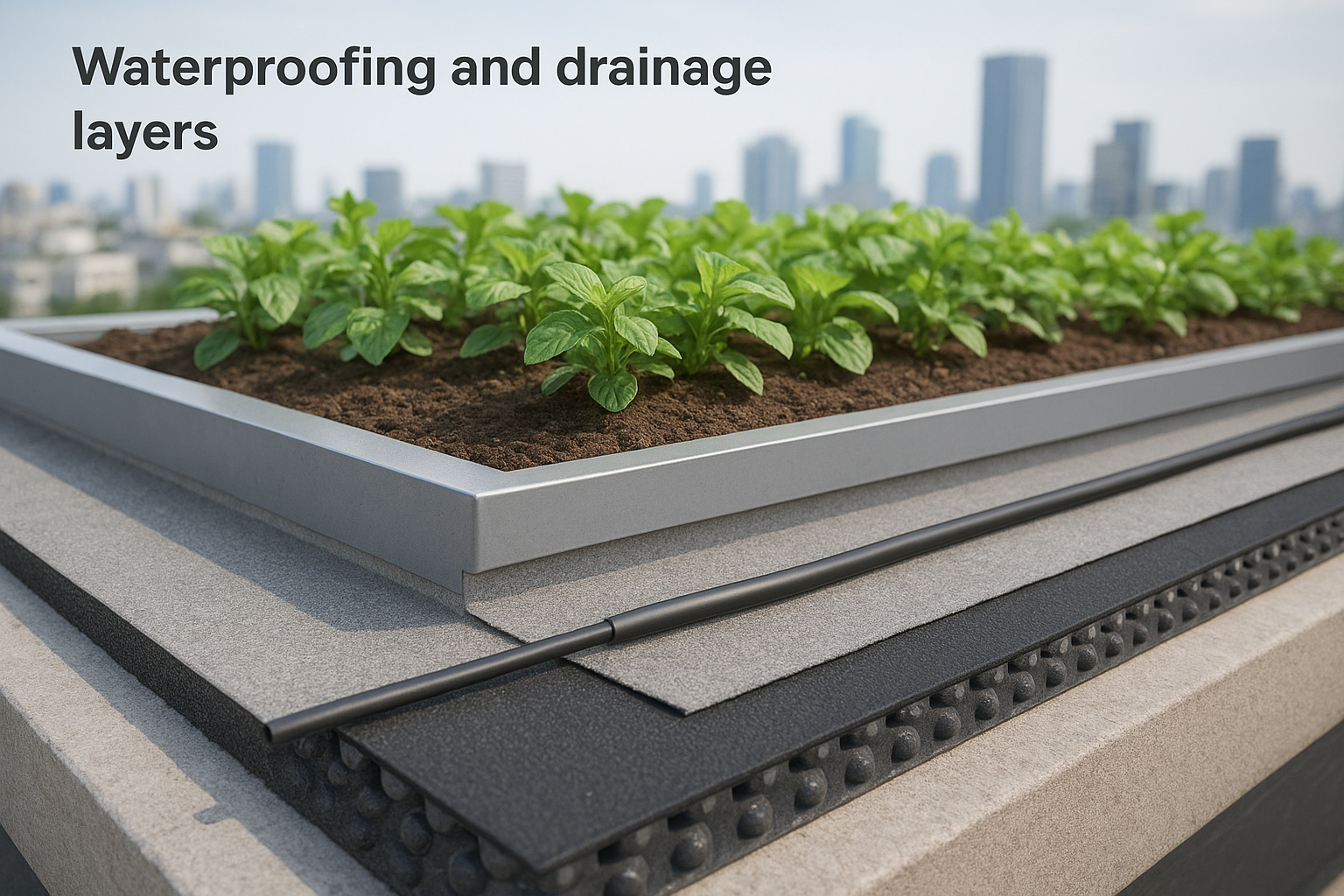
- Waterproof membrane
- Root barrier
- Drainage layer
- Filter fabric
Getting these foundational layers right is non-negotiable; errors here cause leaks and structural damage that cost far more to fix than getting the installation correct from the start.
Growing medium and plant installation
Once drainage is in place, you add a lightweight growing substrate engineered specifically for rooftop conditions. Standard garden soil is too dense and too heavy for most building structures. Your plants go into this substrate, with drip irrigation lines running alongside them to deliver water consistently and reduce waste. This setup matters especially in Malaysia, where unpredictable heavy rain and dry spells both demand a managed approach to watering rather than relying on rainfall alone.
Planning, permits, and safety basics
Before you install anything, you need to answer one question: can your roof actually hold the weight? This is the most critical starting point for any rooftop garden project. A structural engineer must assess your building's load-bearing capacity before you commit to any system or spend money on materials.
Structural load and waterproofing checks
Your building's structural reports will tell you how many kilograms per square meter your roof can safely support. Wet soil, planters, people, and irrigation equipment all contribute to the total load. Even a container-based garden adds significant weight when fully watered, so you need verified numbers before planning anything specific.
Skipping a structural assessment is the single most common and most expensive mistake property owners make when exploring what is rooftop gardening for the first time.
Permits and local regulations in Malaysia
Local authorities in Malaysia, including DBKL in Kuala Lumpur and equivalent bodies in other states, may require approval before you modify your roof structure or add significant weight loads. Check with your local municipal council early in the process to understand what approvals apply to your property type and intended scope of work.
Plant choices and ongoing maintenance
A common question when exploring what is rooftop gardening is which plants actually survive the conditions up there. Rooftops expose plants to stronger winds, more intense sun, and faster soil drying than ground-level gardens, making species selection more important here than in any other garden setting. Choosing plants suited to these conditions from the start saves you significant time and money on replacements later.
Best plants for Malaysian rooftop conditions
Malaysia's tropical climate gives you a natural advantage with year-round warmth, but you still need to select species that handle direct sun and occasional heavy rain without constant intervention. Heat-tolerant ornamentals like bougainvillea, heliconias, and dwarf palms perform well in rooftop environments. For edible gardens, leafy vegetables such as kangkung, pandan, and herbs like lemongrass and basil adapt well to container growing in Malaysian conditions.
Prioritizing native or locally adapted species dramatically reduces your maintenance workload while keeping your rooftop garden looking healthy year-round.
Maintenance tasks to plan for
Regular watering, fertilizing, and pruning form the core of rooftop garden upkeep. Drip irrigation systems handle watering efficiently, but you still need to check for blocked emitters, pest activity, and root-bound containers on a monthly basis to prevent small issues from escalating.
Key tasks to schedule regularly:
- Monthly: inspect irrigation lines and check for pests
- Quarterly: fertilize plants and top up growing medium
- Annually: inspect the waterproofing membrane beneath the garden layers
A simple way to get started
Now that you understand what is rooftop gardening and how it works in practice, the next step is getting a professional eye on your specific roof space. Every building is different, and the combination of structural load, sun exposure, and drainage setup on your roof determines which system will work best for you.
Starting with a consultation saves you from costly mistakes down the line. A qualified landscape designer can assess your space, recommend the right system and plant selection, and manage the installation from structural checks through to planting. At Konzept Garden, we bring award-winning design expertise and full end-to-end implementation to every project, including rooftop spaces. If you're ready to turn your roof into a functional green space, contact our design team to get your free quotation and start planning.