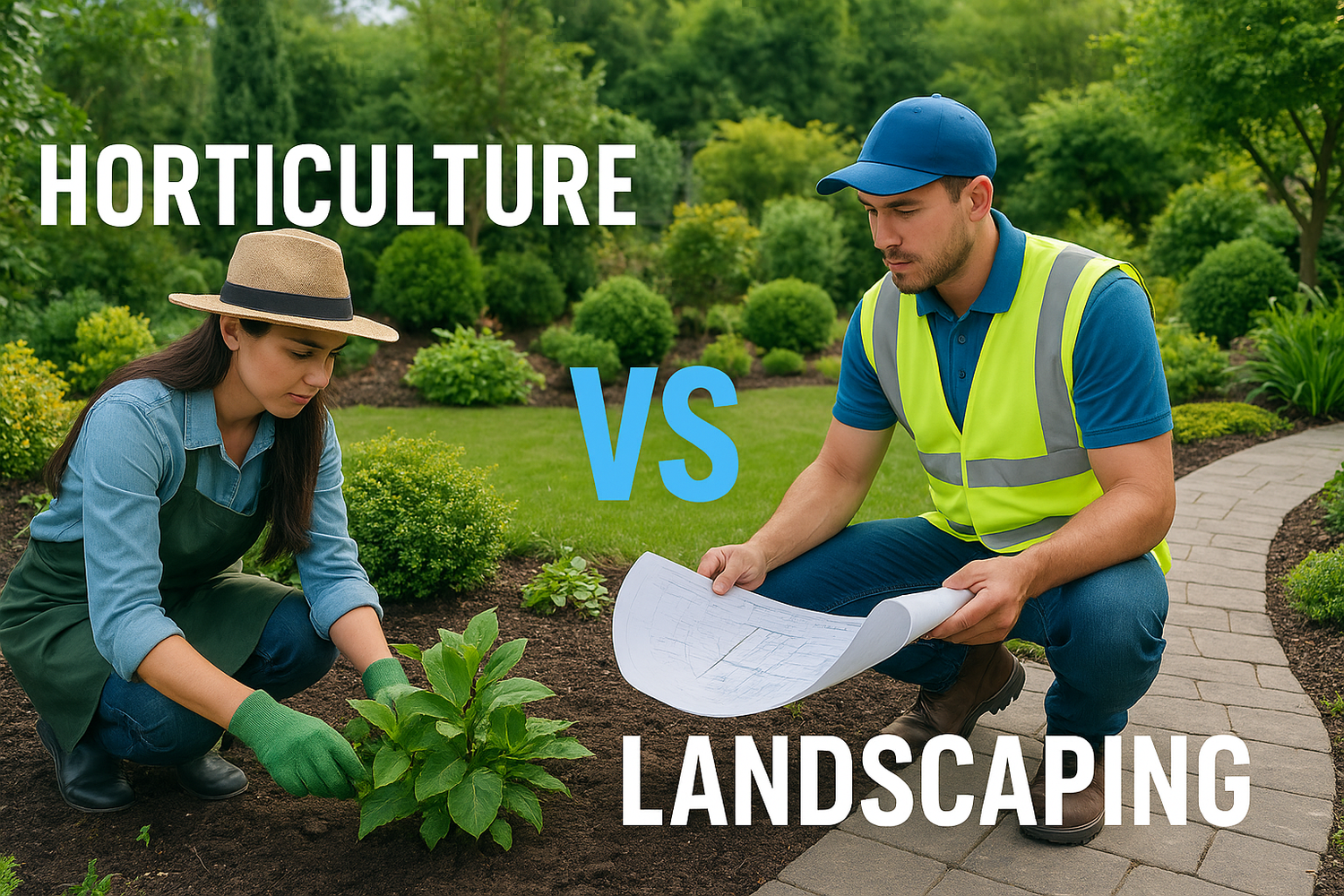
People use the terms horticulture vs landscaping interchangeably all the time, but they refer to two quite different disciplines. One is rooted in plant science: how plants grow, what they need, and why certain species thrive in specific conditions. The other focuses on designing and building outdoor environments where those plants (along with hardscape, water features, and structures) come together into a functional space.
At Konzept Garden, we work at the intersection of both fields every day. Our team pairs botanical knowledge with spatial design to create gardens across Malaysia that actually perform well long-term, not just look good on paper. That hands-on experience gives us a practical perspective on where these two disciplines overlap and where they sharply diverge.
This article breaks down the core differences between horticulture and landscaping, from daily responsibilities and required skills to education paths and career options. Whether you're considering a professional direction in either field or simply want to understand what each one actually involves, you'll walk away with a clear picture of how these two areas connect, and how they don't.
Why the difference matters
Knowing the distinction between horticulture and landscaping isn't just academic. Hiring the right professional for the right job can determine whether your outdoor project succeeds or stalls. If you bring in a horticulturist when you need a landscape designer, you'll get deep plant knowledge but likely no spatial planning, drainage strategy, or structural design. Go the other direction, and you might end up with a beautifully designed space that struggles to keep its plants alive because soil conditions or species selection weren't properly addressed.
The difference between horticulture and landscaping often determines whether a garden survives its first year or thrives for decades.
When the wrong specialist creates real problems
The gap between these two fields becomes most obvious when a project goes wrong. A homeowner who hires a landscaper to diagnose why their plants are dying, for example, might not get the plant pathology expertise they actually need. Similarly, asking a horticulturist to design a full garden layout with grading, paving, and irrigation often falls outside their training. Both scenarios waste time and money.
In Malaysia's heat and humidity, where rainfall patterns put real stress on outdoor spaces, matching expertise to the task matters even more. A poorly selected plant species in a high-moisture area, or a hardscape design that ignores drainage, can create ongoing problems that are expensive to fix.
How the two fields support each other
The most effective outdoor projects, whether residential gardens or commercial landscapes, draw on both disciplines. Horticulture informs what plants to use, how to arrange them for healthy growth, and how to manage soil and pest conditions. Landscaping provides the design framework, the spatial logic, and the physical construction that turns those plants into a coherent outdoor environment.
Understanding the horticulture vs landscaping divide helps you ask better questions when you engage professionals, set more realistic expectations, and build a team that covers both sides of what a successful garden actually requires.
What horticulture covers
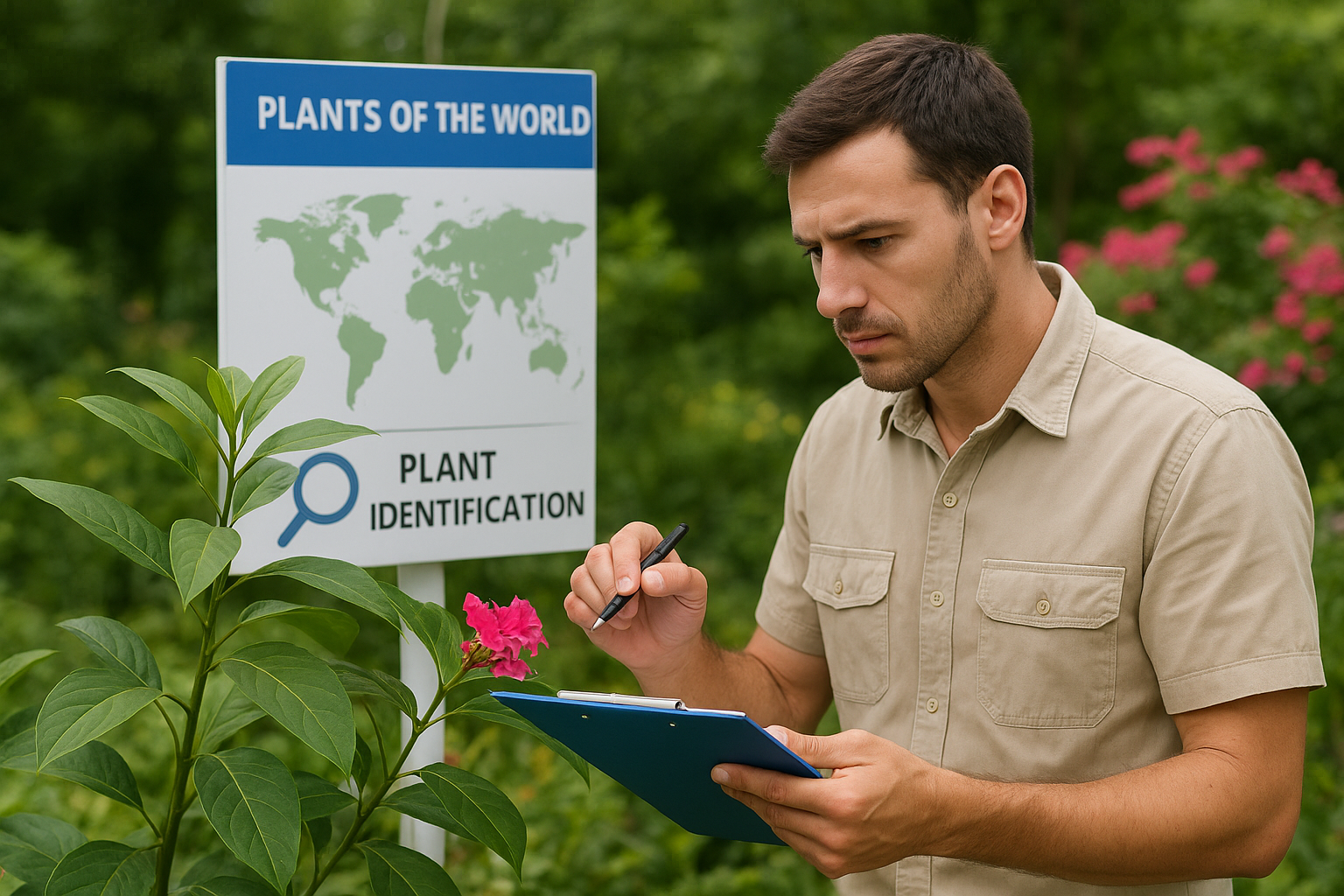
Horticulture is the science and practice of growing, managing, and improving plants. It covers everything from soil chemistry and plant physiology to pest management, propagation, and post-harvest handling. Horticulturists study why plants behave the way they do and apply that knowledge to produce healthier, more productive plant life in controlled or natural environments.
The core branches of horticulture
The field divides into several distinct areas. Pomology focuses on fruit crops, olericulture covers vegetables, floriculture deals with ornamental flowers and foliage, and arboriculture specializes in trees and woody plants. Each branch requires its own technical depth, but all share a foundation in plant biology, nutrition, and environmental science. Knowing which branch applies to your project helps you find the right specialist from the start.
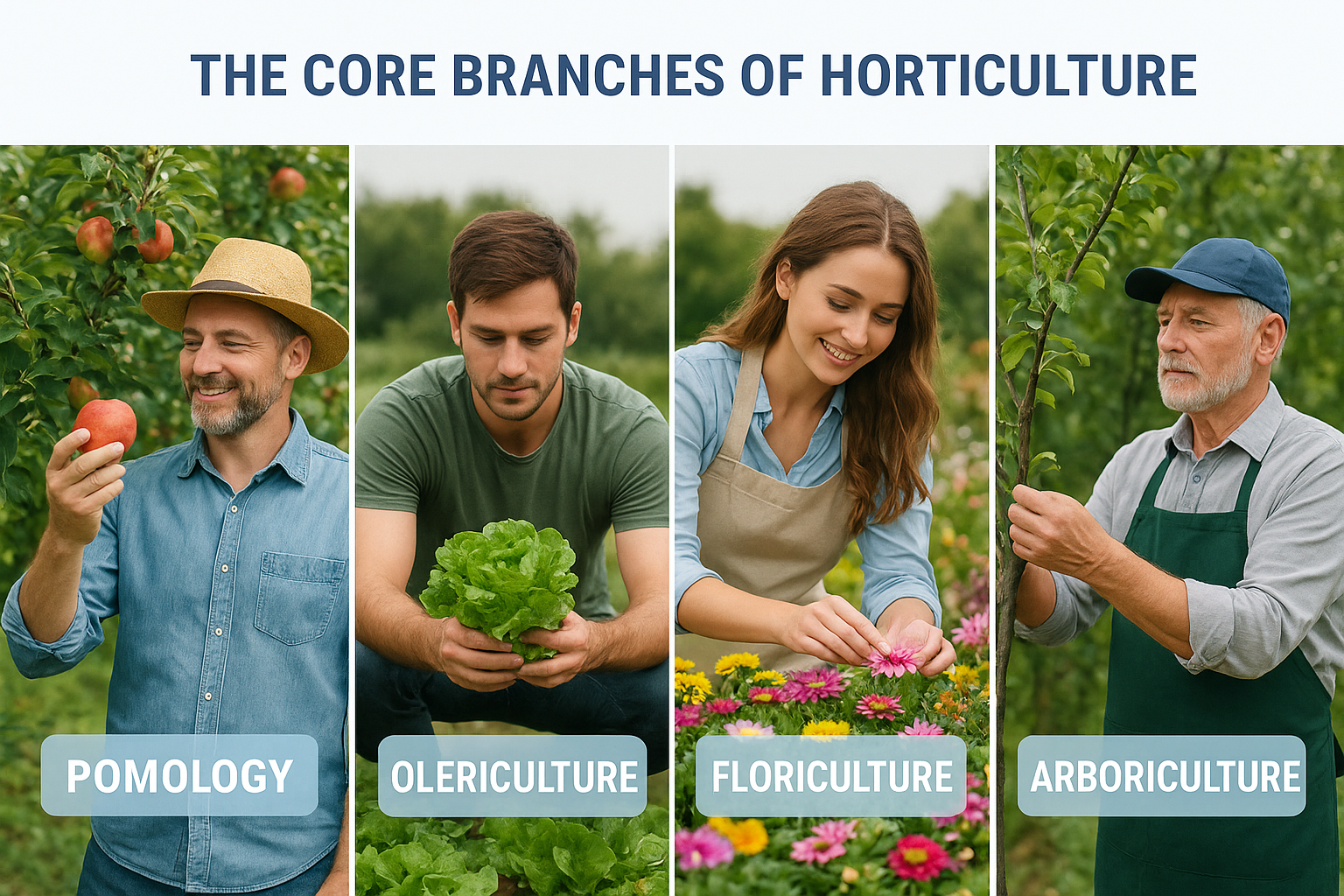
Hiring a horticulturist with the wrong specialization is just as costly as skipping plant expertise entirely.
Where horticulture diverges from landscape design
In practical terms, a horticulturist's work centers on the plant itself rather than the overall design of a space. They assess soil pH, diagnose disease, recommend species suited to specific microclimates, and build maintenance programs that keep plants performing over time. When you're comparing horticulture vs landscaping, this plant-first focus is the clearest dividing line. In Malaysia's tropical conditions, that expertise becomes critical when you're selecting species that handle high humidity, intense heat, and seasonal rainfall without constant, costly intervention.
What landscaping covers
Landscaping focuses on designing, building, and managing outdoor spaces as complete environments. Where horticulture centers on the plant itself, landscaping centers on the overall spatial experience: how a garden flows, how people move through it, and how every element from paths to planting beds works together as a system.
The components of a landscape design
A landscape project typically involves both softscape and hardscape elements. Softscape covers the living components: plants, turf, soil, and mulch. Hardscape includes non-living structures like paving, retaining walls, pergolas, water features, and drainage systems. A landscape designer plans how these elements interact, making sure the space is functional, visually coherent, and built to handle real-world conditions.
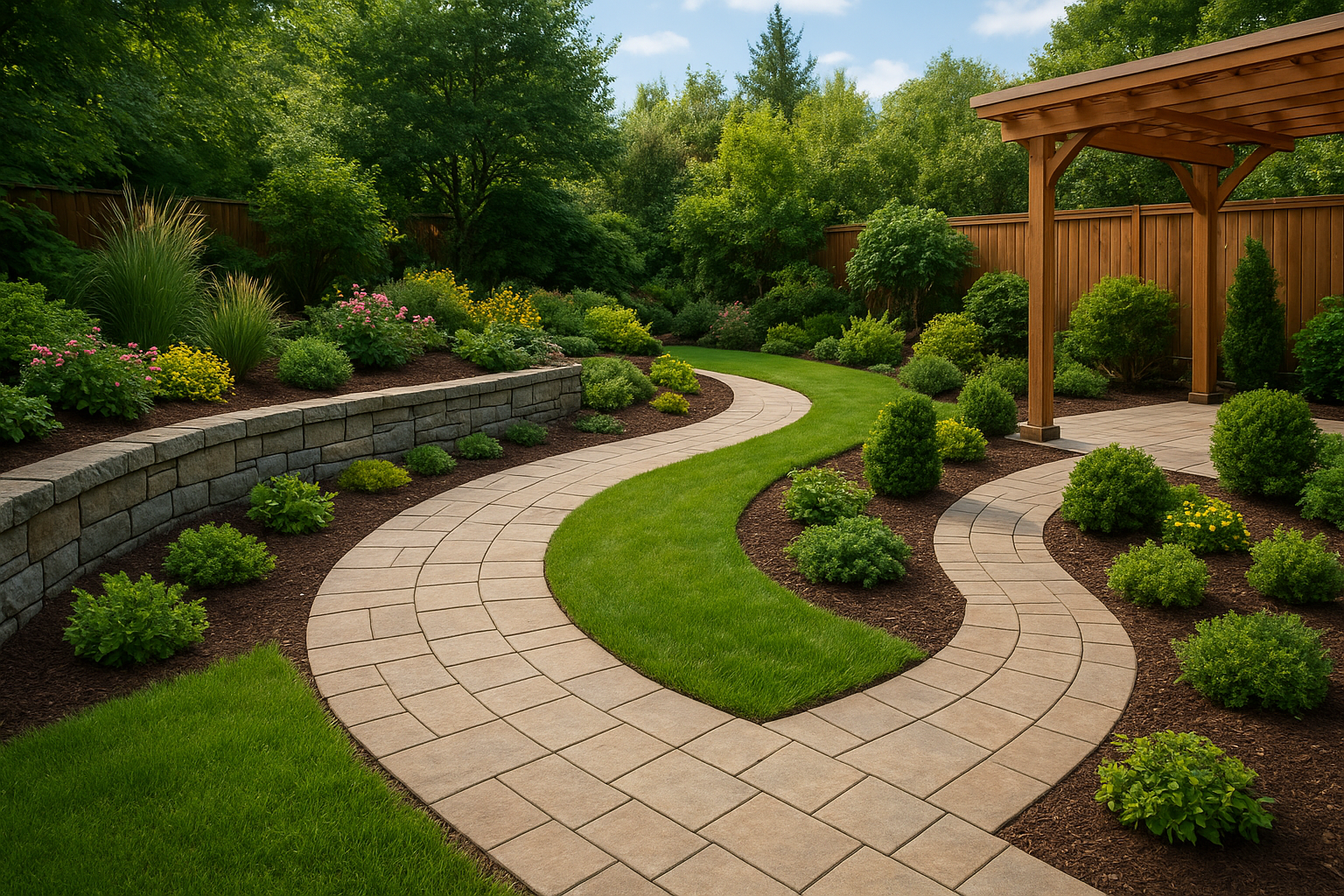
Good landscape design solves problems first and creates beauty second.
Where landscaping diverges from horticulture
When you compare horticulture vs landscaping, landscaping draws more heavily on design principles, site analysis, and construction knowledge than on plant science. A landscape designer reads a site's topography, sun exposure, and drainage patterns before selecting any plants at all. In Malaysia, that means accounting for heavy tropical rainfall, managing water runoff, and choosing materials that hold up in high humidity.
Your landscape designer also acts as a project coordinator, managing contractors, schedules, and material procurement to bring a design from concept to completion. That broad oversight role is what separates landscaping from the more specialized, plant-focused work that defines horticulture.
Skills and tools used in each field
The practical gap between horticulture vs landscaping shows up clearly in the skills each professional builds and the tools they reach for daily. Horticulturists work with biological systems, while landscape designers work with spatial systems. Both require technical fluency, but in very different directions.
Horticulture skills and tools
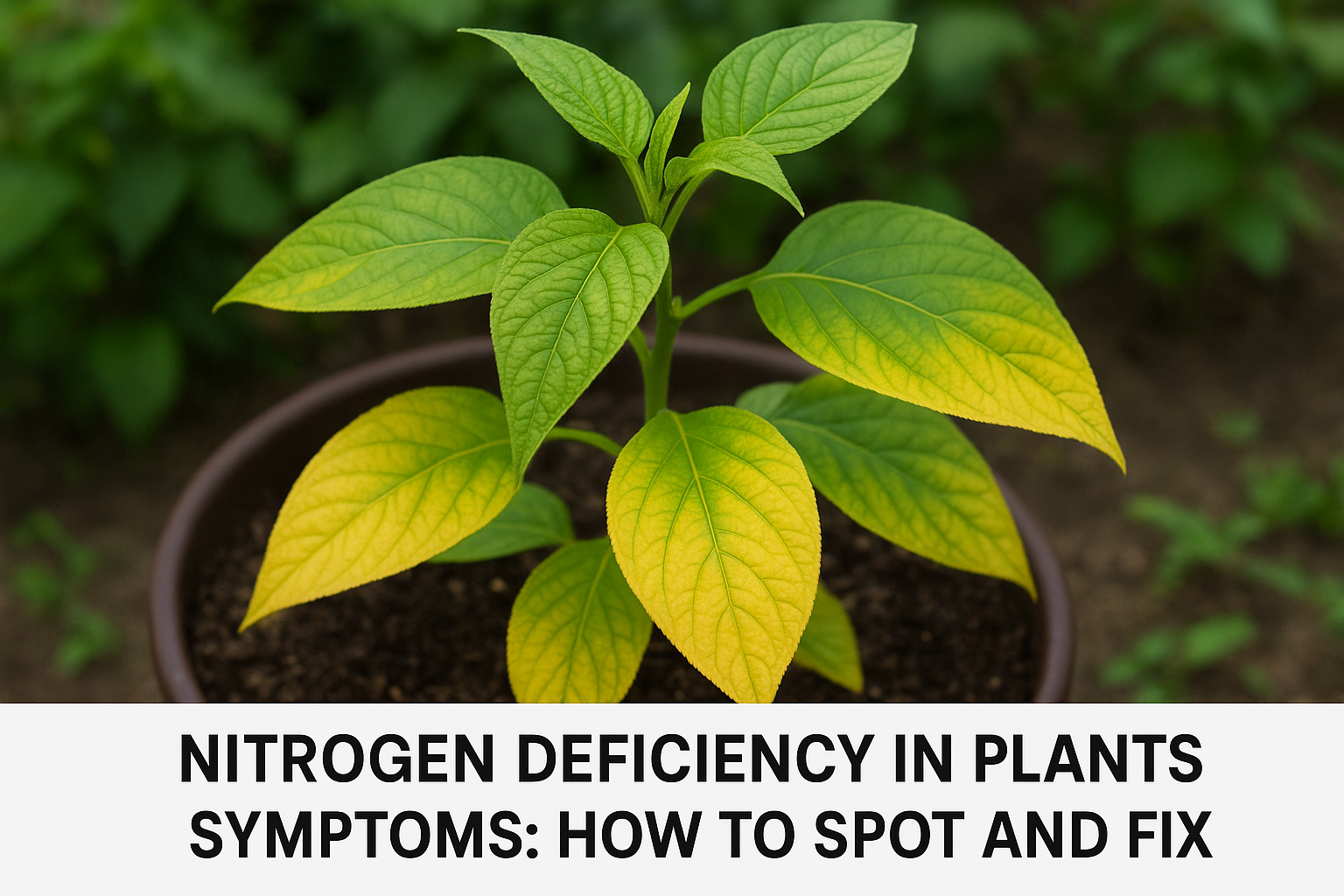
A horticulturist needs strong grounding in plant physiology, soil science, and pest identification. They read soil test results, diagnose nutrient deficiencies, and build fertilization programs based on what specific species require. Their core tools include pH meters, pruning equipment, propagation trays, and diagnostic testing kits for soil and plant tissue analysis. In Malaysia's tropical climate, reading humidity levels and identifying fungal threats early are practical skills that protect entire plantings.
A horticulturist's most important tool is their ability to observe a plant and understand what it's telling them.
Landscaping skills and tools
Landscape designers rely on spatial thinking, site analysis, and construction knowledge alongside plant selection. They work with design software to produce layouts and 3D visualizations, and they use survey data to plan grading, drainage, and hardscape placement. On-site, project management skills matter just as much as design ability since a landscape designer coordinates contractors, material deliveries, and installation sequences. Understanding how materials perform in Malaysia's heat and rainfall is essential for specifying finishes and structures that hold up over time.
Education and careers in horticulture and landscaping
Choosing between horticulture vs landscaping as a career starts with understanding what each path actually demands from you academically and practically. Both fields offer formal education routes, but the core coursework and professional focus differ significantly from the first year onward.
Paths into horticulture
Horticulture programs typically sit within agricultural or biological science departments at universities. You'll cover plant physiology, soil science, and pest management at a technical level. In Malaysia, institutions like Universiti Putra Malaysia offer dedicated programs that feed into roles in research, crop production, and specialized plant consultancy. Certification through professional bodies strengthens your standing in focused areas like arboriculture or floriculture.
A horticulture qualification opens doors far beyond garden work, including food production, botanical conservation, and applied plant research.
Paths into landscaping
Landscape design education draws from architecture, environmental design, and spatial planning rather than plant biology. Programs focus on site analysis, design principles, construction documentation, and project management. You can pursue a diploma or degree in landscape architecture, with professional registration available through bodies like the Institute of Landscape Architects Malaysia (ILAM). On-the-job experience and a strong design portfolio carry significant weight when entering the field. Common career directions include:
- Landscape architect
- Garden designer
- Urban planning consultant
- Outdoor space project manager
Key takeaways and next steps
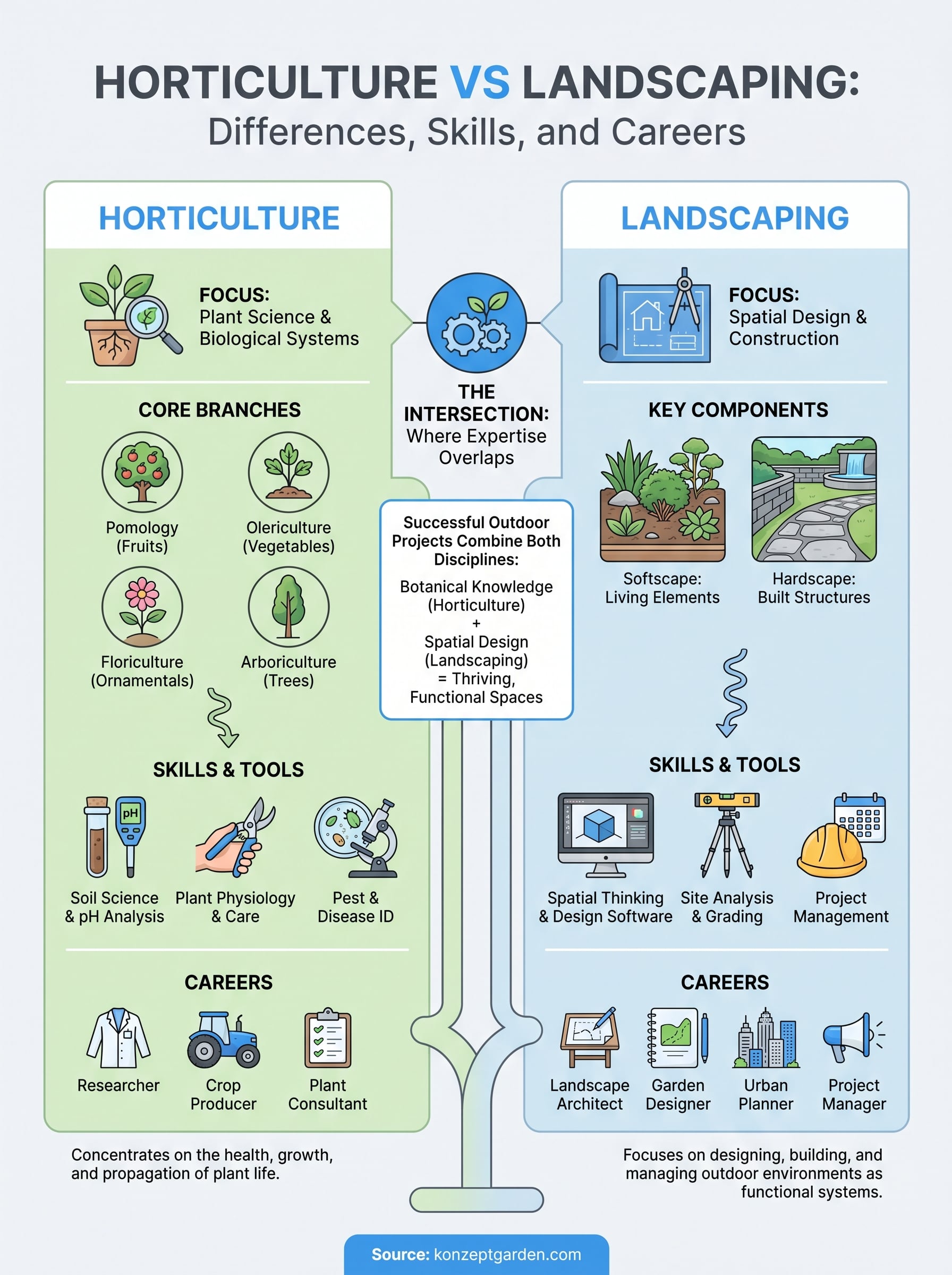
The core distinction in horticulture vs landscaping comes down to focus: horticulture centers on plant science and biological systems, while landscaping centers on spatial design and construction. One field asks why plants grow the way they do; the other asks how to build an environment where those plants can actually thrive long-term. The strongest outdoor projects draw on both disciplines, which is why knowing the difference helps you hire correctly and set realistic expectations for any garden project.
Your next step depends on what you're trying to achieve. If you want a professionally designed garden that balances deep plant knowledge with thoughtful spatial planning, you need a team that brings both perspectives together. At Konzept Garden, we combine botanical expertise with award-winning landscape design to create outdoor spaces that hold up in Malaysia's tropical climate for years to come. Get in touch with our team to start the conversation about your outdoor project.