
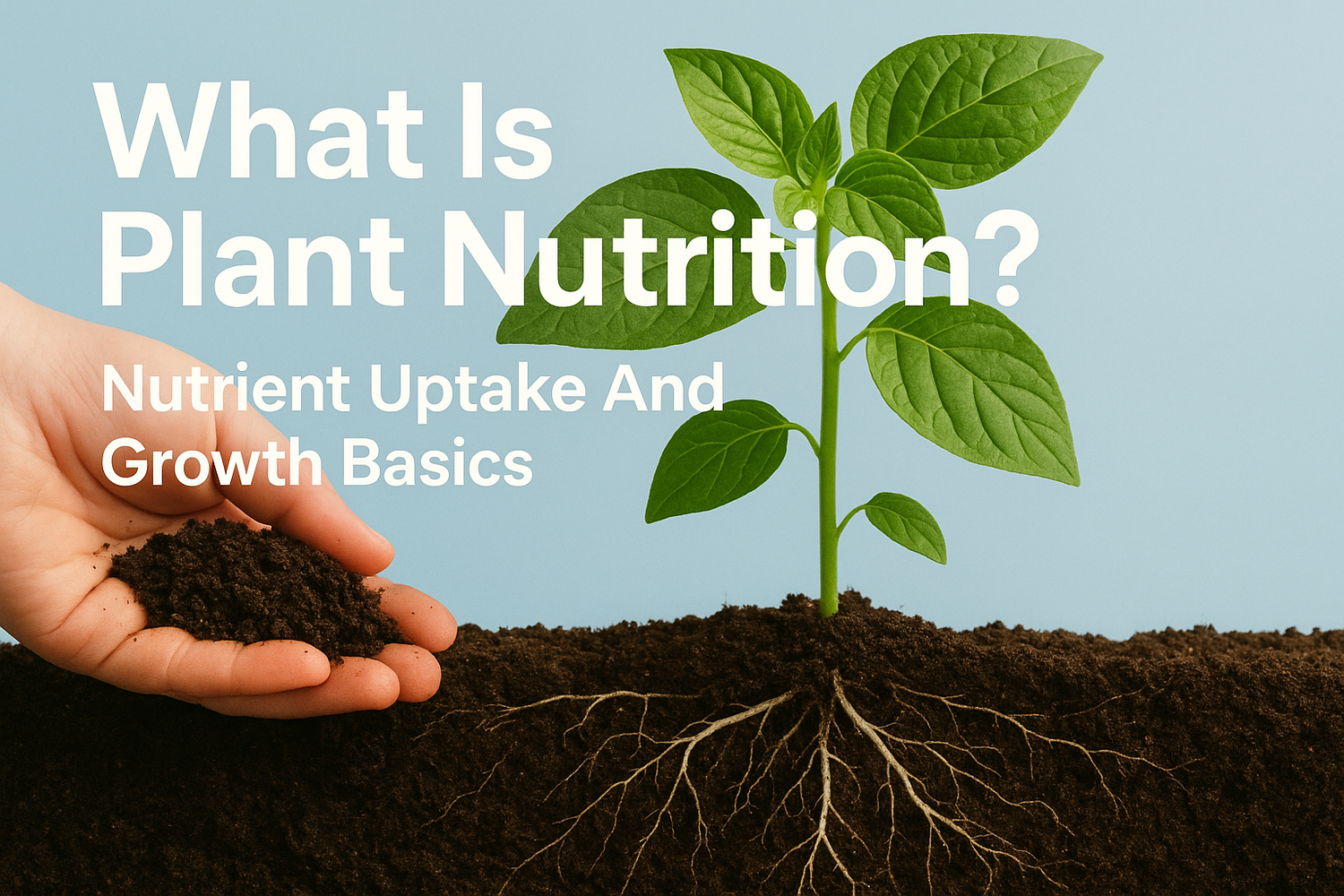
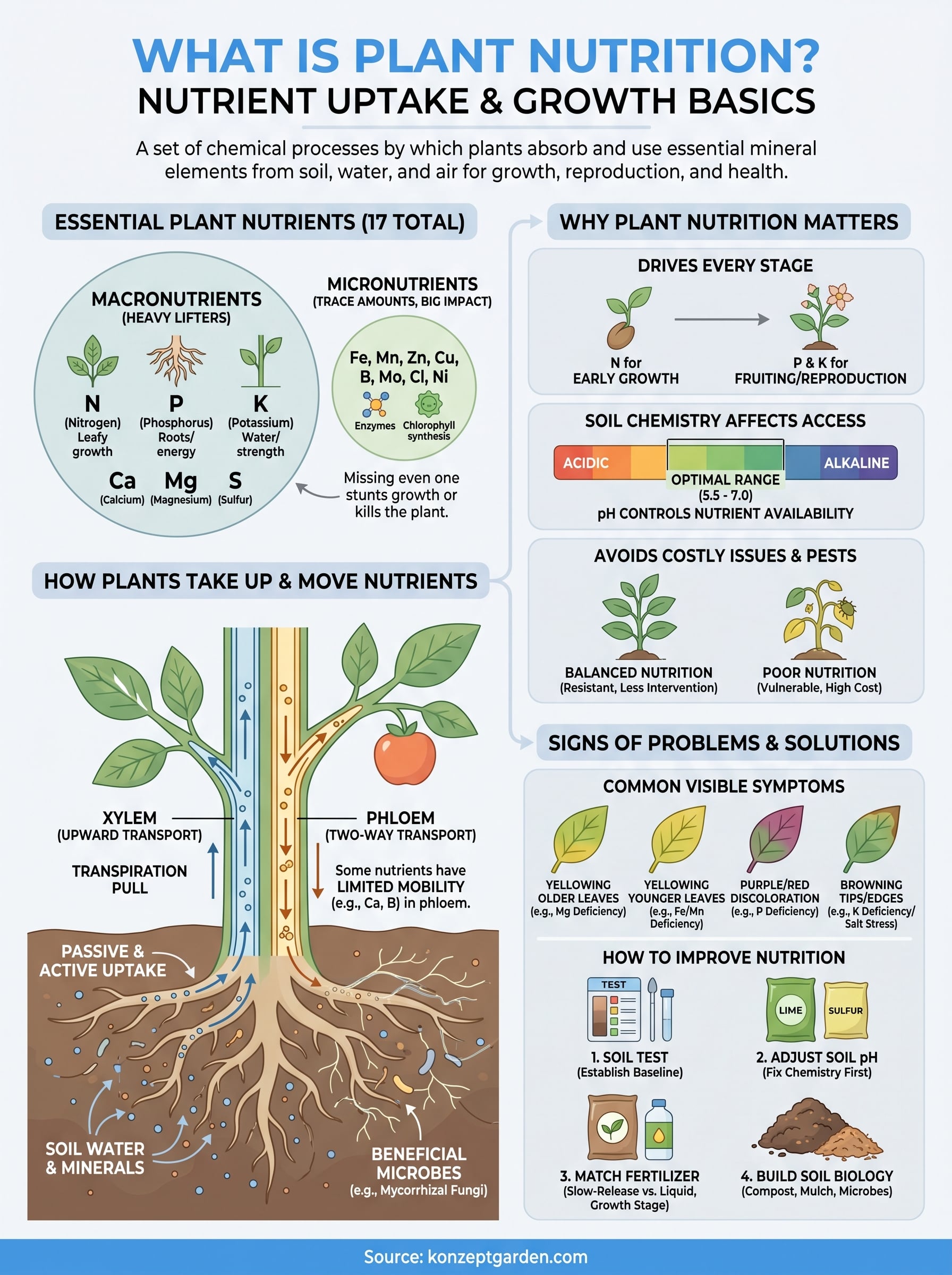
Every thriving garden starts below the surface. If you've ever wondered what is plant nutrition, the short answer is this: it's the set of chemical processes through which plants absorb and use essential mineral elements from soil, water, and air to fuel their growth, reproduction, and overall health.
But the full picture matters more than a textbook definition. Plants need at least 17 nutrients to survive, and a deficiency in even one of them can stunt growth, yellow leaves, or kill a plant outright. Understanding how roots take up these nutrients, and what each nutrient actually does inside a plant, gives you real control over the health of your garden. It's the difference between guessing and making informed decisions about soil, fertilizer, and planting choices.
At Konzept Garden, we work with these principles every day. Our landscape design and planting plans for homes and commercial spaces across Malaysia are rooted in botanical expertise, not just aesthetics. Knowing how plants feed is central to how we select species, prepare soil, and build gardens that stay healthy long after installation. This article breaks down the fundamentals of plant nutrition, from macronutrients and micronutrients to how absorption works at the root level, so you can apply that same knowledge to your own green spaces.
Why plant nutrition matters for healthy growth
Plants depend entirely on what's available in their immediate environment, which means the quality of their growing conditions directly determines how well they develop. When you understand what is plant nutrition and how it drives biological function, you stop treating feeding as an afterthought and start treating it as a core part of your gardening practice. Everything from leaf color to root depth to flowering frequency traces back to nutrient availability.
Nutrition drives every stage of plant development
From the moment a seed germinates, nutrients control what happens next. Nitrogen fuels early vegetative growth, pushing out leaves and stems so the plant can capture sunlight efficiently. As the plant matures, it shifts priorities toward flowering and reproduction, drawing more heavily on phosphorus and potassium to support those processes. Without the right nutrients at each stage, growth stalls, and no amount of watering or sunlight compensates for that gap.
Consider a mango tree growing in nutrient-poor soil. It might survive, but it produces fewer fruits, weaker branching, and becomes more vulnerable to pests and disease. The same principle applies to ornamental plants, ground covers, and turf. Nutrient availability at each growth stage shapes the plant's entire lifespan, not just its immediate appearance.
A plant that looks healthy on the surface can still be running on a nutrient deficit, quietly losing its capacity to flower, fruit, or resist disease.
Why soil chemistry directly affects what your plants receive
Soil is not just a physical anchor for roots. It's a dynamic chemical environment where nutrients exist in different forms, some available to roots immediately, others locked into minerals or organic matter. The pH level of your soil controls how well plants access specific nutrients. At a pH that's too high or too low, even a soil rich in nutrients delivers very little to the plant because the chemistry blocks uptake.
Tropical soils in Malaysia present specific challenges. Heavy rainfall leaches water-soluble nutrients like nitrogen and potassium out of the root zone quickly, and high humidity accelerates microbial activity that alters nutrient cycles. Your plants here often need more consistent feeding than those in drier or cooler climates. Knowing this helps you make smarter decisions about soil preparation and ongoing fertilization for your specific conditions.
The cost of ignoring plant nutrition
Neglecting nutrition doesn't just affect individual plants. It affects the visual quality and long-term stability of an entire garden. When multiple plants in a landscape share similar nutrient demands and the soil can't meet them, you see widespread decline across the space rather than isolated problems. Replanting costs money, and addressing advanced deficiencies takes far longer than preventing them from the start.
Strong nutrition management also reduces your reliance on pesticides and fungicides. Nutritionally balanced plants build stronger cell walls and more robust immune responses, making them harder for pathogens and insects to attack. Putting attention into plant nutrition early pays back in a garden that requires far less reactive intervention over time.
Essential plant nutrients and what they do
To fully grasp what is plant nutrition, you need to know which elements plants actually require and what each one does. Scientists have identified 17 essential nutrients that plants must have to complete their life cycle. These fall into two main categories: macronutrients, which plants consume in large quantities, and micronutrients, which plants need only in trace amounts but still cannot do without.
Macronutrients: the heavy lifters
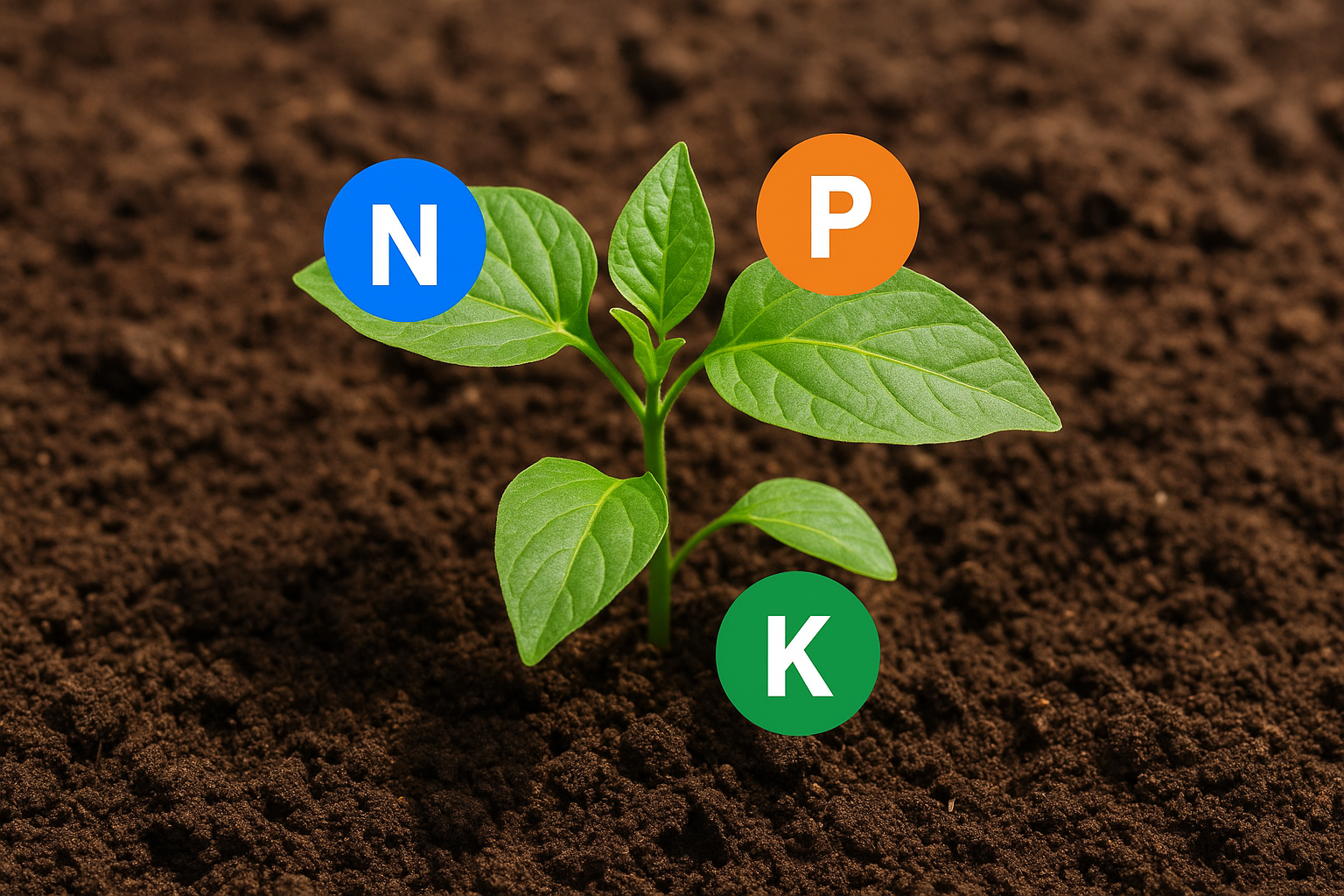
Plants pull macronutrients from soil in the greatest volumes, so shortages show up fast. The primary macronutrients are nitrogen (N), phosphorus (P), and potassium (K), which you'll recognize as the three numbers printed on most fertilizer bags. Nitrogen drives leafy growth and chlorophyll production, phosphorus supports root development and energy transfer, and potassium regulates water movement inside cells and strengthens stems.
The secondary macronutrients, calcium, magnesium, and sulfur, also carry significant roles. Calcium strengthens cell walls and helps roots absorb other nutrients. Magnesium sits at the center of every chlorophyll molecule, making it essential for photosynthesis. Sulfur contributes to protein synthesis and gives certain plants their characteristic flavors and aromas.
Without adequate macronutrients, no other input, including water, sunlight, or microbial activity, can fully compensate for what the plant is missing.
Micronutrients: small amounts, big impact
Micronutrients include iron, manganese, zinc, copper, boron, molybdenum, chlorine, and nickel. Plants absorb these in tiny quantities, but each one performs specific biochemical functions that macronutrients cannot replace. Iron is critical for chlorophyll synthesis even though it doesn't form part of the chlorophyll molecule itself. Zinc activates enzymes that regulate growth hormones, and boron controls how sugars move between cells.
Deficiencies in micronutrients are common in sandy or heavily leached soils, which describes many garden beds in Malaysia's high-rainfall regions. Because the amounts required are so small, toxicity can also become a problem if you over-apply them, so precise soil testing before supplementing micronutrients is always worth the effort.
How plants take up and move nutrients
Understanding what is plant nutrition means going deeper than just knowing which elements matter. The process starts at the root tip, where root hair cells dramatically increase surface area to maximize contact with soil water. Nutrients dissolved in that water move into roots through two main mechanisms: passive diffusion, which requires no energy from the plant, and active transport, which uses energy to pull in nutrients present in lower concentrations than inside the cell.
Root absorption: where nutrition begins
Roots don't just sit in soil waiting for nutrients to arrive. They actively release compounds called root exudates into the surrounding soil to dissolve minerals and attract beneficial microbes. Mycorrhizal fungi form partnerships with most plant species, extending the root network far beyond what roots alone could reach. These fungal threads access phosphorus and micronutrients in pockets of soil that roots physically cannot enter, effectively multiplying the plant's feeding capacity.
Healthy soil biology, including fungi and bacteria, is not a bonus in plant nutrition. It's a core part of how most plants feed themselves.
How nutrients travel once inside the plant
Once absorbed, nutrients move through two internal transport systems. The xylem carries water and mineral nutrients upward from roots to shoots, driven largely by the pull created when leaves lose water through transpiration. The phloem moves sugars and some nutrients in both directions, redistributing resources to wherever the plant needs them most, whether that's a developing fruit, a growing tip, or a root system expanding into new soil.
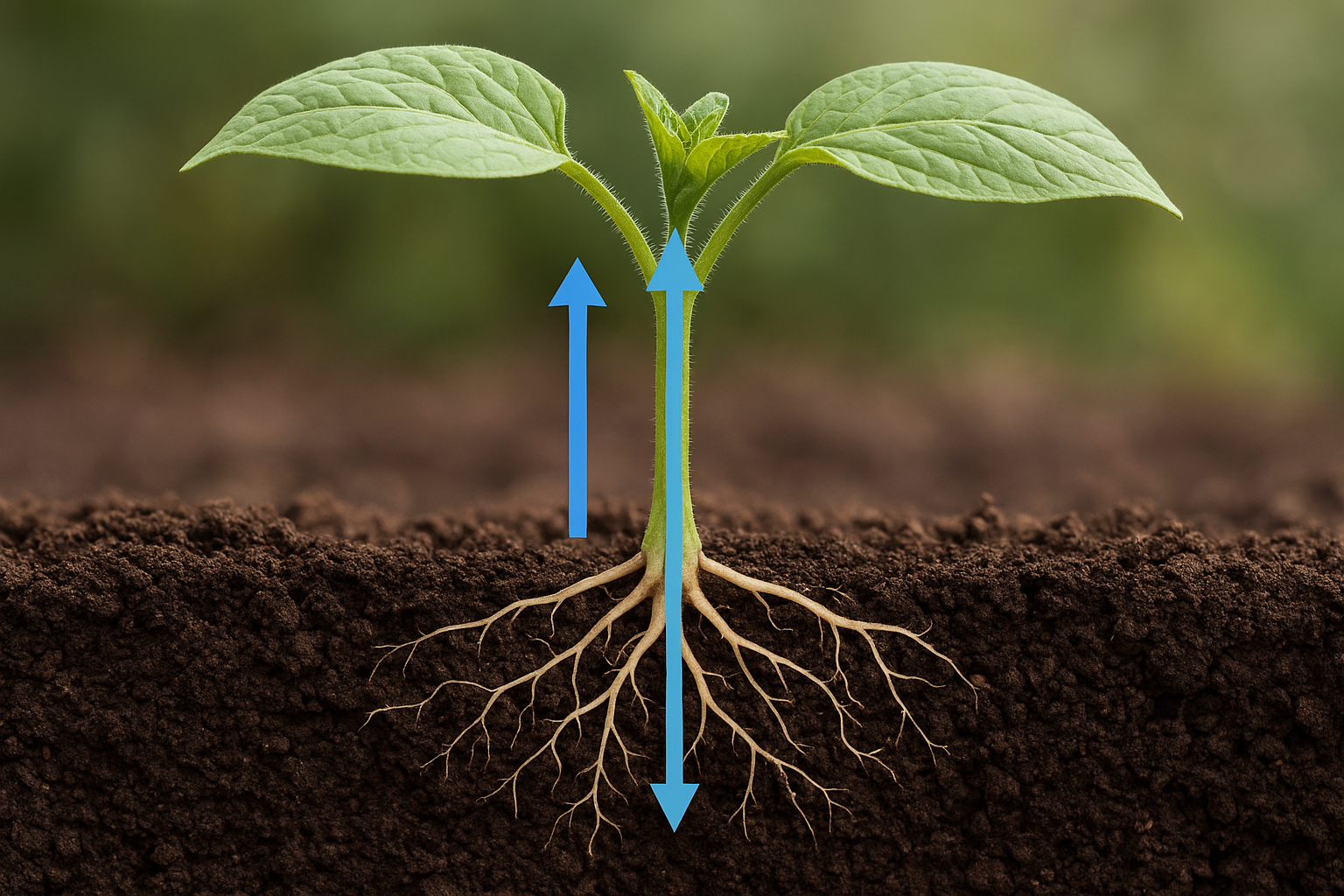
Not all nutrients move with equal freedom. Calcium and boron have limited mobility in the phloem, which means a plant cannot reallocate them from older tissue to new growth. If supply drops, the deficiency appears first in the newest leaves and developing tissues rather than in older, more established parts of the plant.
Signs of nutrient problems and common causes
Recognizing nutrient problems early is one of the most practical skills that comes from understanding what is plant nutrition. Plants communicate deficiencies through visible symptoms, and once you know the patterns, you can diagnose issues accurately rather than reaching for a general-purpose fertilizer that may not address the actual problem.
Most nutrient deficiency symptoms appear on leaves first, which makes regular visual checks one of your most valuable diagnostic tools.
Visual symptoms to look for
Different nutrients produce distinct warning signs. Yellowing between leaf veins on older leaves typically points to magnesium deficiency, while yellowing that starts on younger leaves suggests an iron or manganese problem, since those nutrients have low mobility in the phloem. Purplish or reddish discoloration on leaves and stems often signals phosphorus deficiency, particularly in seedlings or plants growing in cooler soil where phosphorus uptake slows.
Browning at the leaf tips and edges usually indicates a potassium shortage or salt stress, both of which interfere with how water moves through plant tissue. Stunted growing tips, distorted new leaves, and failure to flower on schedule each point to different micronutrient shortfalls. Keeping a record of where and when symptoms appear helps you connect patterns to specific soil conditions or seasonal changes over time.
Common causes behind nutrient deficiencies
Deficiencies don't always mean the soil lacks nutrients. Soil pH outside the 5.5 to 7.0 range locks up nutrients that are physically present but chemically unavailable to roots. Compacted soil reduces oxygen levels around roots, slowing the active transport mechanisms that pull nutrients into plant tissue.
Overwatering and poor drainage are frequent culprits in Malaysian gardens because waterlogged soil displaces oxygen and disrupts root function entirely. Root damage from pests, excessive fertilizer salts, or physical disturbance during planting can also block uptake even when the surrounding soil holds adequate nutrition. Fixing the root cause matters more than adding more fertilizer.
How to improve plant nutrition in your garden
Improving plant nutrition starts with understanding what you already have. Soil tests give you a clear baseline before you spend money on fertilizers or amendments that may not match your garden's actual needs. Most soil testing services measure pH, organic matter content, and primary macronutrient levels, and some include micronutrient panels. That data tells you exactly where to intervene rather than guessing.
Start with soil pH correction
Before adding any nutrients, check whether your soil pH sits in the right range. A pH between 6.0 and 7.0 suits most ornamental and edible plants, and in Malaysian gardens, soils often trend acidic because heavy rainfall leaches alkaline minerals out of the root zone over time. Correcting pH before fertilizing means the nutrients you add will actually reach the roots.
Fixing soil pH first is often more effective than doubling your fertilizer application.
Agricultural lime raises acidic soil pH, while sulfur or composted organic matter brings alkaline soil back down. Small corrections here unlock more nutritional value from everything else you apply.
Match fertilizer type to your plant's growth stage
Understanding what is plant nutrition helps you choose fertilizers that align with what your plants need at each specific stage. Slow-release granular fertilizers work well for established plants because they feed steadily over months without creating sudden nutrient spikes that can burn roots or push excessive leafy growth at the wrong time.
Liquid fertilizers deliver faster results when you spot an active deficiency and need to correct it quickly. Seedlings and actively flowering plants have different nutritional priorities, so switching formulas between growth stages produces better outcomes than using one product year-round.
Build soil biology for lasting results
Synthetic fertilizers supply nutrients directly, but building the biological activity in your soil creates a self-sustaining system that continuously releases and cycles nutrients without constant intervention. Adding compost, mulching regularly, and avoiding soil compaction all support the microbial and fungal communities that drive natural nutrient availability. Mycorrhizal inoculants applied at planting time give new plants an immediate head start by establishing those fungal partnerships before the plant faces any nutritional stress.
Wrap-up and next steps
Plant nutrition is not a complex science reserved for botanists. Once you understand what is plant nutrition at its core, every decision you make in the garden, from soil preparation to fertilizer selection, becomes more deliberate and more effective. The 17 essential nutrients, their roles at different growth stages, how roots absorb them, and what deficiencies look like all connect into one clear picture: plants thrive when their chemical environment matches their biological needs.
Your next step is putting this knowledge into practice. Start with a soil test, correct your pH, and pay attention to what your plants are telling you through their leaves and growth habits. A well-fed garden requires far less troubleshooting over time than one managed by guesswork. If you want expert guidance on building a garden that stays healthy from the ground up, speak with our landscape team at Konzept Garden and get a free consultation.