
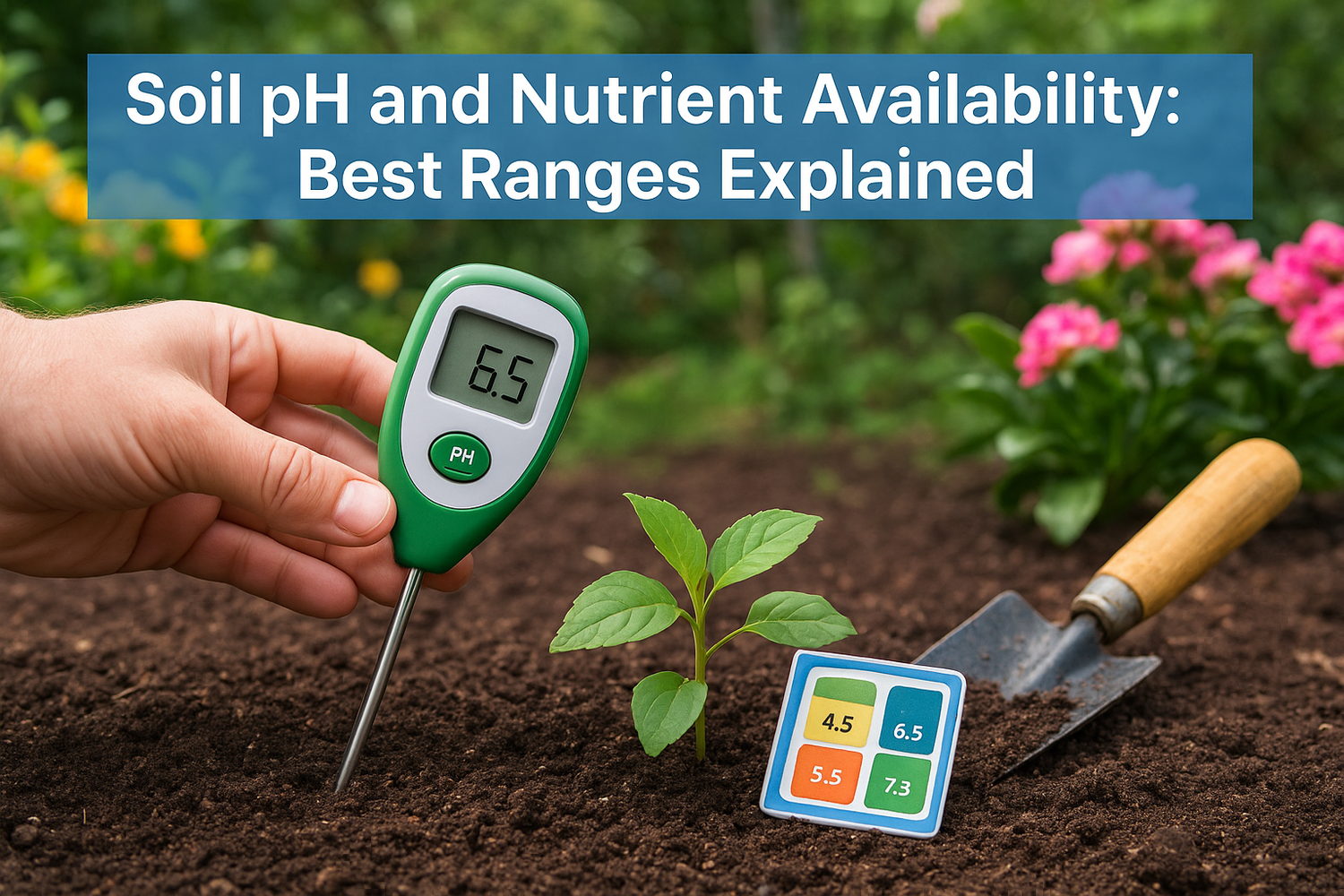
Your plants could be sitting in perfectly fertilized soil and still starve. The reason often comes down to soil pH and nutrient availability, a relationship that determines whether roots can actually absorb the nutrients around them. Even the most generous feeding schedule won't help if your soil's pH level locks those nutrients out of reach.
pH acts as a gatekeeper. It controls the chemical form nutrients take in the soil, which directly affects whether plant roots can pick them up. Too acidic or too alkaline, and essential elements like iron, phosphorus, or nitrogen become chemically bound, present but unavailable. This single factor explains why two identical plants in different soils can produce dramatically different results, even with the same fertilizer and watering routine.
At Konzept Garden, we factor soil chemistry into every landscape design we create across Malaysia. Getting the plants right starts with getting the soil right. This article breaks down how pH influences nutrient uptake, what the optimal ranges are for healthy plant growth, and what you can do when your soil falls outside them.
Why soil pH matters for plant nutrition
Soil pH runs on a scale from 0 to 14, with 7 being neutral. Values below 7 are acidic, and values above 7 are alkaline. Most plants grow best somewhere in the middle, but the exact range shifts by species. What makes pH so critical is that it actively controls how nutrients dissolve and move through soil, which means your plants' ability to feed themselves depends almost entirely on where your soil sits on that scale.
The pH scale and what it means for your soil
Understanding the scale gives you practical power over your garden. Each one-point shift on the pH scale represents a tenfold change in acidity or alkalinity. Moving from pH 6 to pH 5 makes your soil ten times more acidic, not just slightly more so. This matters because soil pH and nutrient availability are directly linked, and even small shifts can lock out or unlock entire groups of nutrients your plants rely on.
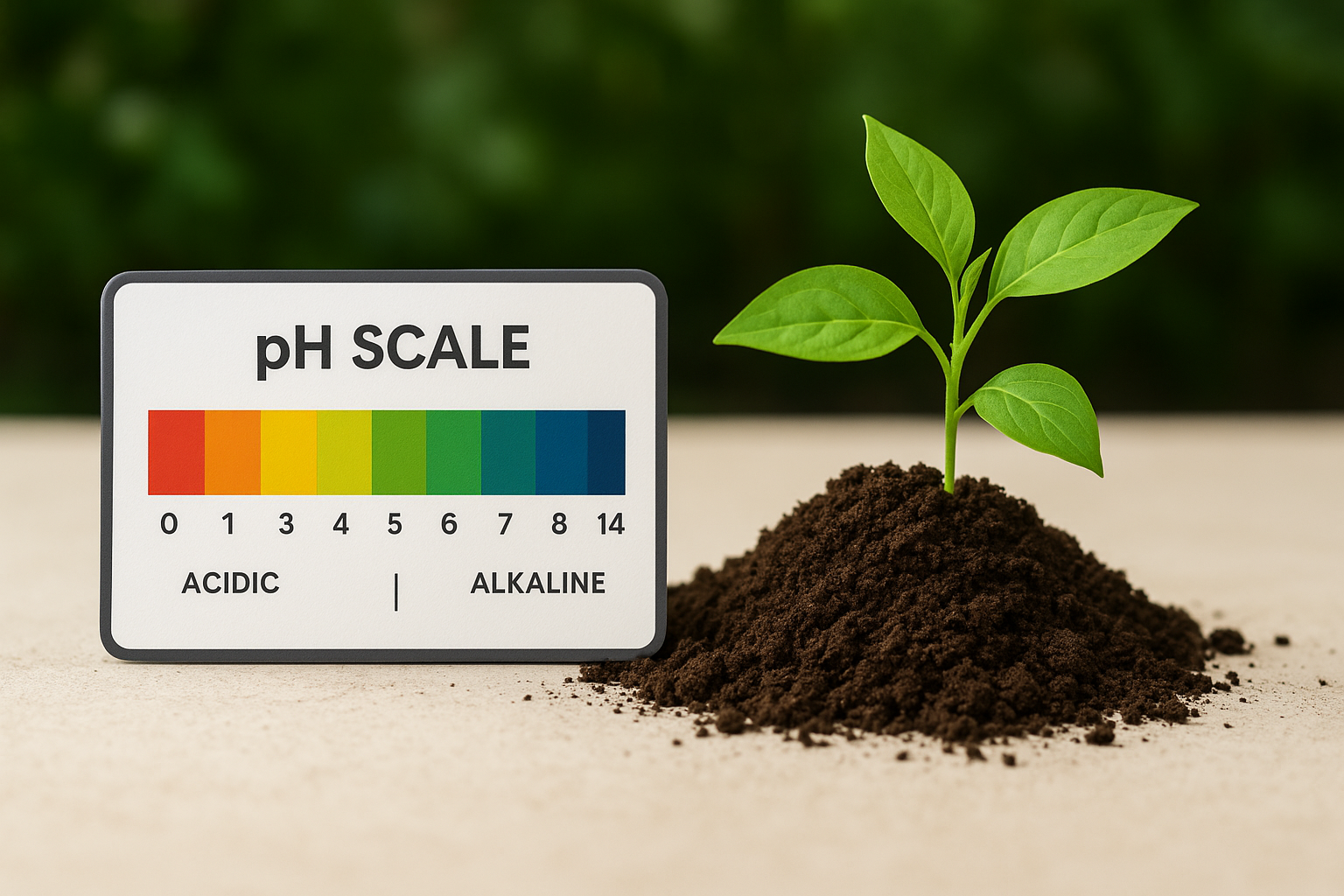
A one-point drop in pH makes your soil ten times more acidic, which can dramatically change which nutrients roots can absorb.
Here is a simple breakdown of where the scale lands for gardening purposes:
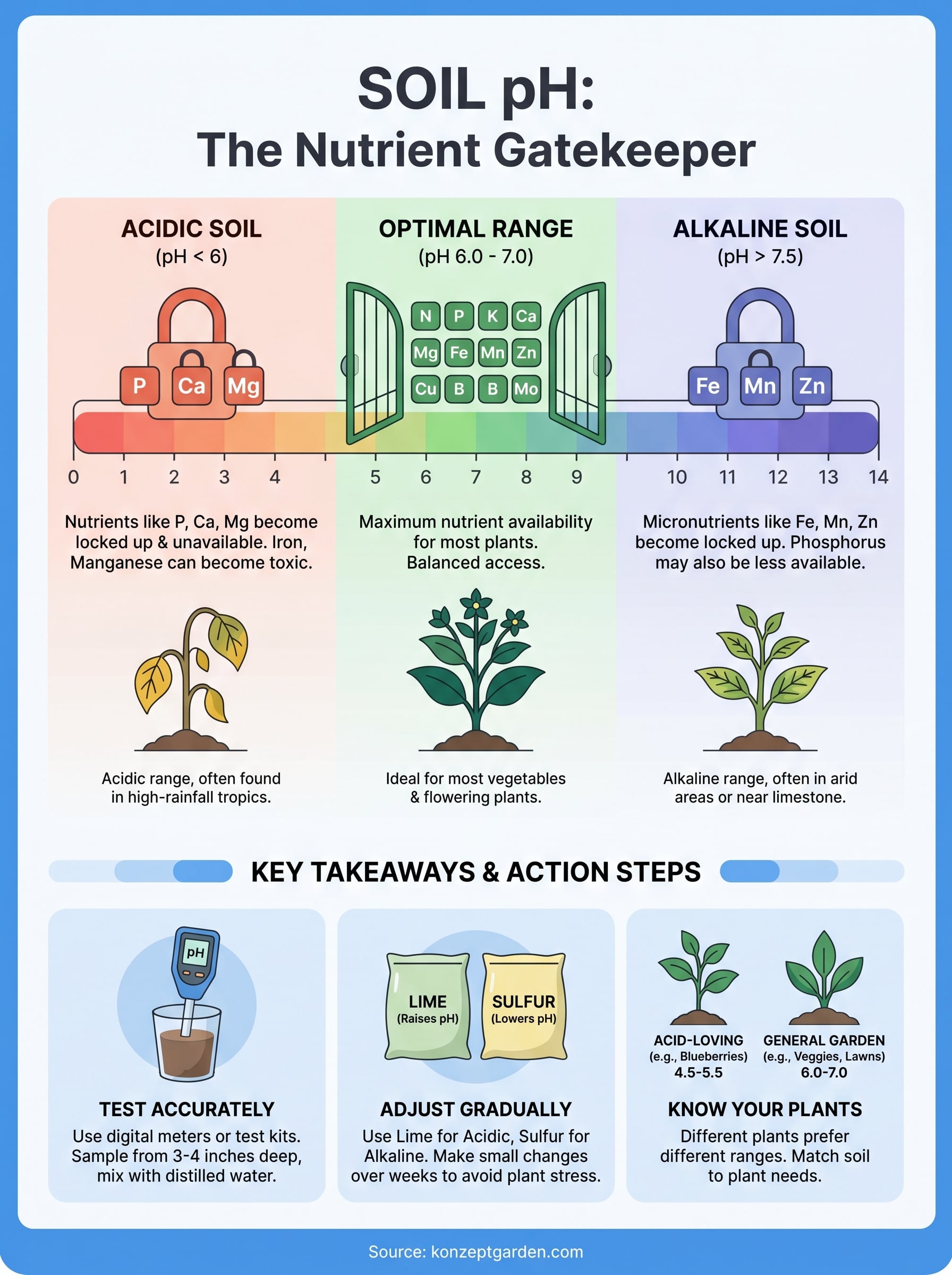
- pH below 6.0: Acidic soil, common in tropical and high-rainfall regions like Malaysia
- pH 6.0 to 7.0: Slightly acidic to neutral, the productive range for most plants
- pH above 7.5: Alkaline soil, often found near limestone deposits or in arid areas
Why nutrients become unavailable at the wrong pH
Each nutrient has a specific pH range where it stays soluble and accessible to roots. Outside that range, nutrients form compounds that bond tightly to soil particles, making them chemically stable but physically unreachable. Phosphorus becomes highly insoluble in both very acidic and very alkaline soils. Iron and manganese behave the opposite way and turn excessively soluble under acidic conditions, which creates toxicity rather than deficiency.
Adjusting pH without understanding these relationships can make your existing nutrient problems worse, not better. This is why identifying where your soil sits on the scale is the first step, not an afterthought.
How soil pH changes nutrient chemistry in soil
When pH shifts, it changes the electrical charge of soil particles and the chemical forms nutrients take in the soil solution. In acidic soils, hydrogen ions dominate, which pushes nutrients like phosphorus and molybdenum into insoluble compounds that roots cannot absorb. In alkaline soils, hydroxide ions take over and bind iron, manganese, and zinc into forms that are equally inaccessible to your plants.
How specific nutrients react to pH shifts
The relationship between soil pH and nutrient availability is not uniform across elements. Each nutrient responds differently to pH changes, so understanding these reactions helps you target the right fix rather than guessing. For example, calcium and magnesium stay accessible in near-neutral soils but drop off sharply as acidity increases, while iron does the opposite and becomes more soluble as pH falls.
Phosphorus availability peaks between pH 6.0 and 7.0, dropping sharply on either side of that range.
Here is how key nutrients behave across the pH spectrum:
- Nitrogen, phosphorus, potassium: Most available between pH 6.0 and 7.5
- Iron, manganese, zinc, copper: More available in acidic soils, potentially toxic at very low pH
- Calcium and magnesium: Become scarce below pH 5.5
- Molybdenum: Increases in availability as pH rises toward alkaline
Best soil pH ranges for nutrient availability
Most garden plants thrive when soil pH sits between 6.0 and 7.0. This range keeps the widest variety of nutrients soluble and accessible, which means your roots spend less energy searching for what they need. Understanding soil pH and nutrient availability together helps you set up growing conditions where fertilizer actually delivers results instead of going to waste.
The ideal range for common plant types
Different plants have different preferences, but the majority of vegetables, flowering plants, and lawn grasses perform best in slightly acidic to neutral soil. Acid-loving plants like blueberries, gardenias, and azaleas prefer a lower pH between 4.5 and 5.5, where iron stays highly soluble. Push those species into neutral or alkaline soil and you will see yellowing leaves despite healthy-looking roots.
Keeping pH between 6.0 and 7.0 gives you the widest window of nutrient availability for the broadest range of plants.
Here is a quick reference for common plant groups and their preferred pH ranges:
| Plant Type | Optimal pH Range |
|---|---|
| Vegetables | 6.0 to 7.0 |
| Lawn grasses | 6.0 to 7.0 |
| Tropical ornamentals | 5.5 to 6.5 |
| Acid-loving shrubs | 4.5 to 5.5 |
| Herbs | 6.0 to 7.0 |
How to test soil pH accurately at home
Testing your soil before planting or adjusting anything gives you a baseline that removes the guesswork from your gardening decisions. Without a reliable pH reading, you cannot accurately connect soil pH and nutrient availability problems to the right solution. Fortunately, several testing methods work well for home gardeners.
Choosing the right testing method
Your two main options are digital pH meters and chemical test kits. Digital meters give you a fast, reasonably accurate reading when you push the probe into moist soil. Test kits use color-coded indicators that react with a soil-water mixture to show pH ranges. Both methods work, but digital meters tend to deliver more consistent results across multiple soil samples.
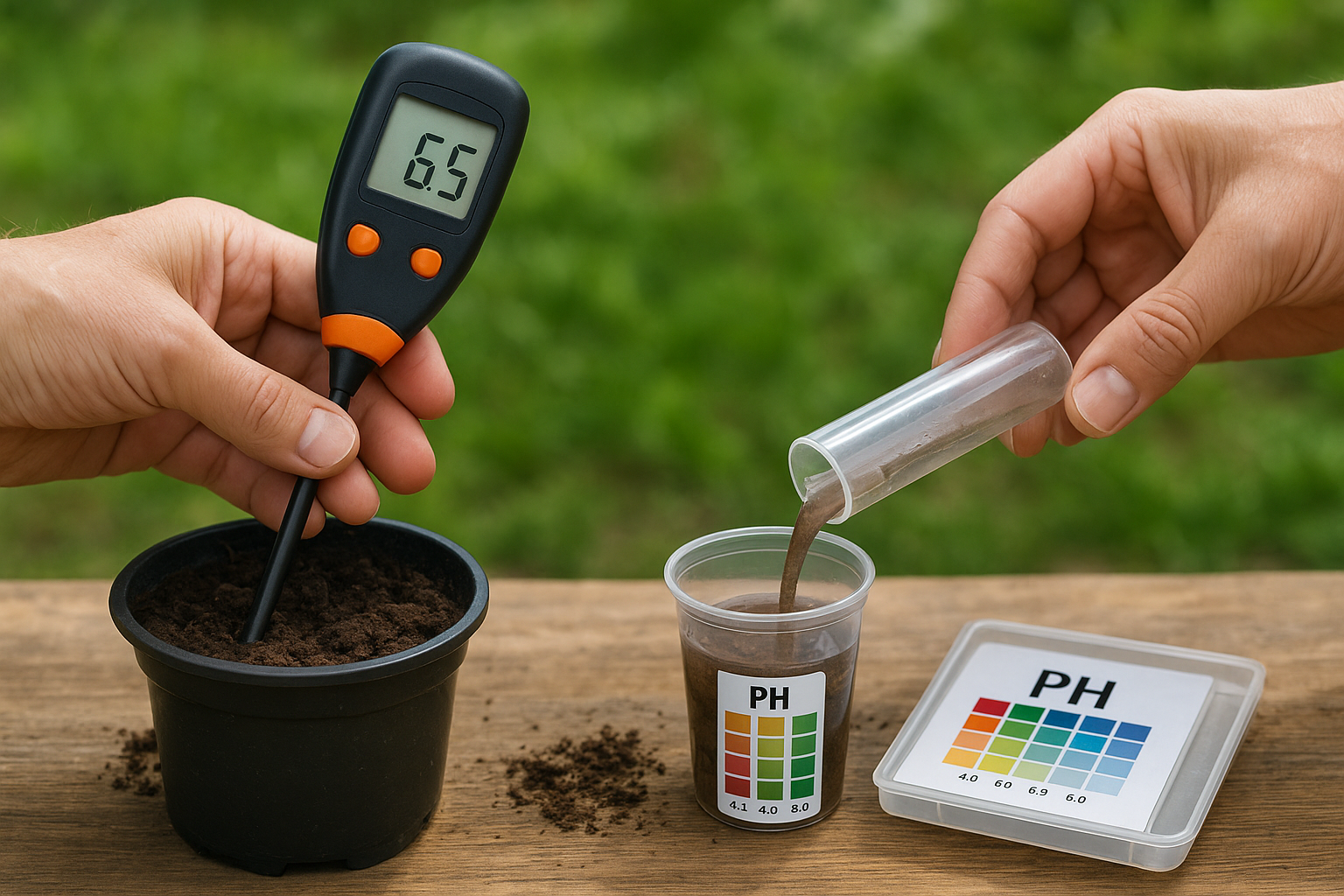
Take samples from at least three different spots in your garden and mix them together before testing to get an accurate average pH reading.
For the most reliable results, collect soil from 3 to 4 inches below the surface, where roots actually feed. Remove any rocks, roots, or organic debris before mixing the sample with distilled water. Tap water can skew your reading if it carries its own pH, so distilled water is the safer choice for mixing.
How to adjust soil pH without harming plants
Once you know your soil's pH reading, you can make targeted adjustments that bring it into the productive range. The key is to change pH gradually rather than in one large dose, because rapid shifts stress plant roots and disrupt the microbial communities that support healthy soil structure.
Lowering pH in alkaline soil
If your soil reads above 7.0, you need to increase its acidity. Elemental sulfur is the most reliable option. Soil bacteria convert it into sulfuric acid over several weeks, which lowers pH steadily without burning roots. Acidifying fertilizers like ammonium sulfate also help and add nitrogen at the same time.
Apply pH amendments in small doses and retest after four to six weeks before adding more.
Raising pH in acidic soil
When soil pH and nutrient availability both suffer because your soil is too acidic, ground limestone is your most effective fix. Dolomitic lime adds calcium and magnesium while raising pH, making it especially useful in Malaysia's leached tropical soils. Work it into the top six inches and water thoroughly to activate it.
Apply lime at least a month before planting so pH has time to stabilize. Retest your soil after each application to avoid overshooting the target range.
Final takeaways
Understanding soil pH and nutrient availability gives you a real advantage in the garden. pH does not just describe your soil's chemistry, it controls whether the nutrients you add through fertilizer actually reach your plants. Most plants thrive between pH 6.0 and 7.0, and keeping your soil within that window prevents the most common nutrient deficiencies before they start.
Testing your soil regularly and adjusting it gradually keeps your garden productive without stressing your plants. Small, consistent corrections work better than large one-time fixes, and retesting after each amendment ensures you stay within your target range rather than overshooting it. Whether you grow vegetables, ornamentals, or lawn grass, the same principle applies: healthy soil chemistry comes before everything else in the garden.
If you want expert help building an outdoor space that performs from the ground up, contact the Konzept Garden team for a free design consultation. Our team factors soil chemistry and plant selection into every project we take on.