
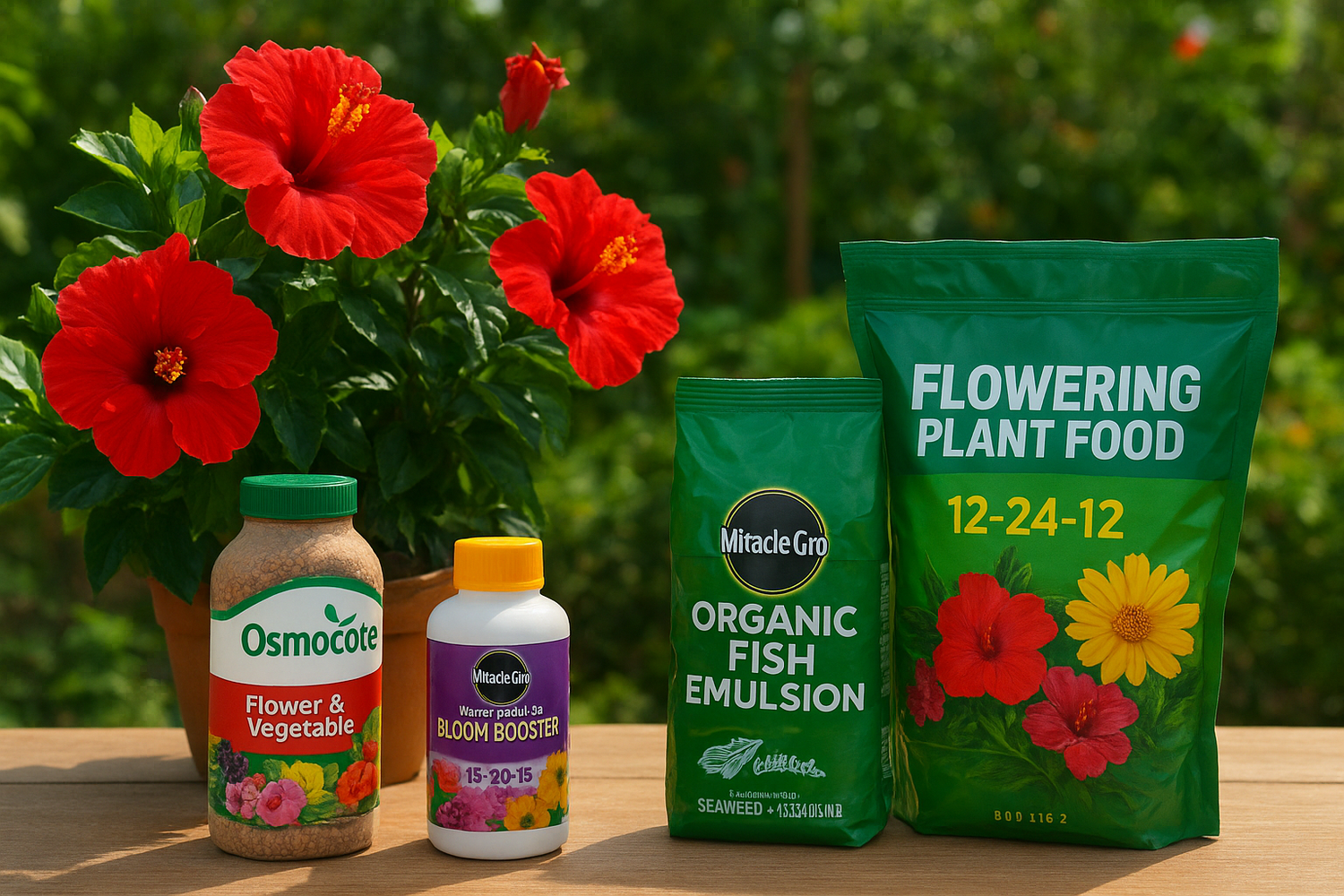
Choosing the best fertilizer for flowering plants can make the difference between a garden that simply grows and one that actually blooms. In Malaysia's tropical climate, flowering plants have access to year-round sunlight and rain, but without the right nutrients, many still underperform when it comes to producing flowers.
The secret lies in understanding NPK ratios: the balance of nitrogen, phosphorus, and potassium that drives root development, foliage growth, and, most importantly, flower production. Get the ratio wrong, and you'll end up with lush green leaves but barely any blooms. At Konzept Garden, we've tested and worked with dozens of fertilizers across our landscape design projects throughout Malaysia, so we know firsthand which products actually deliver results.
In this guide, we break down five fertilizers that consistently produce strong blooms for Malaysian gardens, explain how each NPK ratio works, and share practical application tips so you can feed your plants with confidence.
1. Konzept Garden Botanist Consultation and NPK Plan
Most fertilizer mistakes happen before you even open the bag. Without knowing your soil's existing nutrient levels or your specific plant's bloom cycle, you're essentially guessing. Konzept Garden's botanist consultation removes that guesswork by building a custom NPK plan based on your actual garden conditions.
NPK strategy you get and why it works
During a consultation, a Konzept Garden botanist assesses your soil type, drainage, and current plant health to recommend a targeted NPK ratio. For flowering plants, the goal is typically to reduce nitrogen and push phosphorus (P) higher, since phosphorus directly stimulates bud formation and flower development.
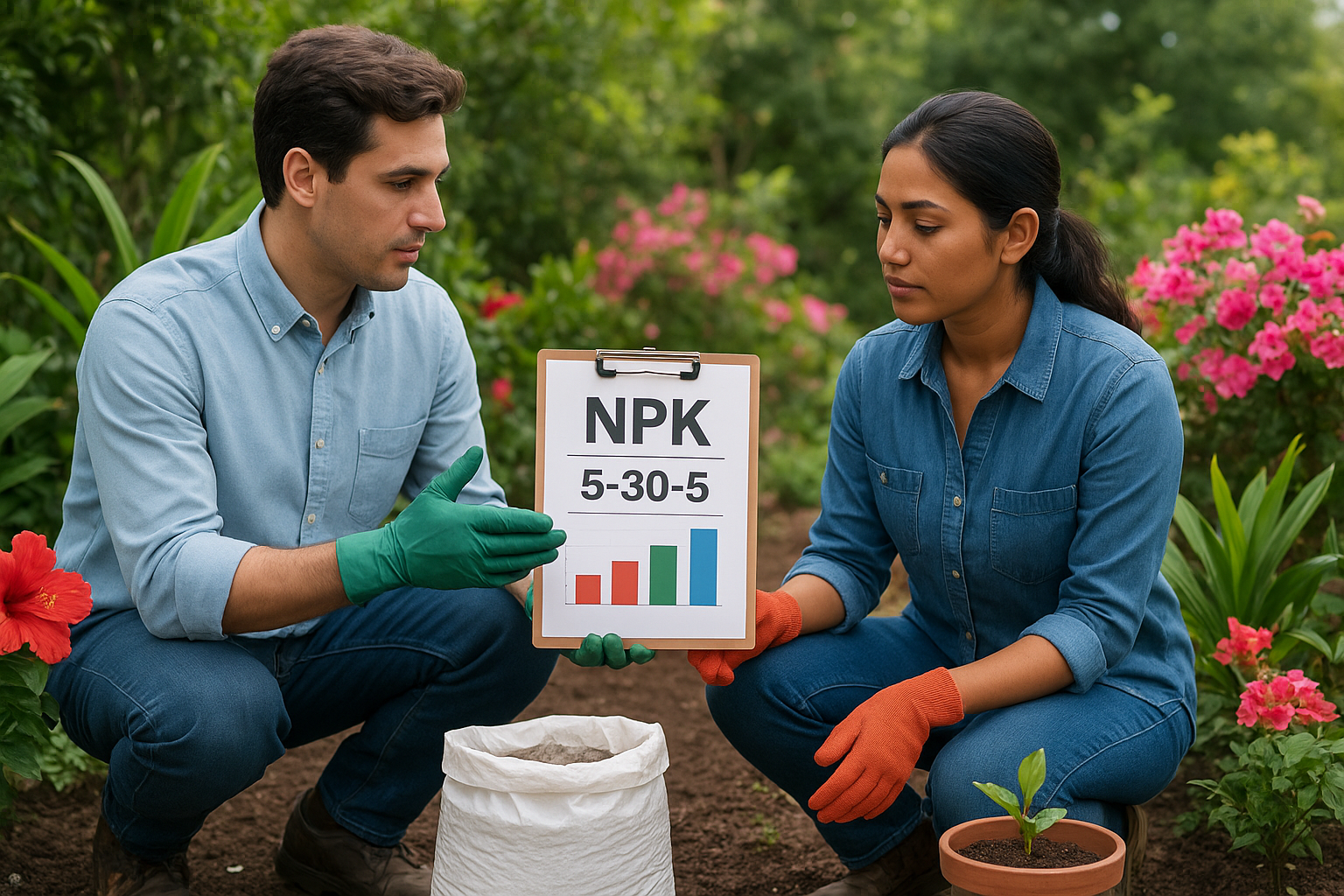
A higher phosphorus ratio, such as a 5-30-5 or 10-52-10 blend, consistently produces more blooms than a balanced 10-10-10 fertilizer when applied to actively flowering plants.
Best for these flowering plants and setups
This approach works well for bougainvillea, ixora, heliconia, and hibiscus, which are common across Malaysian gardens and landscapes. It also suits homeowners running mixed garden beds or container arrangements where different plants have competing nutrient needs and one off-the-shelf product won't cover everything.
You'll benefit most from this consultation if your garden recently had landscaping work done, since newly planted specimens and disturbed soil often need a recalibrated feeding strategy rather than a generic product grabbed from the hardware store.
How to apply the plan in Malaysia's heat and rain
Malaysia's heavy rainfall and high humidity wash soluble nutrients out of the soil fast, so your botanist factors in both timing and frequency. Rather than one heavy monthly feed, the plan typically uses smaller, more frequent applications to keep phosphorus available at the root zone and reduce runoff loss during rain.
- Feed every two weeks during active flowering
- Apply in the early morning before peak heat builds
- Avoid applying directly before a forecast heavy downpour
Pricing in Malaysia
Konzept Garden offers a free quotation for landscape design and consultation packages. You can request yours through their website or visit the showroom to discuss your specific garden needs in person.
For homeowners who want the best fertilizer for flowering plants matched precisely to their soil and plant types, this consultation removes the guesswork that comes with buying generic fertilizer products without any baseline data on your garden.
2. Osmocote Controlled-Release Bloom Fertilizer
Osmocote is a controlled-release granule that feeds plants steadily over three to six months rather than all at once. That slow, consistent delivery makes it one of the most practical choices if you want the best fertilizer for flowering plants without committing to a weekly feeding schedule.
NPK profile and release timing to expect
The bloom formula typically runs at an NPK ratio of 14-14-14 or a phosphorus-forward blend designed to support bud development. Each granule is coated in a resin shell that responds to soil temperature and moisture, releasing nutrients gradually as conditions activate the outer layer.
In Malaysia's warm, humid climate, granules release faster than in cooler regions, so expect a three- to four-month feed window rather than the six months shown on the packaging.
Best for pots, planters, and balcony gardens
This fertilizer suits container gardening extremely well because the slow release prevents the salt buildup that liquid feeds can cause in pots with limited drainage. It works particularly well for bougainvillea in planters, potted hibiscus, and balcony setups where frequent watering already accelerates nutrient loss through drainage holes.
How to apply without burning roots
Mix granules into the top layer of potting mix rather than placing them directly against roots or stems. Use roughly one teaspoon per six-inch pot, then water thoroughly to activate the coating and start the release cycle.
Pricing in Malaysia
You'll find Osmocote at most garden centers and major hardware chains across Malaysia, typically priced between RM35 and RM80 depending on pack size.
3. Miracle-Gro Water-Soluble Bloom Booster
Miracle-Gro's bloom booster formula is one of the most widely available water-soluble fertilizers in Malaysia, and its fast uptake makes it a go-to when you need flowers quickly rather than weeks from now. It dissolves completely in water, which means plants absorb nutrients directly through their roots within hours of application.
NPK profile and what it pushes in the plant
The bloom booster typically carries an NPK ratio of 15-30-15, which means the phosphorus figure is double both nitrogen and potassium. That elevated middle number directly drives bud formation, flower size, and bloom frequency by supporting the energy transfer plants need during their reproductive cycle.
High-phosphorus water-soluble feeds like this one produce noticeably faster flowering results than granular options when plants are already in their active bloom stage.
Best for fast results and heavy bloomers
This fertilizer works best on heavy-blooming plants like bougainvillea, roses, and ixora that respond quickly to nutrient boosts. It also suits any gardener who wants the best fertilizer for flowering plants with a visible payoff within a week or two of the first application.
How to mix, how often to feed, and when to stop
Mix one tablespoon per gallon of water and apply every seven to fourteen days during active flowering. Stop feeding once blooms begin to fade, since continuing to fertilize past peak bloom pushes the plant back toward leafy growth rather than flower production.
Pricing in Malaysia
Miracle-Gro bloom booster typically sells for RM25 to RM55 per pack at hardware chains and garden centers across Malaysia.
4. Organic Fish Emulsion and Seaweed Liquid Feed
Fish emulsion and seaweed liquid feeds offer an organic path to better blooms without synthetic chemicals. These products feed beneficial soil microbes alongside the plant itself, delivering trace minerals that standard NPK fertilizers skip entirely.
Nutrient profile and what "organic" changes
Most fish emulsion products carry an NPK ratio around 5-2-2, while seaweed concentrate adds micronutrients like iron, zinc, and magnesium. The key shift with organic feeds is that nutrients release only as soil microbes break them down, which reduces burn risk and prevents the excess leafy growth that a high-nitrogen synthetic feed can trigger at the wrong time.
Combining fish emulsion with seaweed liquid creates a more complete feed than either product alone, covering both macronutrients and the trace elements that directly support bud development.
Best for edible gardens, pet-friendly yards, and soil health
Organic liquid feeds are the safest choice when children or pets use the garden regularly, since they carry no synthetic salt load. They also work as the best fertilizer for flowering plants in mixed beds that include edible herbs, where you want zero chemical residue on anything you plan to harvest.
How to use in rainy season without wasting fertilizer
Apply these feeds two to three days after heavy rainfall, when the soil has partially dried and absorption improves. Dilute per label instructions, then water in lightly after application to push the nutrients down to the active root zone rather than leaving them on the surface where the next downpour can wash them straight off.

Pricing in Malaysia
Fish emulsion typically runs RM20 to RM45 per bottle in Malaysia, while seaweed concentrates range from RM30 to RM65 depending on brand and bottle size. Both are available at garden centers across the country.
5. Balanced Granular NPK for Garden Beds
A balanced granular fertilizer is the most practical long-term option for established garden beds with multiple flowering plants. Rather than targeting a single bloom cycle, it maintains steady nutrient levels in the soil so plants have a consistent foundation to flower from, season after season.
NPK ratio to look for and how to choose
Look for a phosphorus-forward granular blend in the range of 10-20-10 or 12-24-12 for flowering garden beds. The elevated middle number pushes bloom production without starving the plant of the nitrogen it needs for stem strength or the potassium that supports root function and overall resilience.
A ratio that doubles the phosphorus figure relative to nitrogen consistently outperforms balanced 10-10-10 blends in garden beds planted with heavy-blooming shrubs.
Avoid high-nitrogen formulas labeled for lawns or leafy vegetables, since those push green growth at the expense of flowers.
Best for in-ground flowering shrubs and landscape planting
This fertilizer type suits large in-ground planting areas with hibiscus, bougainvillea, ixora, and heliconia growing directly in garden soil. It also works well for mixed landscape beds where you want one product covering multiple species without constant adjustments.
How to apply around the drip line and water it in
Scatter granules evenly around the drip line of each plant, which is the outer edge of the canopy where feeder roots sit closest to the surface. Avoid piling granules against the stem or trunk, as this concentrates salts and causes burn.
Pricing in Malaysia
Balanced granular NPK fertilizers typically cost between RM15 and RM50 per kilogram at garden centers across Malaysia, depending on brand and formulation. Larger bags from hardware chains generally offer the best value per application for garden beds with multiple plants.
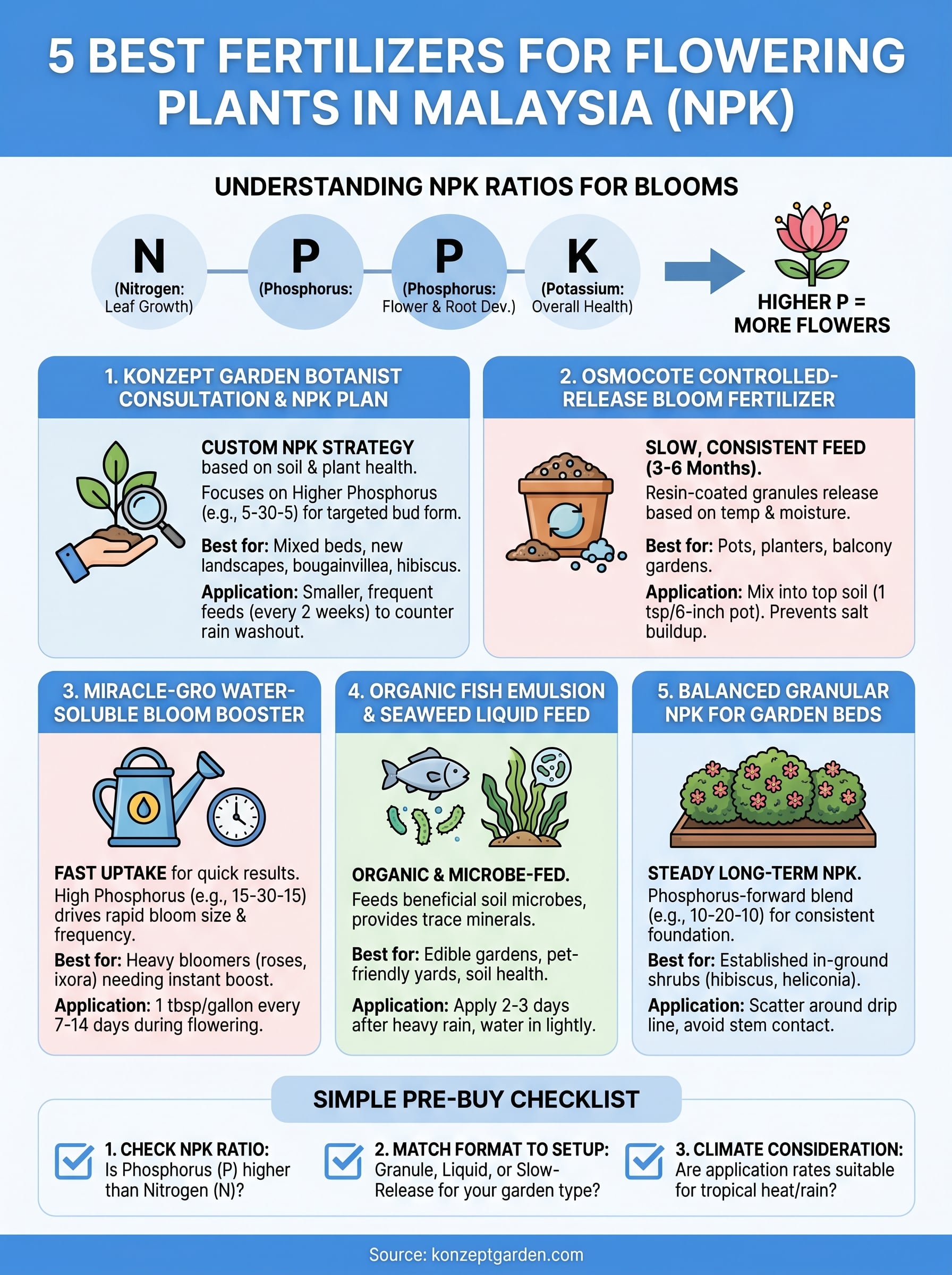
Simple Checklist Before You Buy
Before you purchase any fertilizer, run through these quick checks to avoid wasting money on the wrong product. Identify your plant's current stage (vegetative growth vs. active blooming), since the right NPK ratio depends entirely on where your plant sits in its cycle. Check your pot or bed drainage, because poor drainage turns any fertilizer into a root-burn risk regardless of how good the product is.
- Does the fertilizer carry a higher phosphorus (P) number than nitrogen for bloom support?
- Is the format (granule, liquid, or controlled-release) suited to your watering routine and garden setup?
- Does the label include application rates for tropical climates or at least high-temperature conditions?
Finding the best fertilizer for flowering plants gets easier once your soil conditions and plant types are clear. If you want a complete garden plan built around your specific outdoor space, talk to a Konzept Garden botanist and get a free quotation.