

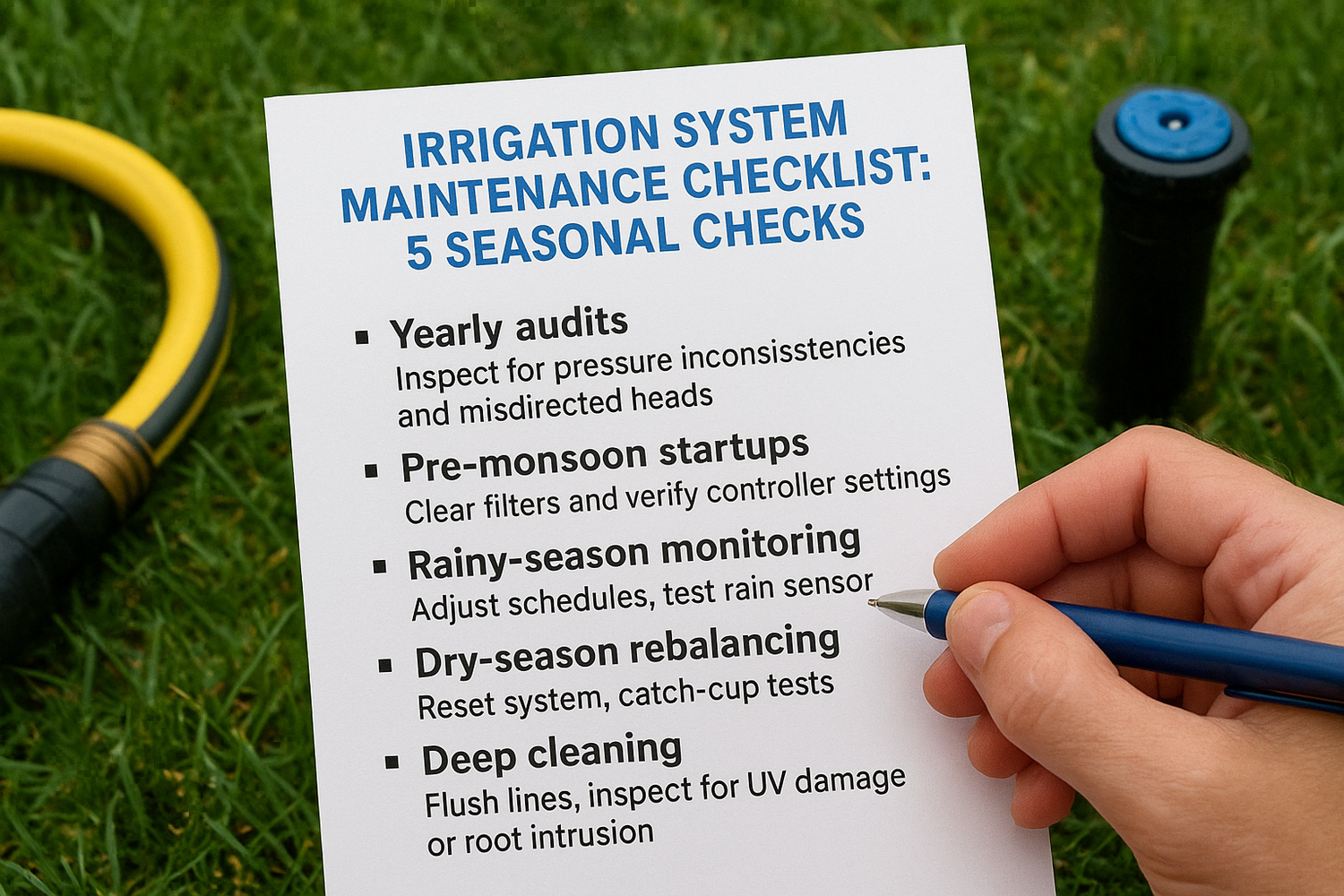
A well-designed garden means nothing if the system keeping it alive breaks down mid-season. At Konzept Garden, we've seen firsthand how neglected irrigation leads to dead zones, waterlogged beds, and costly repairs, problems that a simple irrigation system maintenance checklist can prevent entirely. Whether you installed a drip system for your courtyard garden or a full sprinkler setup across a commercial property, routine checks are what separate thriving landscapes from struggling ones.
The good news: maintaining your irrigation system doesn't require professional training or expensive tools. It does require consistency and knowing what to look for at the right time of year. Malaysia's tropical climate, with its intense heat and heavy monsoon rains, puts unique stress on valves, sprinkler heads, and supply lines that many generic maintenance guides overlook.
This article breaks down five seasonal checks you can follow throughout the year to keep your irrigation running efficiently, reduce water waste, and protect your plants. Each check includes specific, actionable steps so you can work through them systematically. If you've been putting off irrigation maintenance or aren't sure where to start, this is your roadmap.
1. Schedule a yearly irrigation audit and tune-up
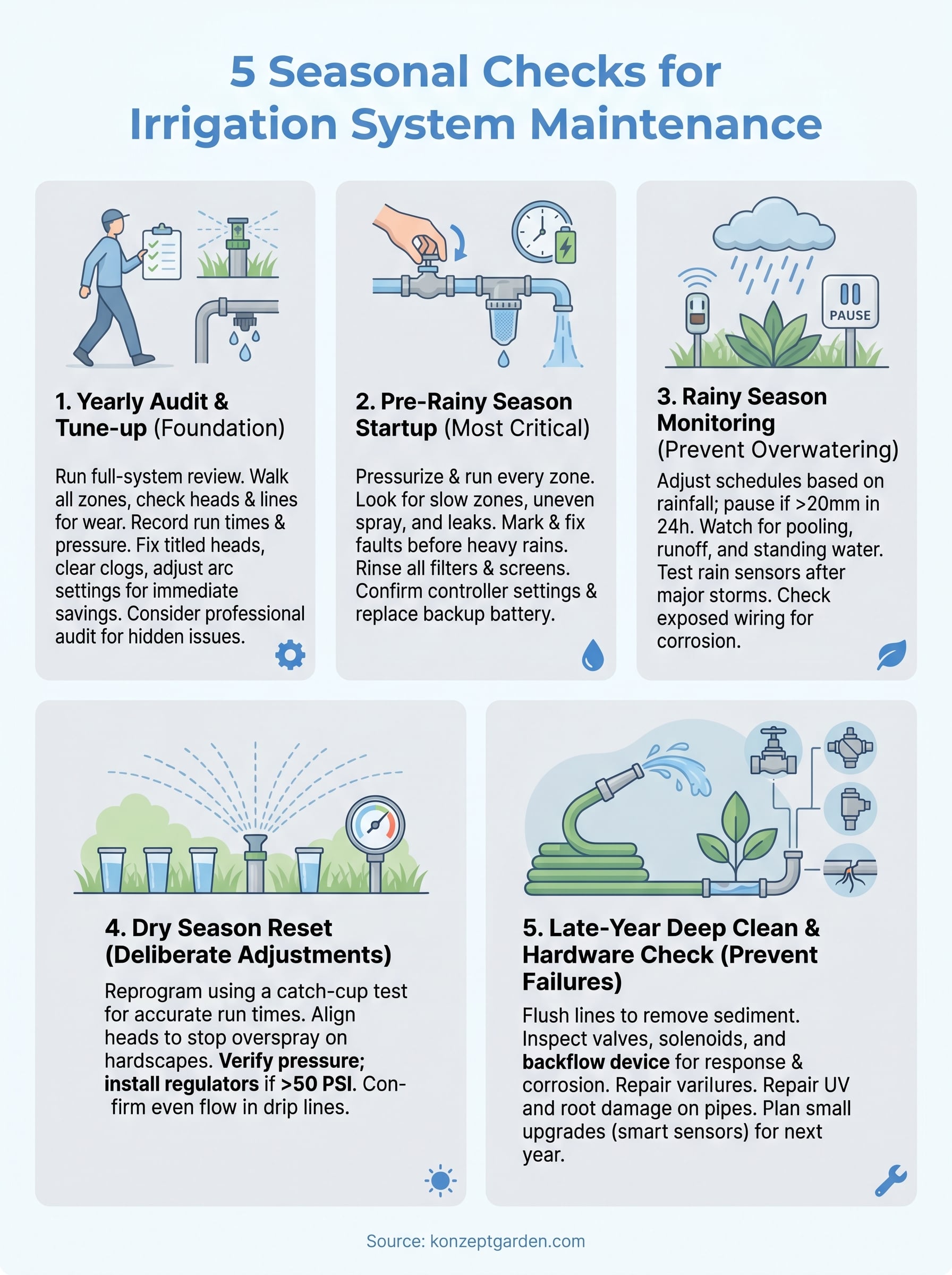
A yearly audit is the foundation of any solid irrigation system maintenance checklist. Once a year, you run a top-to-bottom review of every component before smaller issues compound into expensive failures mid-season. Think of it as a health check for your entire water delivery system.
What you check in a full-system audit
Walk every zone while the system runs and watch each head, emitter, and line for signs of wear. Look for tilted or sunken sprinkler heads, cracked fittings, uneven spray patterns, and any area where water pools immediately rather than absorbing into the soil. Pressure inconsistencies across zones often point to a partially closed valve or a blocked filter that's easy to miss during routine watering.
Fast wins that cut water waste immediately
Some fixes take less than ten minutes but save hundreds of liters per week. Straightening a tilted head or clearing a clogged emitter restores coverage without any parts or tools. Adjusting arc settings on rotary heads so they stop spraying sidewalks and walls is another quick correction that cuts your water bill noticeably.
Fixing just one misdirected head in a high-use zone can reduce outdoor water waste by up to 15% across that zone alone.
What to record so future troubleshooting is easier
Keep a simple log that notes each zone's run time, pressure reading, and any faults you found. A photo taken at the same angle each year helps you spot slow changes, like a head that's gradually sinking. Dated records also help a contractor diagnose problems faster if you eventually need professional help.
When it makes sense to bring in a landscape pro
If you notice consistent low pressure across multiple zones, unexplained wet patches between irrigation cycles, or controller errors you can't resolve, a professional audit saves time. Landscape specialists can pressure-test buried lines and identify root intrusion or pipe corrosion that a surface inspection won't catch.
2. Do a pre-rainy-season startup inspection
Before the rains arrive, run a complete startup check across your entire system. Malaysia's monsoon season can mask leaks and pressure problems until plants show visible damage, making this the most critical step in your irrigation system maintenance checklist.
Pressurize the system and run every zone
Turn on each zone manually and watch every head and emitter through a full cycle. Look for heads that won't pop up, slow-to-pressurize zones, and uneven spray patterns that leave dry gaps in coverage.
Fix leaks, clogs, and broken heads before they get worse
Mark every fault during your walkthrough, then work through repairs zone by zone. Fixing a cracked fitting before heavy rains arrive costs far less than repairing soil erosion caused by weeks of unchecked water pressure.
A single broken head left unrepaired through the monsoon can wash out topsoil and damage root systems across an entire planting bed.
Clean filters, screens, and drip emitters
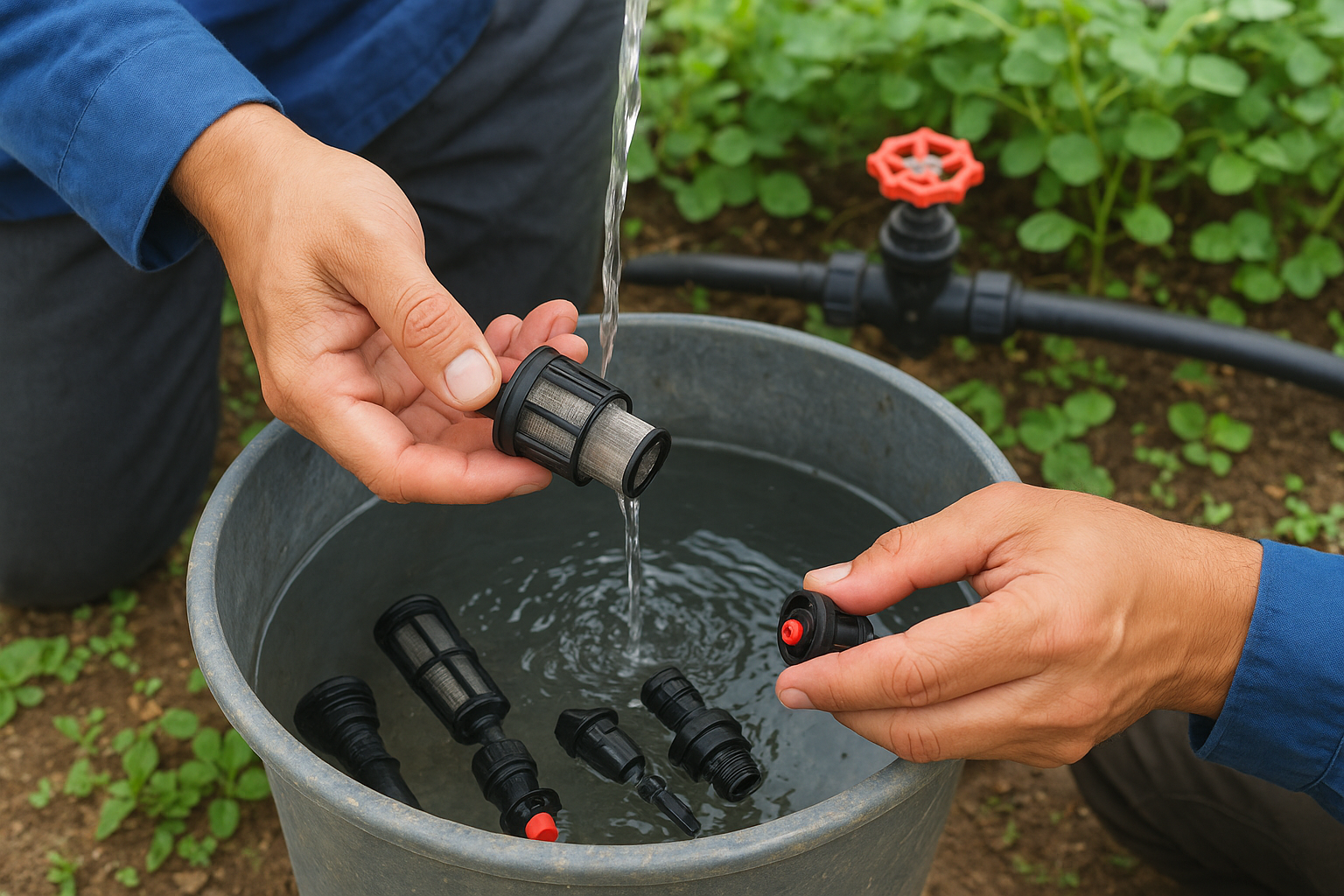
Remove and rinse every inline filter and emitter screen to clear sediment from the dry season. Blocked screens restrict flow and create dry patches even when the controller runs the system on a full schedule.
Confirm controller time, date, and backup battery
Verify your controller's date and time settings before reprogramming any seasonal schedules. A wrong date throws off rain sensor overrides, so swap the backup battery if it hasn't been replaced in over a year.
3. Monitor performance during the rainy season
Malaysia's monsoon months don't mean your irrigation system can run unattended. Rainfall varies significantly week to week, and a system left on its default schedule will overwater your garden, waste money, and create conditions that harm plants rather than help them.
Adjust schedules around rainfall and soil saturation
Reduce or pause run times whenever rainfall exceeds 20mm in a 24-hour period. Saturated soil can't absorb more water, so running the system on top of heavy rain pushes nutrients out of the root zone and encourages shallow rooting.
Watch for runoff, pooling, and low-pressure symptoms
Walk your garden after each irrigation cycle and note any zones where water pools or runs off instead of soaking in. Pooling often signals compacted soil or a head spraying at too high a rate for the surface to handle.
Persistent pooling in the same spot across multiple cycles usually points to a drainage issue, not just an irrigation timing problem.
Prevent mosquito-friendly standing water and soggy turf
Fix low spots and adjust run times to eliminate standing water that lingers more than 30 minutes after a cycle ends.
Check rain sensors, moisture sensors, and wiring integrity
Test your rain sensor override after every major storm to confirm it's signaling the controller correctly. Inspect exposed wiring for corrosion or rodent damage, since humidity accelerates both problems during wet months.
4. Reset and rebalance at the start of the dry season
When the dry season begins, your irrigation system maintenance checklist needs a full reset. Run times, coverage angles, and pressure settings that worked through the monsoon no longer match your garden's actual water demand, so start the season with deliberate adjustments rather than leftover schedules.
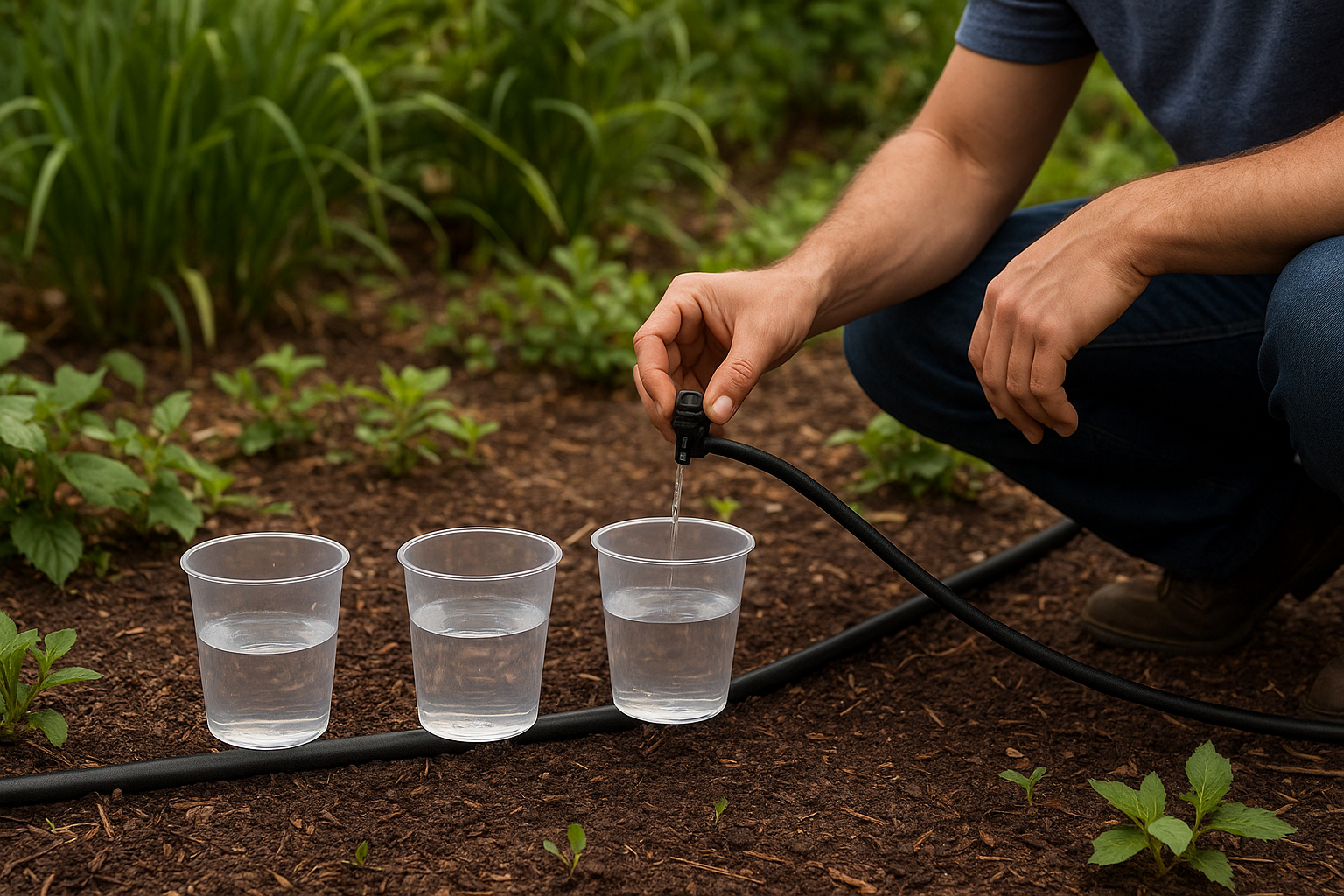
Reprogram run times using a simple catch-cup test
Place straight-sided containers across a zone and run it for 15 minutes, then measure what each container collected. This simple test tells you exactly how much water each area receives, so you can set accurate run times that match your plants' dry-season needs without guessing.
Check coverage and align heads to stop overspray
Walk each zone while it runs and adjust heads that spray pavements, walls, or fence lines. Correcting overspray reduces water waste immediately and prevents surface staining on hard areas surrounding your garden.
Misaligned heads can waste up to 25% of the water a zone delivers in a single cycle.
Verify water pressure and add regulation if needed
High pressure causes misting and drift, which reduces how much water actually reaches the root zone. Install a pressure regulator on any zone reading above 50 PSI to bring it into an efficient operating range.
Confirm drip zones deliver even flow end-to-end
Run each drip zone and check emitters at the start and the end of the line. Large flow differences between those two points indicate pressure loss or a partial blockage that needs clearing before the dry season peaks.
5. Do a late-year deep clean and hardware check
The end of the year is the right time to add a deep clean and hardware check to your irrigation system maintenance checklist. Sediment, sun damage, and root pressure accumulate steadily throughout the year, so clearing them now prevents failures at the start of the next wet season.
Flush lines and remove sediment buildup
Open the end caps on each lateral line and run water at full pressure to push debris out. Pay extra attention to drip lines, where mineral deposits and fine particles restrict flow over time.
Inspect valves, solenoids, and the backflow device
Test each valve manually and check that solenoids respond cleanly to controller signals. Inspect the backflow preventer for corrosion, since a failing device can contaminate your water supply and may violate local code.
A failed backflow preventer carries a legal compliance risk, not just a performance one.
Repair sun, heat, and root damage to pipes and fittings
Check exposed pipes for UV brittleness and hairline cracks caused by heat cycling. Root intrusion near drip lines is common in mature gardens, so cut back any roots pressing against fittings before they split them.
Plan small upgrades that reduce maintenance next year
Review your notes from the year and identify two or three recurring faults. Replacing problem components with higher-grade fittings or smart sensors now costs far less than emergency repairs mid-season.
Keep your system reliable year-round
Following this irrigation system maintenance checklist across all five seasonal checks keeps small problems from turning into expensive repairs. Each step builds on the last, so a few hours of attention spread across the year does more to protect your landscape than a single annual repair call ever will.
Your irrigation system is only as effective as the plants and design it supports. Consistent maintenance keeps water where it belongs, in the root zone, not running down the drain or pooling in low spots that attract pests and disease.
If you want expert guidance on designing or improving your outdoor space, Konzept Garden's team can help you plan a landscape that works with your irrigation setup, not against it. From garden layout to water management, we bring the full picture together. Speak to a landscape specialist to get started with a free consultation.