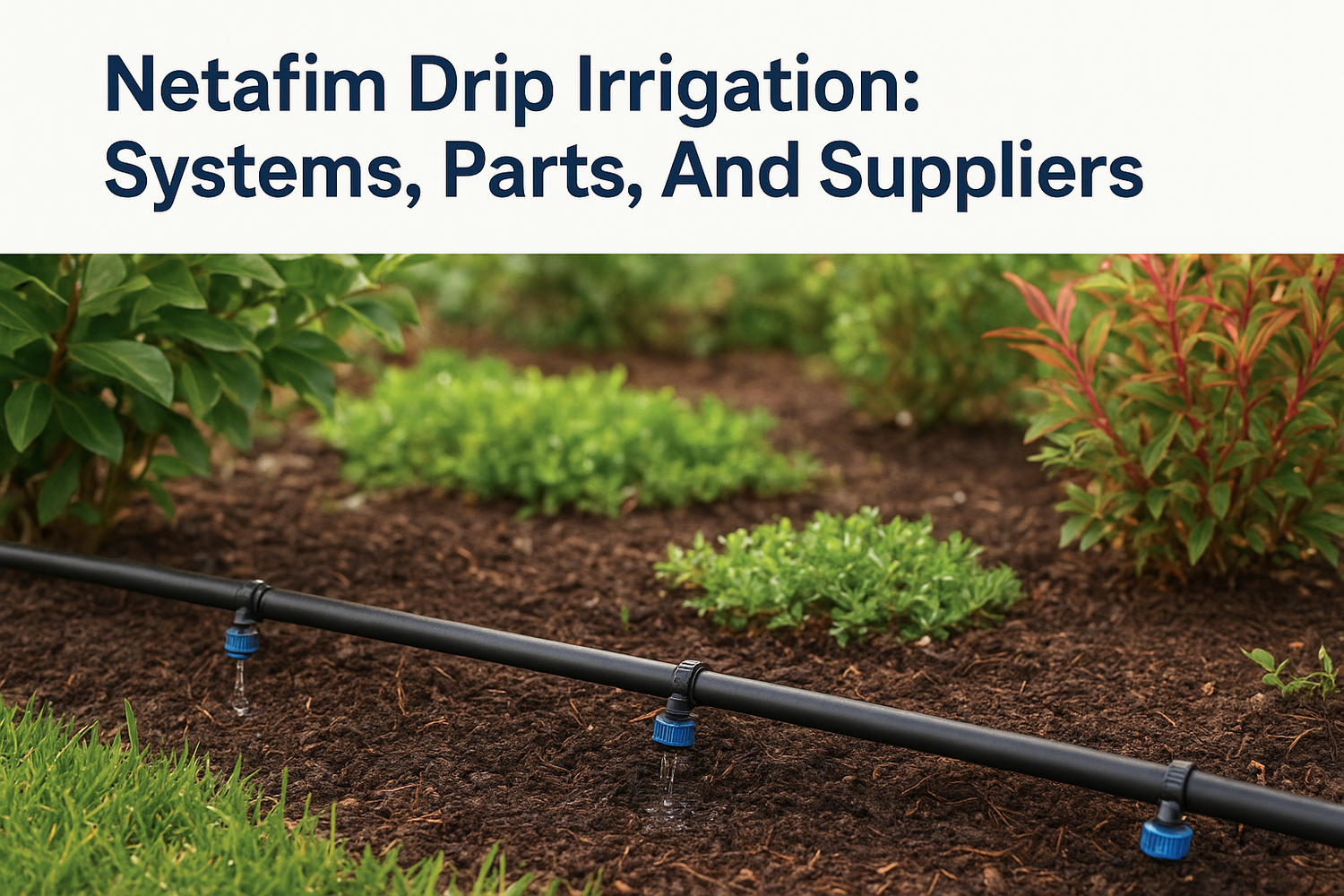
A well-designed garden is only as good as its irrigation system. At Konzept Garden, we've seen countless beautiful landscapes struggle because of inefficient watering methods. That's why Netafim drip irrigation has become a go-to solution for many of our residential and commercial projects across Malaysia. This Israeli-pioneered technology delivers water directly to plant roots, reducing waste and promoting healthier growth.
Whether you're a homeowner planning a backyard transformation or a developer working on large-scale landscaping, understanding your drip irrigation options matters. Netafim offers a range of systems suited for everything from potted plants to agricultural fields. But finding the right components and reliable suppliers in Malaysia can feel overwhelming without proper guidance.
This article breaks down Netafim's drip irrigation systems, the essential parts you'll need, and where to source them. We'll cover technical specifications, product options, and practical tips for getting started with your irrigation setup.
Why choose Netafim drip irrigation
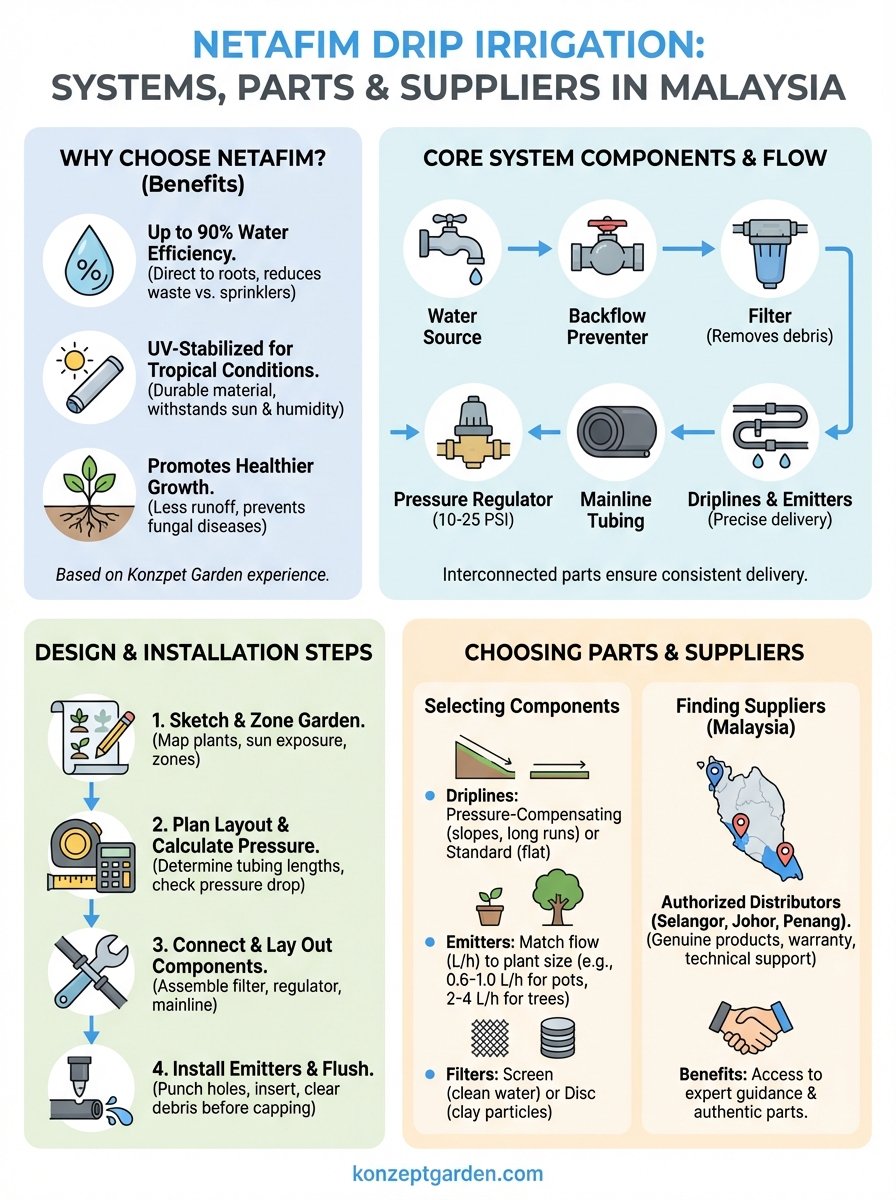
Netafim invented drip irrigation back in the 1960s and has refined the technology for over six decades. You get battle-tested components that have performed in everything from arid deserts to humid tropical climates. Their systems deliver up to 90% water efficiency compared to traditional sprinkler methods, which typically waste 40-50% of water through evaporation and runoff.
Proven water efficiency
Your monthly water bills drop significantly when you switch to Netafim drip irrigation. The system applies water directly to root zones at low pressure and slow rates, eliminating surface runoff and deep percolation losses. Malaysian homeowners who've made the switch report 30-60% reductions in water consumption while maintaining healthier plants. This precision watering also prevents fungal diseases that thrive on wet foliage.
"Drip irrigation can reduce water usage by up to 60% compared to conventional methods while improving plant health."
Durability in tropical conditions
Malaysia's intense UV exposure and high humidity destroy inferior irrigation products within months. Netafim manufactures their driplines with UV-stabilized polyethylene that withstands years of tropical sun without degrading. The company backs this claim with extended warranties on their commercial-grade products. You won't spend weekends replacing cracked tubes or clogged emitters like you would with generic alternatives. Their self-flushing technology keeps emitters clear even when using water with higher mineral content, which is common in many Malaysian regions.
Netafim drip system parts and how they work
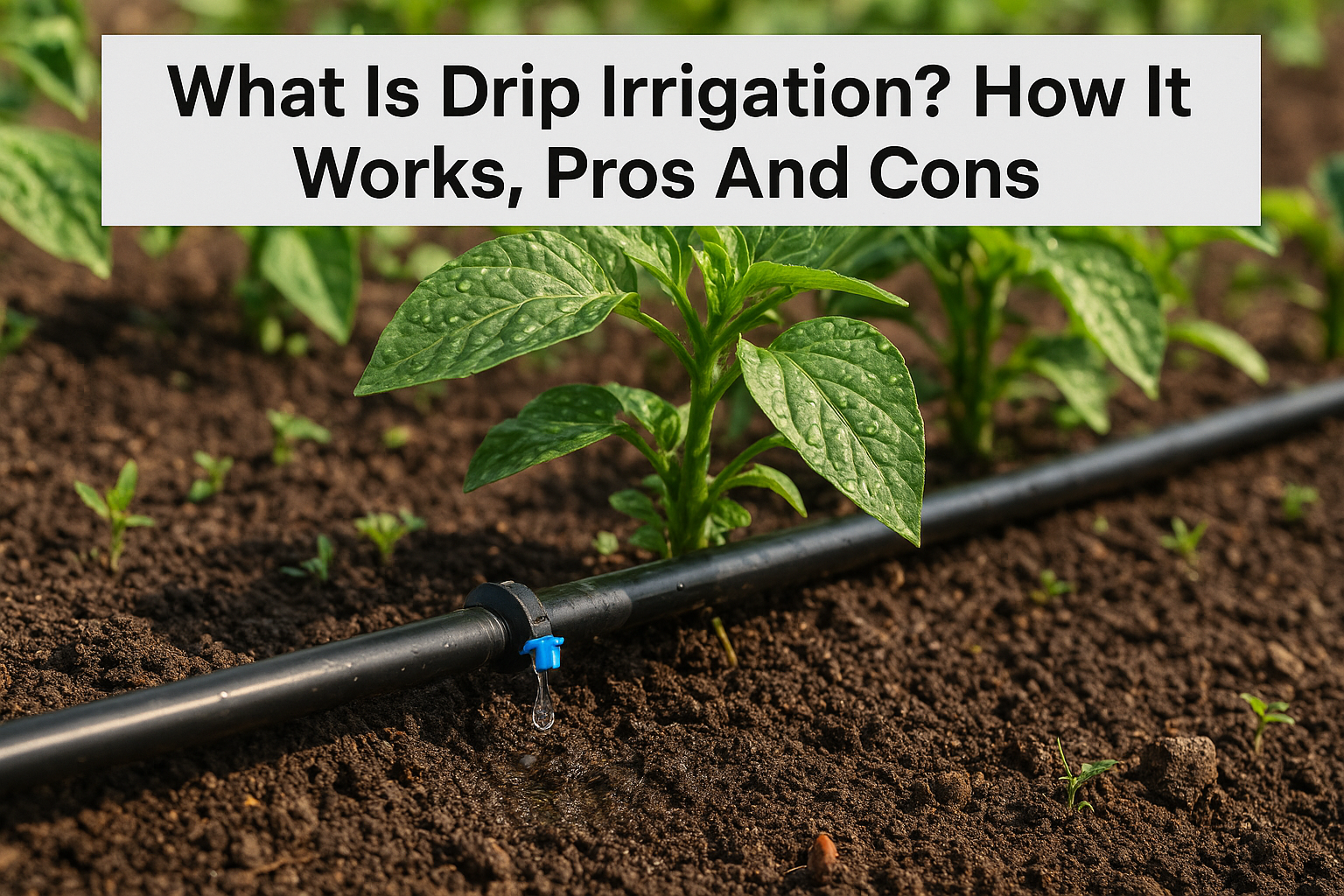
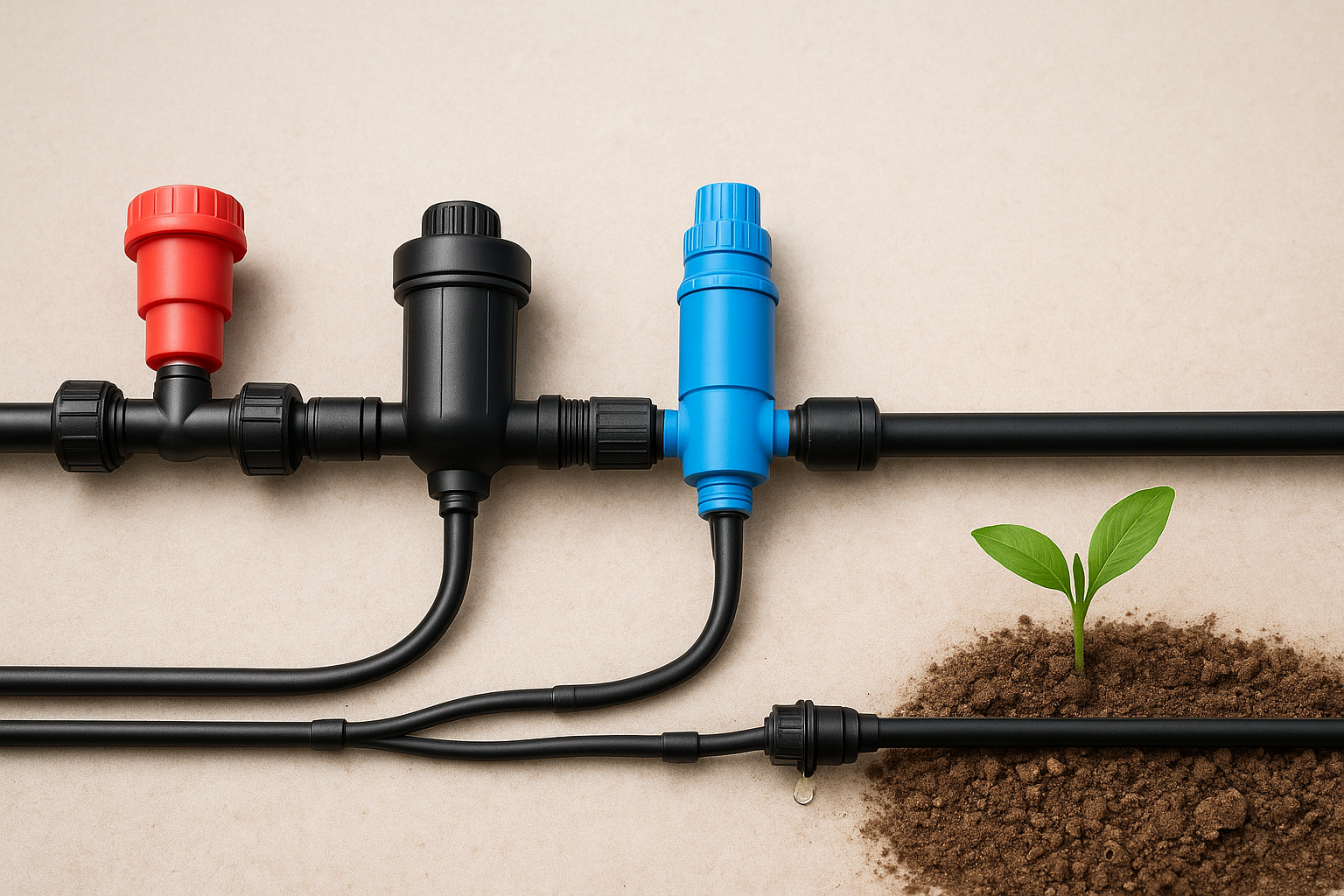
A Netafim drip irrigation system consists of interconnected components that work together to deliver precise amounts of water to your plants. You start with a water source connection, then add filters, pressure regulators, and distribution lines before reaching the emitters at plant level. Understanding each part helps you troubleshoot problems and expand your system as your garden grows.
Core components you'll need
Your basic setup requires five essential elements: a backflow preventer, filter, pressure regulator, main distribution tubing, and driplines with emitters. The backflow preventer stops contaminated water from entering your household supply. Filters remove particles that could clog emitters, while pressure regulators maintain the 10-25 PSI range that Netafim systems require. You connect these components using compression fittings that create watertight seals without requiring special tools.
"Each component plays a specific role in maintaining consistent water delivery and preventing system failures."
How water moves through the system
Water enters your Netafim drip irrigation setup through the filter, which captures sediment and debris. The pressure regulator then reduces incoming pressure to optimal levels before water flows into 16mm or 20mm mainline tubing. These distribution lines branch out to individual planting areas where driplines with built-in emitters release water at predetermined rates, typically 0.6 to 4 liters per hour per emitter.
How to design and install a Netafim drip system
You need a solid plan before purchasing any Netafim drip irrigation components. Start by sketching your garden layout on paper, marking existing plants and noting their water requirements. Measure the distance from your water source to the farthest planting area to determine how much mainline tubing you'll need. Factor in pressure drop calculations if your system will cover more than 50 meters, as longer runs may require additional pressure compensation.
Mapping your watering zones
Divide your garden into zones based on plant types and sun exposure. Vegetables and flowering plants typically need different watering schedules than established trees or shrubs. Your high-water-need plants should form separate zones from drought-tolerant species. Use a measuring tape to record exact distances between plant rows, as this determines emitter spacing on your driplines. Malaysian gardens often mix tropical plants with varying needs, so proper zoning prevents overwatering some areas while underwatering others.
Installing your system step by step
Connect your filter and pressure regulator to the outdoor faucet first, ensuring all fittings create tight seals. Lay out your mainline tubing along planned routes before cutting, which lets you adjust placement if needed. Punch holes in the mainline using a punch tool at marked locations, then insert barbed fittings for dripline connections. Flush the system by running water through open ends before attaching end caps, which clears any debris that entered during installation.
"Proper planning reduces installation time by half and prevents costly component replacements."
Choosing driplines, emitters, and filters
Your Netafim drip irrigation system's performance depends heavily on selecting appropriate components for your specific garden conditions. Different plants require different flow rates, and Malaysian water quality varies significantly between regions. Choosing the wrong dripline or filter type leads to clogged emitters and uneven watering patterns that stress your plants.
Selecting the right dripline type
Netafim offers pressure-compensating driplines that maintain consistent output regardless of terrain slopes or system length. These work best for Malaysian gardens with elevation changes or extended runs over 30 meters. Standard non-compensating driplines cost less but require flat terrain and shorter distances to function properly. Your dripline spacing between emitters should match plant spacing, with options ranging from 20cm to 60cm intervals.
Matching emitters to your plants
Choose 0.6-1.0 liter per hour emitters for container plants and small shrubs, while established trees need 2-4 liters per hour. Malaysian tropical plants with high water needs perform best with multiple emitters per plant rather than single high-flow units. This approach creates wider moisture distribution and prevents root rot from concentrated water delivery.
"Proper component selection eliminates 80% of common drip irrigation problems before they start."
Filter options for Malaysian water
Screen filters handle basic sediment removal for clean municipal water, while disc filters better manage the clay particles common in Malaysian well water. Mesh size matters: 120-mesh filters suit most applications, but 200-mesh provides extra protection for emitters with smaller openings.
Finding Netafim suppliers in Malaysia
Locating genuine Netafim products in Malaysia requires connecting with authorized distributors who stock complete system components. You'll find several regional dealers across Peninsular Malaysia, particularly in Selangor, Johor, and Penang. These suppliers carry everything from basic dripline rolls to specialized controllers and filtration systems. Working with authorized dealers ensures you receive products backed by Netafim's warranty and technical support.
Authorized distributors and dealers
Your search for Netafim drip irrigation components should start with agricultural supply companies that specialize in commercial irrigation equipment. Contact distributors directly by phone to verify current stock levels before visiting, as some specialized components may require advance ordering. Many authorized dealers also provide installation guidance and system design consultations for larger projects.
"Authorized dealers provide technical support that generic suppliers cannot match, saving you time and costly installation errors."
Online purchasing options
Several Malaysian e-commerce platforms now stock Netafim compatible components, though selection varies compared to physical suppliers. You can find basic items like dripline and fittings through general platforms, but specialized equipment typically requires direct contact with irrigation suppliers. Always verify product authenticity and check seller ratings before purchasing online to avoid counterfeit components that fail quickly.
Next steps for a reliable watering setup
You now understand the core components of Netafim drip irrigation systems and where to source them in Malaysia. Start by calculating your garden's water requirements and mapping out zones based on plant types. Purchase your components from authorized distributors to ensure product authenticity and access to technical support when needed. Begin with a small test section before expanding to your entire property, which lets you adjust emitter placement and watering schedules without major system modifications.
A complete irrigation setup works best when integrated with your overall landscape design from the start. At Konzept Garden, we help residential and commercial clients across Malaysia create sustainable outdoor spaces that include efficient watering systems tailored to tropical conditions. Our team considers plant selection, terrain challenges, and long-term maintenance needs when designing your garden. Contact our landscape design team to discuss how proper irrigation planning can transform your outdoor space into a thriving, water-efficient environment that requires minimal upkeep.