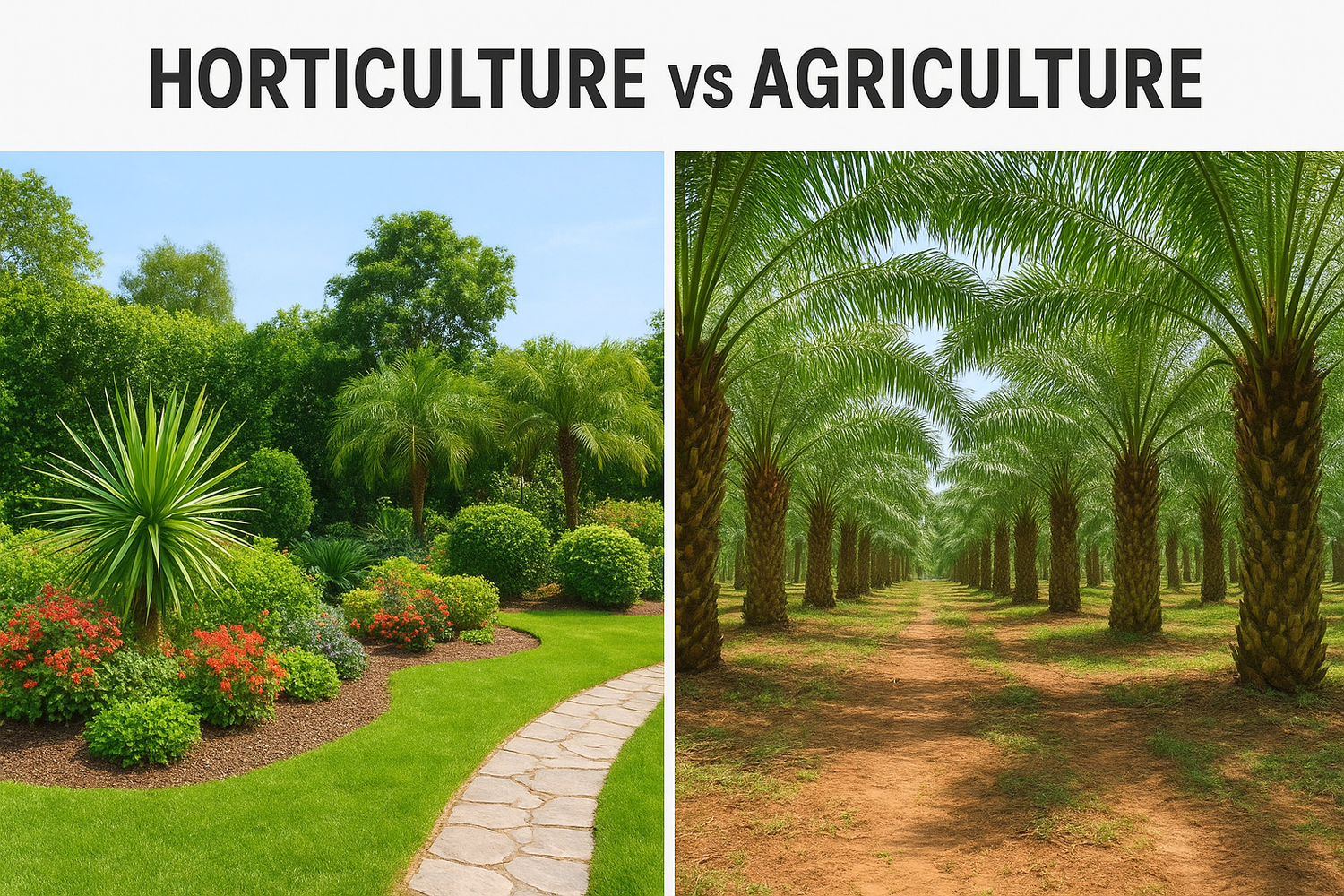
If you have ever wondered why your garden designer talks about horticulture while your neighbor's oil palm estate runs on agriculture, you are asking the right question. The debate around horticulture vs agriculture comes up often among homeowners and property developers in Malaysia who want to understand which discipline applies to their outdoor project, and the confusion is understandable since both deal with growing plants for a living.
The short answer is that scale and purpose set them apart. Agriculture focuses on large scale crop and livestock production for food and raw materials, while horticulture zooms in on smaller, intensive plantings like ornamental gardens, fruit trees, vegetables, and landscape features designed around beauty, function, or specialty use.
In this article, we break down the core differences in scope, scale, techniques, and career paths between the two fields. We will also show you where landscape design fits into the picture, so you can see exactly why a project like your garden or commercial outdoor space calls for horticultural expertise rather than farming methods.
Why the horticulture vs agriculture distinction matters
Getting the horticulture vs agriculture distinction right isn't just academic. It changes who you call, what you budget for, and how long your project takes. A developer who hires an agricultural contractor to landscape a condominium courtyard will end up with the wrong equipment, the wrong plant palette, and a result that looks more like a plantation than a place people want to relax in. The reverse mistake, hiring a landscape designer to manage a durian orchard, wastes money on decorative touches a working farm doesn't need.
It shapes your budget and expectations
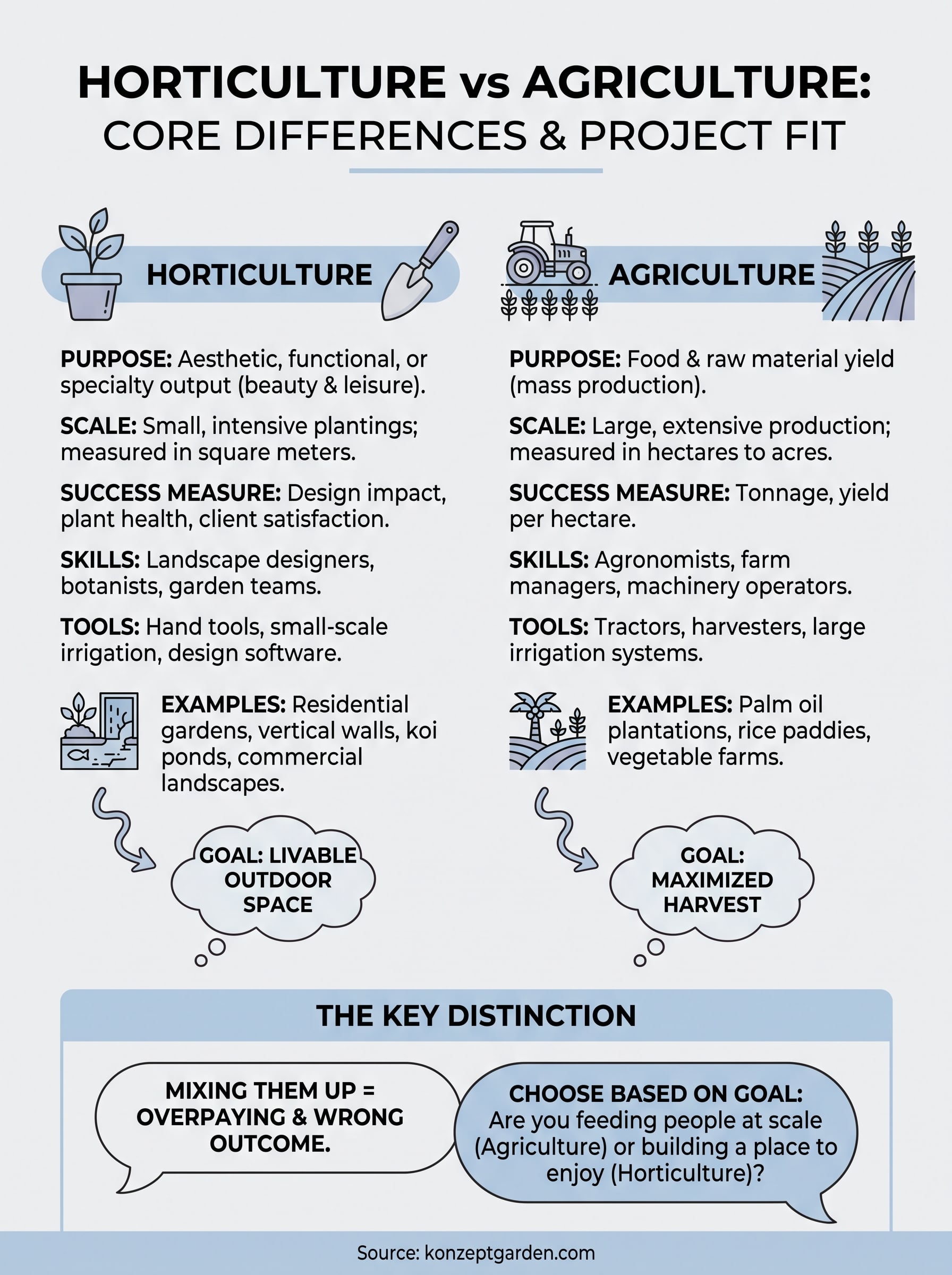
Agricultural projects are priced per hectare and measured in yield, whether that's tonnes of fresh fruit bunches or kilograms of vegetables. Horticultural projects, especially the residential and commercial gardens Konzept Garden designs, are priced per square meter and measured in design impact, from how a koi pond anchors a courtyard to how a vertical wall softens a concrete facade. Confusing these pricing models leads to sticker shock on either side.
Mixing up horticulture and agriculture at the planning stage almost always means overpaying for the wrong outcome.
It determines the skills your project needs
A farmer manages soil fertility across acres using mechanized tools and crop rotation schedules built around harvest cycles. A horticulturist works at a much finer grain, selecting individual specimen trees, balancing shade and sun exposure in a small yard, and troubleshooting soil pockets one planter box at a time. Here's how the required expertise diverges:
- Agriculture: agronomists, farm managers, machinery operators
- Horticulture: landscape designers, botanists, garden implementation teams
- Overlap: soil science and pest management principles apply to both, though the scale of application differs sharply
Understanding which category your project falls into also affects compliance. Malaysia's Department of Agriculture oversees large-scale crop production standards, while local municipal councils typically handle landscaping approvals for residential and commercial developments. Knowing which body governs your project saves you from chasing the wrong permits or missing requirements altogether.
How to decide which practice fits your project
Before you call anyone, ask yourself one question: are you feeding people at scale, or building a place for people to enjoy? That single answer usually points you toward agriculture or horticulture faster than any technical checklist. A five-acre plot destined for chili or papaya production needs an agronomist. A 200 square meter backyard meant for entertaining guests needs a landscape designer who understands plant aesthetics and hardscape flow.
Match the practice to your land size and goal
Size alone won't settle it, though it's a strong clue. Consider these questions together:
- What's your primary output? Food for sale points to agriculture; visual appeal or leisure points to horticulture.
- How much land are you working with? Multiple hectares usually means agricultural methods; a residential or commercial lot usually means horticultural ones.
- Who will maintain it long term? Farm labor and machinery suit agriculture; a garden maintenance crew suits horticulture.
- Do you need design elements like pathways, water features, or lighting? That's a horticultural signal every time.
If your goal is a beautiful, livable outdoor space rather than a harvest, you need horticulture, not agriculture.
When your project sits in between
Sometimes a project blends both, like an agritourism farm with a landscaped visitor area or a homestead with a working vegetable patch beside an ornamental garden. In these cases, bring in a horticultural team for the aesthetic zones and separate agricultural expertise for the productive plots, rather than expecting one contractor to handle both well.
Key differences between horticulture and agriculture
Once you understand the underlying purpose behind each discipline, the practical differences become easy to spot. Below is a quick side-by-side comparison you can reference when briefing a contractor or explaining your project to a supplier.
Comparing scope, scale, and technique
| Factor | Agriculture | Horticulture |
|---|---|---|
| Primary goal | Food and raw material yield | Aesthetic, functional, or specialty output |
| Typical scale | Hectares to thousands of acres | Square meters to a few acres |
| Common tools | Tractors, harvesters, irrigation systems | Hand tools, small-scale irrigation, design software |
| Plant focus | Staple crops, livestock feed, cash crops | Ornamentals, fruit trees, vegetables, turf |
| Success measure | Tonnage, yield per hectare | Design impact, plant health, client satisfaction |
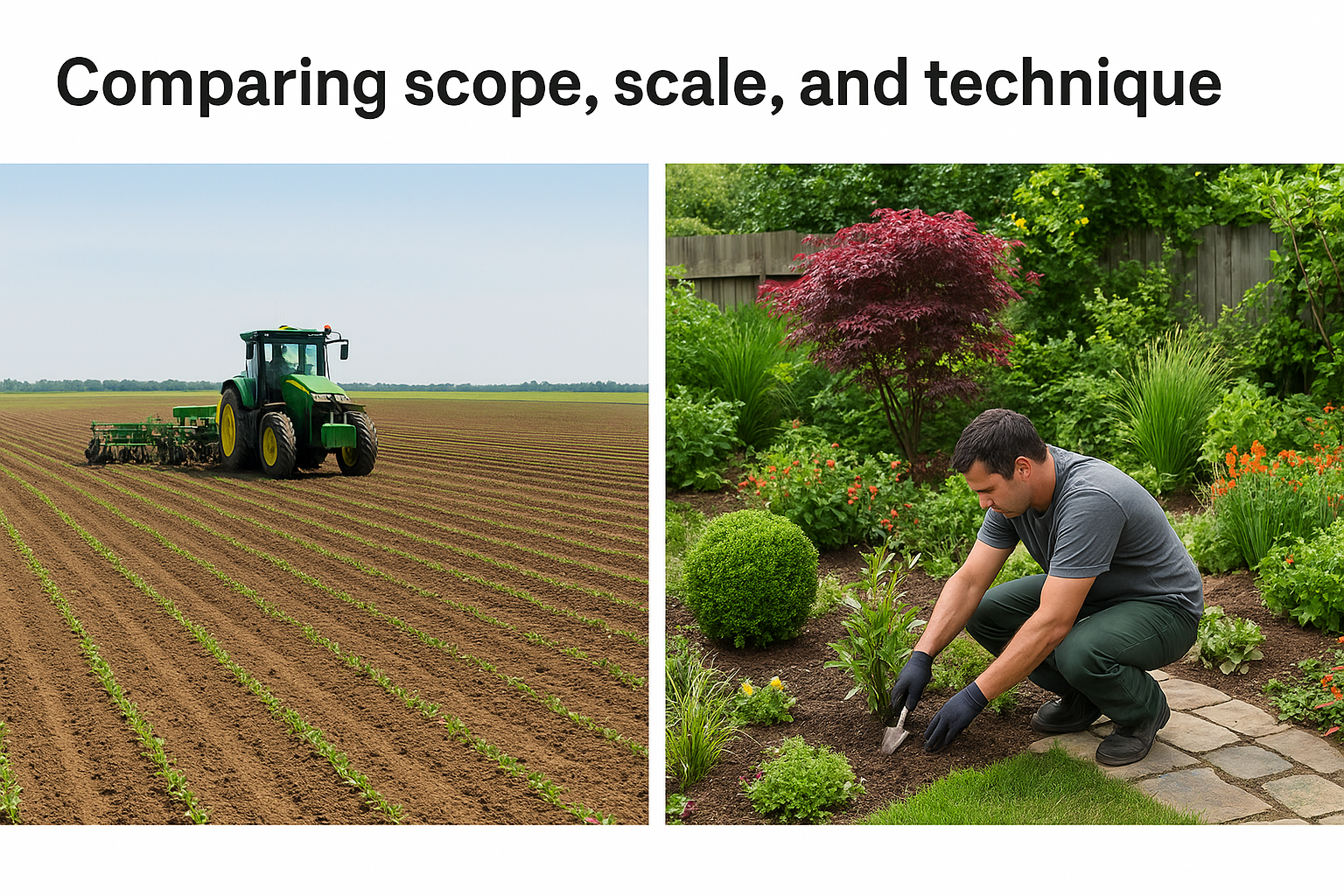
The clearest way to tell them apart is to ask whether success is measured in tonnes or in how a space makes people feel.
Why technique diverges so sharply
Agriculture leans on mechanization and uniformity because it needs to produce consistent volumes across large fields with limited labor per hectare. Horticulture leans on precision and individuality, since each specimen tree, planter box, or garden bed gets attention that would be impractical across a plantation. That difference in technique explains why a horticulturist might spend an afternoon perfecting the placement of three shrubs, while a farmer measures success by how many hectares get planted before the rains arrive.
Finally, career paths reflect this split. Agricultural professionals typically train in agronomy, soil science at scale, or farm management, while horticultural professionals train in landscape architecture, botany, and garden design, the exact expertise behind Konzept Garden's project teams.
Examples of horticulture and agriculture in Malaysia
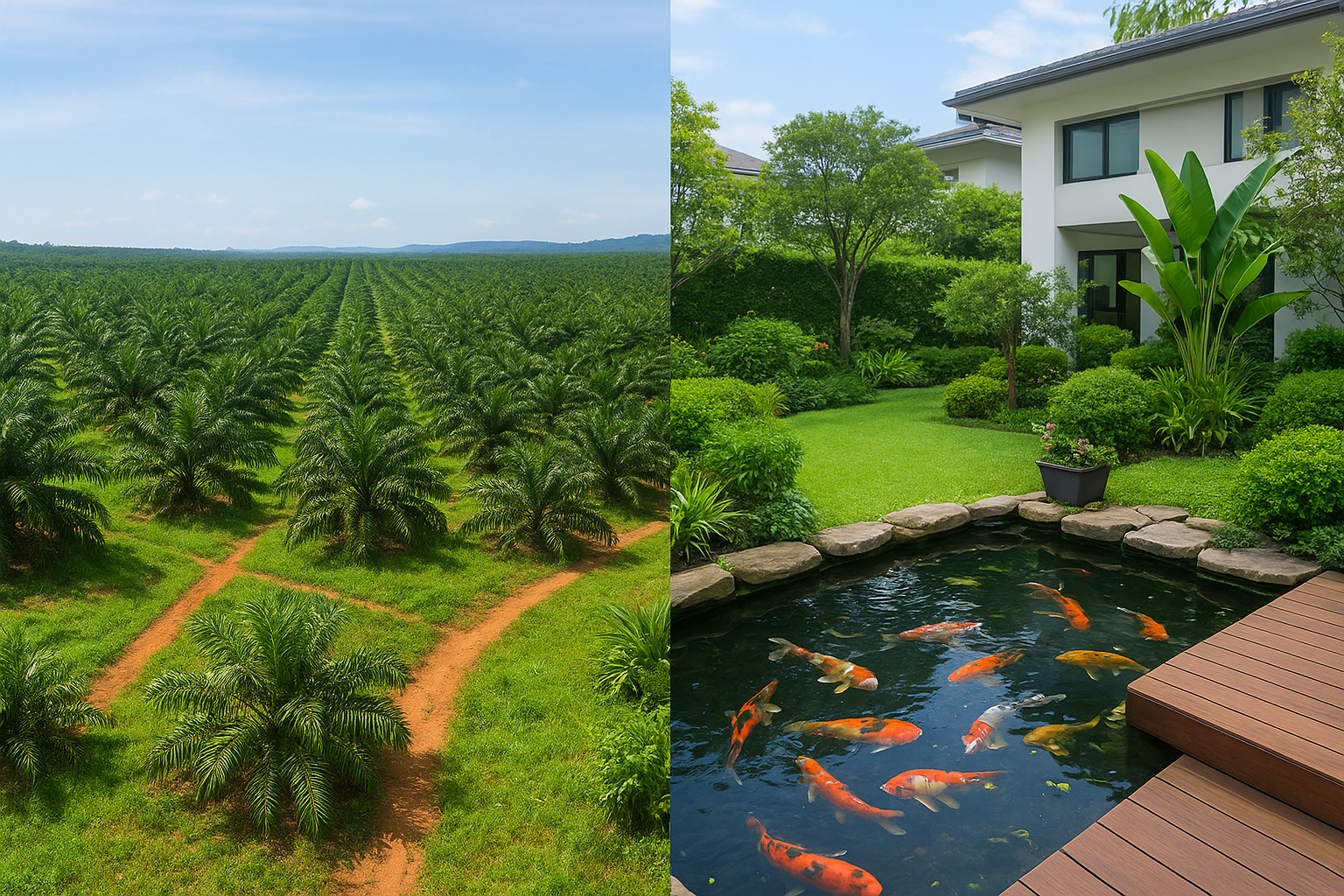
Malaysia gives you both disciplines in plain sight, often within a few kilometers of each other. Palm oil plantations stretching across Johor and Sabah represent agriculture at its largest scale, while a landscaped bungalow garden in Petaling Jaya or a resort courtyard in Langkawi shows horticulture doing its finer work. Seeing real examples side by side makes the distinction click faster than any definition.
Agriculture you'll recognize across the country
Oil palm and rubber estates dominate the agricultural picture, but rice paddies in Kedah and vegetable farms in the Cameron Highlands round out the sector. These operations run on:
- Mechanized planting and harvesting across hundreds of hectares
- Irrigation systems designed for crop yield, not visual appeal
- Labor scheduled around monsoon patterns and harvest windows
Horticulture shaping everyday spaces
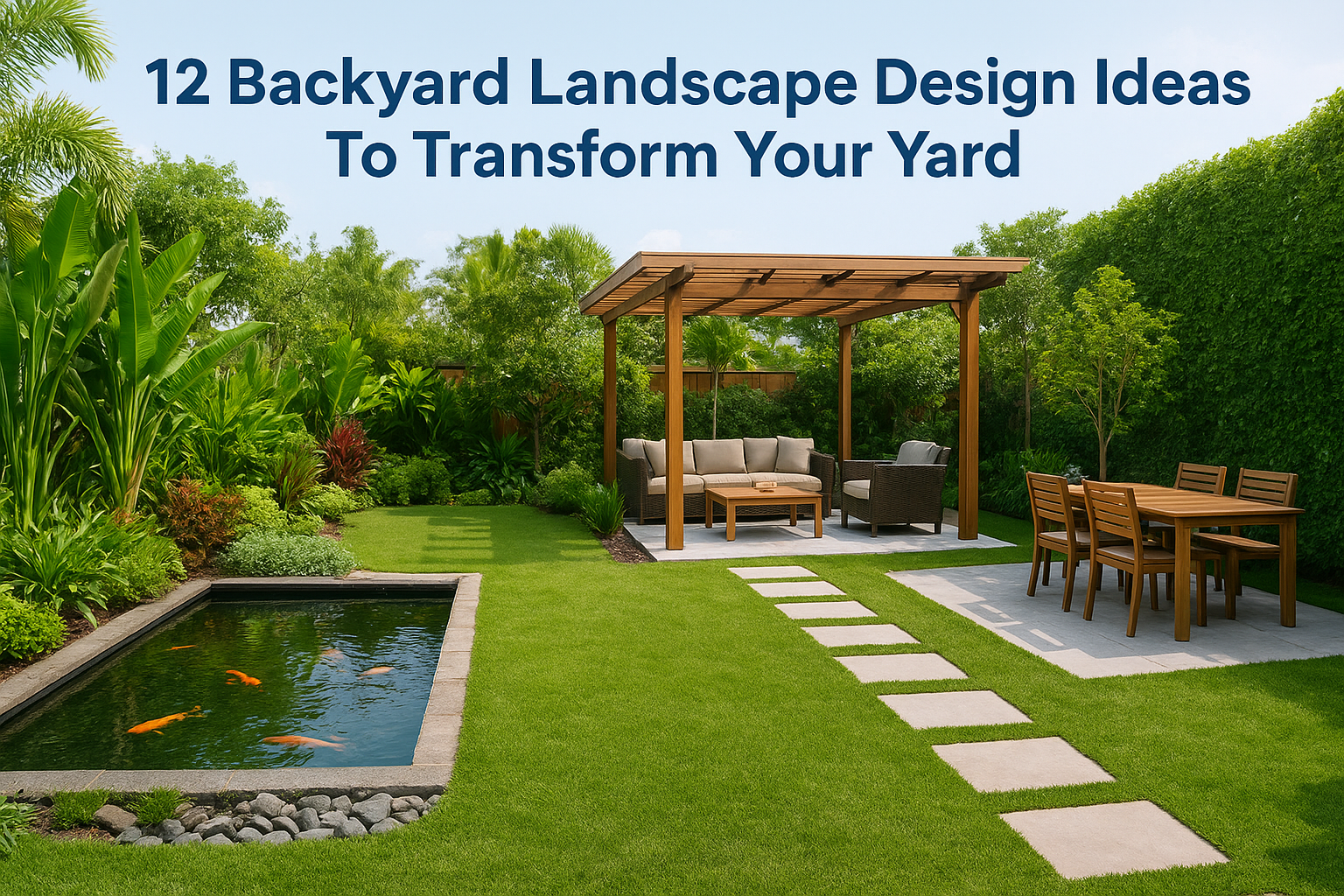
Horticulture shows up wherever people live, work, or gather. Think of a condominium's landscaped rooftop garden, a hotel lobby's vertical wall, or a homeowner's koi pond tucked beside a patio. Konzept Garden's own projects fall squarely here, from residential gardens with custom planting plans to commercial spaces featuring self-watering planter boxes and synthetic turf that survives Malaysia's humidity without constant upkeep.
A palm oil estate and a backyard koi pond both involve growing things, but only one calls for a landscape designer.
Understanding which category your own project belongs to, agricultural or horticultural, keeps you from hiring the wrong expertise and paying for tools or techniques your space simply doesn't need.
Finding the right fit for your outdoor space
Now that you can tell horticulture vs agriculture apart, the choice for your own property should feel obvious. If you're growing crops at scale, you need agronomists and farm equipment. If you're shaping a garden, courtyard, or backyard retreat, you need horticultural expertise, the kind that thinks about plant placement, water features, and how a space feels to live in.
Most homeowners and developers reading this fall into the second group, and that's exactly where Konzept Garden's team works every day. Whether you're picturing a koi pond as a courtyard centerpiece or a full landscape overhaul with custom planting plans, the right horticultural partner turns a bare plot into a space you actually want to spend time in.
Ready to see what that looks like for your property? Talk to our team about your project and get a plan built around your space, not a plantation.