
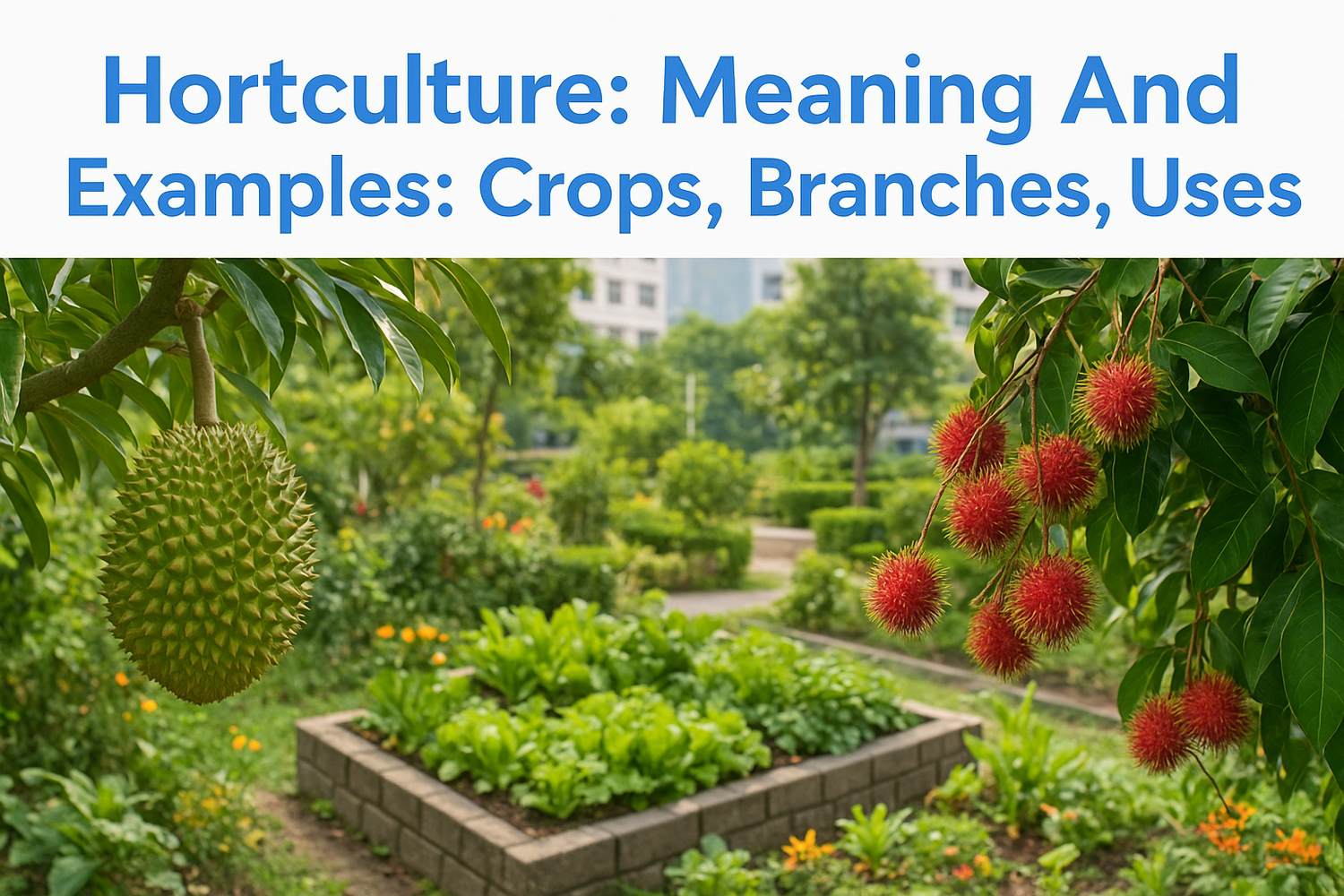
Every garden you've ever admired, from a perfectly arranged row of orchids to a backyard mango tree heavy with fruit, exists because of horticulture. Yet when most people search for horticulture meaning and examples, they find dry textbook definitions that strip away everything interesting about the subject. Horticulture is the science and art of cultivating plants for food, beauty, and human well-being, and it touches nearly every green space around us.
At Konzept Garden, horticulture isn't just a concept we study, it's what we practice daily. Our landscape designers and botanist consultants work with living plants across Malaysia, selecting species, planning garden layouts, and building outdoor spaces that thrive in our tropical climate. That hands-on experience gives us a practical perspective on what horticulture actually means beyond the classroom.
This article breaks down horticulture into its core branches, pomology, olericulture, floriculture, and others, with specific crop examples for each. You'll also learn how horticulture differs from general agriculture and why that distinction matters. By the end, you'll have a clear, working understanding of the field and the many ways it shapes the spaces we live in.
Why horticulture matters today
Horticulture has moved from the background of agricultural science to the center of how cities, communities, and individuals think about food, well-being, and the built environment. Malaysia alone has seen rapid urbanization over the past two decades, and with that growth comes a growing need for green spaces, local food sources, and plants that improve the quality of urban life. Understanding horticulture meaning and examples helps you see exactly why the field carries so much practical weight in modern settings.
Food security and urban farming
Urban populations around the world are becoming increasingly dependent on food that travels long supply chains, which makes local horticultural production more valuable than ever. Rooftop gardens, community plots, and vertical farms rely directly on horticultural knowledge to grow vegetables, herbs, and fruit crops in limited spaces. When you grow leafy greens in a raised bed or manage a small orchard on a residential property, you're applying horticultural science to reduce dependence on commercial supply chains.
The FAO estimates that urban and peri-urban horticulture already supplies food to hundreds of millions of people globally, and that number continues to grow as cities expand.
In Malaysia, tropical crops like chili, pandan, and papaya are common in home gardens precisely because the climate supports year-round horticultural production. Knowing which varieties grow best in your soil type and how to manage watering and nutrients is the difference between a productive garden and a struggling one.
Mental health and livable spaces
Research consistently links access to green spaces with lower stress levels, improved mood, and better cognitive function. Horticulture is the mechanism behind those benefits. Whether you're looking at a planted office lobby, a therapeutic garden in a hospital, or a carefully designed residential garden in Kuala Lumpur, trained horticulturalists made those spaces possible.
Horticultural therapy is a formal discipline that uses plant cultivation and garden activities to support mental and physical rehabilitation. Therapists use it with patients recovering from stroke, managing anxiety, or dealing with depression. The plants themselves, their textures, scents, and the act of tending them, drive measurable therapeutic outcomes.
Environmental and ecological value
Plants managed through horticultural practice do significant work for the environment. Trees, shrubs, and ground cover plants reduce the urban heat island effect, absorb stormwater runoff, filter air pollutants, and create habitat for insects and birds. In dense tropical cities like Kuala Lumpur and Penang, thoughtful planting choices can lower ambient temperatures by several degrees.
Horticultural practices also support biodiversity conservation by propagating native species, maintaining seed banks, and restoring degraded land. Landscape designers who understand horticulture can choose plants that support local pollinators and complement the surrounding ecology rather than disrupting it. Every planting decision, from the selection of grass species to the placement of flowering shrubs, carries ecological consequences that either help or harm the local environment.
Main branches of horticulture
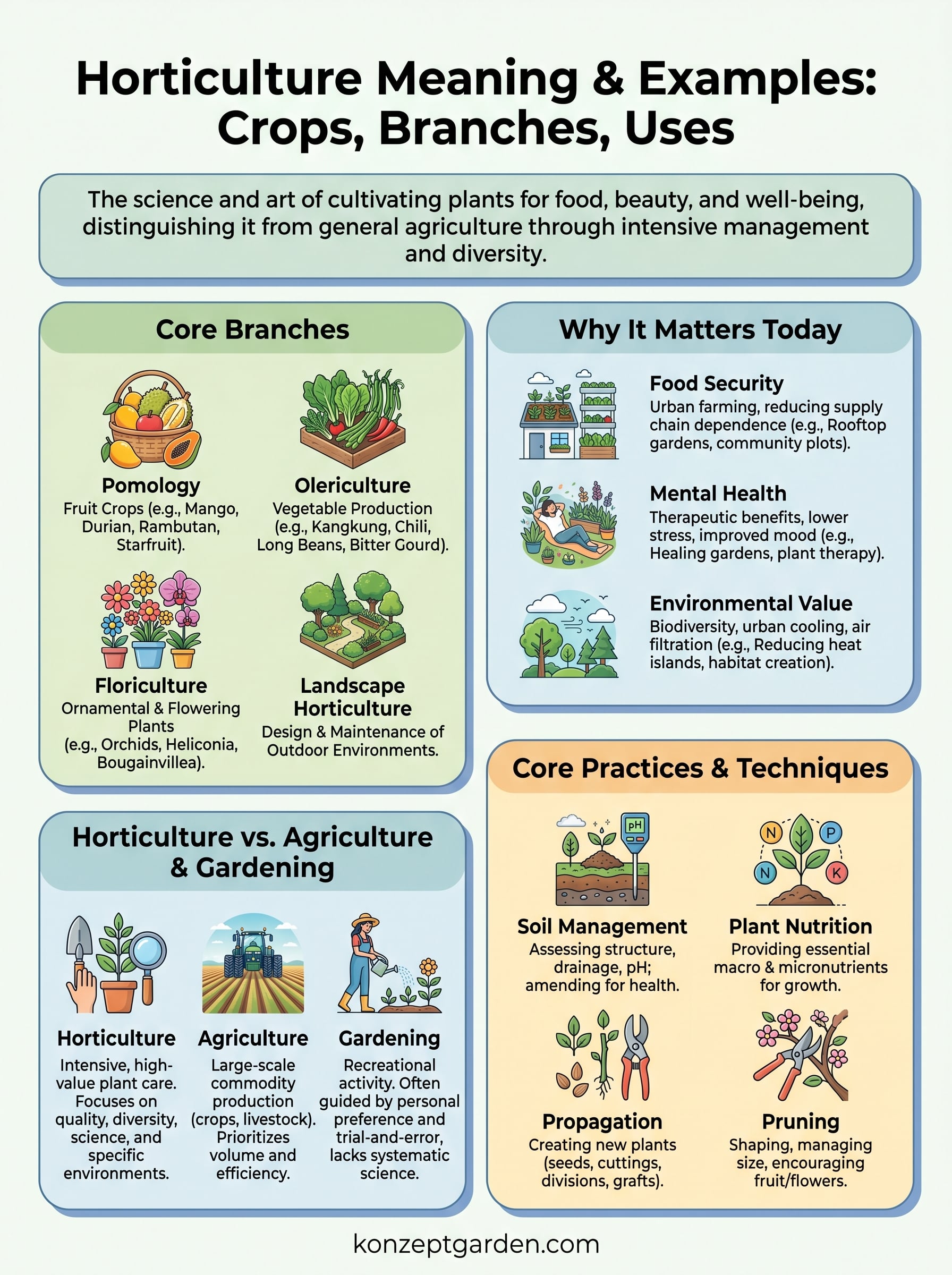
Horticulture isn't a single practice but a collection of specialized fields, each focused on a different category of plant cultivation. Understanding these branches gives you a much clearer picture of horticulture meaning and examples across the entire discipline, from the fruit on your table to the ornamental plants framing your front entrance. Each branch draws on its own body of knowledge while sharing the same foundation of plant science.
Food-producing branches
Pomology is the branch dedicated to fruit crops. Pomologists study how to grow, improve, and harvest fruit trees and vines, covering everything from soil requirements to pest management. In Malaysia, mango, rambutan, durian, and starfruit all fall under the scope of pomology, making it one of the most commercially significant branches in the region.
Olericulture focuses on vegetable production. It covers the cultivation of crops grown for edible roots, leaves, stems, or seeds. If you've grown kangkung, long beans, or bitter gourd in a home plot, you've practiced olericulture without necessarily knowing the name. This branch informs everything from planting schedules to soil preparation and the irrigation methods that keep vegetable yields consistent.
Pomology and olericulture together form the productive backbone of horticulture, directly connecting plant science to the food supply.
Ornamental and landscape branches
Floriculture covers the cultivation of flowering and ornamental plants, including cut flowers, potted plants, and bedding plants used in landscaping. This branch feeds both the commercial flower trade and the residential garden market. Orchids are a prime floriculture crop across Southeast Asia, valued for their visual impact and their strong commercial export demand.
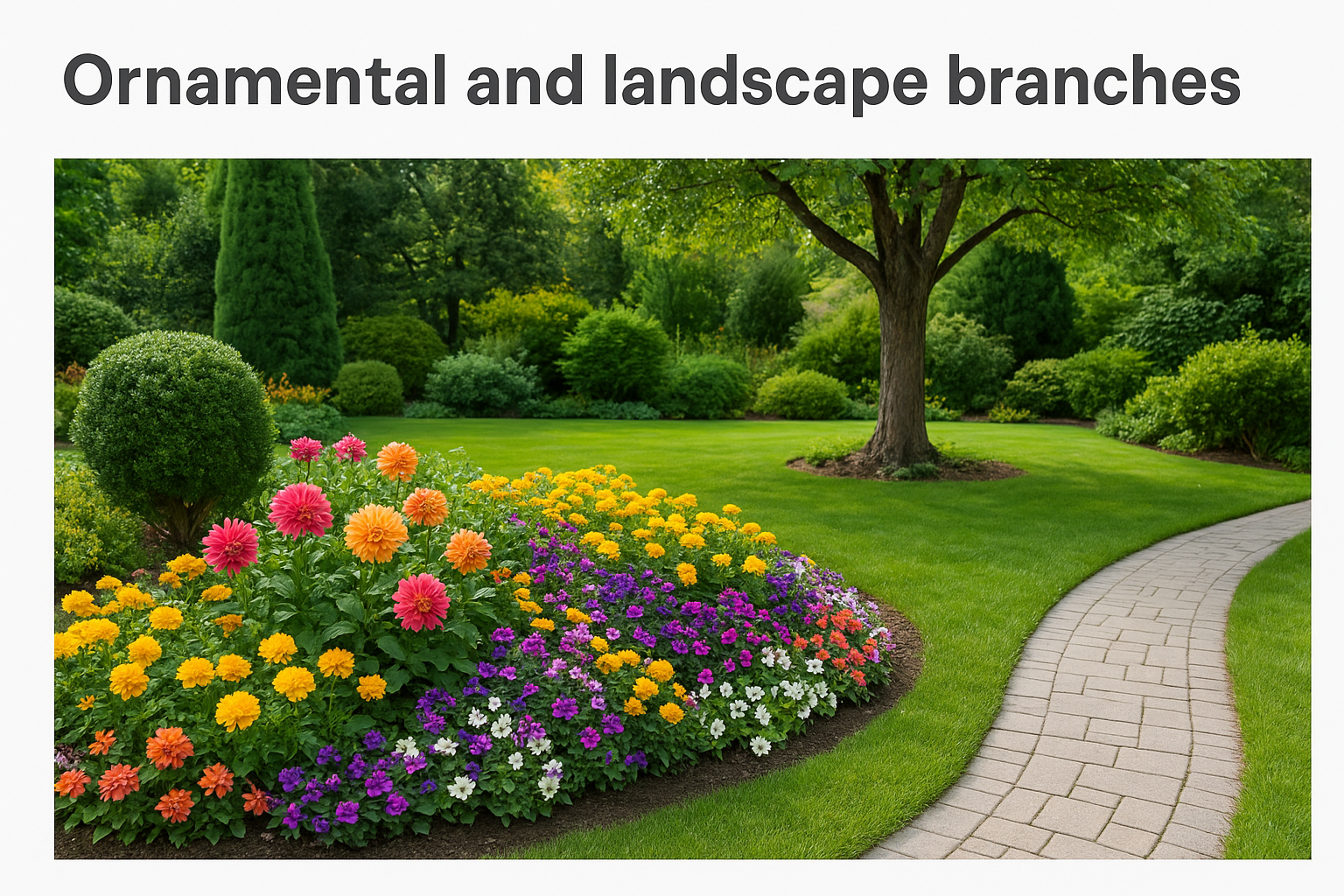
Landscape horticulture applies plant knowledge directly to the design and maintenance of outdoor environments. This branch combines plant selection, site analysis, and ecological understanding to create spaces that function well and hold together visually. Arboriculture, which focuses on the care and management of individual trees, sits within this broader category and becomes especially critical in dense urban settings where mature trees reduce heat, filter air, and anchor the overall landscape design.
Common horticulture crops and examples
When you look at horticulture meaning and examples across the plant kingdom, the range is broader than most people expect. Horticultural crops span everything from the food on your plate to the flowering plants in your garden border. What these crops share is that they're cultivated with deliberate care and scientific intent, rather than simply harvested from the wild or mass-produced like staple grains.
Tropical fruit and vegetable crops
Malaysia's climate makes it one of the most productive regions for tropical horticultural crops in the world. Durian, rambutan, mangosteen, and papaya sit at the top of the commercial fruit category, generating significant export revenue while also supplying the local market. These crops demand precise knowledge of soil pH, drainage, and pruning and fertilization schedules to produce consistent, high-quality yields.
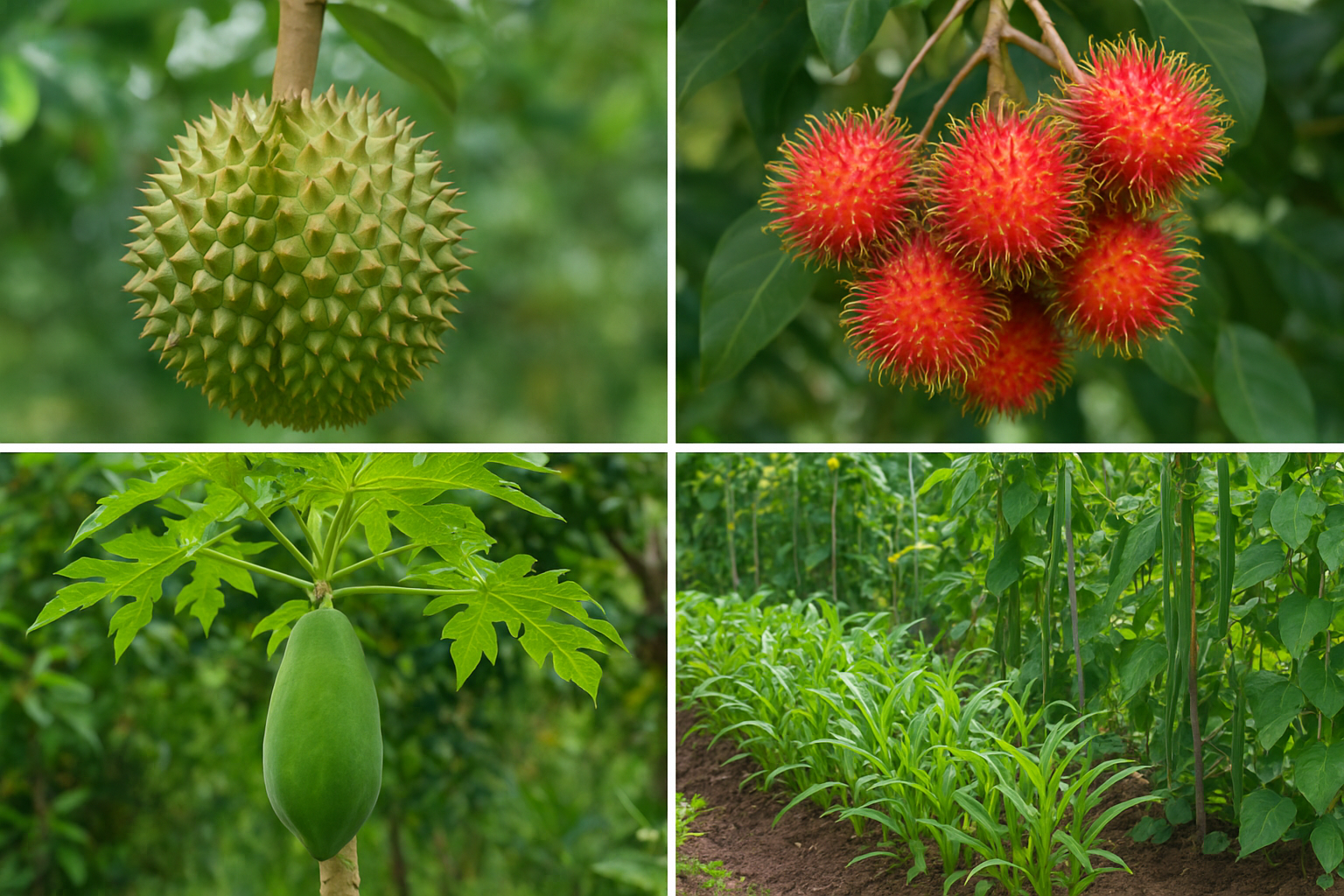
On the vegetable side, kangkung, bitter gourd, long beans, and pandan represent everyday horticultural production across both commercial farms and household plots. Home growers who manage these crops deal with the same core challenges as large-scale producers: controlling pests, managing soil nutrition, and timing the harvest correctly. Even growing a small container of chili peppers or curry leaf on your balcony counts as applied olericulture.
Tropical horticultural crops thrive in Malaysia's year-round warmth, but successful cultivation still depends on matching the right variety to your specific soil type and microclimate.
Ornamental and aromatic plants
Beyond food crops, horticulture covers the plants grown purely for visual appeal, fragrance, or environmental function. Orchids lead the ornamental category in Malaysia, widely cultivated for both domestic use and export. Other significant examples include heliconia, ixora, bougainvillea, and frangipani, all of which appear regularly in residential landscaping and public green spaces throughout the country.
Aromatic plants like lemongrass, pandan, and tuberose occupy an interesting middle ground. You can grow them for culinary use, for their fragrance, or simply as attractive additions to a garden planting scheme. Recognizing these crops as horticultural subjects rather than just ingredients shifts how you approach their care and placement.
Horticulture vs agriculture and gardening
Many people use horticulture, agriculture, and gardening interchangeably, but each term describes a distinct scope of activity. Pinning down those differences sharpens your understanding of horticulture meaning and examples and helps you identify which body of knowledge applies to your specific situation.
How horticulture differs from agriculture
Agriculture is a broad field that covers the large-scale production of crops and livestock to feed populations. It includes staple grain crops like rice, wheat, and corn, which are grown across massive tracts of land using mechanized equipment and standardized processes. Horticulture sits within agriculture as a specialized branch, but it narrows the focus to high-value, intensively managed plants rather than bulk commodity production.
The key distinction is scale and intention. Agricultural operations prioritize volume and efficiency, often at the expense of variety and ecological nuance. Horticultural practice prioritizes plant quality, diversity, and the specific relationship between plants and their environment, whether that's a commercial orchid farm or a carefully managed kitchen garden.
Agriculture feeds populations at scale; horticulture focuses on the quality, diversity, and human experience of plant cultivation.
How horticulture differs from gardening
Gardening and horticulture overlap significantly, but the difference comes down to knowledge depth and systematic application. Gardening typically refers to the recreational or practical activity of growing plants at home, guided largely by personal preference and trial-and-error. Horticulture brings scientific principles into that same activity, including formal understanding of plant physiology, soil chemistry, pest management, and propagation techniques.
You can be an excellent gardener without any formal horticultural training. But when a landscape designer or botanist consultant selects plants for a client's garden in Kuala Lumpur, they draw on horticultural science to make decisions that go beyond personal taste. Factors like root systems, growth rates, water requirements, and how each plant interacts with its neighbors guide every choice to build a garden that stays healthy and visually coherent over time. That systematic, science-backed approach is what separates horticulture from gardening in practice.
Core horticultural practices and techniques
Understanding horticulture meaning and examples at a conceptual level is useful, but the real value comes from knowing the practical techniques that make plants grow well. These core practices form the working toolkit that every horticulturalist, whether designing a large commercial landscape or managing a residential garden in Kuala Lumpur, applies on a regular basis. They're grounded in plant science and observation, and you can apply most of them at any scale.
Soil management and plant nutrition
Healthy plants start with healthy soil, and soil management is one of the most fundamental horticultural skills you can develop. Horticulturalists assess soil structure, drainage capacity, and pH levels before selecting plants or planning a planting scheme. In Malaysia's tropical conditions, heavy clay soils that retain too much moisture and acidic soils with low nutrient availability are common challenges that require targeted amendments like composting, perlite addition, or lime application.
Getting your soil right before you plant saves far more time and effort than trying to fix problems after your plants are already struggling.
Plant nutrition goes hand in hand with soil quality. Macronutrients like nitrogen, phosphorus, and potassium govern growth, root development, and flowering, while micronutrients like iron and manganese affect specific plant functions at lower concentrations. Applying fertilizers without understanding what your soil already contains often leads to nutrient imbalances that do more harm than good.
Propagation and pruning
Propagation is the process of creating new plants from seeds, cuttings, divisions, or grafts. Each method suits different plant types and purposes. Growing orchids from division, propagating frangipani from stem cuttings, or grafting a preferred durian variety onto a disease-resistant rootstock all require the same basic understanding of how plants form roots and respond to controlled stress. Choosing the right propagation method speeds up establishment and improves long-term plant health.
Pruning shapes plants, manages their size, and encourages flowering, fruiting, and denser growth. Timing matters significantly here. Pruning a flowering shrub at the wrong point in its growth cycle removes the buds before they open. Consistent, well-timed pruning keeps your plants productive and maintains the structure of a designed garden over years, not just seasons.
Putting horticulture into practice
Horticulture meaning and examples stretch across every scale of plant cultivation, from a single container of chili on your balcony to a professionally designed tropical garden with layered planting schemes and mature trees. The branches, crops, and techniques covered in this article all connect back to one core principle: plants perform better when you understand them. Whether you're managing soil nutrition, selecting the right species for your climate, or propagating new plants from cuttings, every decision you make becomes more confident when it's backed by horticultural knowledge.
Ready to bring that knowledge into your own outdoor space? Working with professionals who practice horticulture daily makes a measurable difference in how a garden performs over time. A well-designed garden draws on plant science and creative intent in equal measure. Talk to the Konzept Garden team to start planning a garden that works with Malaysia's climate and your specific site conditions.