

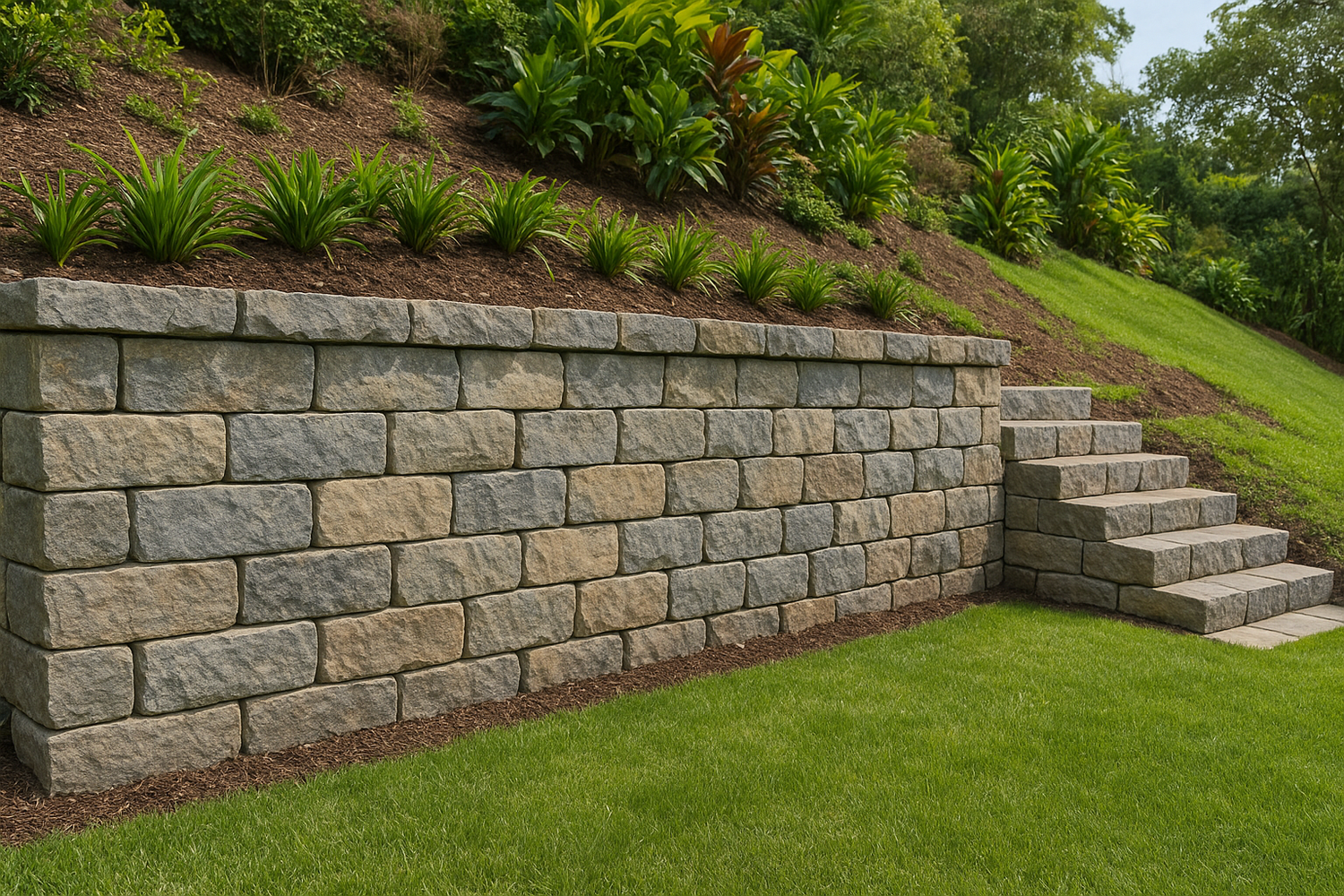
If you've ever wondered what is a retaining wall, you're likely facing a sloped yard, dealing with erosion issues, or planning a landscape transformation. These structures do far more than hold back soil, they can turn unusable terrain into functional outdoor living spaces, prevent costly property damage, and add striking visual appeal to any garden.
At Konzept Garden, we design and build retaining walls across Malaysia as part of our comprehensive landscape solutions. From terraced garden beds to structural walls that support driveways and patios, we've seen firsthand how the right retaining wall can completely transform a property. Choosing the wrong type or material, however, can lead to drainage problems, wall failure, and expensive repairs down the line.
This guide covers everything you need to know: the different types of retaining walls, materials and their costs, design considerations for Malaysian conditions, and when you actually need one. Whether you're a homeowner planning a garden renovation or a developer working on a larger project, you'll walk away with the knowledge to make informed decisions about your outdoor space.
Why retaining walls matter
Understanding what is a retaining wall becomes essential when you face sloped terrain, but the true value extends far beyond simply holding back earth. These structures solve real problems that can affect your property's safety, functionality, and long-term value. In Malaysia's tropical climate, where heavy monsoon rains can wash away unprotected soil in hours, retaining walls often make the difference between a stable landscape and thousands of ringgit in damage.
Protecting your property from erosion and damage
Soil erosion poses one of the most serious threats to Malaysian properties, particularly during the monsoon season between November and March. Without proper retention, rainwater carves channels through sloped yards, undermines foundations, and deposits sediment onto lower areas or neighboring properties. A properly designed retaining wall redirects water flow and anchors soil in place, preventing the cascading failures that can compromise driveways, patios, and even building structures.
Water damage extends beyond visible erosion. Uncontrolled runoff can saturate building foundations, leading to cracks, settlement, and expensive structural repairs. Properties built on hillsides or elevated lots face particular risk, as gravity naturally pulls loosened soil downward during heavy rainfall. Retaining walls create stable terraces that interrupt this process, giving water time to drain through proper channels rather than rushing across your property surface.
Properly engineered retaining walls can prevent erosion damage that costs 10 to 20 times more to repair than the wall's initial installation.
Creating usable outdoor space
Sloped yards severely limit how you can use your outdoor areas. Gardens, patios, play areas, and outdoor kitchens all require level ground to function properly. Retaining walls transform unusable slopes into multiple flat terraces, effectively multiplying your functional outdoor space without expanding your property boundaries.
Malaysian homeowners particularly value this transformation because our warm climate encourages outdoor living year-round. A well-terraced yard can accommodate a ground-level patio for dining, a mid-level garden bed for herbs and vegetables, and an upper lawn area for children's activities. Each terrace becomes its own defined zone, connected by steps or pathways that add visual interest while maximizing every square meter of your property.
Commercial properties gain even more significant benefits. Developers can build on previously unbuildable slopes, restaurants can create multi-level outdoor seating with stunning views, and retail centers can add parking on terrain that once seemed impossible to develop. The return on investment often exceeds the construction cost within the first few years.
Boosting property value and curb appeal
Real estate professionals consistently report that properties with professionally designed retaining walls command higher sale prices and attract buyers faster than comparable homes with unaddressed slope issues. Buyers recognize that these structures represent not just aesthetic improvements but also solved engineering problems, reducing their future maintenance concerns and insurance risks.
The visual impact matters tremendously in Malaysia's competitive property market. Natural stone or decorative concrete retaining walls create architectural focal points that elevate the entire landscape design. When integrated with lighting, plantings, and water features, these walls become signature elements that distinguish your property from neighboring homes. Potential buyers see finished, usable outdoor space rather than challenging terrain that requires expensive work.
Banks and insurance companies also factor retaining walls into property assessments. A structurally sound wall with proper drainage demonstrates responsible property management, potentially lowering insurance premiums and increasing loan-to-value ratios. Properties without adequate erosion control face higher risk ratings that translate directly into increased costs over the ownership period.
How a retaining wall works
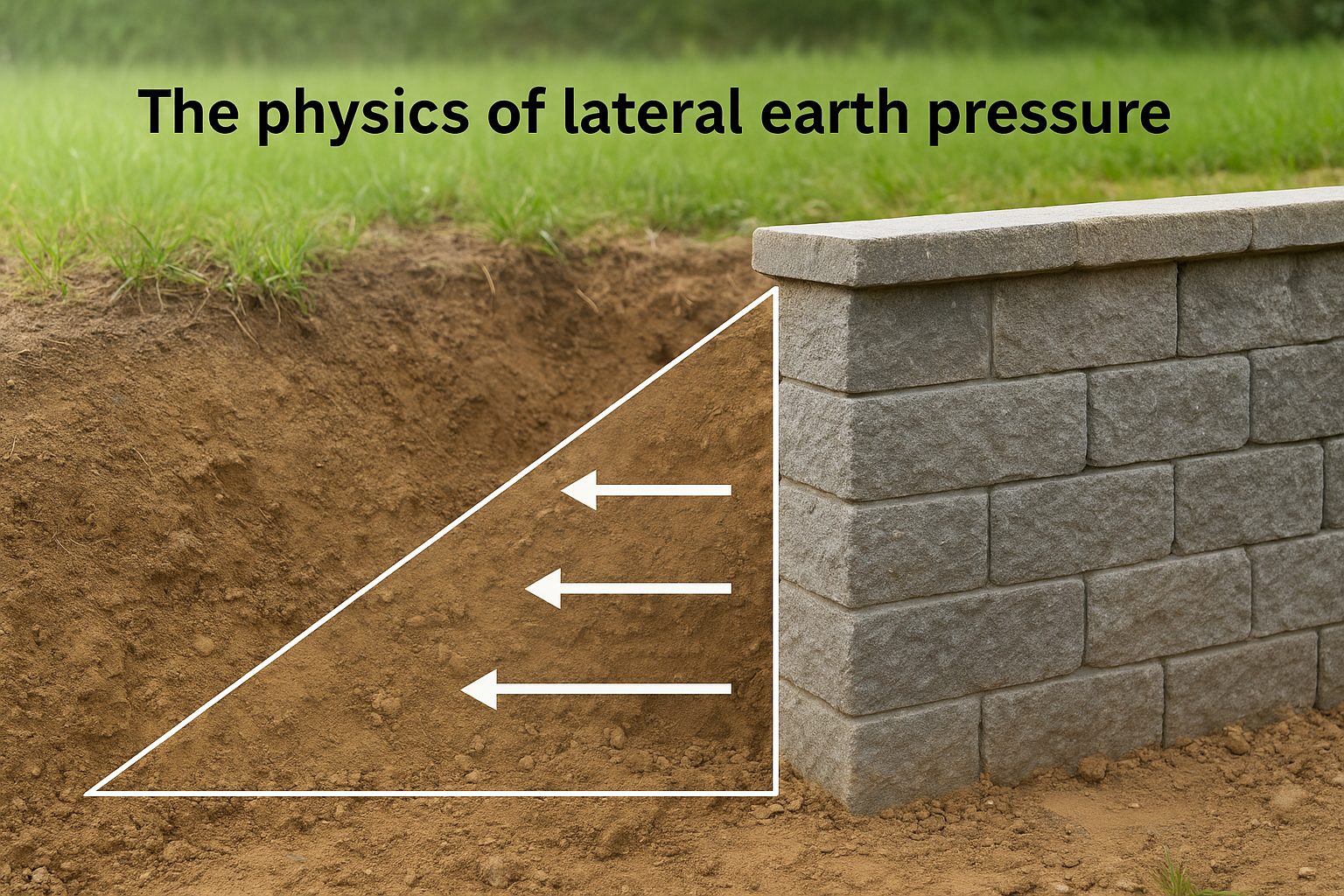
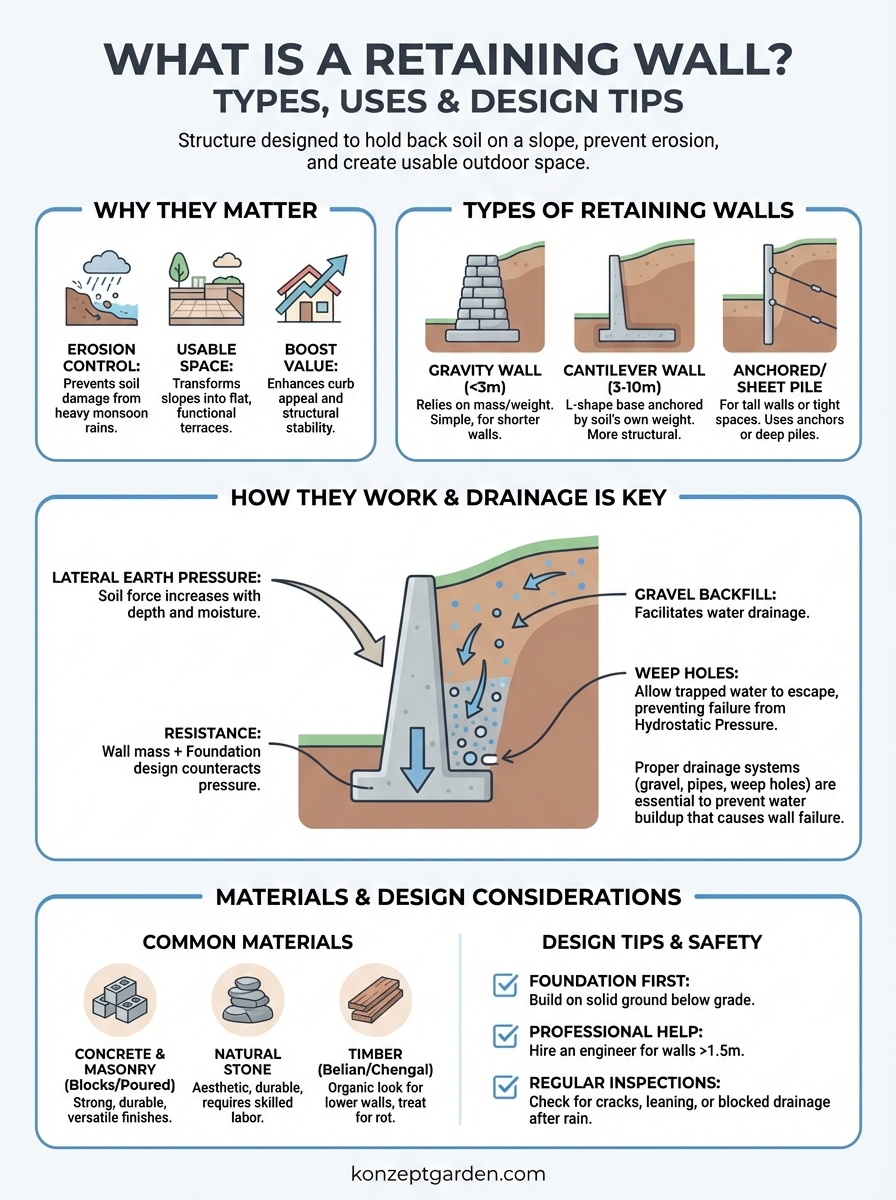
When you understand the mechanics behind retaining walls, you can make smarter decisions about design and construction. The basic principle involves resisting lateral earth pressure, the sideways force that soil exerts when gravity pulls it downward on a slope. This force increases significantly with soil weight, moisture content, and slope angle. A retaining wall counters this pressure through its mass, structural design, and foundation, creating a stable barrier that redistributes the load safely into the ground.
The physics of lateral earth pressure
Soil behaves like a fluid under certain conditions, pushing outward against any vertical surface that contains it. The pressure grows stronger at deeper points because more soil weight stacks above. Your retaining wall must resist this triangular pressure distribution, where the greatest force concentrates at the base. Engineers calculate these loads based on soil type, wall height, and whether water saturates the backfill.
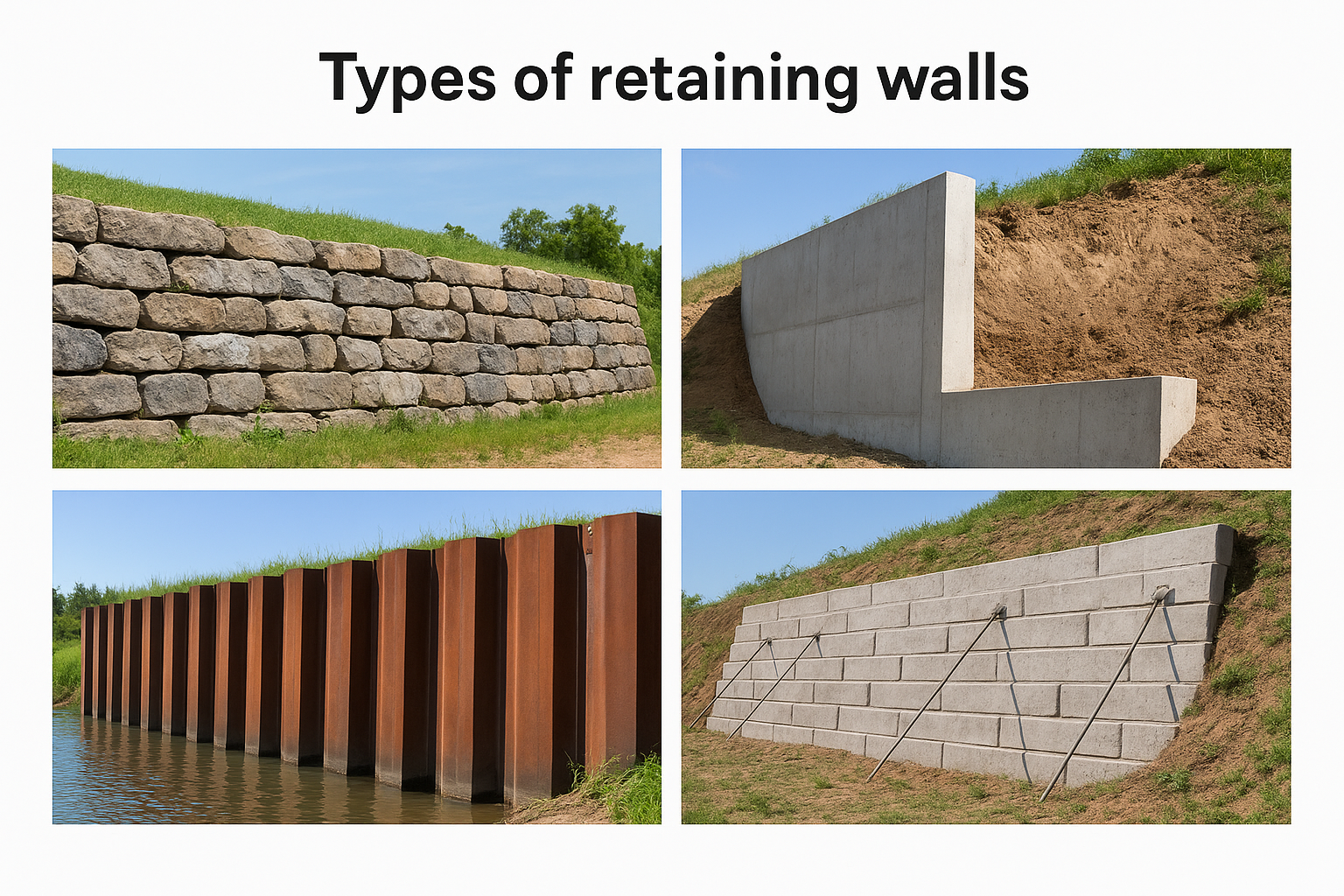
Three mechanisms keep a retaining wall standing. Gravity walls rely purely on their weight to resist sliding and overturning. Cantilever walls use a reinforced concrete base slab that extends backward under the retained soil, letting the soil's own weight anchor the structure. Anchored walls employ cables or rods driven deep into stable soil or rock behind the wall, pulling it backward against the earth pressure. Each approach works for specific site conditions and height requirements.
A properly designed retaining wall distributes forces through the right combination of weight, structural strength, and foundation bearing capacity.
Drainage systems prevent failure
Water dramatically increases the pressure against your retaining wall, often doubling or tripling the force compared to dry soil. When rain saturates the backfill, hydrostatic pressure builds up behind the wall, creating a pushing force that can crack concrete, displace stones, or cause complete structural failure. Malaysian monsoons make this challenge particularly critical since intense rainfall can saturate soil within hours.
Effective drainage eliminates this threat through multiple systems working together. Weep holes at the wall base allow trapped water to escape before pressure builds. A gravel backfill layer creates a vertical drainage path that channels water downward to perforated pipes at the foundation level. These pipes, wrapped in filter fabric to prevent clogging, carry water away to proper discharge points. Without adequate drainage, even the strongest retaining wall will eventually fail, making this aspect just as important as the structural design itself.
Types of retaining walls
Choosing the right retaining wall type depends on your site conditions, budget, and aesthetic goals. While the basic purpose remains the same across all designs, each type uses different engineering principles to resist soil pressure. Understanding what is a retaining wall in each category helps you match the structure to your specific needs, whether you face a gentle slope requiring simple support or a steep embankment demanding complex engineering solutions.
Gravity retaining walls
Gravity walls rely entirely on their mass and weight to resist soil pressure. These structures use heavy materials like large stones, concrete blocks, or poured concrete to create a barrier that simply refuses to move. The wall's thickness at the base typically measures one-third to one-half its height, creating a stable profile that can handle moderate slopes without reinforcement.
You'll find gravity walls work best for heights under 3 meters, where their simple construction keeps costs reasonable compared to more complex alternatives. Malaysian homeowners often choose stacked stone gravity walls for residential gardens because they provide excellent drainage naturally through gaps between stones. The main limitation involves their footprint, as taller walls require increasingly thick bases that consume valuable yard space and drive up material costs significantly.
Cantilever retaining walls
Cantilever walls use a reinforced concrete L-shape where the horizontal base extends backward under the retained soil. This design lets the soil's own weight pin down the structure, requiring much less material than gravity walls of similar height. You can recognize cantilever walls by their relatively thin vertical face compared to the substantial base hidden underground.
These walls handle heights from 3 to 10 meters efficiently, making them the preferred choice for larger residential projects and commercial developments across Malaysia. Engineers design the reinforcing steel to resist bending forces, creating a structure that acts like a diving board anchored at one end. The buried base slab must extend backward roughly 40 to 70 percent of the wall height, requiring sufficient space behind the wall but using far less concrete than a gravity design would demand.
Sheet pile and anchored systems
Sheet pile walls consist of interlocking steel, vinyl, or wood planks driven deep into the ground to create a continuous barrier. These thin walls work particularly well in tight spaces where you cannot spare room for thick gravity or cantilever designs. Malaysian waterfront properties often use sheet piling for erosion control along rivers and coastal areas where lateral space runs scarce.
The most cost-effective retaining wall type combines the minimum structure needed to meet your site's specific soil conditions and height requirements.
Anchored walls add horizontal cables or rods drilled deep into stable soil or rock behind the wall face. These anchors pull the wall backward against earth pressure, allowing for extremely tall structures that would otherwise require massive bases. You'll encounter anchored systems mainly in commercial projects, highway cuts, and steep hillside developments where conventional walls prove impractical or too expensive.
Common materials and finishes
Material selection directly affects your retaining wall's durability, maintenance needs, and aesthetic impact. When evaluating what is a retaining wall built from, you balance structural requirements against budget constraints and visual preferences. Malaysian climate adds another layer of complexity, as tropical humidity, intense sun exposure, and heavy rainfall accelerate deterioration in certain materials while leaving others virtually unchanged for decades. Your choice shapes not just the initial construction cost but also long-term expenses for repairs and upkeep.
Concrete and masonry options
Poured concrete delivers the strongest structural performance for tall walls or heavy soil loads. Contractors cast this material directly on site, reinforcing it with steel bars that resist bending and cracking. You gain complete design flexibility since concrete takes any shape, curve, or height you need. The plain gray surface requires finishing, but staining, stamping, or applying textured coatings transforms basic concrete into attractive walls that mimic stone, brick, or other materials at a fraction of the cost.
Concrete blocks and interlocking systems offer faster installation than poured walls. These modular units stack without mortar in many designs, letting water drain naturally through the gaps while pinning the system together through friction and weight. Malaysian contractors favor these blocks for residential projects because they arrive pre-finished in various colors and textures, eliminating separate finishing costs. Reinforcement pins driven through hollow cores add strength for walls exceeding 1 meter in height.
Natural stone and timber choices
Natural stone creates the most visually striking retaining walls, with each piece adding unique color variation and texture. Cut stone stacks into neat courses for formal landscapes, while fieldstone arranged in irregular patterns suits more casual garden designs. The material withstands Malaysian weather indefinitely, requiring virtually no maintenance beyond occasional cleaning. Cost remains the primary limitation, as stone installation demands skilled labor and material prices run two to three times higher than concrete alternatives.
Natural stone retaining walls often last 50 to 100 years with minimal maintenance, making them the most durable choice despite higher upfront costs.
Tropical hardwoods like belian or chengal provide natural beauty for shorter walls under 1.5 meters. These rot-resistant species handle moisture exposure well, though you still need to treat them with appropriate sealers every few years. Timber works particularly well for garden bed terracing where its organic appearance complements plantings better than masonry materials. Avoid softwoods entirely in Malaysia's climate, as they deteriorate within months when exposed to constant humidity and insect activity.
Design and safety tips
Proper design separates retaining walls that last decades from those that fail within years. When planning what is a retaining wall for your property, you must balance structural engineering requirements with local building codes, drainage management, and aesthetic goals. Malaysian conditions add specific challenges, including soil types that expand when wet, heavy rainfall patterns, and tropical vegetation that can compromise wall stability. These tips help you avoid the most common design mistakes that lead to costly repairs or complete reconstruction.
Foundation and drainage requirements
Your retaining wall needs a solid foundation that extends below the frost line (not applicable in Malaysia) and rests on undisturbed, compacted soil or engineered fill. Excavate at least 150mm to 300mm below grade for walls under 1.2 meters, and proportionally deeper for taller structures. The foundation width should measure at minimum half the wall height for gravity designs, creating a stable base that resists tilting and settlement.
Drainage systems require equal attention to foundation work. Install a gravel drainage blanket at least 300mm wide behind the wall, running from the foundation to within 150mm of the finished grade. Place perforated drainage pipes at the base, sloping them at minimum 1% grade to carry water away from the wall. Weep holes spaced every 1 to 2 meters along the wall base provide additional drainage, though you can skip them if your backfill consists entirely of free-draining gravel.
A retaining wall without proper drainage faces three to five times higher failure risk compared to one with adequate drainage systems installed.
Height and setback regulations
Malaysian local authorities regulate retaining wall construction through building codes that vary by municipality. Walls exceeding 1.2 meters in height typically require engineering drawings stamped by a licensed professional engineer and building permits before construction begins. Check with your local council office for specific requirements, as some areas impose stricter limits in residential zones or near property boundaries.
Setback rules determine how close you can build to property lines, neighboring structures, and utility easements. Most councils require walls to sit at least 300mm to 600mm inside your property boundary, though taller walls may need greater setbacks. Underground utilities add another layer of complexity, as you must locate and avoid water pipes, electrical lines, and telecommunications cables during excavation.
Professional consultation requirements
Hire a structural engineer for any wall exceeding 1.5 meters in height, walls supporting surcharge loads like driveways or buildings, or situations involving poor soil conditions. Engineers analyze soil properties through testing, calculate lateral earth pressures accurately, and design reinforcement systems that meet safety factors required by Malaysian standards. Their involvement costs RM2,000 to RM5,000 for typical residential projects but prevents failures that cost ten times more to repair.
Experienced landscape contractors bring valuable practical knowledge even for shorter walls that don't require engineering. They understand local soil behavior, source quality materials at reasonable prices, and execute proper construction techniques that ensure long-term performance. Request references from previous retaining wall projects and verify the contractor carries adequate liability insurance before signing any agreements.
Cost breakdown in Malaysia
Understanding retaining wall costs helps you budget accurately and avoid surprises during construction. Malaysian pricing varies significantly based on wall height, material choice, site accessibility, and local labor rates. Urban areas like Kuala Lumpur typically charge 20 to 30% more than smaller towns due to higher contractor overhead and limited parking for equipment. The total project cost includes materials, excavation, drainage systems, and finishing work, not just the visible wall structure itself.
Material and labor costs by wall type
Concrete block retaining walls represent the most affordable option in Malaysia, ranging from RM150 to RM300 per square meter for walls under 1.5 meters tall. These modular systems include the blocks, base preparation, backfill gravel, and basic installation labor. You'll spend toward the higher end for decorative finishes like textured faces or multiple colors that enhance curb appeal.
Poured concrete walls cost RM250 to RM450 per square meter depending on reinforcement requirements and surface treatments. Basic gray concrete falls at the lower end, while stamped or stained finishes that mimic stone push costs upward. Natural stone installations command premium pricing at RM400 to RM800 per square meter, reflecting both material expense and the skilled labor needed to fit irregular pieces together properly.
Project factors that drive up expenses
Site conditions directly impact your final invoice. Poor soil requires soil stabilization or deeper foundations, adding RM50 to RM150 per linear meter to basic costs. Limited access that prevents excavator use forces manual digging, potentially doubling labor expenses for the foundation work alone. Steep slopes above 30 degrees increase material needs and construction difficulty, resulting in 30 to 50% higher costs compared to moderate grades.
Walls exceeding 1.5 meters in height require engineering approval in most Malaysian municipalities, adding RM2,000 to RM5,000 in professional fees to your budget.
Height dramatically affects pricing because taller walls need thicker bases, more reinforcement, and additional drainage capacity. Each meter of additional height typically increases costs by 40 to 60% over the previous meter. Walls supporting driveways or other surcharge loads require stronger construction that adds another 25 to 40% to standard wall pricing.
Hidden expenses to anticipate
Permit fees range from RM200 to RM500 for residential retaining walls requiring council approval. Factor in engineering consultant fees if your wall exceeds code thresholds or involves complex soil conditions. Site preparation including demolition of existing structures, tree removal, or utility relocation can add thousands of ringgit before actual wall construction begins.
Finishing touches often get overlooked in initial estimates. Landscaping the terraced areas created by your retaining wall, installing proper lighting, and building steps or pathways connecting different levels typically cost 30 to 50% of the wall price itself. Budget an additional 10 to 15% as a contingency for unexpected conditions discovered during excavation, such as buried debris or rock layers that slow progress.
Maintenance and failure warning signs
Regular maintenance keeps your retaining wall functioning properly for decades, while ignoring warning signs leads to expensive emergency repairs or complete reconstruction. Understanding what is a retaining wall's normal aging process versus dangerous deterioration helps you catch problems early when simple fixes still work. Malaysian climate accelerates wear through constant humidity, temperature swings, and intense UV exposure that weakens materials faster than temperate regions experience.
Routine inspection schedule
Walk your property after every major rainstorm to check for standing water near the wall base, soil washout, or visible movement. These immediate inspections catch drainage failures before they cause structural damage. Schedule detailed examinations twice yearly, ideally before and after monsoon season, to assess overall condition and identify developing issues that need attention.
During inspections, look for cracks wider than 3mm in concrete or masonry walls, which indicate movement or foundation settlement. Check that weep holes remain clear and water drains freely rather than pooling behind the wall. Examine the backfill area for sinkholes or depressions that signal erosion washing away supporting soil. Clean debris from drainage outlets and remove vegetation growing directly against or through the wall face, as roots force materials apart over time.
Catching retaining wall problems during routine inspections costs 80 to 90% less than waiting until visible failure forces emergency repairs.
Critical failure indicators
Leaning or bulging signals imminent structural failure requiring immediate professional assessment. Measure any tilt by placing a level against the wall face, as even 5 to 10mm of movement from vertical indicates serious problems. Horizontal cracks running parallel to the ground, especially near the base, show the wall bends under excessive pressure and may collapse without urgent intervention.
Water staining or efflorescence (white mineral deposits) below weep holes confirms your drainage system works, but water seeping through the wall face itself indicates blocked drainage paths that build dangerous hydrostatic pressure. Soil pushing up at the wall base or bulging from between blocks means the foundation slides forward, undermining the entire structure's stability.
Responding to damage quickly
Contact a structural engineer within 48 hours if you notice leaning, major cracks, or foundation movement. Temporary bracing may prevent collapse while you arrange permanent repairs, but never attempt DIY fixes on failing retaining walls as incorrect work can trigger sudden failure. Photograph all damage from multiple angles to document conditions for insurance claims and contractor estimates.
Address minor maintenance immediately rather than deferring it. Clear blocked weep holes with a wire or pressure washer, repoint cracked mortar joints before water penetrates deeper, and replace damaged capstones that protect the wall top from rain infiltration. Small repairs costing hundreds of ringgit prevent major reconstructions running into tens of thousands.
Next steps for your landscape plan
Understanding what is a retaining wall gives you the foundation to transform sloped terrain into functional outdoor spaces that protect your property and increase its value. You now know the different types available, how materials perform in Malaysian climate, and which warning signs demand immediate attention. Armed with this knowledge, you can evaluate whether your landscape needs a simple gravity wall for garden beds or engineered solutions for steep embankments.
Your specific site conditions determine the best approach. Soil type, slope angle, drainage patterns, and existing structures all influence design requirements and costs. Rather than guessing which solution fits your property, schedule a consultation with our landscape design team to assess your terrain accurately. We provide detailed quotes that cover all project aspects, from engineering requirements to material selection and ongoing maintenance needs. Our experience across Malaysian residential and commercial projects means you get retaining walls designed to last decades, not just pass initial inspection.