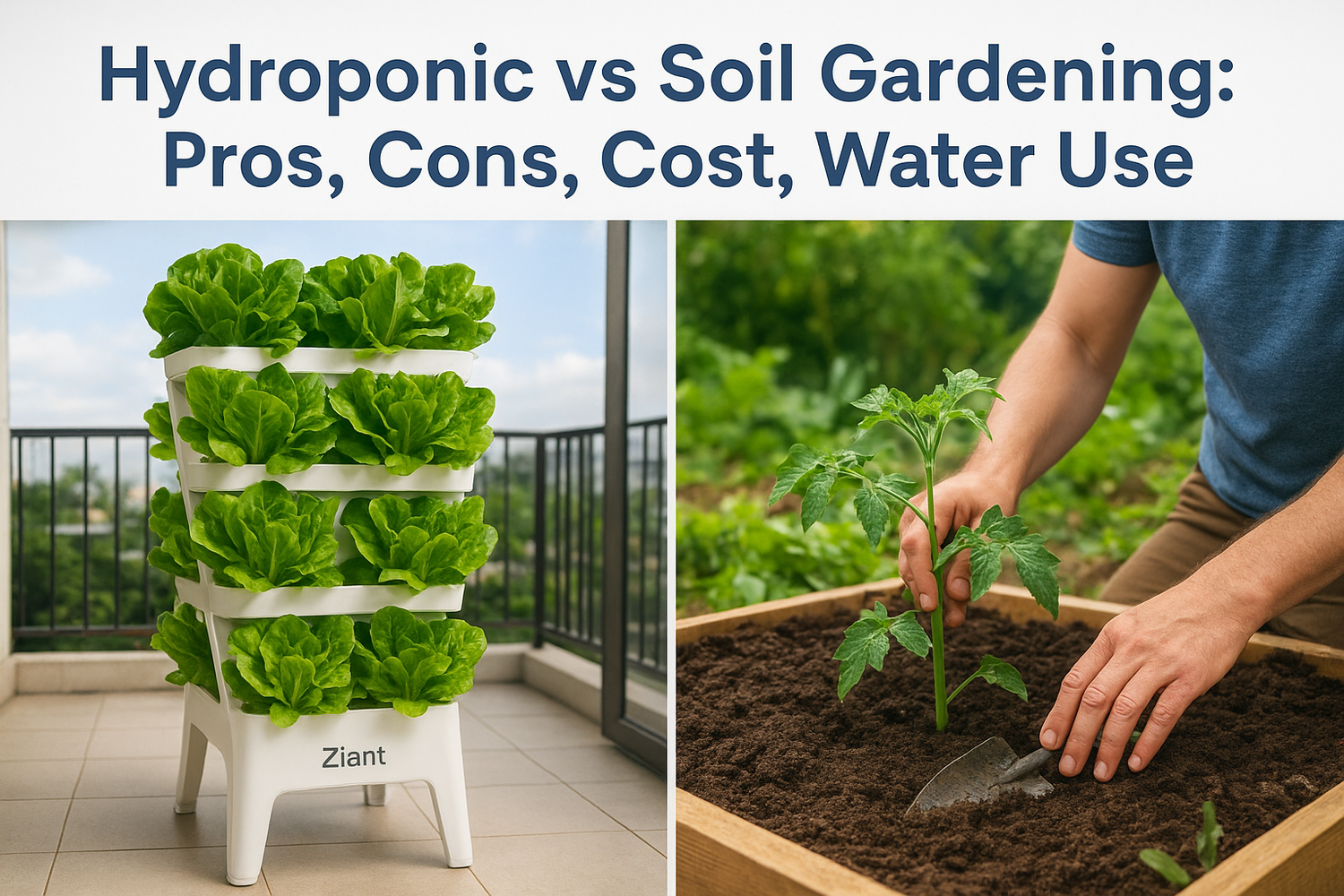
Choosing between hydroponic vs soil gardening comes down to what you want to grow, how much space you have, and what you're willing to spend upfront versus over time. Both methods produce healthy plants, but they do it in fundamentally different ways, and those differences matter more than most comparison guides let on.
Hydroponics delivers nutrients directly through water, skipping soil entirely. Soil gardening works with a living ecosystem of microbes, minerals, and organic matter. Each approach has real strengths and real trade-offs in terms of cost, water consumption, growth speed, and maintenance demands. There's no universal winner, only the method that fits your specific situation better.
At Konzept Garden, we design and build outdoor spaces across Malaysia, and our clients regularly ask us which growing method makes more sense for their gardens, balconies, or commercial properties. It's a question we take seriously, which is why we also developed products like the Ziant Hydro Planter for space-conscious growers. This guide breaks down the honest pros, cons, and costs of both methods so you can make a decision based on facts, not hype.
Why your growing method matters in Malaysia
Malaysia's tropical climate and urban density make the hydroponic vs soil gardening debate more practical than theoretical. What works in a temperate backyard in Europe or North America does not automatically translate to a terrace in Kuala Lumpur or a balcony in Penang. Heat, humidity, rainfall patterns, and limited outdoor space all affect which method delivers better results for your specific situation.
How Malaysia's climate affects both methods
Malaysia sits near the equator, which means temperatures rarely drop below 23°C and humidity stays high for most of the year. Soil gardening in this environment comes with real challenges. Heavy clay soils common across much of Malaysia drain poorly after monsoon rains, which leads to root rot and fungal disease. The heat also accelerates moisture loss from topsoil, meaning you may need to water outdoor soil beds more frequently than you expect.
Hydroponic systems give you direct control over root-zone conditions, which is a significant advantage when outdoor temperatures and humidity are working against you.
Hydroponics sidesteps many of these climate issues because the growing environment is far more controlled. Indoor or covered hydroponic setups let you regulate temperature and moisture without depending on seasonal conditions. That matters in a country where you can have a dry week followed by three consecutive days of heavy monsoon rain that saturates everything in the ground.
Why urban space in Malaysia shapes your choice
Most of Konzept Garden's residential clients in Malaysia are working with compact gardens, covered terraces, or high-rise balconies rather than large open plots. In these settings, the physical footprint of your growing method matters as much as its performance, and that factor alone often drives the decision.
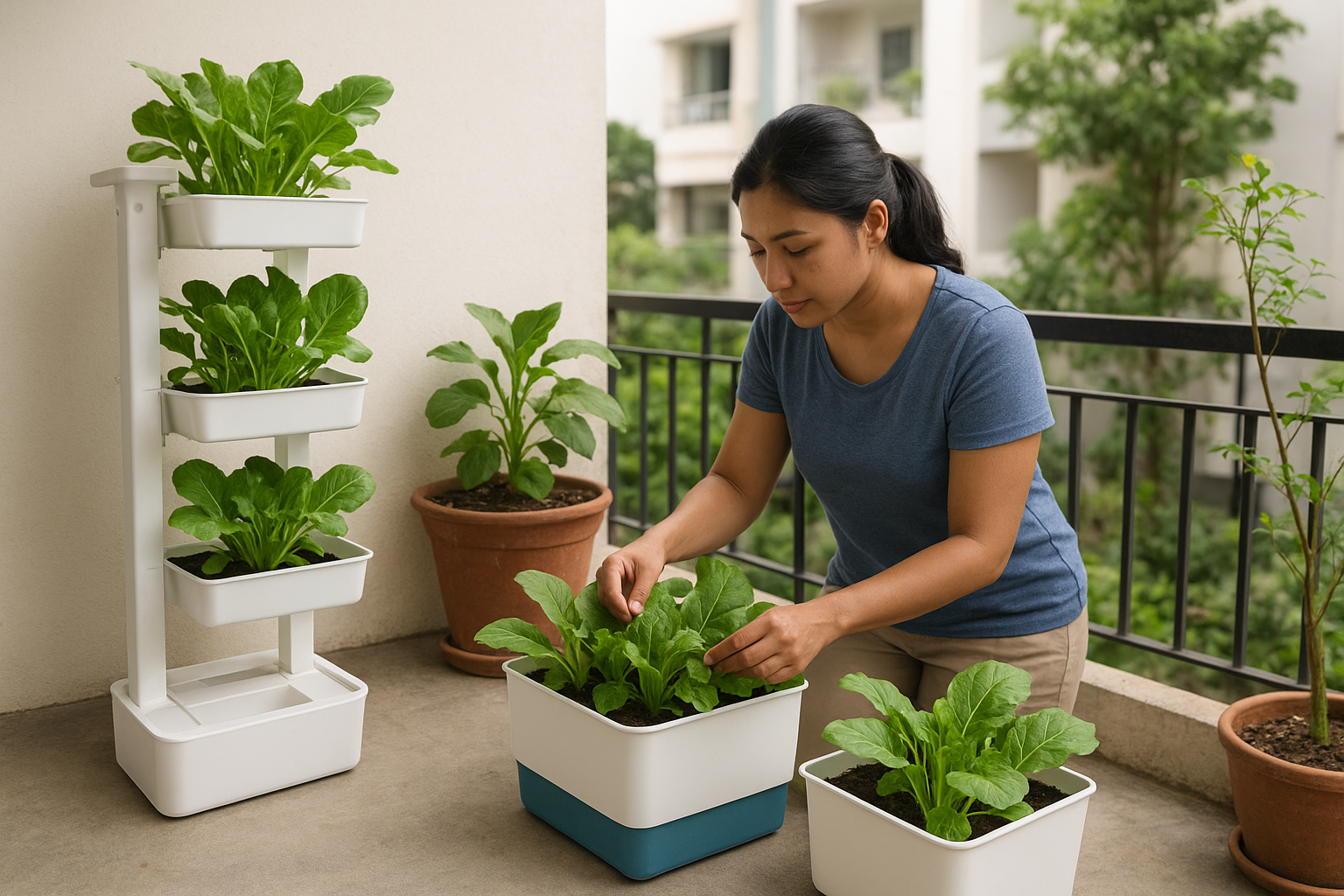
Soil beds need horizontal space and meaningful depth to support root systems properly, which rules them out for many urban setups entirely. Vertical hydroponic systems or self-watering planters, like our Ziant Hydro Planter, fit into tighter spaces and can be stacked or wall-mounted to make better use of what you have available. For urban growers in Malaysia, hydroponics often wins simply because it adapts to the space rather than demanding more of it.
Property developers and commercial clients face a similar constraint. When you're designing a rooftop garden or an office courtyard, weight load and drainage infrastructure become serious considerations that soil-based systems often complicate further. Knowing these local realities upfront saves you from investing in the wrong setup.
How to choose between hydroponic and soil gardening
The right choice in hydroponic vs soil gardening depends on three practical factors: your available space, your starting budget, and how much ongoing time you can commit. Neither method is objectively better, but one will fit your situation more naturally once you weigh these factors honestly.
Consider your budget and time commitment
Hydroponic systems cost more upfront because you need containers, pumps, nutrient solutions, and often grow lights if you're working indoors or in low-light areas. Soil gardening keeps your initial spend low, but recurring costs like compost, pest treatments, and water add up steadily over time. If you have a tighter starting budget and an outdoor space with decent sun exposure, soil is the easier entry point.
Your time commitment is just as important as your budget: hydroponics requires consistent monitoring of nutrient levels and pH, while soil is more forgiving if you miss a day or two.
Match your method to your goals
If you want to grow leafy greens, herbs, or vegetables quickly in a compact urban space, hydroponics gives you faster results with less horizontal room. Systems like self-watering planters work well for this purpose and reduce the daily attention soil requires in a hot, humid environment.
Soil gardening suits you better if you're working with a larger outdoor garden, want to grow fruit trees or deep-rooted plants, or simply prefer a lower-tech setup that connects more directly with the natural landscape. Understanding your primary goal, whether that's yield speed, aesthetic value, or low maintenance, makes the decision straightforward before you spend anything.
Hydroponic gardening: pros, cons, and best crops
Hydroponic gardening removes soil from the equation entirely and delivers nutrients directly to plant roots through a water-based solution. This approach gives you precise control over what your plants receive and when they receive it, which is a key advantage in the hydroponic vs soil gardening comparison, particularly in Malaysia's challenging climate.
What hydroponics does well
The clearest benefits of hydroponics are faster growth and higher yield per square meter. Plants grown hydroponically spend less energy searching for nutrients, so they direct that energy into growth instead. In a compact urban setup, this efficiency translates directly into more produce from less space. Water use is also significantly lower because systems recirculate the nutrient solution rather than losing it to soil absorption or runoff.
Hydroponic systems can use up to 90% less water than traditional soil gardening, which matters significantly in areas with limited access to a consistent water supply.
Where hydroponics falls short
Upfront cost and technical maintenance are the main drawbacks. You need to monitor pH levels and nutrient concentrations regularly, and a pump failure can harm your plants within hours. Power dependency is another real concern, particularly if you experience outages or fluctuations, which are not uncommon in parts of Malaysia.
Best crops for hydroponic systems
Hydroponics suits fast-growing, shallow-rooted crops best. These thrive consistently in a controlled water-based system:
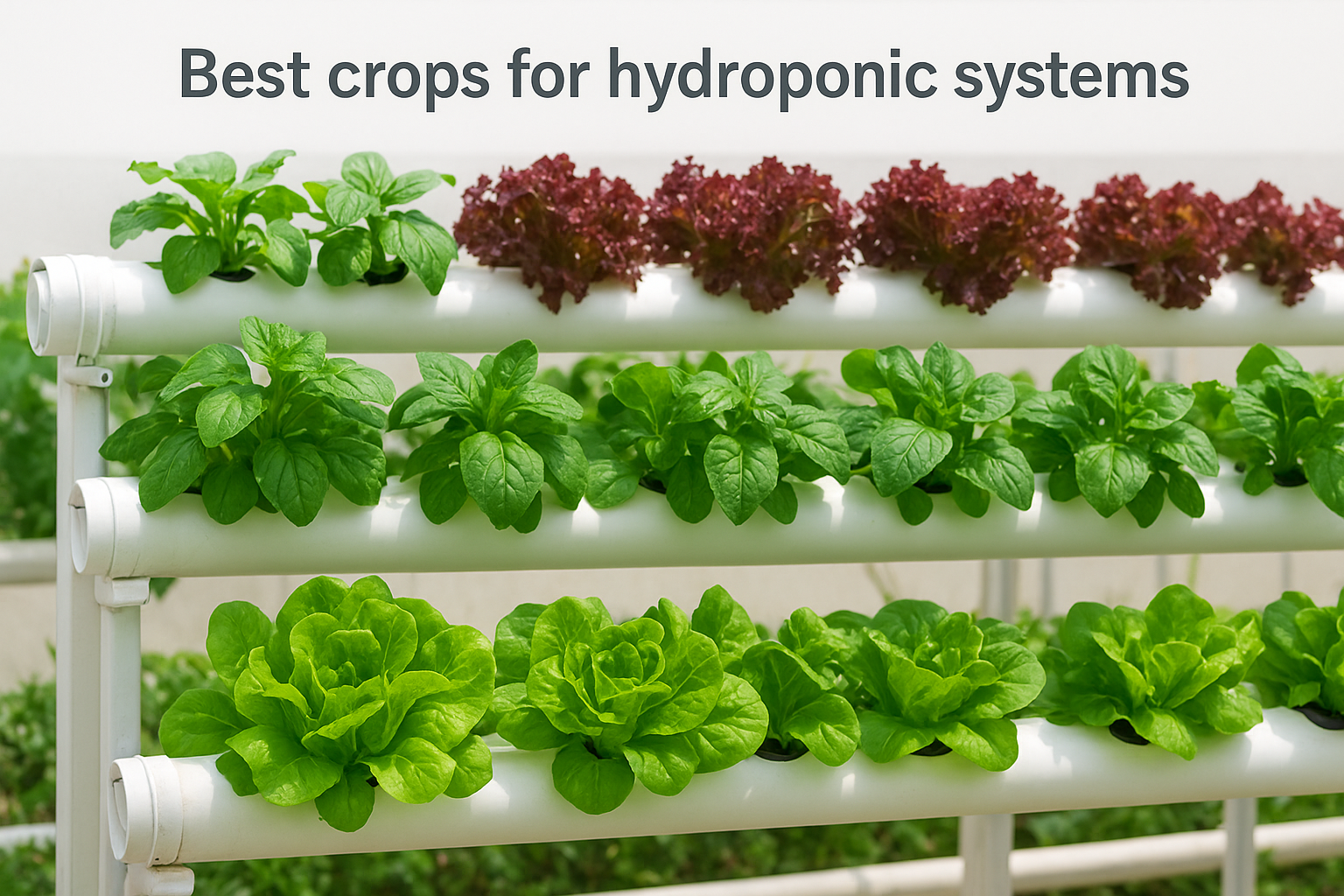
- Lettuce and leafy greens
- Herbs such as basil, mint, and coriander
- Spinach and kale
- Cherry tomatoes
- Strawberries
Deep-rooted crops like fruit trees or root vegetables do not perform well in most standard hydroponic setups and are better suited to soil.
Soil gardening: pros, cons, and best crops
Soil gardening works with living biology rather than engineered systems. The ecosystem inside healthy garden soil, packed with bacteria, fungi, and organic matter, supports plant growth in ways that are natural, self-regulating, and lower in upfront cost than most hydroponic setups. In the hydroponic vs soil gardening comparison, soil holds a clear advantage for anyone working with a larger outdoor garden or wanting to grow plants that need significant root depth.
What soil gardening does well
The biggest practical advantage of soil is its low barrier to entry. You need good-quality compost, appropriate containers or beds, and sunlight, without the pumps, timers, or nutrient solutions that hydroponic systems depend on. Soil also buffers against minor mistakes, meaning a missed watering day or slight pH variation rarely causes the immediate damage it would in a hydroponic system.
A well-structured soil bed builds long-term fertility over time as organic matter breaks down, which reduces the inputs you need each growing season.
Where soil gardening falls short
In Malaysia's climate, soil gardening comes with real challenges. Heavy rainfall during monsoon season saturates poorly draining soils fast, which creates conditions for root rot and fungal problems. The heat also dries out topsoil quickly between rain periods, so outdoor soil beds demand more frequent watering than most growers anticipate when they start.
Best crops for soil gardens
Soil suits deep-rooted and larger plants that hydroponics cannot support practically. These crops perform consistently in well-prepared garden soil:
- Fruit trees such as mango, papaya, and lime
- Root vegetables like sweet potato and radish
- Chillies and capsicum
- Pumpkin and squash
- Flowering ornamental plants
Cost, water use, speed, and yield breakdown
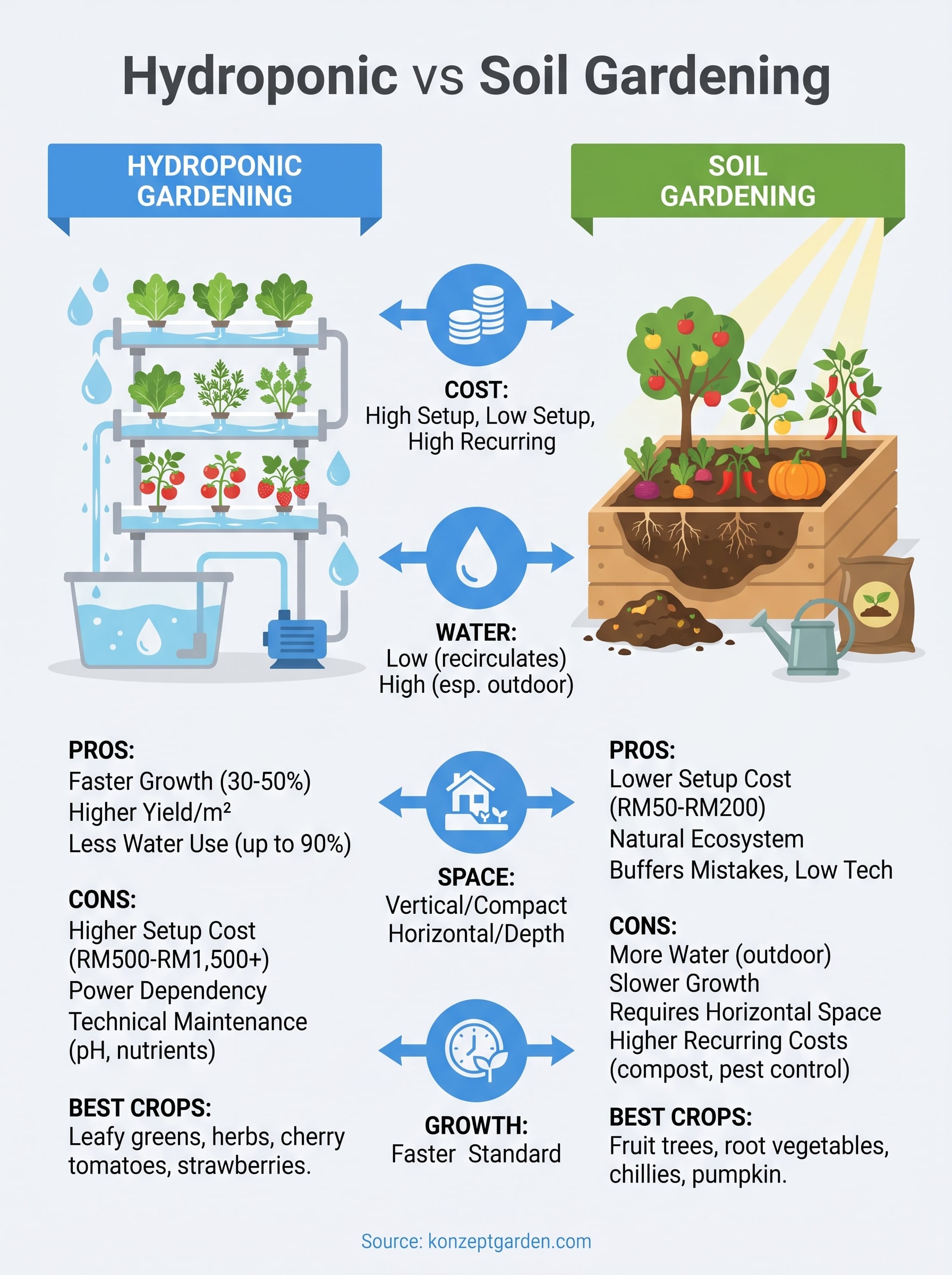
When comparing hydroponic vs soil gardening on a numbers basis, the differences become sharper. Hydroponics costs more to set up but tends to save money on water and inputs over time. Soil costs less initially but accumulates more ongoing expense in compost, pest control, and water, especially in Malaysia's heat.
Setup and running costs
Hydroponic systems typically start at RM500 to RM1,500 for a basic indoor setup including containers, a pump, and starter nutrients. Soil beds in an outdoor garden can start for well under RM200 if you already have ground space. Your real cost comparison shifts when you factor in recurring expenses, where soil gardening's compost, fertilizer, and pest treatments add up faster than most growers budget for.
| Factor | Hydroponics | Soil |
|---|---|---|
| Setup cost | RM500 to RM1,500+ | RM50 to RM200 |
| Water use | Up to 90% less | Higher, especially in dry periods |
| Growth speed | 30 to 50% faster | Standard seasonal rates |
| Space efficiency | High (vertical possible) | Requires horizontal space |
Hydroponics consistently produces faster growth because plants spend less energy searching for nutrients and more energy developing above ground.
Growth speed and yield
Leafy greens and herbs grown hydroponically can be ready to harvest in two to three weeks compared to four to six weeks in soil. Your yield per square meter is also consistently higher with hydroponics because you can stack growing layers vertically and remove the limiting factor of soil depth. Soil gardening produces competitive yields for larger plants, but it rarely matches the turnover speed of a well-managed hydroponic system.
Where to go from here
The hydroponic vs soil gardening decision gets easier once you know your space, budget, and goals. If you're working with a compact balcony or urban terrace in Malaysia, a hydroponic or self-watering system gives you faster results with less footprint. If you have an open garden and want to grow larger plants with minimal technical upkeep, soil remains the more practical choice for the long term.
Both methods produce real results when you set them up correctly and maintain them consistently. The biggest mistake most growers make is choosing a method based on trend rather than their actual situation, then losing time and money when it doesn't fit. Use the comparisons in this guide to match your method to what you actually have and want.
If you want professional guidance on designing an outdoor space that works for your specific property in Malaysia, talk to our landscape design team and get a free quotation.