
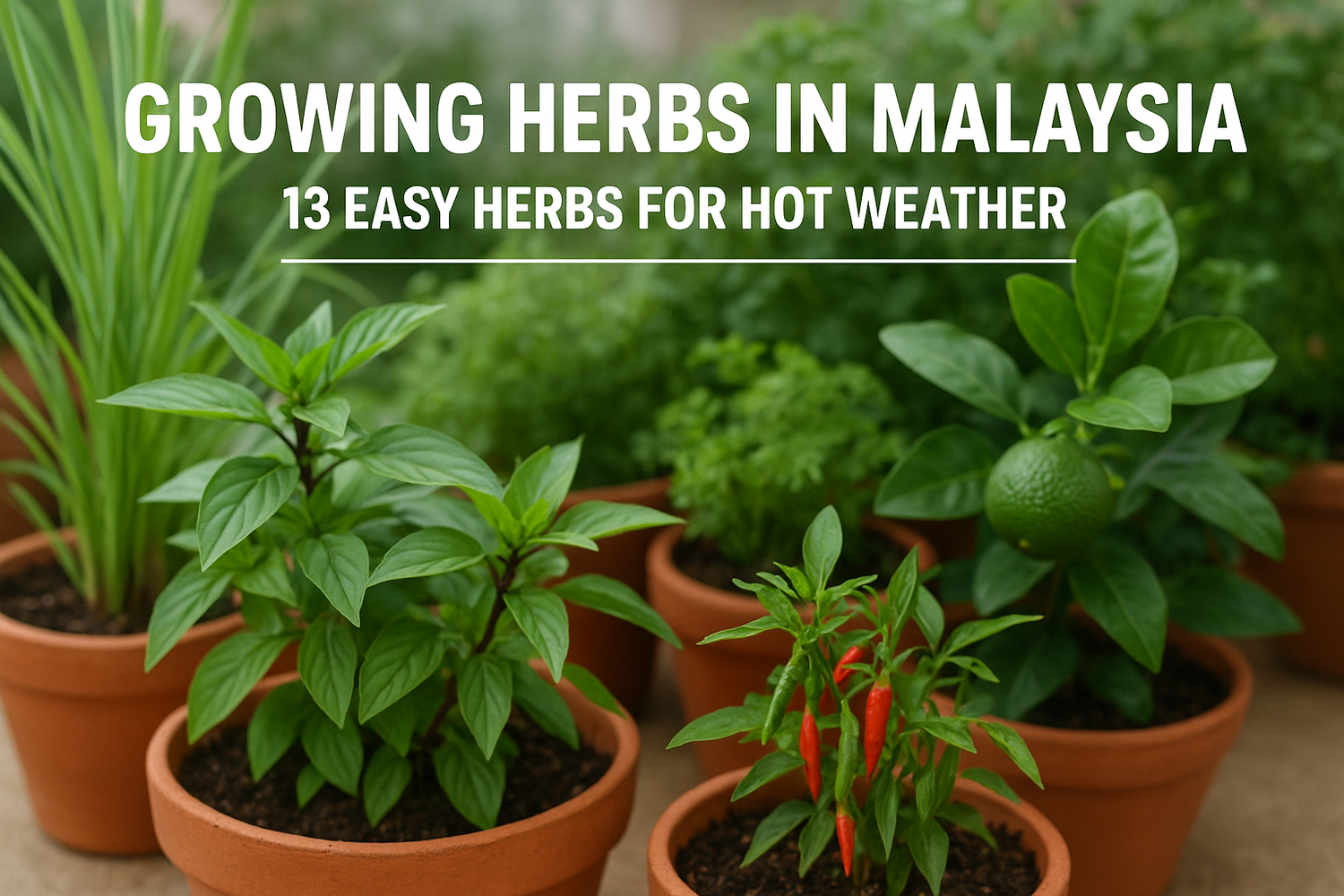
Malaysia's year-round warmth and humidity make it one of the best places to grow fresh herbs right outside your door. Whether you have a full garden bed or just a few pots on a condo balcony, growing herbs in Malaysia is straightforward once you know which varieties actually thrive here. The trick is picking herbs that love heat and humidity rather than fighting against our tropical climate.
Not every herb you see on Pinterest or in Western gardening blogs will survive a Malaysian afternoon. Rosemary struggles. Parsley bolts fast. But plenty of herbs, many of them already rooted in Southeast Asian cooking, grow almost effortlessly in our conditions. You just need to know what to plant, and a few basics about soil, sunlight, and watering to keep them healthy.
At Konzept Garden, we design outdoor spaces across Malaysia that are both beautiful and functional, and edible herb gardens are one of the most requested features in our residential projects. Below, we've put together a list of 13 herbs that handle hot weather with ease, along with practical tips to help you start growing them at home.
1. Thai basil
Thai basil (Ocimum basilicum var. thyrsiflora) is one of the most reliable herbs you can grow in Malaysia. It's already a staple in Thai, Vietnamese, and Malay cooking, which means seeds and seedlings are easy to find at local nurseries and wet markets. If you're just starting out with growing herbs in Malaysia, Thai basil is one of the best first plants to try because it rewards consistent care with a steady supply of leaves.
Why Thai basil grows well in Malaysia
Thai basil is a tropical species by nature, so Malaysia's heat and humidity feel comfortable to it rather than stressful. Unlike Italian sweet basil, which often wilts or bolts under intense heat, Thai basil handles daily temperatures above 30°C without losing much vigor. The plant produces sturdy, purple-tinged stems and glossy leaves that stay productive through our hottest months, making it a dependable choice for gardens and balconies alike.
Light, soil, and watering basics
Thai basil needs at least 6 hours of direct sunlight each day to grow compactly and develop flavorful leaves. A spot that gets morning sun with some shade from mid-afternoon onward works well, particularly on west-facing balconies where heat can become intense. Use well-draining potting mix combined with compost for added nutrients, and water when the top inch of soil feels dry. Consistent moisture matters, but never let your pot sit in a saucer full of standing water.
Always confirm your pot has working drainage holes before planting Thai basil, since waterlogged roots cause more plant deaths in Malaysian conditions than any pest or disease.
How to harvest for faster regrowth
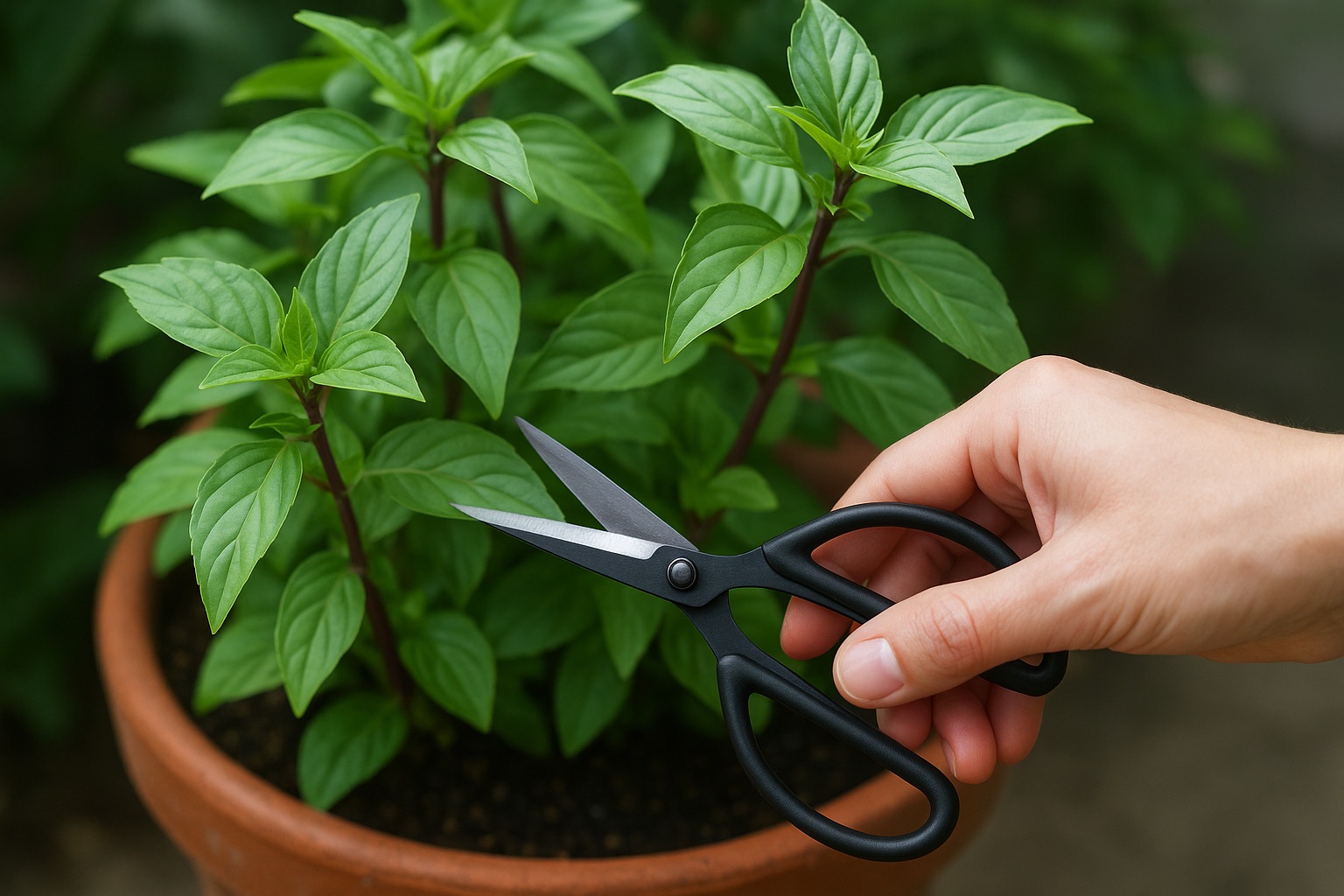
The key to keeping your Thai basil plant productive for months is harvesting from the top down, not the base. Snip stems just above a leaf node using clean scissors or garden shears, and the plant will respond by pushing out two new shoots from that point. Pinch off any flower buds the moment they appear so the plant puts its energy into leaf production rather than setting seed.
Common issues in hot, humid weather
Powdery mildew and leaf spot can develop when airflow around the plant is limited, so avoid crowding pots together. Water at the base of the plant rather than overhead to keep leaves dry. Aphids are a recurring visitor to Thai basil, but a diluted neem oil spray applied in the early evening clears most infestations without harming the plant or the leaves you plan to eat.
2. Sweet basil
Sweet basil (Ocimum basilicum) is the Italian variety most people picture when they hear the word basil, with broad leaves and a sweet, peppery aroma. It's slightly more demanding than Thai basil, but with the right care it produces well in Malaysian conditions and gives you a fresh supply for pastas, pestos, and local fusion cooking.
Why sweet basil works in Malaysian heat
Sweet basil is a warm-weather plant, so Malaysia's consistent heat suits it far better than it would a temperate herb. It grows quickly when temperatures stay between 25°C and 35°C, which describes most of the year here. Good airflow and well-drained soil are what separate a thriving plant from one that collapses within a few weeks.
Light, soil, and watering basics
Position your sweet basil where it gets 6 to 8 hours of sun daily, with morning light preferred over harsh afternoon exposure. Use a light, well-draining potting mix with added perlite, and water at the base every one to two days, checking the soil before each session rather than following a fixed schedule.
Sweet basil is more sensitive to overwatering than Thai basil, so always let the top inch of soil dry out between waterings.
How to prune and propagate from cuttings
Pinch off growing tips regularly to stop the plant from bolting to flower, which shuts down leaf production fast. When you trim stems back, place healthy 10cm cuttings in a glass of water near a bright window and roots will appear within 10 to 14 days, ready for potting.
Common issues in hot, humid weather
Fusarium wilt is the biggest threat to sweet basil in humid climates, causing sudden wilting that won't reverse once it sets in. Buy disease-resistant varieties when growing herbs in Malaysia to reduce this risk significantly. Aphids and whiteflies are also common visitors; inspect your leaves weekly and treat with diluted neem oil at the first sign of an infestation.
3. Mint
Mint (Mentha spp.) is one of the most vigorous herbs you can grow in any climate, and Malaysia is no exception. It's widely used in local drinks, salads, and as a fresh garnish, making it a practical and fast-rewarding addition to any home herb setup.
Why mint thrives in Malaysia
Mint is a fast-growing perennial that handles heat well as long as it gets enough water and avoids intense afternoon sun. In Malaysia's consistently warm temperatures, mint rarely goes dormant and keeps producing fresh leaves year-round with minimal effort on your part.
Light, soil, and watering basics
When growing herbs in Malaysia, mint is one plant that needs more frequent watering than most. Give it filtered sunlight or morning sun for around 4 to 6 hours daily, and use moist, nutrient-rich potting mix. Check the soil surface daily and water whenever it feels dry, especially during hot spells.
Mint wilts fast under intense afternoon sun, so a spot with shade from midday onward extends the plant's productive life significantly.
How to contain mint in pots so it won't take over
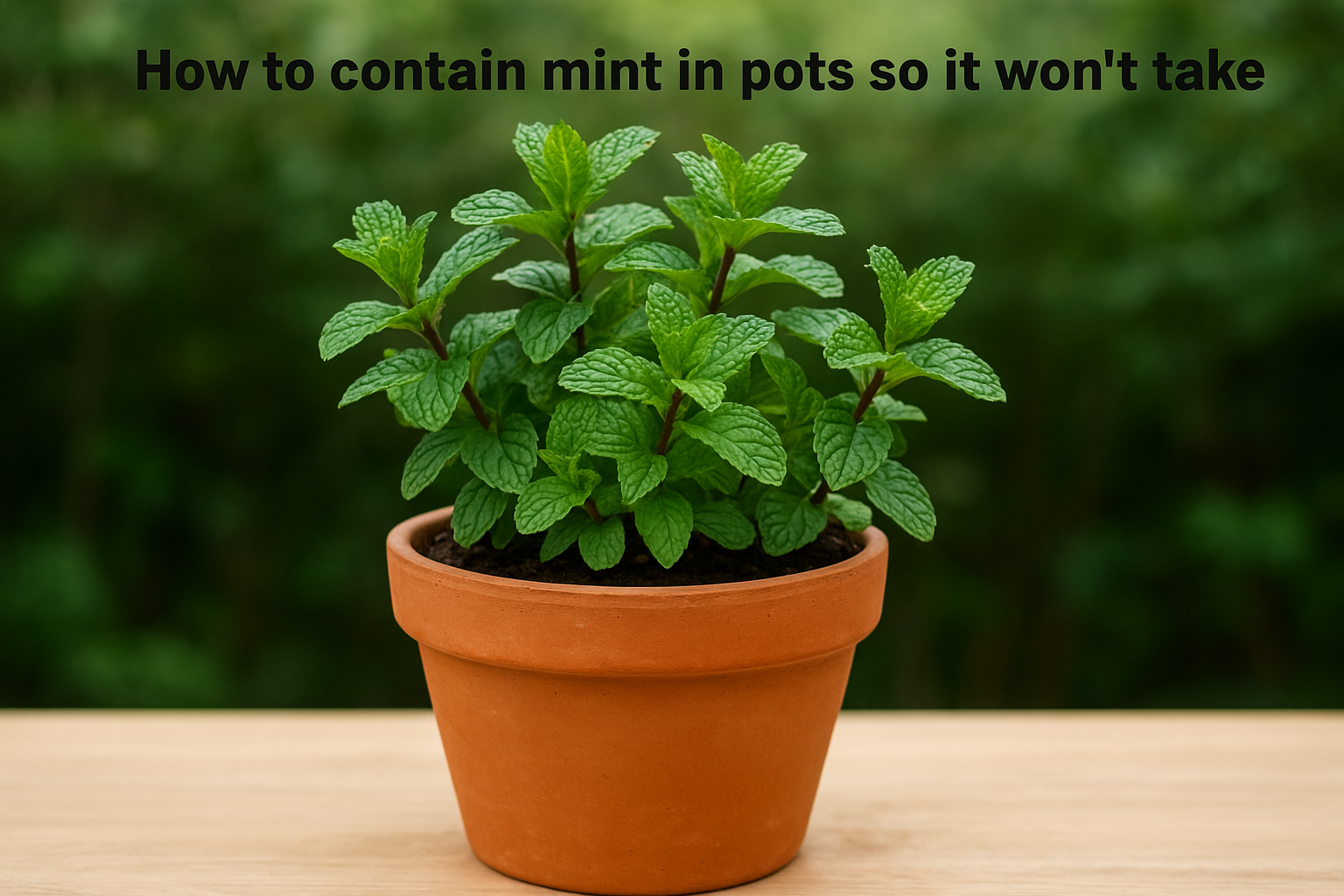
Mint spreads aggressively through underground runners, so always grow it in a container rather than directly in a garden bed. A 15 to 20cm pot with good drainage holes is enough for a healthy plant. If you want mint in a raised bed, sink the pot into the soil so the roots stay confined and don't overtake neighboring plants.
Common issues in hot, humid weather
Root rot from overwatering is the most common problem with mint in Malaysia, so make sure your pot drains fully after each watering session. Aphids and spider mites can appear during drier periods; rinse the plant with water or apply diluted neem oil to manage them before they spread.
4. Curry leaves
Curry leaf (Murraya koenigii) is a staple in South Indian and Malaysian cooking, and it's one of the easiest herbs you can grow in this country. The tree is native to tropical and subtropical Asia, so it adapts to local conditions with almost no persuasion needed.
Why curry leaves suit Malaysian gardens
The curry leaf tree thrives in hot, humid climates, which makes Malaysia close to its ideal growing environment. Whether you plant it in the ground or a large container, it establishes quickly and produces fragrant leaves year-round without the seasonal slowdowns common in cooler regions. When growing herbs in Malaysia, few plants match curry leaves for low-effort productivity.
Light, soil, and watering basics
Give your curry leaf plant full sun for at least 6 hours daily to encourage dense, leafy growth. Use well-draining loamy soil with organic matter mixed in, and water deeply once or twice a week, allowing the soil to dry slightly between sessions.
Curry leaf trees in containers dry out faster than in-ground plants, so check the soil every two to three days during peak heat months.
How to harvest leaves without stressing the plant
Harvest whole sprigs rather than pulling individual leaves, always cutting from the outer branches first. Avoid removing more than one-third of the foliage at one time so the plant recovers quickly and continues producing new growth without delay.
Common issues in hot, humid weather
Scale insects and mealybugs are the most common pests on curry leaf plants in Malaysia. Wipe them off with a cotton swab dipped in rubbing alcohol, or apply neem oil spray every two weeks until the infestation clears completely.
5. Lemongrass
Lemongrass (Cymbopogon citratus) is one of the most widely used herbs in Malaysian cooking, appearing in soups, curries, teas, and marinades. If you're growing herbs in Malaysia, lemongrass is a practical choice because it grows large, produces abundantly, and needs very little attention once it settles in.
Why lemongrass loves Malaysia's climate
Lemongrass is a tropical grass that evolved in warm, humid regions, so Malaysia's climate suits it naturally. The plant pushes out thick, fragrant stalks through the hottest months without slowing down, and it handles heavy rainfall and high humidity far better than most other herbs you might consider growing at home.
Light, soil, and watering basics
Plant your lemongrass in a spot that receives full sun for at least 6 hours each day for the best stalk production. It tolerates most soil types but performs best in well-draining, fertile soil with compost mixed in. Water deeply two to three times a week and ease off during rainy periods to avoid waterlogging the roots.
Lemongrass in containers dries out faster than in-ground plants, so check the soil every two days during dry spells and water before the roots fully dry out.
How to start lemongrass from store-bought stalks
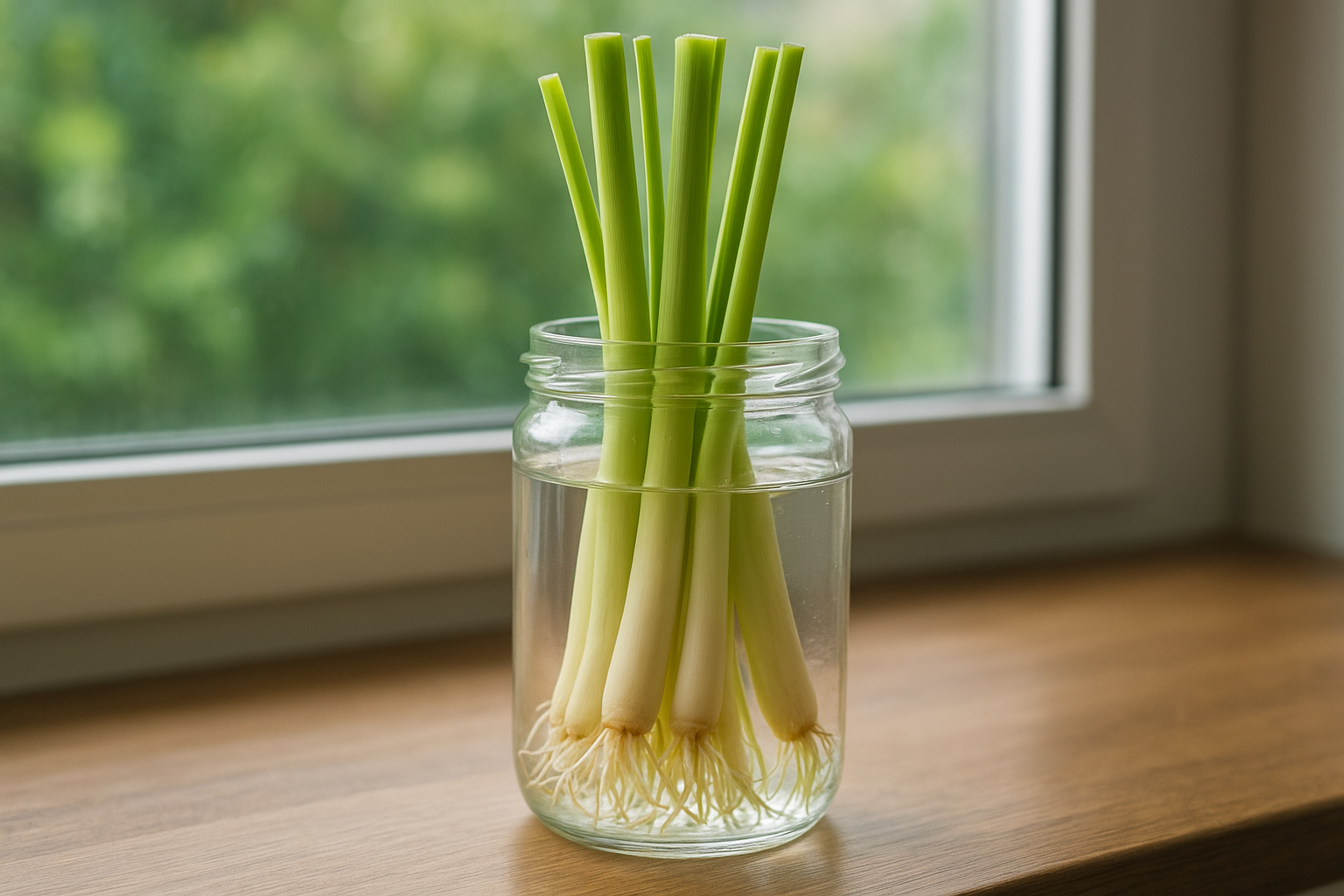
You can root fresh lemongrass stalks from any wet market or supermarket by standing them in a jar of water near a sunny window. Change the water every two days, and once roots 2 to 3cm long appear, move the stalks into a pot or garden bed.
Common issues in hot, humid weather
Lemongrass is rarely troubled by pests, which makes it one of the easiest herbs to maintain. Rust fungus can appear as orange-brown spots on older leaves during prolonged wet periods, so remove affected leaves promptly and improve airflow around the clump to stop it from spreading further.
6. Bird's eye chili
Bird's eye chili (Capsicum annuum var. glabriusculum), known locally as cili padi, is one of the most popular hot chilies in Malaysian cooking. It punches far above its small size in both flavor and heat, and it grows well in home gardens and balcony containers alike.
Why chilies produce well in Malaysia
Cili padi is a tropical plant that thrives in the warm, humid conditions Malaysia offers year-round. The plant sets flowers and fruit consistently through our hottest months, unlike many herbs that slow down or bolt when temperatures climb.
When growing herbs in Malaysia, bird's eye chili is one of the most productive container plants you can choose. A single healthy plant produces dozens of chilies per cycle, and it keeps flowering without the seasonal slowdowns common in cooler climates.
Light, soil, and watering basics
Give your bird's eye chili full sun for 6 to 8 hours daily to encourage steady fruiting. Use well-draining potting mix enriched with compost, and water deeply every two to three days, allowing the top inch of soil to dry out between sessions to avoid root rot.
Consistent watering matters more during the flowering stage, since irregular moisture causes flowers to drop before they set fruit.
How to support flowering and fruiting in containers
Choose a container at least 30cm deep to give roots enough room to develop. To keep fruit production strong, follow these two simple feeding rules:
- Avoid heavy nitrogen fertilizers, which push leafy growth at the expense of flowers
- Apply a balanced fertilizer with potassium every three to four weeks during the fruiting period
Common issues in hot, humid weather
Aphids and spider mites are the most common pests on chili plants in Malaysia and tend to cluster on new growth and leaf undersides. Inspect your plant weekly and treat early infestations with diluted neem oil spray in the evening to prevent burning the foliage under direct sun.
7. Kaffir lime
Kaffir lime (Citrus hystrix), called limau purut in Malay, is a citrus tree that most Malaysian home cooks already know and use. Its distinctively fragrant double leaves appear in everything from rendang to tom yum, and growing your own tree gives you a constant supply without relying on wet market availability.
Why kaffir lime is a strong pick for Malaysian homes
Kaffir lime is a tropical citrus species that handles heat and humidity naturally, which makes it well suited to Malaysian conditions. Unlike many citrus varieties that struggle under intense heat, kaffir lime produces healthy foliage throughout the year without seasonal rest periods. When growing herbs in Malaysia, it stands out as a dependable tree for both ground planting and large containers on a patio or balcony.
Light, soil, and watering basics
Place your kaffir lime where it receives full sun for at least 6 hours daily to encourage strong leaf production. Use well-draining, slightly acidic soil with organic compost mixed in, and water deeply two to three times a week, letting the top layer dry slightly between sessions.
Kaffir lime in containers needs repotting every two to three years, since root-bound plants produce fewer leaves and become more vulnerable to stress.
How to prune for more usable leaves
Trim back longer branches after each heavy harvest to encourage the tree to push out fresh lateral shoots, which carry new sets of double leaves ready for picking within a few weeks. Avoid cutting into old woody growth, since kaffir lime recovers slowly from aggressive pruning.
Common issues in hot, humid weather
Leaf miners and scale insects are the two pests you'll encounter most often on kaffir lime in Malaysia. Treat leaf miner damage by removing affected leaves promptly, and apply neem oil spray every two weeks to manage scale insects before they spread to new growth.
8. Turmeric
Turmeric (Curcuma longa) is a rhizome-based plant that most Malaysian households already use daily in the kitchen, and it grows surprisingly well at home with minimal setup. When growing herbs in Malaysia, turmeric rewards you with fresh roots and edible leaves that carry more aroma than anything you'll find at the supermarket.
Why turmeric grows easily in Malaysia
Turmeric is native to tropical South Asia, so Malaysia's heat and high humidity closely match its natural growing conditions. The plant thrives through our hottest months and enters a natural dormancy only when temperatures drop significantly, which rarely happens here. That means your turmeric stays active and productive for most of the year without special intervention.
Light, soil, and watering basics
Turmeric prefers partial shade to filtered sunlight, making it one of the few herbs that performs well under a tree canopy or on a shaded balcony. Use loose, well-draining soil rich in organic matter, and keep it consistently moist without letting roots sit in waterlogged conditions.
Overly compacted soil prevents rhizomes from expanding properly, so break up your growing medium thoroughly before planting.
How to plant from rhizomes and harvest correctly
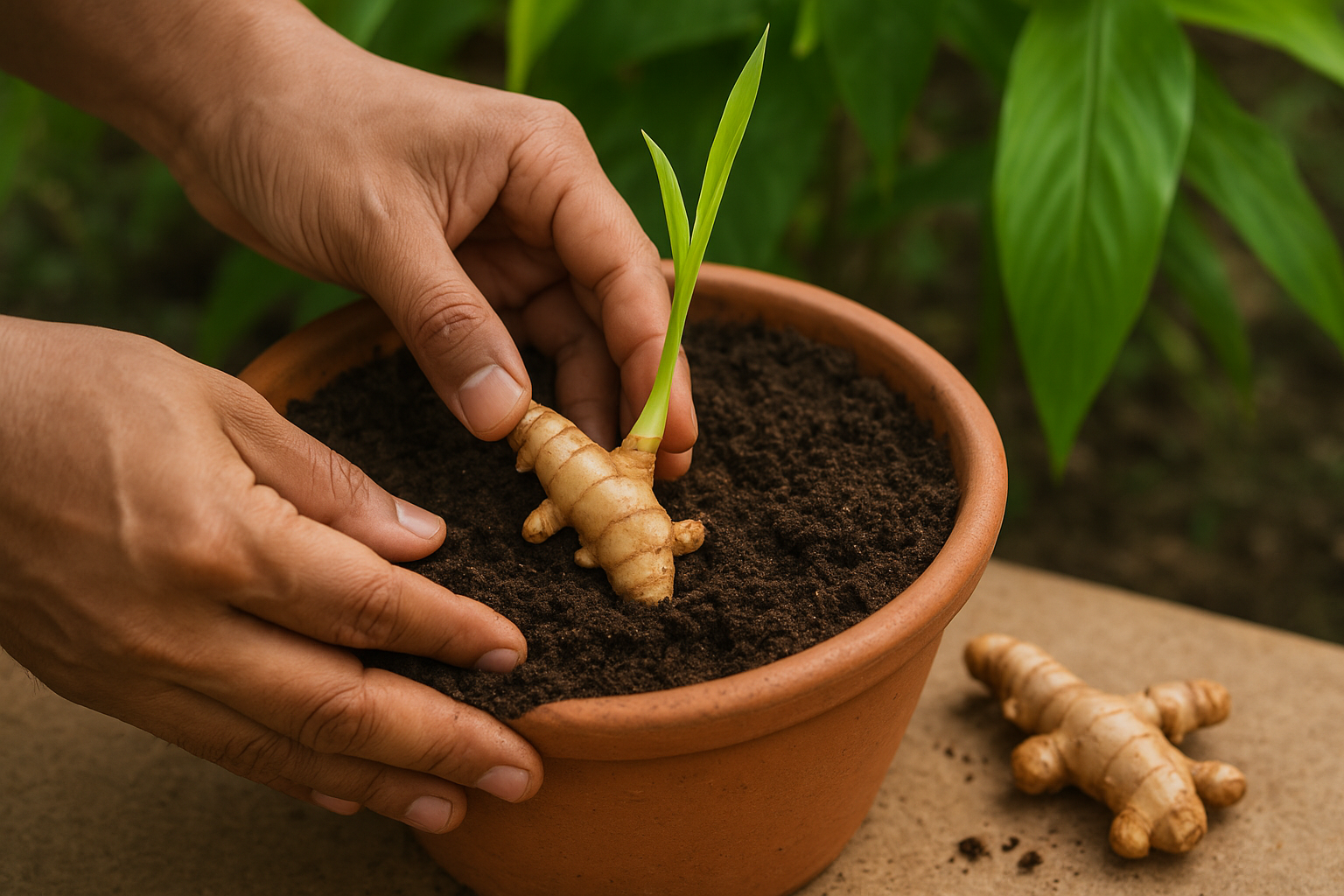
Start by sourcing fresh, plump rhizomes from a wet market, then plant them about 5cm deep with the buds facing upward. Shoots appear within two to four weeks. Harvest after eight to ten months when the leaves begin to yellow, lifting the entire clump gently to avoid slicing through the rhizomes.
Common issues in hot, humid weather
Rhizome rot develops quickly in waterlogged soil, so drainage is your most important line of defense. Spider mites occasionally appear on the broad leaves during dry spells; rinse them off with water or treat with diluted neem oil applied in the evening.
9. Spring onion
Spring onion (Allium fistulosum), also called green onion or scallion, is one of the most forgiving herbs you can grow at home. It takes up almost no space, grows quickly, and shows up in Malaysian cooking constantly, from fried rice and soups to noodle dishes and garnishes.
Why spring onion is beginner-friendly in Malaysia
Spring onion handles Malaysia's heat and humidity without needing much intervention. It matures fast, often within four to six weeks from planting, which means you see results quickly and gain confidence early. For anyone just starting out with growing herbs in Malaysia, spring onion gives you a reliable win before you move on to more demanding plants.
Light, soil, and watering basics
Spring onion grows well with 4 to 6 hours of sunlight daily and tolerates partial shade better than most herbs. Use moist, well-draining potting mix with compost, and water every one to two days, keeping the soil consistently moist without letting the pot sit in water.
A pot at least 15cm deep gives the roots enough room to develop properly without becoming cramped.
How to regrow from kitchen scraps
Save the white root ends from your next bunch of spring onions and stand them upright in a shallow glass of water. Within three to five days, green shoots push up from the top. Once new growth appears, transfer the roots into potting mix and they establish quickly.
Common issues in hot, humid weather
Fungal rot at the base develops when soil stays too wet for too long, so always check that drainage is working before you water again. Thrips and aphids occasionally appear on the leaves; rinse them off with water or apply a diluted neem oil spray in the evening to clear the infestation without damaging the plant.
10. Chives
Chives (Allium schoenoprasum) are a compact, clump-forming herb that fits neatly into small pots, window boxes, and balcony containers. They're mild enough to eat raw and versatile in the kitchen, appearing in soups, omelets, dumplings, and as a fresh topping on everything from congee to pasta.
Why chives work for balconies and small spaces
When growing herbs in Malaysia, chives stand out as one of the most space-efficient options available. The plant stays compact by nature, rarely exceeding 30cm in height, which makes it ideal for anyone working with limited room on a condo balcony or small patio. Unlike lemongrass or curry leaf that need room to spread, chives grow straight up and keep their footprint small through their entire lifespan.
Light, soil, and watering basics
Your chives perform best with 4 to 6 hours of sunlight daily, making them a practical fit for east-facing balconies or spots with indirect morning light. Use well-draining potting mix with compost, and water every one to two days to keep moisture consistent without letting roots sit in soggy conditions.
A pot at least 15cm deep gives your chive clump enough root room to stay productive through regular harvesting.
How to harvest so the clump stays productive
Cut stems using the following approach to keep output steady:
- Snip 2 to 3cm above the soil level with clean scissors
- Harvest no more than one-third of the clump at a time so it recovers within two weeks
- Never pull stems out by the root, as this disrupts the entire clump and delays regrowth
Common issues in hot, humid weather
Thrips and fungal leaf blight are the two most common problems with chives in humid Malaysian conditions. Improve airflow between pots and apply diluted neem oil spray in the evening at the first sign of either issue to stop damage before it spreads.
11. Coriander
Coriander (Coriandrum sativum), known locally as daun ketumbar, is one of the trickier herbs to grow in a tropical climate, but it's far from impossible. With the right variety and smart positioning, you can harvest fresh leaves at home instead of buying wilted bunches from the supermarket every week.
Why coriander can work in Malaysia with the right setup
This herb is a cool-season plant by nature, which puts it at a disadvantage in Malaysia's heat. Choosing slow-bolt or heat-tolerant varieties changes the picture significantly, since these push leaf production for longer before rushing to seed and give you a real harvest window even in our hottest months.
Light, soil, and watering basics
When growing herbs in Malaysia, coriander performs best with filtered light or morning sun for around 4 to 5 hours daily rather than full afternoon exposure. Use well-draining, moisture-retentive potting mix with compost mixed in, and water daily during dry spells to prevent the soil from drying out completely between sessions.
Placing coriander on a north-facing balcony or under partial shade noticeably slows bolting and extends your harvest window.
How to slow bolting and extend harvests
Pick outer leaves regularly to signal the plant to keep producing foliage instead of flowering. Two simple techniques help keep coriander available throughout the year:
- Sow seeds every three to four weeks in small batches so a younger plant is always coming through
- Remove flower stalks immediately as they appear to push energy back into leaf production
Common issues in hot, humid weather
Premature bolting is the most common frustration with coriander in Malaysia, turning your plant from leafy to flowering within days of a heat spike. Aphids and powdery mildew appear under humid, low-airflow conditions, so space your pots apart and treat early with diluted neem oil spray applied in the evening.
12. Dill
Dill (Anethum graveolens) is an aromatic, feathery herb that appears in fish dishes, pickles, and salads, and it's a rewarding home-grow if you manage its limitations in Malaysia's tropical heat.
Why dill can succeed in Malaysia
Malaysia's consistent warmth puts dill under more pressure than most herbs on this list since it is a cool-season plant that naturally prefers milder temperatures. Short growing cycles work in your favor here. When growing herbs in Malaysia, treat dill as a fast-turn crop rather than a permanent fixture: sow in batches, harvest quickly, and resow before the previous plant bolts and fades.
Light, soil, and watering basics
Give your dill filtered morning sun for 4 to 5 hours daily and protect it from harsh afternoon exposure to slow its decline. Use well-draining, loose potting mix with added compost, and water consistently to keep soil evenly moist without soaking the roots.
Placing dill under a taller plant or on a north-facing balcony extends its productive window significantly in Malaysian conditions.
How to harvest leaves and collect seeds
Snip feathery outer fronds as soon as the plant reaches 20cm tall rather than waiting for it to fully mature. Let one plant per batch go to seed so you collect fresh seeds to resow without purchasing new packets, keeping a continuous supply running through the year.
Common issues in hot, humid weather
Premature bolting is the most frustrating issue with dill in Malaysia, cutting your harvest window down to a few weeks during hot spells. Aphids cluster on soft new growth and spread quickly; rinse them off with water or apply diluted neem oil in the evening before the infestation takes hold.
13. Rosemary
Rosemary (Salvia rosmarinus) is one of the more challenging herbs to grow in Malaysia, but with the right container setup it holds its own. Most failures happen because people treat it like a tropical plant when it's actually a drought-tolerant Mediterranean herb that needs dry conditions, sharp drainage, and good airflow to survive long-term in humid weather.
Why rosemary can handle Malaysian conditions in pots
Growing rosemary in the ground here rarely works because heavy rainfall and poor soil drainage suffocate the roots quickly before the plant establishes. A well-draining container with room for airflow changes that equation entirely. When growing herbs in Malaysia, pot culture is the only setup that consistently keeps rosemary alive through wet seasons since you control the watering schedule directly rather than relying on natural drainage.
Light, soil, and watering basics
Place your rosemary where it receives full sun for at least 6 hours daily since the plant grows slowly and becomes leggy in low light. Use a mix of potting soil, coarse sand, and perlite to replicate the fast-draining conditions rosemary evolved in. Water only when the top two inches of soil are completely dry, which in Malaysia means once or twice a week at most.
Overwatering kills rosemary faster than anything else in Malaysian humidity, so always check the soil before adding more water.
How to shape and harvest without killing the plant
Snip soft new growth from the stem tips rather than cutting back into old woody sections, which rosemary recovers from very slowly. Take small amounts regularly rather than one heavy cut to keep the plant compact and encourage steady fresh growth.
Common issues in hot, humid weather
Root rot and powdery mildew are the two problems you'll face most often with rosemary in Malaysia. Keep your pot away from walls so air moves freely around it, and apply diluted neem oil spray in the evening at the first sign of mildew before it spreads to new stems.
Bring it all together
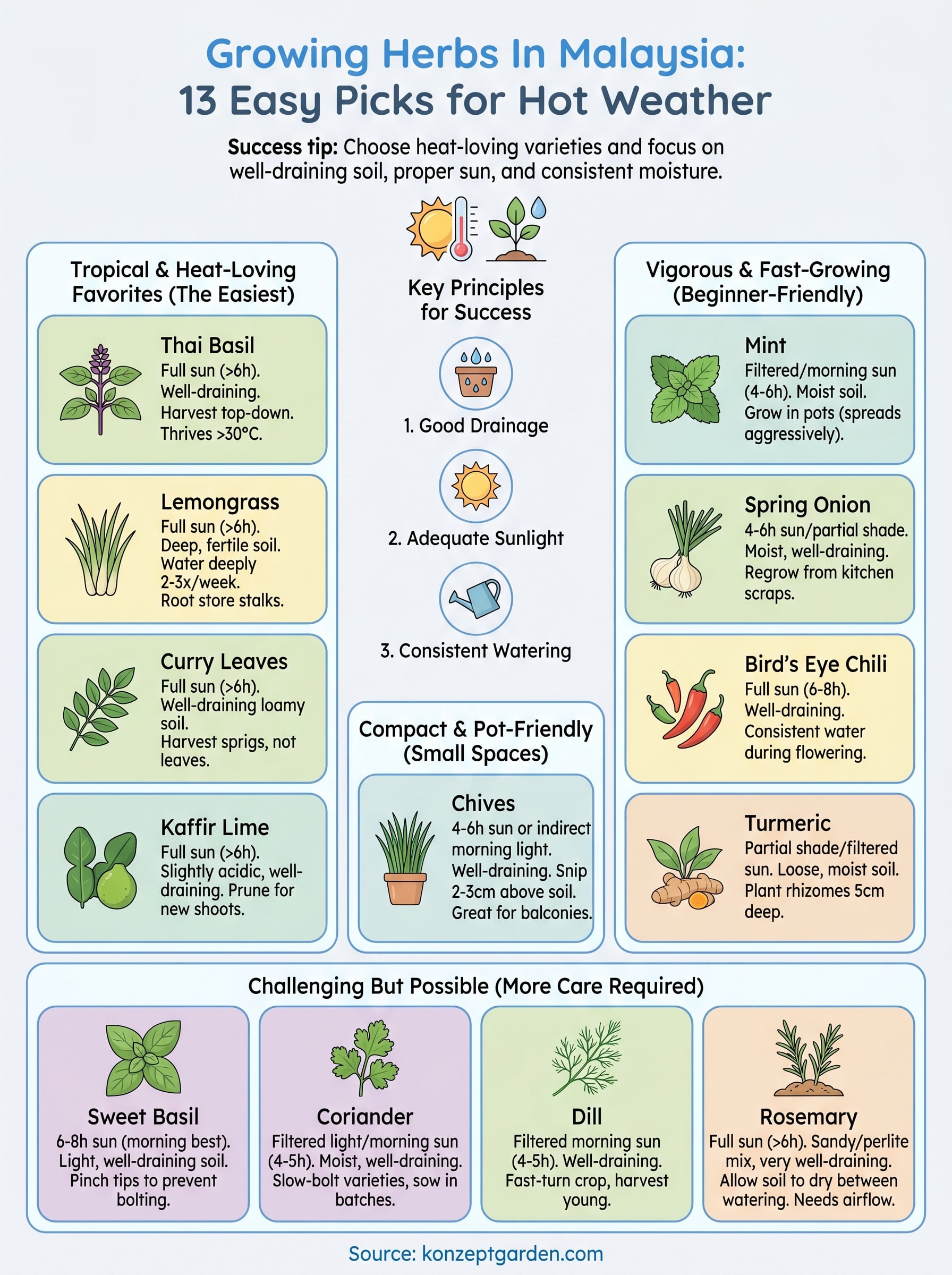
Growing herbs in Malaysia is genuinely accessible to anyone willing to start small and pay attention to a few basics. Most of the 13 herbs on this list ask for the same fundamentals: good drainage, adequate sunlight, and consistent watering without overdoing it. Get those three right, and the results follow faster than most people expect.
Start with two or three plants from the easier end of the list, such as Thai basil, lemongrass, or spring onion, before adding the trickier ones like coriander, dill, or rosemary. This approach builds your confidence and gives you a working system before you scale up.
If you want to take your outdoor space further and build a proper edible garden or a full landscape around your home, the Konzept Garden team can help you plan it properly from the start. Get in touch with our design team and we will work out what fits your space and budget.