


Starting an herb garden for beginners doesn't require a big yard, expensive tools, or years of gardening experience. A few pots, the right herbs, and some basic know-how are enough to get fresh basil, mint, or pandan growing right outside your kitchen door. In Malaysia's tropical climate, herbs actually thrive with minimal effort, once you understand what they need.
At Konzept Garden, we design outdoor spaces that are both beautiful and functional, and herb gardens are one of the most practical features we incorporate into residential landscape projects. Whether it's a dedicated planting bed or a few well-placed containers on a patio, we've seen firsthand how a small herb garden can transform the way people use their outdoor space.
This guide walks you through everything you need to get started: which herbs grow best in our climate, how to plant them step by step, and the care tips that actually matter. No guesswork, no overcomplication, just a clear path from bare soil to fresh harvest.
What to know before you start
Before you plant a single seed, it helps to understand what an herb garden for beginners actually demands from you. Most beginners overestimate the difficulty and underestimate the importance of two basic decisions: where to grow and what to grow in. Get those right, and the rest falls into place. Get them wrong, and even the easiest herbs will struggle to survive past their first month.
Malaysia's tropical climate is both an advantage and a challenge. You get year-round warmth that herbs love, but you also deal with intense afternoon sun, heavy monsoon rain, and high humidity that can rot roots if drainage isn't handled correctly from the start.
Drainage is the single most important factor for herbs in Malaysia's climate. Waterlogged soil kills roots faster than any pest or disease.
Indoor vs. outdoor: pick your setup
Your first choice is whether to grow herbs indoors near a window, outdoors on a balcony, or in a dedicated garden bed. Each setup works, but each has real trade-offs. Outdoor herbs get stronger light and better airflow, which keeps them healthier over time. Indoor herbs are easier to manage and stay within reach of your kitchen.
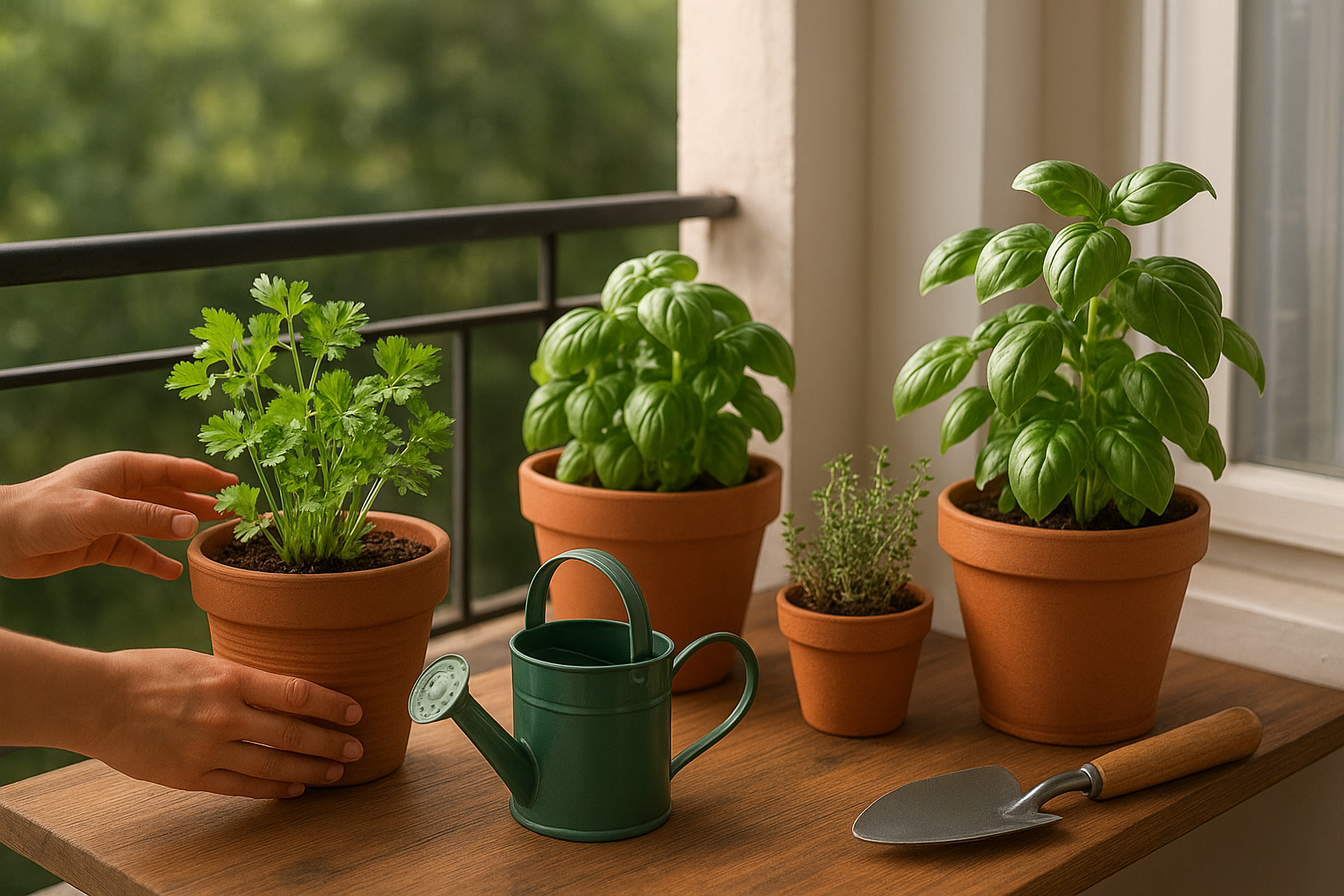
A south- or west-facing balcony or sheltered patio is the ideal middle ground for most Malaysian homes. You get solid morning or afternoon light, some natural shade during peak heat hours, and enough air movement to prevent the fungal problems that come with stagnant humidity.
Tools and supplies you actually need
You don't need a full shed of equipment to get started. The table below covers the essential items and explains what each one does for your herb garden.
| Item | Why you need it |
|---|---|
| Pots with drainage holes | Prevents waterlogging and root rot |
| Good-quality potting mix | Provides loose, nutrient-rich growing medium |
| Watering can with a fine rose | Delivers gentle, even water without disturbing roots |
| Liquid fertilizer | Feeds herbs consistently through the growing season |
| Small hand trowel | Makes planting and repotting much easier |
Stick to these five basics first, and you'll have everything you need before moving on to choosing your herbs.
Step 1. Choose herbs that fit Malaysia's climate
Picking the wrong herbs is the most common mistake in an herb garden for beginners. Many beginners reach for herbs they see in Western recipes, like rosemary or lavender, only to find that these Mediterranean plants struggle hard in Malaysia's heat and humidity. Starting with herbs already adapted to tropical conditions gives you a much higher chance of success from week one.
Herbs that thrive in tropical conditions
Malaysia's year-round warmth and high humidity actually create ideal growing conditions for a specific group of herbs. These are the ones to start with, because they grow fast, recover well from heavy rain, and don't need the cool temperatures that trip up so many beginners.
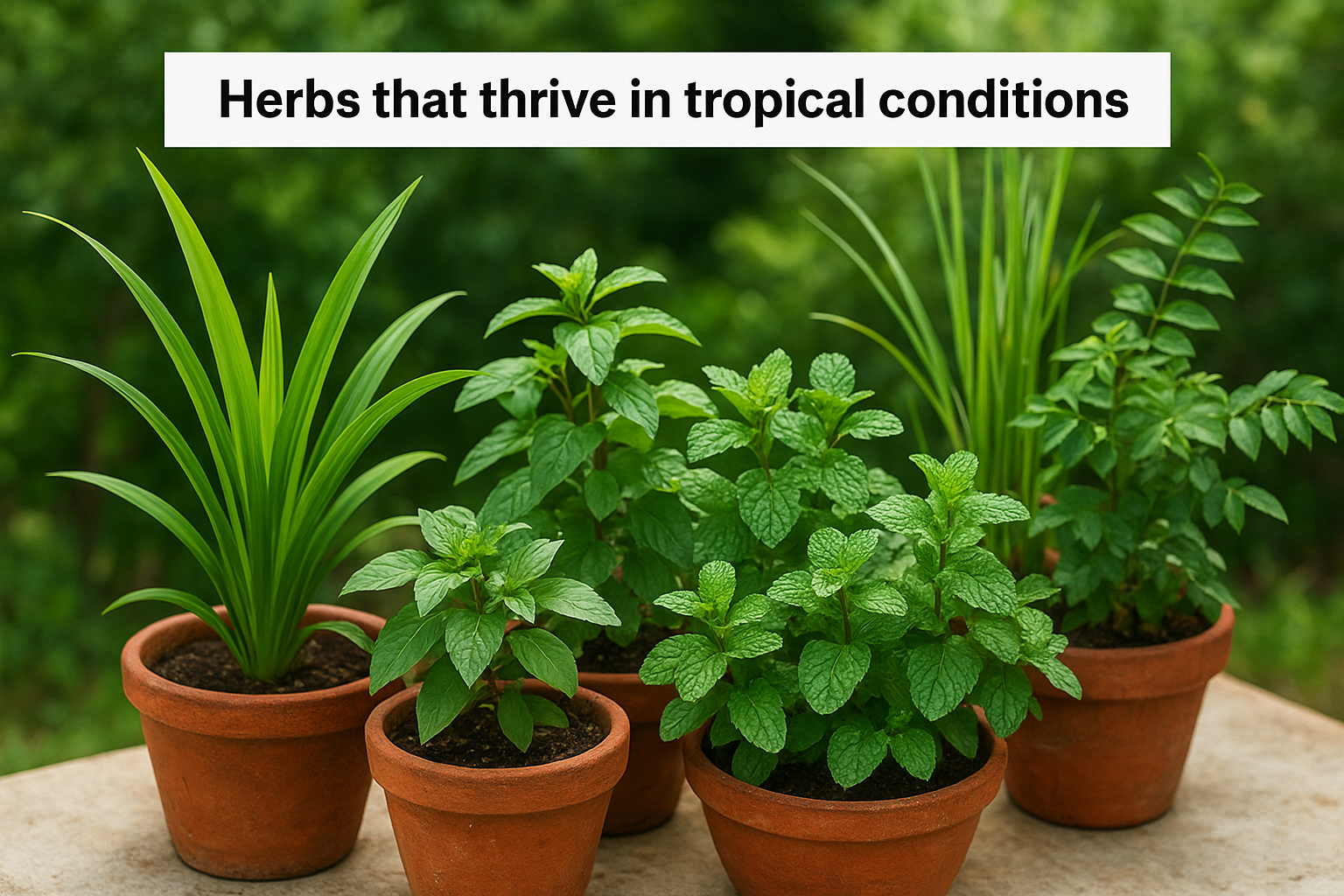
Starting with climate-adapted herbs means you spend less time troubleshooting and more time harvesting.
| Herb | Common use | Light needs |
|---|---|---|
| Pandan | Cooking, flavoring | Full to partial sun |
| Thai basil | Cooking | Full sun |
| Mint | Cooking, drinks | Partial shade |
| Lemongrass | Cooking, tea | Full sun |
| Curry leaf | Cooking | Full sun |
| Pegaga (Centella) | Medicinal | Partial shade |
Start with two or three herbs from this list rather than planting all of them at once. That keeps your setup manageable and low-pressure while you learn how each plant responds to your specific growing spot.
Step 2. Pick the right spot and light
Light is the factor that most beginners get wrong in an herb garden for beginners setup. Most culinary herbs need at least four to six hours of direct sunlight per day, and in Malaysia, that light is intense enough that where you place your pots matters more than most people expect. The wrong spot leads to leggy, weak plants that produce little flavor and even less harvest.
Position your herbs where they get morning sun and natural shade from the harshest afternoon rays to keep both growth and soil moisture in balance.
How to read the light in your space
Before you move any pots, spend one full day watching your balcony or garden from early morning to late afternoon. Track which areas receive direct sun, which stay shaded, and when that shade shifts. This single observation step prevents most placement mistakes that beginners make without realizing it.
A south- or east-facing position works best for the herbs listed in Step 1. East-facing spots deliver gentler morning sun, while naturally shielding your plants from the intense afternoon heat that can scorch Thai basil or dry out mint within a few hours.
What to do when light is limited
Low-light balconies are not a dealbreaker. Mint and pegaga both tolerate partial shade, making them your strongest options if your space only receives two to three hours of direct sun. Place them nearest to the brightest available spot and rotate the pots every few days so all sides of the plant get even exposure.
Step 3. Set up containers and soil that drain well
Container choice matters more than most beginners realize in an herb garden for beginners. A pot without proper drainage holes will trap water at the root zone, and in Malaysia's humidity, that standing water creates root rot within days rather than weeks. Choose containers that are at least 20cm deep and have at least one drainage hole at the base to keep roots healthy from the start.
A layer of gravel or broken pottery pieces at the bottom of your pot improves drainage speed without adding significant weight.
Pick the right container size
Different herbs need different amounts of root space to grow well. Compact herbs like mint and pegaga do fine in smaller 15-20cm pots, while lemongrass and curry leaf need containers of at least 30cm to develop a healthy root system. Matching pot size to the plant prevents both root crowding and the excess trapped moisture that leads to wilting and disease.
| Herb | Minimum pot size |
|---|---|
| Mint, pegaga | 15-20cm diameter |
| Thai basil, pandan | 20-25cm diameter |
| Lemongrass, curry leaf | 30cm+ diameter |
Mix soil that herbs can actually grow in
Standard garden soil from your yard is too dense for container growing. It compacts quickly, blocks water from moving through, and ends up suffocating roots. Build a simple growing mix using 70% quality potting mix combined with 30% coarse sand or perlite, which keeps the soil loose, drains fast after heavy rain, and gives roots the oxygen they need to stay strong and productive through Malaysia's wet seasons.
Step 4. Water, feed, and fix common problems
Watering and feeding are where most beginners in an herb garden for beginners setup either overdo it or ignore it until something goes wrong. In Malaysia's climate, overwatering is far more common than underwatering, and it causes the majority of plant deaths that beginners blame on heat or pests. Getting the rhythm right comes down to one simple habit: check the soil before you water, not the calendar.
Press your finger 2cm into the soil before watering. If it still feels damp, wait one more day and check again.
How to water and feed your herbs
Water your herbs in the morning, which gives leaves time to dry before the humid evening sets in and reduces the chance of fungal problems developing overnight. Feed them with a liquid fertilizer diluted to half strength every two weeks through the active growing season. Concentrated fertilizer pushes leafy growth fast but strips the flavor from your harvest, so applying less more consistently gets better results than heavy doses applied infrequently.
Fix the three most common problems
Most issues in a beginner herb garden trace back to three core causes, each with a clear and actionable fix you can apply the same day you spot the problem.
| Problem | Likely cause | Fix |
|---|---|---|
| Yellow leaves | Overwatering or poor drainage | Reduce watering, clear drainage holes |
| Leggy, thin stems | Insufficient direct sunlight | Move pots to a brighter position |
| White powder on leaves | Fungal disease from poor airflow | Remove affected leaves, increase spacing |
Act on these signs as soon as you notice them, before one struggling plant spreads problems to the rest of your herbs.
Keep going with Konzept Garden
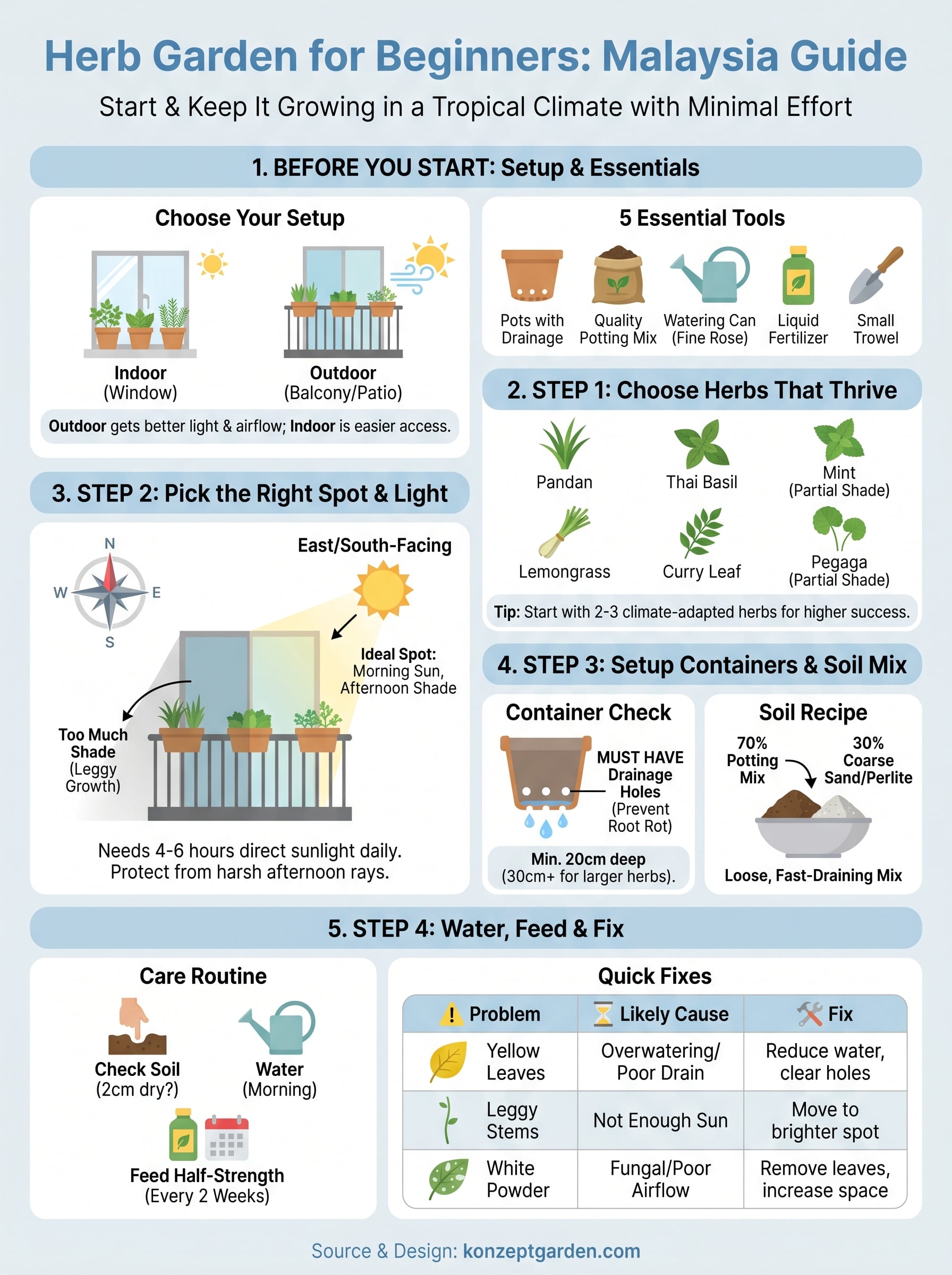
Starting an herb garden for beginners is genuinely straightforward when you follow the right steps from the start. You now know which herbs suit Malaysia's climate, how to set up containers with proper drainage, and how to spot and fix the most common problems before they damage your plants.
Your herb garden is a starting point, not a finish line. Once you see how much a few well-placed pots can change the way you use your outdoor space, the next natural step is thinking bigger. At Konzept Garden, we help homeowners across Malaysia design outdoor spaces that are functional, low-maintenance, and built to last through every season.
If you want professional guidance on integrating planting beds, herbs, or a full garden design into your property, contact our team for a free consultation. We'll help you build something that genuinely works for your home and your lifestyle.