
Malaysia's heat, humidity, and rainfall create one of the best growing environments on the planet, but that doesn't mean every plant will perform well in your garden. Picking the right tropical garden plants Malaysia conditions actually support is the difference between a garden that looks lush year-round and one that struggles through every monsoon season. It's a distinction we see constantly at Konzept Garden, where our design team and botanist consultants help homeowners build outdoor spaces that stay beautiful without fighting the climate.
The key is working with Malaysia's tropical conditions, not against them. That means choosing species that handle full equatorial sun, heavy downpours, and high humidity without constant intervention. The right plant selection also reduces long-term maintenance, something every homeowner appreciates once the initial excitement of a new garden settles into the reality of weekend upkeep.
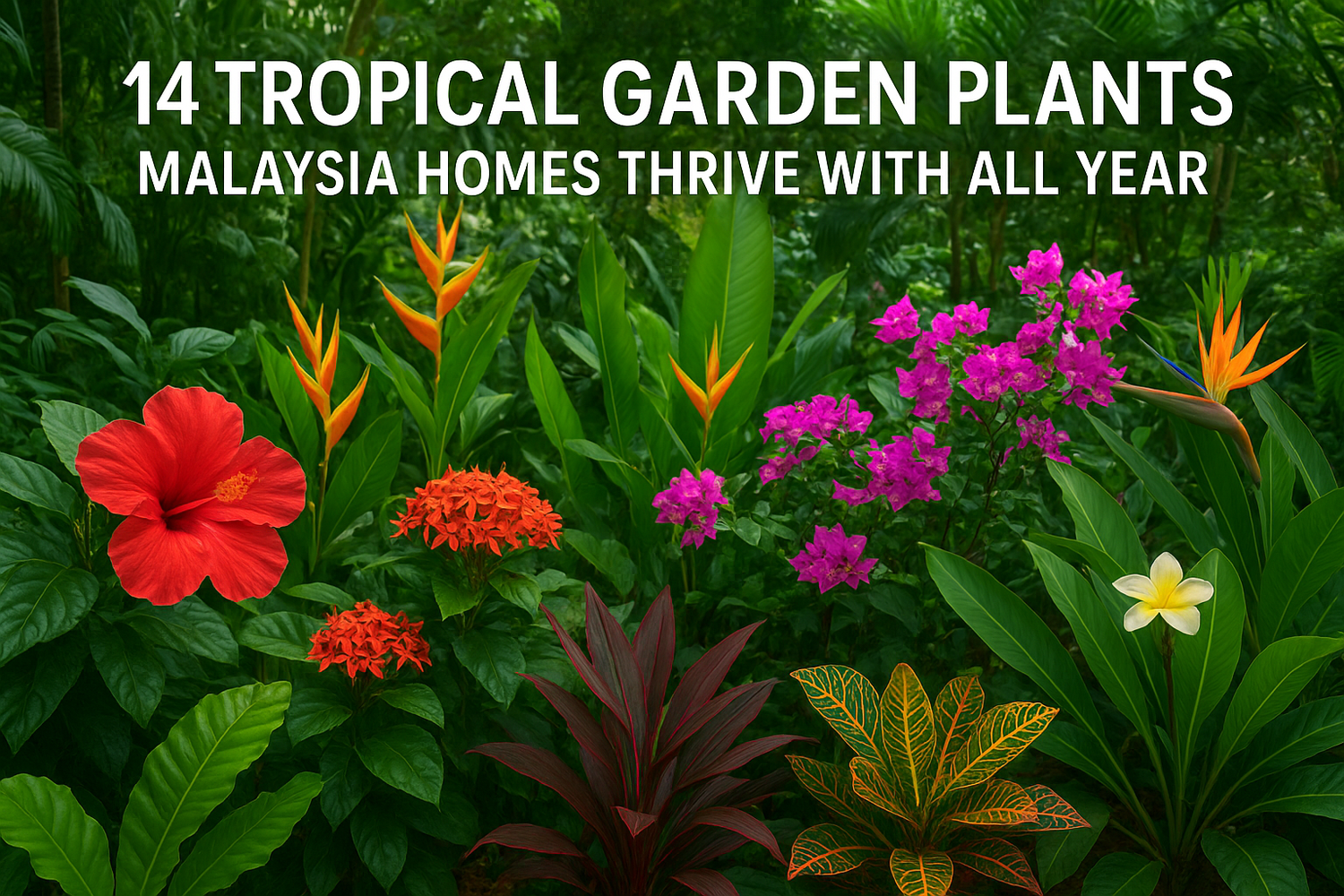
Below, we've put together 14 plants that consistently perform well across Malaysian homes and gardens. Each one has been selected based on climate suitability, visual impact, and practical maintenance needs. Whether you're starting a garden from scratch or filling gaps in an existing one, this list gives you reliable species to build around.
1. Site-specific planting plan by Konzept Garden
Before working through the list below, it's worth noting that the most reliable way to get long-term results in any Malaysian garden is to start with a site-specific planting plan. Every garden has its own combination of light exposure, drainage patterns, soil type, and surrounding structures. A plan tailored to your site takes all of that into account before a single plant goes into the ground.
What you get from a professional plant palette
A professional plant palette is more than a shopping list. Konzept Garden's botanist consultants assess your outdoor space in full, then recommend species that match your site's exact conditions. You get clarity on which plants belong in full sun spots, which suit shaded corners, and how to layer heights and textures so the garden looks intentional rather than assembled at random.
How the team matches plants to your light, soil, and lifestyle
The matching process starts with a site visit. The team evaluates sun exposure throughout the day, soil drainage, existing structures, and how you actually use your outdoor space. This step ensures the tropical garden plants Malaysia conditions can support are also plants that fit your daily routine and maintenance comfort level.
Getting this step right from the start saves you from replacing plants that looked healthy at the nursery but were never suited to your specific garden.
Common mistakes this step prevents in Malaysian gardens
Without a plan, most homeowners repeat the same errors. A structured approach avoids all of these:
- Planting sun-loving species in permanently shaded spots
- Placing fast-growing plants too close to walls or drainage channels
- Choosing plants based on appearance alone without checking soil drainage needs
- Mixing species with incompatible water requirements in the same bed
Malaysian gardens face heavy rainfall and intense sun in the same week, so plants that can't handle both conditions fail quickly.
What to prepare before you request a quote
You'll get more out of your consultation if you come prepared. Take note of which areas receive direct sun and for roughly how long each day. Photograph any existing plants, drainage issues, or spots that stay waterlogged after rain. Having a rough idea of your budget and timeline also helps the team structure a phased plan that works for you.
2. Hibiscus
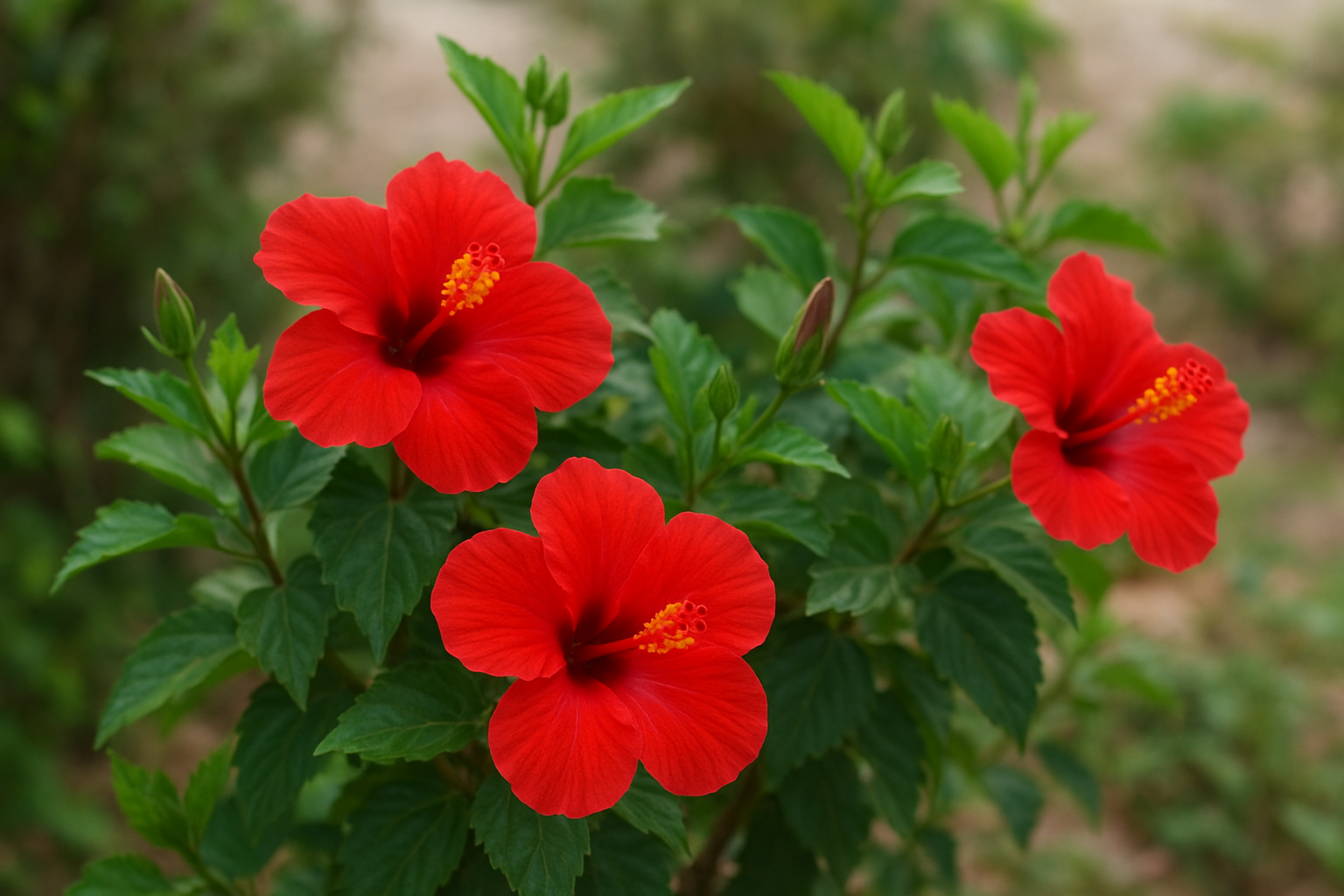
Hibiscus (Hibiscus rosa-sinensis) is Malaysia's national flower for good reason. It handles the country's conditions better than almost any ornamental flowering shrub available, and it rewards consistent care with near-constant blooms throughout the year.
Why it thrives in Malaysia
This plant evolved in tropical and subtropical regions, so Malaysia's heat and humidity feel entirely natural to it. Unlike many ornamentals, hibiscus doesn't go dormant during the wet season, which means year-round color in your garden without any seasonal replanting.
Light, water, and soil needs
Hibiscus needs at least six hours of direct sun each day to flower well. Water it deeply two to three times a week, but make sure your soil drains freely between sessions. Standing water at the roots leads to rot faster than most plants can tolerate.
Well-draining, slightly acidic soil with a pH between 6.0 and 7.0 gives hibiscus the best foundation for consistent, heavy flowering.
Best uses around Malaysian homes
Use hibiscus as a flowering hedge, standalone specimen shrub, or container plant near entrances. Its bold blooms in red, pink, orange, and yellow make it one of the strongest visual anchors in any tropical garden plants Malaysia planting scheme.
Pruning, feeding, and flowering tips
Cut back by one-third after a heavy flush of flowers to encourage fresh branching and new buds. Feed with a high-potassium fertilizer every four to six weeks to sustain that flowering cycle without pushing excessive leafy growth.
Common problems and quick fixes
Watch for aphids and whiteflies on new growth. A diluted neem oil spray handles both without harming the plant. Yellow leaves typically point to overwatering or poor soil drainage rather than a nutrient problem, so check your drainage before reaching for fertilizer.
3. Ixora
Ixora (Ixora coccinea) is one of the most commonly planted shrubs in Malaysian gardens, and for good reason. Its dense clusters of small flowers appear in red, orange, pink, and yellow, giving continuous color without demanding the same attention as many flowering plants.
Why it thrives in Malaysia
Ixora is native to tropical Asia, so Malaysia's warm temperatures and high humidity match its natural growing conditions almost perfectly. It stays in active growth year-round, producing new flower clusters consistently as long as it receives adequate sun.
Light, water, and soil needs
This shrub performs best in full sun to partial shade. Water it regularly but avoid waterlogging, as ixora is sensitive to poor drainage. It prefers slightly acidic soil with a pH between 5.0 and 6.5, which is worth testing before planting since many Malaysian garden soils trend alkaline after concrete construction nearby.
Yellowing leaves on ixora almost always signal soil that's too alkaline, not a watering issue.
Best uses around Malaysian homes
Ixora works well as a low hedge, border plant, or mass planting along driveways and garden edges. Your garden boundaries stay clean and defined without blocking views, making it one of the more versatile tropical garden plants Malaysia homeowners rely on for structure and color together.
Pruning, feeding, and flowering tips
Trim lightly after each flowering flush to encourage branching and more blooms. Feed with an acidic fertilizer every six to eight weeks to maintain healthy soil pH and support your plant's continuous flowering cycle.
Common problems and quick fixes
Mealy bugs and scale insects are the most frequent pests on ixora. Treat with neem oil or a mild insecticidal soap spray applied directly to affected stems. If flower clusters stop forming, check soil pH and sun exposure before adjusting your watering schedule.
4. Bougainvillea
Bougainvillea (Bougainvillea spectabilis) brings intense color to Malaysian gardens through papery bracts in purple, magenta, orange, and white. It climbs, cascades, or sprawls depending on how you train it, making it one of the most versatile tropical garden plants Malaysia homeowners use for bold structure and visual impact.
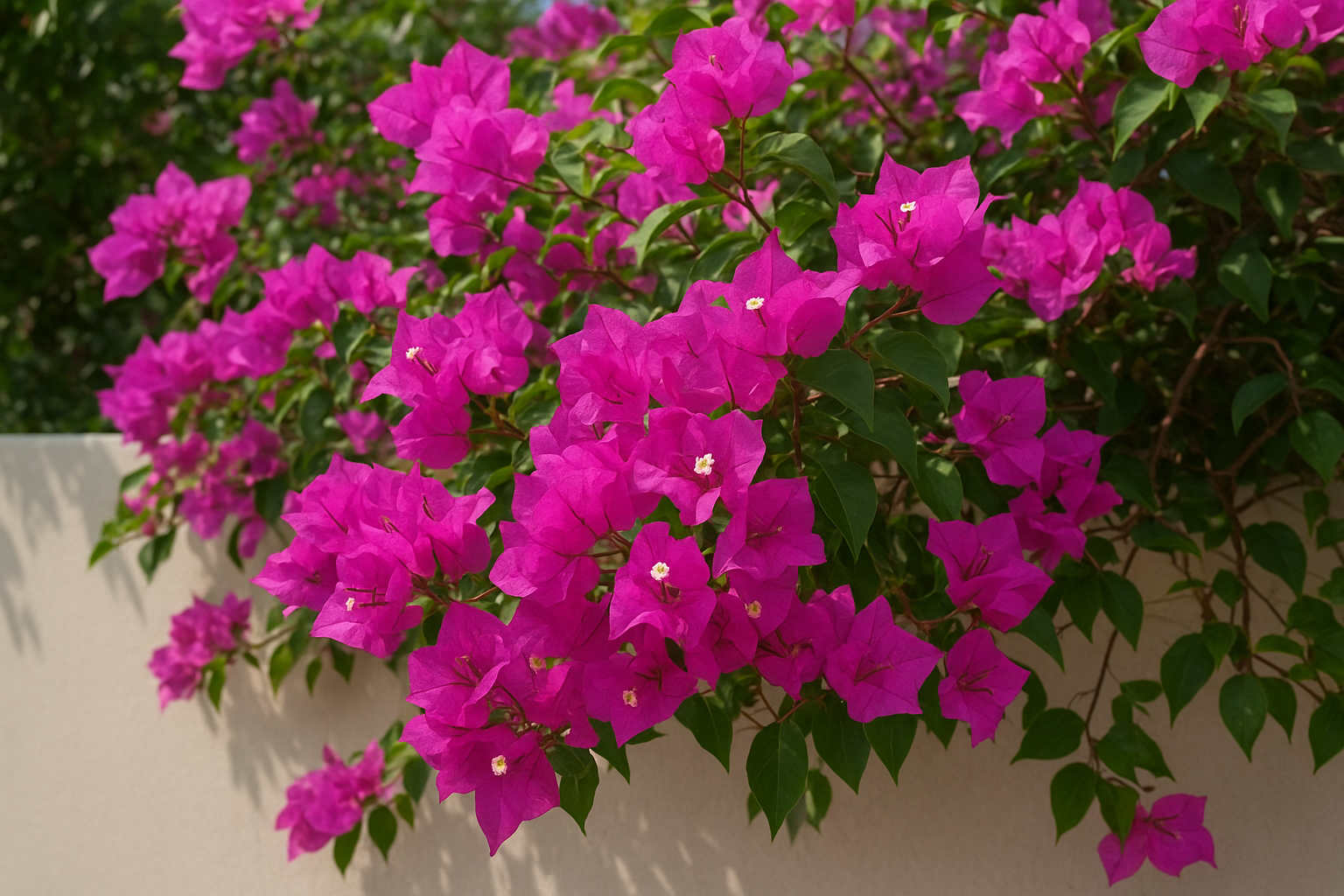
Why it thrives in Malaysia
Native to South America's tropical zones, it handles Malaysia's equatorial heat without stress. Brief dry spells actually trigger heavier flowering, as the plant responds by pushing new bract development rather than leaf growth.
Light, water, and soil needs
Plant it where it receives full sun for at least six hours daily to get the color display it's known for. Water young plants regularly until established, then reduce frequency. Bougainvillea tolerates dry periods well and performs best in well-draining, slightly acidic soil that doesn't hold moisture around the roots.
Overwatering is the fastest way to stop bougainvillea from flowering, so err on the dry side once the plant is established.
Best uses around Malaysian homes
Train bougainvillea along boundary fences, pergolas, or garden walls for a strong color statement. It also works as a sprawling ground cover on slopes prone to erosion, or pruned into a contained shrub near driveways and entrances.
Pruning, feeding, and flowering tips
Prune hard after each flowering cycle to stimulate the next flush of bracts. Feed with a low-nitrogen, high-phosphorus fertilizer every six to eight weeks to push flowering over excessive leaf growth.
Common problems and quick fixes
Caterpillars and aphids occasionally target new growth. Remove caterpillars by hand and treat aphids with diluted neem oil spray. If your plant produces lush foliage but no bracts, reduce watering immediately and avoid nitrogen-heavy fertilizers.
5. Heliconia
Heliconia (Heliconia spp.) delivers some of the most dramatic foliage and flower structures available among tropical garden plants Malaysia homeowners can realistically grow. Its large, paddle-shaped leaves and striking pendant or upright flower bracts in red, orange, and yellow turn an ordinary garden bed into something that looks architecturally designed.
Why it thrives in Malaysia
Heliconia originates from tropical Central and South America as well as parts of the Pacific Islands, meaning Malaysia's combination of heat, rain, and humidity closely mirrors its native habitat. It stays in active growth year-round in Malaysian conditions and produces new flower stalks regularly without requiring any seasonal adjustment.
Light, water, and soil needs
Plant heliconia where it receives bright indirect light or morning sun with some afternoon shade to prevent leaf scorch. It needs consistently moist, rich soil with good drainage, so amend heavy clay soils with organic matter before planting.
Heliconia handles heavy rainfall well, but prolonged waterlogging at the base will rot the rhizomes quickly.
Best uses around Malaysian homes
Use heliconia as a bold background planting or garden screen along fences, walls, or water features. Its height and dense clumping habit also make it effective for creating natural privacy without the formality of a clipped hedge.
Pruning, feeding, and flowering tips
Cut spent flower stalks down to the base once flowering finishes to redirect energy into new growth. Feed with a balanced slow-release fertilizer every two months to sustain the vigorous growth this plant is capable of.
Common problems and quick fixes
Fungal leaf spots appear when air circulation is poor or soil stays waterlogged. Remove affected leaves and improve drainage. Spider mites occasionally appear during dry spells between rain, so check the undersides of leaves and treat with diluted neem oil spray if you spot early signs.
6. Torch ginger
Torch ginger (Etlingera elatior) is one of the most striking tropical garden plants Malaysia growers use for height and structure. Its tall upright stalks and waxy flower heads in red, pink, and white create strong visual impact in garden beds, and the flowers are also used in Malaysian cooking, adding practical value beyond appearance.
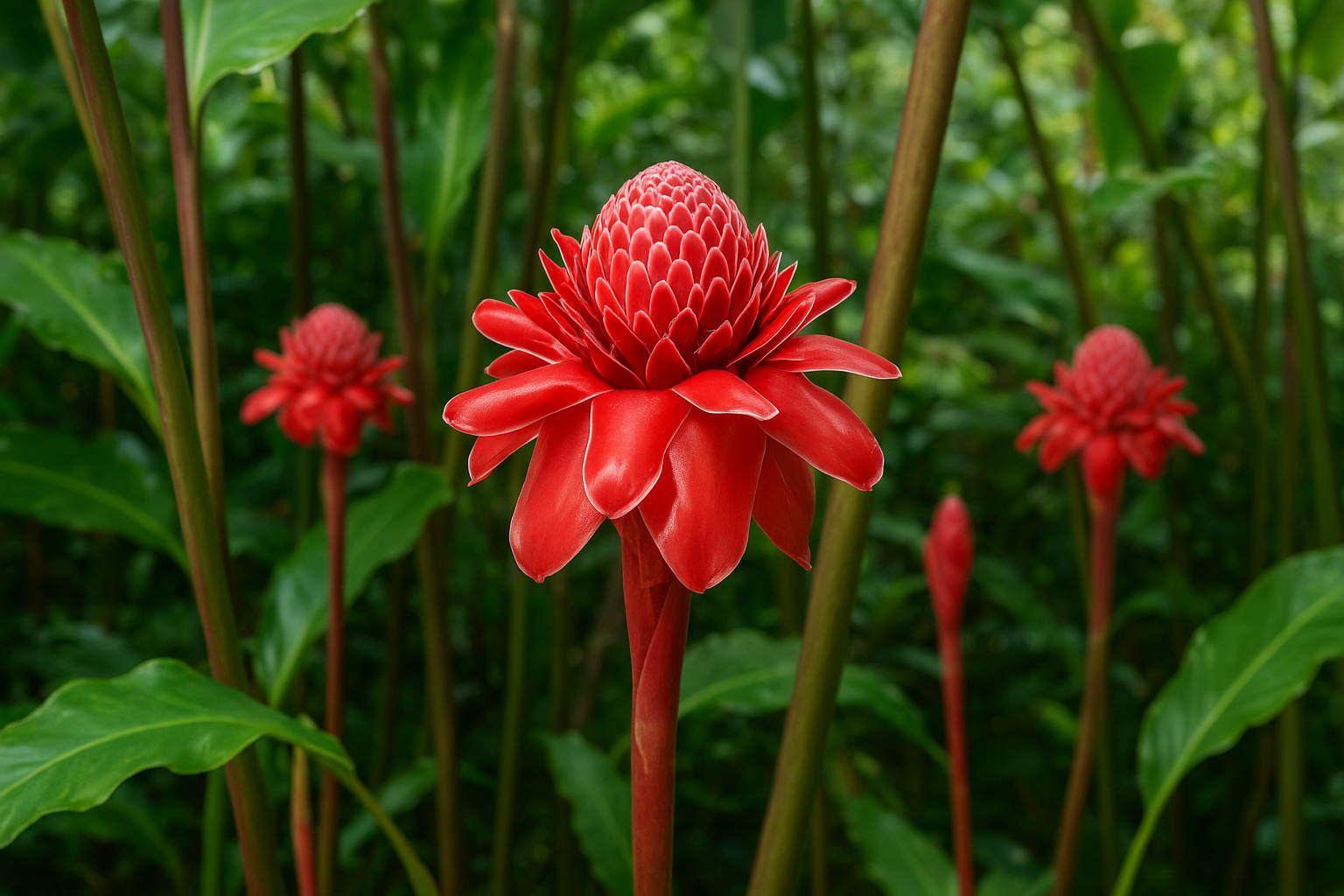
Why it thrives in Malaysia
Torch ginger is native to Southeast Asia, which means Malaysian heat, humidity, and rainfall match its natural growing conditions almost exactly. It stays in active growth year-round and produces new flower stalks consistently without requiring seasonal adjustments or special care.
Light, water, and soil needs
Plant torch ginger in partial shade or filtered light with protection from intense midday sun, which scorches its large paddle-shaped leaves. It needs rich, moisture-retentive soil with consistent watering, as it originates from humid forest environments where soil stays damp between rain events.
Amending your planting bed with compost before planting gives torch ginger the organic-rich base it needs to reach its full height.
Best uses around Malaysian homes
Torch ginger suits bold background plantings along garden perimeters, beside water features, or behind lower shrubs. Its height, which regularly reaches two to five meters, also makes it an effective natural screen along boundary fences without requiring any structural support.
Pruning, feeding, and flowering tips
Remove spent flower stalks and older leaves at the base to keep the clump clean and redirect energy toward new stems. Feed with a balanced slow-release fertilizer every six to eight weeks to sustain its vigorous upward growth.
Common problems and quick fixes
Root rot from waterlogged soil is the main risk to watch for, so improve drainage if water pools around the base after heavy rain. Sudden widespread yellowing across multiple leaves typically signals compacted soil or overwatering rather than a pest issue, so assess your drainage before making any other changes.
7. Bird of paradise
Bird of paradise (Strelitzia reginae) produces one of the most recognizable flowers in the tropical plant world, with bold orange and blue blooms that emerge above tall, upright foliage. It earns its place among tropical garden plants Malaysia homeowners rely on for long-lasting, low-maintenance visual impact.
Why it thrives in Malaysia
This plant originates from South Africa's warm coastal regions, where heat and bright sun define the growing conditions. Malaysia's year-round warmth and consistent daylight hours replicate those conditions closely enough that bird of paradise grows and flowers reliably without needing any seasonal adjustments.
Light, water, and soil needs
Bird of paradise needs full sun to reach its flowering potential, so position it where it receives at least six hours of direct light daily. Water it regularly during dry spells but allow the soil to partially dry out between sessions since it tolerates brief dry periods far better than waterlogged roots.
Planting in well-draining soil with added organic matter gives bird of paradise the balance of moisture retention and drainage it needs.
Best uses around Malaysian homes
Use it as a striking specimen plant near entrances, pool edges, or garden focal points where its upright structure and bold blooms create immediate visual interest. It also works well in container arrangements on paved terraces where it adds height without spreading aggressively.
Pruning, feeding, and flowering tips
Remove spent flower stalks and any dead leaves at the base to keep the plant clean and encourage new growth. Feed with a balanced fertilizer every two months to support steady flowering without pushing excessive leaf production.
Common problems and quick fixes
Root rot from poor drainage is the most common issue in Malaysian conditions. If leaves yellow and soften at the base, improve your drainage immediately. Scale insects occasionally appear on the stems, so wipe them off with a damp cloth and follow up with diluted neem oil spray.
8. Frangipani
Frangipani (Plumeria spp.) is one of the most recognizable and fragrant flowering trees available among tropical garden plants Malaysia homeowners plant near outdoor living areas. Its waxy, star-shaped flowers appear in white, yellow, pink, and red, and the intense fragrance makes it as much a sensory feature as a visual one.
Why it thrives in Malaysia
Frangipani originates from Central America and the Caribbean, where warm temperatures and seasonal dry periods define the climate. Malaysia's consistent heat suits it well, and the plant handles the wet season without issue as long as drainage at the roots stays adequate throughout the year.
Light, water, and soil needs
Plant frangipani in full sun for the strongest flower production. It tolerates dry spells better than most flowering trees and actually benefits from reduced watering between rain events. Use well-draining, sandy or loamy soil to keep the roots healthy and free of prolonged moisture.
Frangipani planted in heavy clay soil that retains moisture after rain will develop root rot faster than almost any other tree on this list.
Best uses around Malaysian homes
Use frangipani as a specimen tree near entrances, poolsides, or garden seating areas where its fragrance and falling blooms create atmosphere. Its naturally sculptural branch structure also provides shade and visual interest even during periods when it carries no flowers.
Pruning, feeding, and flowering tips
Prune lightly after each flowering cycle to shape the canopy and encourage fresh branching. Feed with a phosphorus-rich fertilizer every two months to push consistent bloom production without triggering excessive leafy growth at the expense of flowers.
Common problems and quick fixes
Frangipani rust, a fungal disease that shows up as orange powdery spots on leaf undersides, is the most common issue in Malaysia's humid conditions. Remove affected leaves promptly and apply a copper-based fungicide to slow its spread before it moves to healthy stems.
9. Areca palm
Areca palm (Dypsis lutescens) is one of the most widely planted palms among tropical garden plants Malaysia homeowners choose for both outdoor gardens and covered outdoor areas. Its feathery, arching fronds and neat clumping habit give any garden a clean, resort-style look without demanding intensive maintenance.
Why it thrives in Malaysia
Malaysia's warm temperatures and high humidity match the areca palm's native tropical habitat almost exactly. This palm stays in active growth year-round, producing new fronds consistently in the conditions that define Malaysian gardens.
Light, water, and soil needs
Areca palm performs best in bright filtered light or partial shade, though it tolerates full sun once established. Water it regularly to keep soil consistently moist but ensure free drainage, since standing water around the roots causes rapid decline.
Well-draining, organically rich soil with a slightly acidic pH between 6.0 and 6.5 gives areca palm the best foundation for steady frond production.
Best uses around Malaysian homes
Plant areca palm as a natural screen along fences or boundary walls, or group it near pool edges and garden terraces for a lush, layered effect. Its soft, non-invasive root system also makes it safe to position close to paved surfaces and structures.
Pruning, feeding, and shaping tips
Remove yellowed or brown fronds by cutting cleanly at the base to keep the clump tidy. Feed with a slow-release palm fertilizer every three months to sustain healthy frond color and steady upward growth.
Common problems and quick fixes
Spider mites and scale insects appear most often during dry spells between rain. Treat both with diluted neem oil applied directly to affected fronds. Widespread yellowing across the clump typically signals a magnesium or potassium deficiency, which a palm-specific fertilizer corrects within a few weeks.
10. Lady palm
Lady palm (Rhapis excelsa) stands apart from most palms in Malaysian gardens because of its compact, multi-stem habit and slow, predictable growth. Where areca palm creates volume and height, lady palm brings refined, low-maintenance structure to shaded garden areas and covered outdoor spaces that many other tropical garden plants Malaysia growers choose for bright spots simply cannot tolerate.
Why it thrives in Malaysia
Malaysia's consistent warmth and humidity suit lady palm's native forest understory origins, where it grows beneath larger trees in conditions of filtered light and high moisture. It stays in active growth year-round in Malaysian conditions without needing dry-season dormancy or temperature changes to trigger new frond development.
Light, water, and soil needs
Lady palm performs best in partial to full shade, making it one of the few palms you can place in spots that receive little to no direct sun. Water it regularly to keep soil evenly moist but never waterlogged, and use well-draining, organically rich soil to support healthy frond development throughout the year.
Lady palm planted in full sun without gradual acclimatization will develop bleached, scorched fronds within weeks.
Best uses around Malaysian homes
Position lady palm along shaded boundary walls, under building overhangs, or beside covered terraces where lower light levels limit your planting options. Its clean, fan-shaped fronds also make it an effective privacy screen in narrow garden beds where larger palms would overcrowd the space.
Pruning, feeding, and shaping tips
Remove brown or damaged fronds at the base to keep the plant tidy and encourage the clump to push new stems. Feed with a balanced slow-release fertilizer every three months to sustain consistent frond production and healthy color.
Common problems and quick fixes
Spider mites are the most frequent pest issue on lady palm, appearing mainly during dry periods between rain events. Treat them with diluted neem oil spray applied directly to the underside of affected fronds. Persistent yellowing across multiple stems typically signals overwatering or compacted soil rather than a nutrient deficiency, so check your drainage before adjusting your feeding routine.
11. Ti plant
Ti plant (Cordyline fruticosa) brings consistent foliage color to Malaysian gardens without depending on flowers to make an impact. Its broad, lance-shaped leaves in red, purple, pink, and green combinations make it one of the most visually reliable tropical garden plants Malaysia homeowners use for year-round color across beds and borders.
Why it thrives in Malaysia
Ti plant originates from tropical Southeast Asia and the Pacific Islands, so Malaysia's heat and humidity align closely with its natural habitat. It stays in active growth year-round, producing new leaves continuously without requiring any seasonal adjustment to maintain its color intensity.
Light, water, and soil needs
Plant ti plant in bright filtered light or partial shade for the richest leaf color. Full direct sun causes bleaching and tip scorch, while deep shade dulls the contrast between color bands on variegated varieties. Use well-draining, slightly acidic soil and water regularly to keep the root zone moist between rain events.
Consistently moist but free-draining soil keeps ti plant's leaf color vivid and prevents base rot during heavy monsoon periods.
Best uses around Malaysian homes
Ti plant suits border accents, container specimens, and mid-layer plantings between taller background shrubs and low ground covers. Its upright form and bold leaf color make it especially effective near entrances or along pathways where you want consistent eye-level color.
Pruning, feeding, and color tips
Remove older lower leaves as they yellow to keep the plant tidy and direct energy into fresh crown growth. Feed with a balanced slow-release fertilizer every two months to sustain healthy color intensity throughout the year.
Common problems and quick fixes
Leaf tip burn is the most common issue, triggered by dry soil or high fluoride levels in tap water. Let tap water sit overnight before watering to lower fluoride exposure. Root rot from waterlogged soil is less frequent but correctable by improving drainage with added organic matter before replanting.
12. Croton
Croton (Codiaeum variegatum) earns its place among the most colorful foliage plants available to Malaysian gardeners. Its broad, leathery leaves appear in combinations of yellow, orange, red, green, and purple depending on the variety, delivering year-round color without relying on flowers at all.
Why it thrives in Malaysia
This plant originates from tropical Asia and the Pacific Islands, which means Malaysia's warm temperatures and high humidity match its native conditions almost exactly. It stays in active growth year-round, pushing out new leaves continuously as long as it receives consistent light and moisture.
Light, water, and soil needs
Croton needs bright light to maintain its leaf color intensity, as low light causes the bold pigmentation to fade toward plain green. Water it regularly to keep the soil consistently moist but never waterlogged, using well-draining, organically rich soil that retains moisture between rain events.
The more direct sun croton receives, the more vibrant and saturated its leaf colors become.
Best uses around Malaysian homes
Place croton as a bold border accent or container specimen near your garden entrances, pathways, or outdoor seating areas. Its dense, upright habit and intense foliage color make it one of the most visually reliable tropical garden plants Malaysia homeowners use for consistent year-round impact without depending on seasonal blooms.
Pruning, feeding, and color tips
Pinch back growing tips regularly to encourage bushier growth and denser foliage. Feed with a balanced slow-release fertilizer every two months to sustain color intensity and steady leaf production throughout the year.
Common problems and quick fixes
Spider mites and mealybugs are the most frequent pests on croton, appearing mainly during dry periods between rain events. Treat both with diluted neem oil spray applied to affected stems and leaf undersides. Sudden leaf drop typically follows relocation or temperature shock, so avoid moving your established plants unnecessarily once they have settled into a spot.
13. Bird's nest fern
Bird's nest fern (Asplenium nidus) is one of the most adaptable shade-tolerant plants available among tropical garden plants Malaysia gardeners can use in low-light spots. Its large, glossy, strap-like fronds spread outward in a circular rosette pattern, filling shaded corners with clean, lush green foliage that stays consistent year-round.
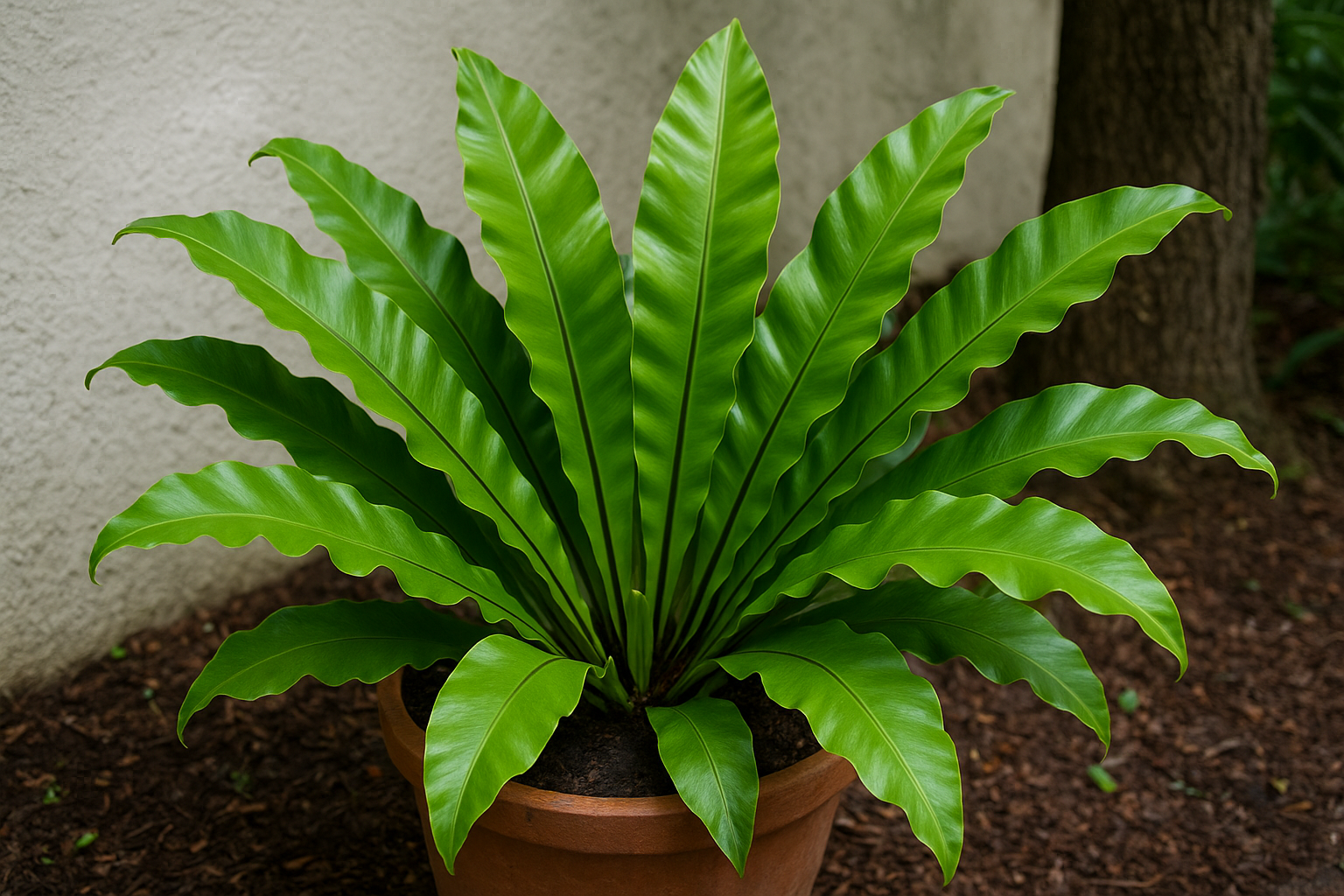
Why it thrives in Malaysia
This fern grows naturally in Malaysia's forest canopy, where it anchors itself to tree trunks and branches in warm, humid conditions. Malaysia's year-round humidity and warmth match its native habitat so closely that it stays in active, continuous growth without any seasonal adjustments on your part.
Light, water, and soil needs
Bird's nest fern needs bright indirect light or partial shade to perform well. Direct sun bleaches and scorches its fronds quickly, so keep it away from exposed south-facing spots. Water it regularly, aiming to keep the soil consistently moist, and use a loose, well-draining mix rich in organic matter.
Watering directly into the central rosette causes rot at the crown, so always water around the base of the plant instead.
Best uses around Malaysian homes
Position bird's nest fern along shaded garden walls, under large trees, or in covered outdoor spaces where other plants struggle with low light. It also works as an epiphytic feature mounted on timber or stone to create a textured, natural-looking garden wall display.
Care tips for lush, clean fronds
Wipe dust and debris from the fronds with a damp cloth every few weeks to keep them glossy and unobstructed. Feed with a balanced liquid fertilizer diluted to half strength every four to six weeks during the active growing period to support steady frond development.
Common problems and quick fixes
Scale insects and slugs are the most frequent issues to watch for, especially in humid, shaded planting beds. Remove scale by wiping with a cloth dampened in diluted neem oil. Brown, crispy frond edges almost always signal low humidity or direct sun exposure, so relocate the plant or mist the surrounding area more regularly if this appears.
14. Monstera
Monstera (Monstera deliciosa) has become one of the most recognizable foliage plants across both indoor and outdoor tropical gardens, and its bold, perforated leaves make it a strong structural choice for layered garden planting in Malaysian conditions. It delivers dramatic impact without demanding the kind of intensive care that other large-leaved plants require.
Why it thrives in Malaysia
Monstera originates from tropical Central and South America, where warm temperatures, high humidity, and filtered forest light define the growing environment. Malaysia's year-round heat and humidity mirror those native conditions closely, so the plant stays in active, continuous growth without any seasonal adjustment on your part.
Light, water, and soil needs
Position monstera in bright indirect light or partial shade to encourage the large, fenestrated leaf development it's known for. Direct sun causes bleaching and brown scorch patches across the leaf surface. Water regularly to keep the soil consistently moist but well-draining, using a rich organic mix that holds moisture without becoming compacted.
Leaves that develop without their characteristic splits usually signal insufficient light rather than a watering or nutrient problem.
Best uses around Malaysian homes
Monstera suits shaded garden beds, covered terraces, and courtyard corners where its leaf size and texture create an immediate visual statement. It's one of the most effective tropical garden plants Malaysia homeowners place as a backdrop behind lower accent plants for layered depth.
Training, pruning, and support tips
Install a moss pole or timber stake early to encourage upright growth and larger leaf development. Remove older yellowed leaves at the base regularly to keep the plant tidy and direct energy toward the upper canopy.
Common problems and quick fixes
Root rot from waterlogged soil is the most common issue in Malaysia's heavy rainfall periods, so improve drainage immediately if water pools around the base. Yellow leaves across multiple stems usually point to overwatering rather than nutrient deficiency, so assess your drainage before adjusting your feeding routine.
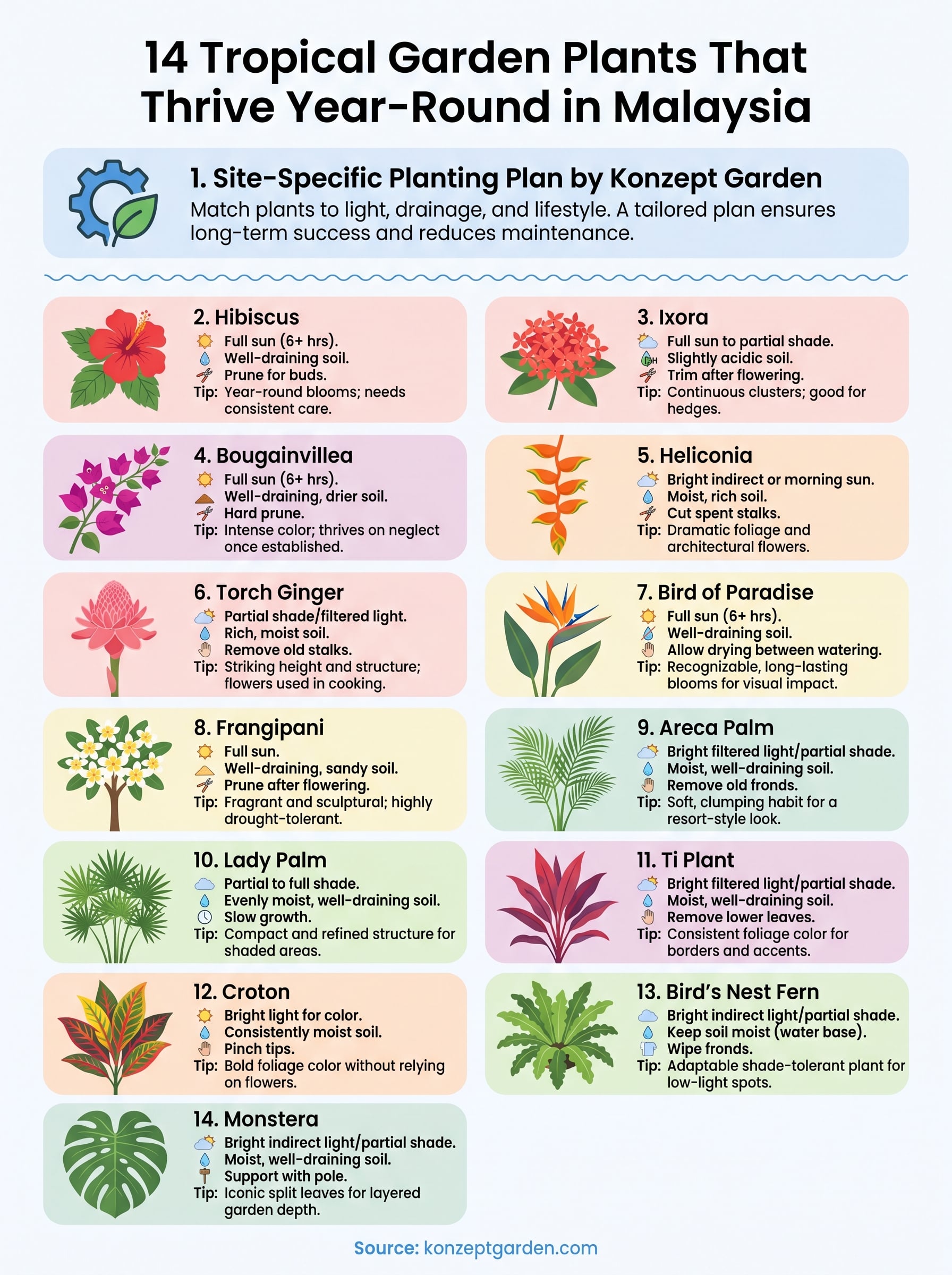
Quick recap and next step
The 14 tropical garden plants Malaysia conditions genuinely support come down to one shared principle: match each plant to the specific light, drainage, and maintenance level your site can actually provide. Hibiscus and bougainvillea deliver reliable flowering in full sun, while lady palm and bird's nest fern fill shaded gaps that most plants struggle to occupy. Foliage plants like croton, ti plant, and monstera hold color and structure year-round without depending on seasonal blooms to stay visually interesting.
Picking the right species is only the first part. Combining them into a planting scheme that works across your entire garden is where most homeowners benefit most from professional input. Konzept Garden's botanist consultants assess your site conditions and build a plant palette tailored specifically to your space, so every selection earns its place before you spend a single ringgit at the nursery. Request a free consultation with our team to get started.