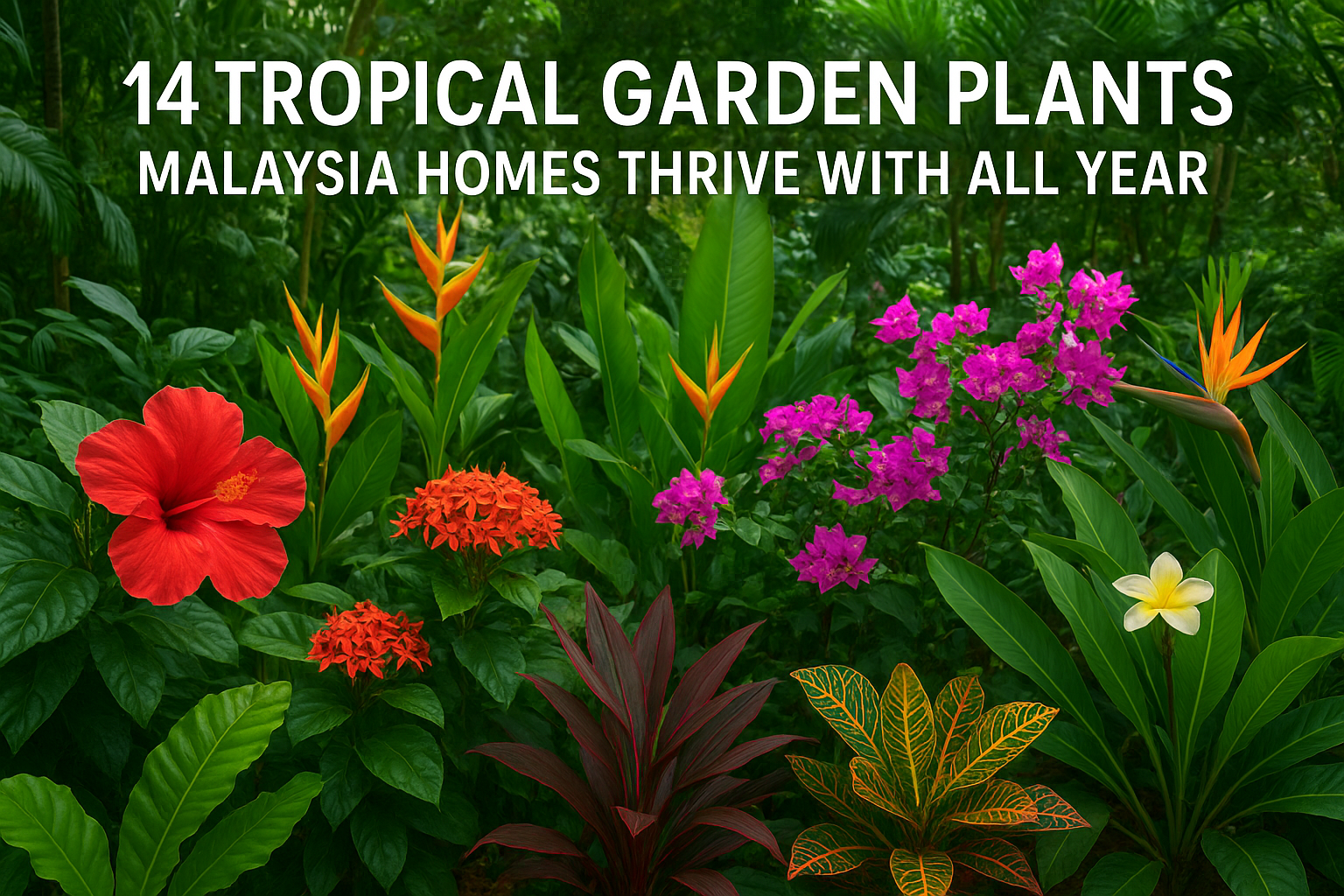

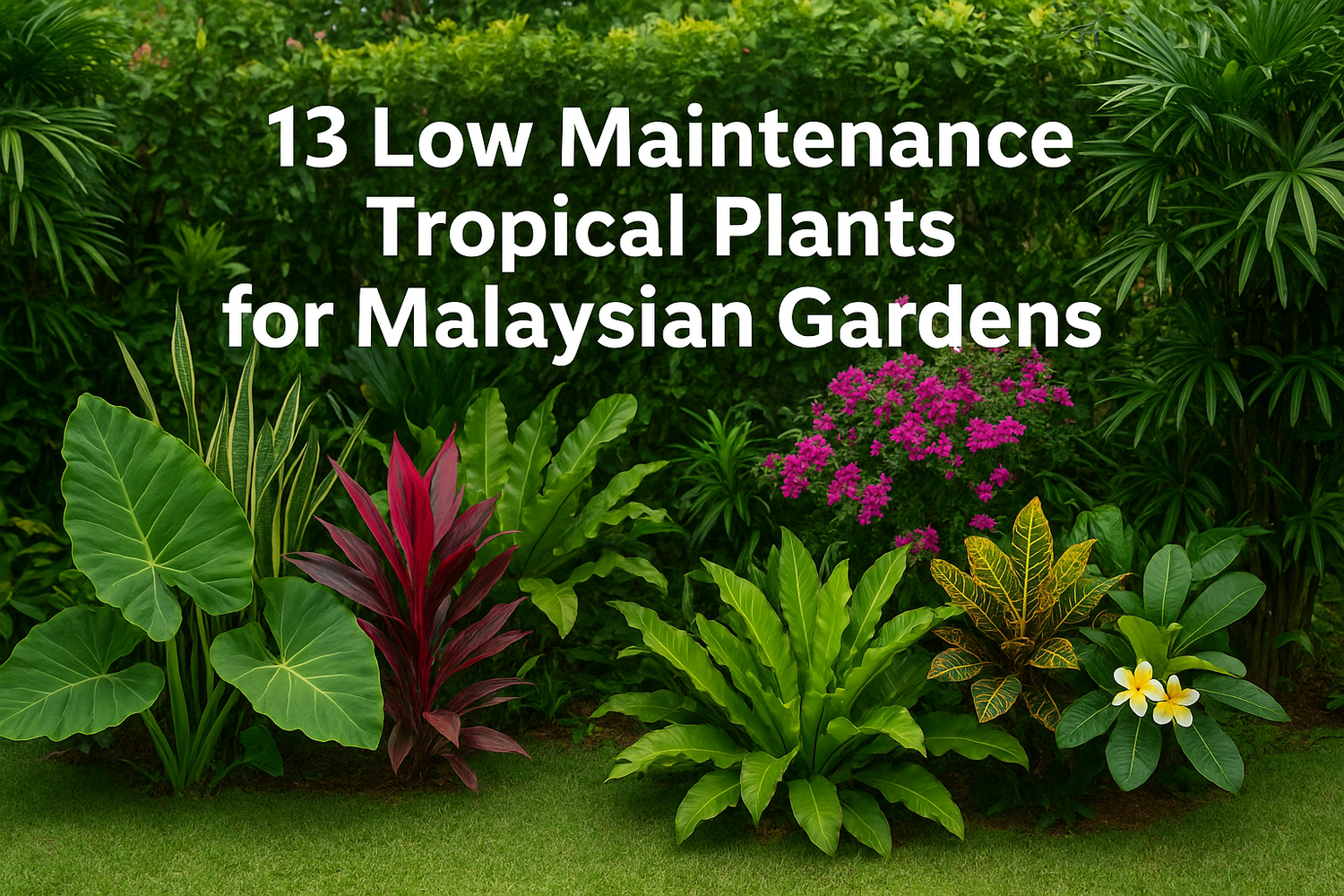
Not every garden needs to demand hours of your weekend. In Malaysia's tropical climate, with its year-round warmth, high humidity, and generous rainfall, low maintenance tropical plants aren't just a nice option. They're a smart one. The right species will thrive with minimal fussing, giving you a lush, full garden without the constant upkeep that burns out most homeowners.
The trick is knowing which plants actually deliver on that promise. Some species marketed as "easy care" still need regular pruning, specific soil mixes, or careful sun management. Others practically take care of themselves once established, growing thick, staying green, and shrugging off Malaysia's intense afternoon downpours. That's the kind of plant list worth having.
At Konzept Garden, we've installed and specified hundreds of plant varieties across residential and commercial landscapes throughout Malaysia. This list draws from that hands-on experience, plants we've seen perform well in real gardens, not just in nursery conditions. Below, you'll find 13 species that look great, stay healthy, and won't have you reaching for the pruning shears every other week.
1. Snake plant
The snake plant (Sansevieria trifasciata, now reclassified as Dracaena trifasciata) earns its place on any list of low maintenance tropical plants. It survives neglect, handles humidity, and looks sharp doing it. Whether you're filling a shaded corner of your garden or adding structure to a covered porch, this plant rarely disappoints.
What it looks like and why it fits tropical styles
Snake plants grow tall, upright leaves with sharp edges and distinctive horizontal banding, typically in deep green with lighter green or yellow margins. The stiff, vertical profile gives any outdoor space a clean, architectural feel that complements timber decking, concrete finishes, and the kind of modern tropical aesthetic common in Malaysian residential properties.
Common varieties you'll find at Malaysian nurseries include:
- Sansevieria trifasciata 'Laurentii' - yellow-edged, tall, very common
- Sansevieria trifasciata 'Moonshine' - pale silver-green leaves, compact
- Sansevieria cylindrica - rounded leaves, more sculptural form
Where it grows best in Malaysia
This plant handles both indoor and sheltered outdoor positions well, which gives you real flexibility across different parts of your property. A covered porch, shaded side garden, or spot under a large tree canopy all work. Direct midday sun in Malaysia is harsh enough to scorch the leaves, so keep it out of fully exposed, open positions.
Potted snake plants also do well on balconies or beside entryways, as long as they get some indirect natural light during the day and aren't sitting in standing water after rain.
Care basics for busy homeowners
Water your snake plant once a week during dry spells and dial that back to once every two weeks during wetter months. These plants tolerate being slightly underwatered far better than being overwatered, which makes them ideal if your schedule is unpredictable. Use a well-draining potting mix in containers and avoid letting water pool at the base of the plant.
Overwatering is the most common reason snake plants fail. If leaves start softening or yellowing from the base, cut back on watering straight away.
Problems you can avoid early
Root rot is the main threat, and good drainage in your containers or garden beds prevents most of it. Spider mites can appear in dry, dusty conditions, particularly indoors. Wipe down the leaves with a damp cloth every few weeks when you water to keep them clean and reduce pest buildup before it gets out of hand.
2. Philodendron Xanadu
Philodendron Xanadu (Thaumatophyllum xanadu) is one of the most reliable low maintenance tropical plants you can add to a Malaysian garden. It has a full, structured look without the bulk of larger philodendron species, making it easier to work into both garden beds and container arrangements.
What it looks like and why it fits tropical styles
The Xanadu produces deeply lobed, glossy green leaves that fan out in a dense, mounding shape. Each leaf has a sculpted quality that reads as lush and intentional, which is exactly the kind of natural texture that works well in resort-style and tropical garden designs. The compact form, typically staying under one meter tall, keeps it useful in tighter spaces without dominating the surrounding planting.
Where it grows best in Malaysia
This plant performs best in partial shade to filtered light, which means a spot under a canopy tree, beside a garden wall, or beneath a pergola suits it well. Full midday sun will bleach the leaves, so position it where it gets morning light and afternoon protection from direct rays.
Xanadu planted in dappled shade tends to produce darker, more saturated leaf color than plants sitting in brighter, more exposed spots.
Care basics for busy homeowners
Water your Xanadu two to three times a week during dry periods, reducing frequency during heavy rain months. A loose, organic-rich soil that drains freely keeps the roots healthy without much extra work from you.
Problems you can avoid early
Yellow leaves usually signal overwatering or poor drainage, not disease. Scale insects occasionally appear on the undersides of leaves, so check the leaf backs monthly and wipe them off with diluted soapy water before the infestation spreads.
3. Bird's nest fern
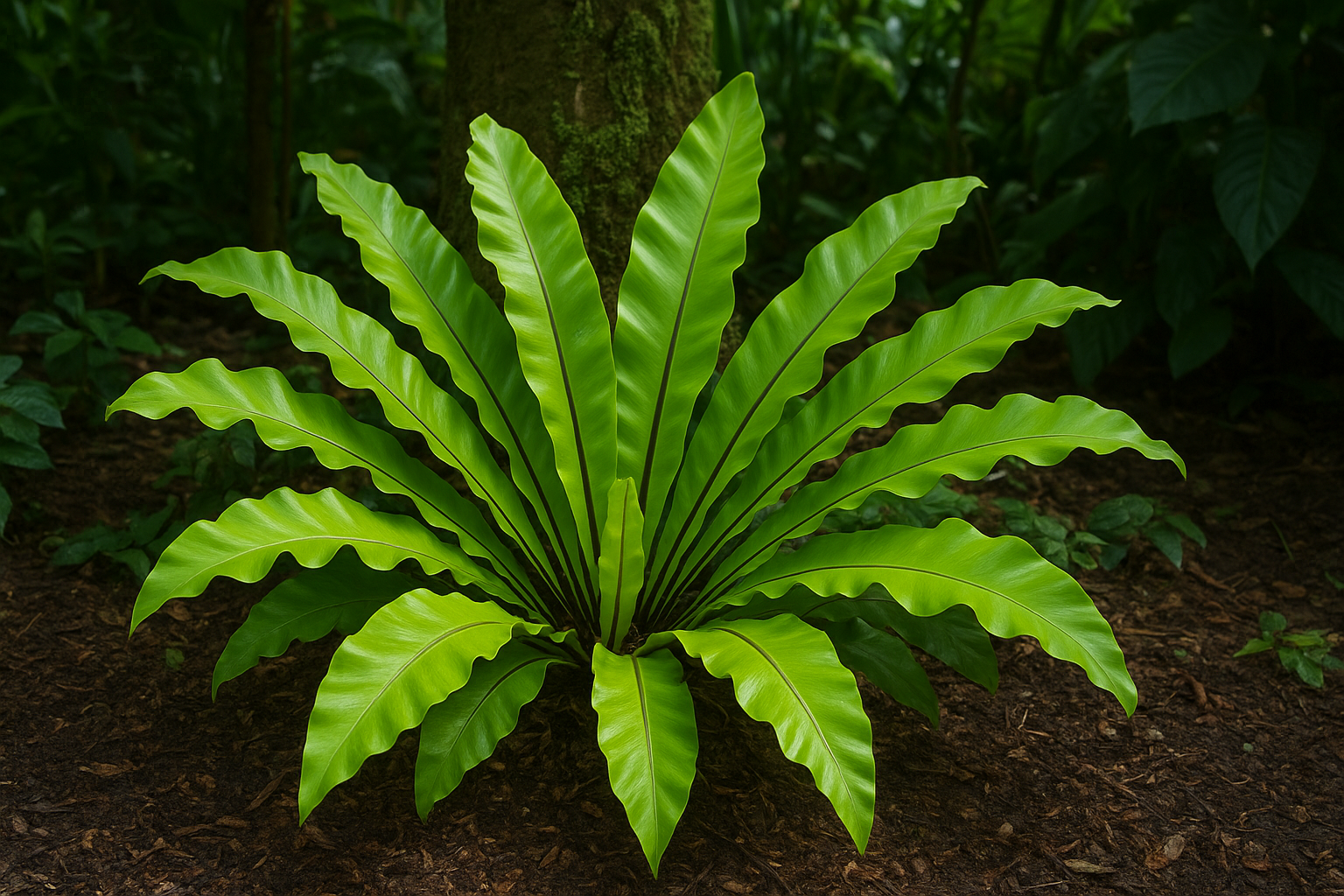
Bird's nest fern (Asplenium nidus) is one of the most forgiving low maintenance tropical plants you can put in a shaded Malaysian garden. Its natural habitat is tropical forest floors and tree trunks, which means Malaysia's humidity and filtered light conditions are basically perfect for it without any special intervention on your part.
What it looks like and why it fits tropical styles
The bird's nest fern grows large, undivided, bright green fronds that spread outward from a central rosette, resembling an open nest. That layered, fan-shaped structure adds soft organic texture to garden corners and shaded beds, giving your outdoor space a lush, finished look without demanding pruning or shaping.
Where it grows best in Malaysia
Position this fern in deep to partial shade, away from direct afternoon sun, which will scorch and crisp the frond edges quickly. A sheltered spot beside a boundary wall, underneath a large canopy tree, or in a north-facing garden bed works well year-round.
Bird's nest ferns mounted on tree trunks in Malaysian gardens tend to grow faster and produce wider fronds than those planted in pots on the ground.
Care basics for busy homeowners
Water the outer soil or growing medium rather than pouring water directly into the central rosette, which traps moisture and causes rot. During dry months, water your fern two to three times per week and reduce that frequency naturally as the rainy season picks up.
Problems you can avoid early
Scale insects and mealybugs are the main pests to watch for, typically clustering along frond undersides. Catch them early by checking the plant monthly and wiping affected areas with diluted neem oil before numbers build up.
4. Areca palm
Areca palm (Dypsis lutescens) is one of the most widely planted low maintenance tropical plants in Malaysian residential and commercial landscapes. It delivers height, density, and movement with very little ongoing work from you once it establishes in your garden.
What it looks like and why it fits tropical styles
The areca palm grows in dense, multi-stemmed clumps with arching, feathery fronds that typically reach two to three meters in a garden setting. The golden-yellow cane stems give the plant its other common name, the golden cane palm, and they add warm color contrast against green foliage even on overcast days.
That upright, layered structure works naturally along boundary lines where you want both height and privacy without installing a solid wall or fence.
Where it grows best in Malaysia
Areca palms thrive in full sun to partial shade across most parts of Malaysia. Open garden beds give the roots the most room to spread, but larger containers with good drainage work fine too. Make sure the spot you choose gets at least four hours of direct light daily for the densest frond growth.
Areca palms planted in groups of three create a natural screen that fills in quickly without needing additional structural support.
Care basics for busy homeowners
Water your areca palm two to three times per week during dry spells and let natural rainfall carry it through the wet season. A slow-release fertilizer applied twice a year keeps the fronds green and growth consistent without demanding regular attention from you.
Problems you can avoid early
Spider mites and scale insects are the main pests, particularly during dry periods when stressed plants become more vulnerable. Rinse the fronds with water during your regular watering routine and remove yellowing lower fronds at the base promptly to keep the plant tidy and reduce pest habitat before problems escalate.
5. Lady palm
Lady palm (Rhapis excelsa) is one of the most adaptable low maintenance tropical plants available to Malaysian homeowners. Its slow growth rate and compact form make it easy to manage in both garden beds and large containers, and it stays looking tidy with very little work on your part.
What it looks like and why it fits tropical styles
Lady palm grows as a dense, multi-stemmed shrub with fan-shaped, deeply divided leaves that radiate from slender cane stems wrapped in coarse, fibrous sheaths. The plant rarely exceeds two meters in a garden setting, which keeps it proportional to smaller outdoor spaces. That structured, layered silhouette fits naturally into contemporary tropical and Balinese-style gardens where clean geometry and lush foliage work together.
Where it grows best in Malaysia
This palm handles low light conditions better than most other palms, making it useful in shaded corners, covered courtyards, and spots beside boundary walls where other species struggle. Morning light with afternoon shade gives you the healthiest growth, though it will also manage in bright indirect light throughout the day without issue.
Lady palms grown in containers placed near building entrances tend to stay compact and symmetrical without needing regular shaping.
Care basics for busy homeowners
Water your lady palm two to three times per week during dry periods, and ease off during the monsoon months when rainfall does most of the work for you. A balanced, slow-release fertilizer once every six months keeps the foliage dark and growth steady.
Problems you can avoid early
Spider mites and scale insects are the main threats, particularly when the plant sits in a dry, sheltered spot with limited air movement. Check the undersides of the leaves monthly and rinse them off with water before any infestation takes hold.
6. Ti plant
Ti plant (Cordyline fruticosa) brings rich foliage color to Malaysian gardens in a way that few other low maintenance tropical plants can match. Its striking leaf tones range from deep burgundy and purple to bright red and pink, giving you strong visual contrast without relying on flowers to carry the display.
What it looks like and why it fits tropical styles
The ti plant grows upright with lance-shaped leaves that spiral around a central stem in a loose rosette pattern. Leaf color varies by variety, but the most popular choices in Malaysian gardens produce deep red, maroon, or multicolored foliage that stays vibrant year-round. That bold coloring makes it a natural fit for tropical accent planting alongside green-leafed companions like philodendron or bird's nest fern, where it provides visual contrast through color rather than form.
Where it grows best in Malaysia
Position your ti plant in full sun to partial shade for the strongest leaf color. Plants in brighter spots tend to show more intense color saturation, while those in heavy shade often revert toward greener tones. A garden bed with well-draining soil and some morning sun suits it well across most parts of Malaysia.
Ti plants placed in full sun positions in Malaysian gardens tend to produce the most vivid leaf color throughout the year.
Care basics for busy homeowners
Water your ti plant two to three times per week during dry months and reduce that naturally as rainfall increases. A slow-release fertilizer applied every six months keeps the foliage colors intense without demanding much from you between applications.
Problems you can avoid early
Fluoride toxicity causes brown leaf tips and is common when tap water is used heavily on this species. Using collected rainwater when possible, or flushing the soil periodically with heavy watering to dilute salt and fluoride buildup, keeps this problem from developing over time.
7. Heliconia
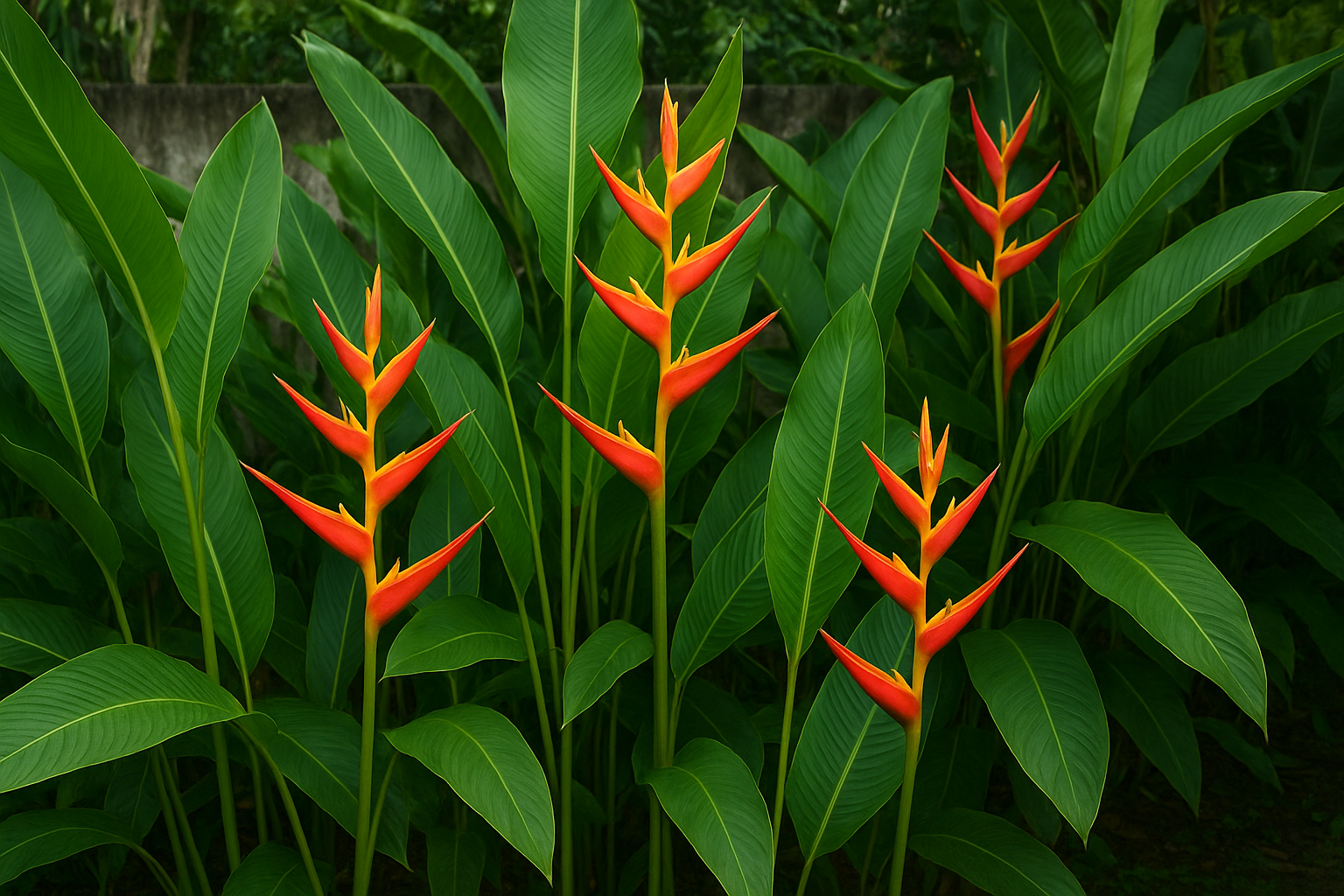
Heliconia (Heliconia spp.) is one of the most visually striking low maintenance tropical plants you can add to a Malaysian garden. Once established, it grows aggressively and produces bold, colorful flower bracts with minimal input from you beyond basic watering and occasional fertilizing.
What it looks like and why it fits tropical styles
Heliconia produces large, paddle-shaped leaves similar to banana plants, paired with dramatic flower bracts in shades of red, orange, yellow, and pink that emerge on tall upright stems. That combination of bold foliage and intense color creates an unmistakably tropical atmosphere that works well along garden boundaries, beside water features, or as a focal point in open beds.
Heliconia planted near a garden wall or fence will spread outward naturally, filling gaps and creating a dense, layered backdrop without additional planting.
Where it grows best in Malaysia
Plant your heliconia in a full sun to partial shade position with deep, rich soil that retains some moisture between watering sessions. Open garden beds with good air circulation produce the tallest stems and most frequent flowering, which is what you want from this species throughout the year.
Care basics for busy homeowners
Water your heliconia two to three times per week during dry months and let natural rainfall handle the wet season. A balanced fertilizer applied every three to four months encourages consistent new stem growth and keeps the bracts producing reliably.
Problems you can avoid early
Remove spent flower stems at the base once bracts fade to encourage fresh growth. Grasshoppers and caterpillars occasionally chew the leaf edges, so inspect the foliage monthly and remove them by hand before damage becomes widespread.
8. Bougainvillea
Bougainvillea (Bougainvillea spp.) is one of the most rewarding low maintenance tropical plants you can grow in Malaysia. Once it establishes, it produces vivid, long-lasting color with very little regular care beyond basic watering and occasional feeding.
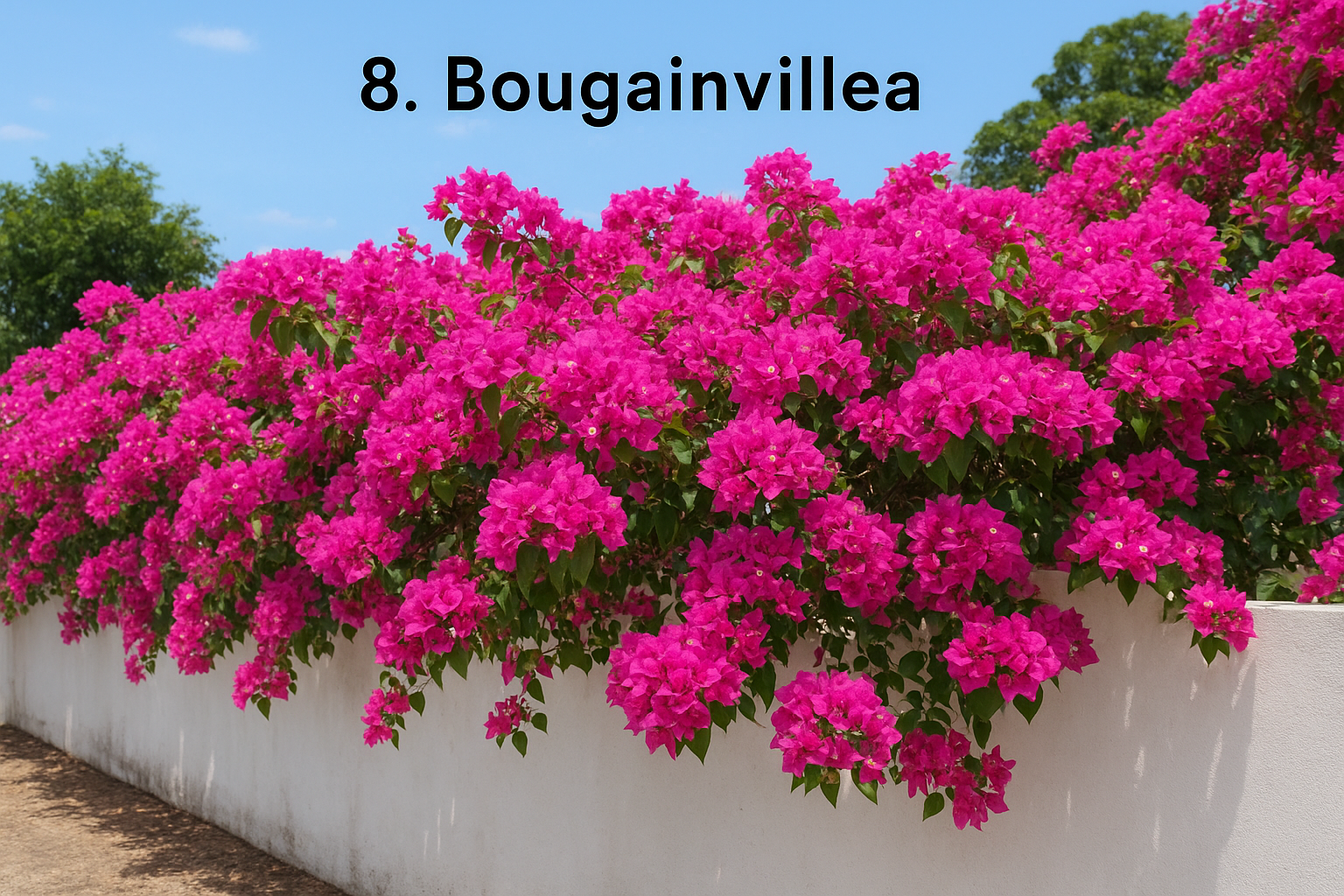
What it looks like and why it fits tropical styles
Bougainvillea's display comes from papery bracts, not true flowers, in shades of magenta, purple, orange, red, and white that cluster densely along the stems. The plant grows as a vigorous scrambling vine or shrub, depending on how you train it, making it versatile as a wall climber, fence covering, or standalone garden accent that delivers strong color year-round.
Bougainvillea trained along a boundary wall fills in within one growing season and provides a natural color barrier that needs no additional planting behind it.
Where it grows best in Malaysia
Plant bougainvillea in a full sun position that gets at least six hours of direct light daily. Reduced sunlight cuts flowering significantly, so avoid shaded spots near tall structures or dense canopy trees. A well-draining garden bed or large container with gritty soil suits it well across Malaysia's climate zones.
Care basics for busy homeowners
Water your bougainvillea once or twice per week during dry spells. Deliberately allowing the soil to dry slightly between watering sessions actually encourages heavier flowering, so resist the urge to water too frequently.
Problems you can avoid early
Aphids and caterpillars occasionally target new growth. Check the fresh stem tips monthly and remove pests by hand or rinse them off with water before they spread to established stems.
9. Tropical hibiscus
Tropical hibiscus (Hibiscus rosa-sinensis) delivers large, vivid flowers in red, orange, yellow, pink, and white throughout the year, making it one of the most color-productive low maintenance tropical plants you can grow in a Malaysian garden. The plant establishes quickly, handles Malaysia's humidity well, and keeps flowering with minimal intervention once you get the basics right.
What it looks like and why it fits tropical styles
Tropical hibiscus grows as a dense, upright shrub reaching one to three meters tall, with glossy dark green leaves and flowers that can span up to 15 centimeters across. The bold, trumpet-shaped blooms in intense tropical colors make it a natural centerpiece for garden beds, poolside planting, or along boundary fences where you want reliable, ongoing color rather than a single seasonal flush.
Where it grows best in Malaysia
Plant your tropical hibiscus in a full sun position that receives at least six hours of direct light daily. Open garden beds with well-draining soil produce the most consistent flowering across all of Malaysia's climate zones. Avoid planting it in spots where roof runoff or poor drainage causes prolonged waterlogging after heavy rain.
Hibiscus planted along a south or west-facing boundary gets the strongest afternoon sun exposure, which translates directly into heavier and more frequent blooms.
Care basics for busy homeowners
Water your tropical hibiscus two to three times per week during dry months, and apply a phosphorus-rich fertilizer every two months to support continuous flowering without pushing excessive leafy growth.
Problems you can avoid early
Aphids and whiteflies are the most common pests, clustering on new growth and flower buds. Check the fresh stem tips weekly and rinse them off with water before populations establish on the plant.
10. Canna lily
Canna lily (Canna spp.) adds bold, vertical drama to Malaysian gardens with a combination of large tropical foliage and vivid flower spikes that keep producing throughout the year. It's one of the most straightforward low maintenance tropical plants you can establish in a sunny bed, growing quickly and rewarding you with consistent color without demanding much in return.
What it looks like and why it fits tropical styles
Canna lily grows from underground rhizomes producing broad, paddle-shaped leaves in green, bronze, or burgundy, topped by tall stems carrying dense flower spikes in red, orange, yellow, or pink. That upright profile and bold leaf texture give any garden bed an instant tropical identity, working well beside water features, along pathways, or massed together in open planting areas where you want strong visual impact without relying on elaborate arrangements.
Where it grows best in Malaysia
Plant your canna lily in a full sun position with rich, moisture-retentive soil that still drains freely after heavy rain. Open garden beds that receive at least six hours of direct sunlight daily produce the tallest stems and the most consistent flowering cycle throughout Malaysia's year-round growing season.
Canna lilies planted in groups of five or more create a dense, self-supporting block of color that fills a garden bed quickly without staking or structural support.
Care basics for busy homeowners
Water your canna lily three times per week during dry months and apply a balanced fertilizer every two months to keep the flower spikes producing reliably without requiring constant attention from you between feeding sessions.
Problems you can avoid early
Canna leaf rollers are caterpillars that curl inside new leaves and feed from within. Check unrolling leaves weekly and remove affected growth promptly to stop the damage spreading across the plant before it disrupts flowering.
11. Croton
Croton (Codiaeum variegatum) is one of the most color-rich low maintenance tropical plants you can add to a Malaysian garden. Its multicolored foliage in combinations of red, orange, yellow, green, and purple delivers constant visual interest throughout the year without depending on flowers to carry the display.
What it looks like and why it fits tropical styles
This plant grows as a dense, upright shrub reaching one to two meters tall, with thick, glossy leaves carrying bold color patterns across each individual leaf. Leaf shapes vary across cultivars, from broad and oval to narrow and twisted, giving you real flexibility when matching it to your garden's overall composition.
The intense, year-round color makes croton a strong choice for accent planting, garden borders, and poolside beds where you want consistent visual impact without relying on seasonal flowering cycles to deliver it.
Where it grows best in Malaysia
Plant your croton in a full sun to partial shade position with well-draining soil. Brighter sun positions produce the most intense leaf coloring, while plants in heavier shade tend to develop greener, less saturated foliage over time.
Croton planted along a sunny boundary fence develops its richest color saturation and fullest shape within a single growing season.
Care basics for busy homeowners
Water your croton two to three times per week during dry months. Apply a balanced slow-release fertilizer every three months to maintain vivid foliage color between watering sessions without demanding regular monitoring from you.
Problems you can avoid early
Spider mites and mealybugs are the main pests, clustering on leaf undersides during hot, dry periods. Check the undersides of leaves monthly and rinse them off with water before infestations spread across the plant and become harder to manage.
12. Elephant ear
Elephant ear (Colocasia esculenta or Alocasia spp.) makes an immediate visual statement in any garden with its oversized, dramatic foliage that few other low maintenance tropical plants can match. The plant establishes quickly in Malaysia's warm, humid conditions and grows into a bold, full presence that anchors garden beds without demanding constant attention from you.
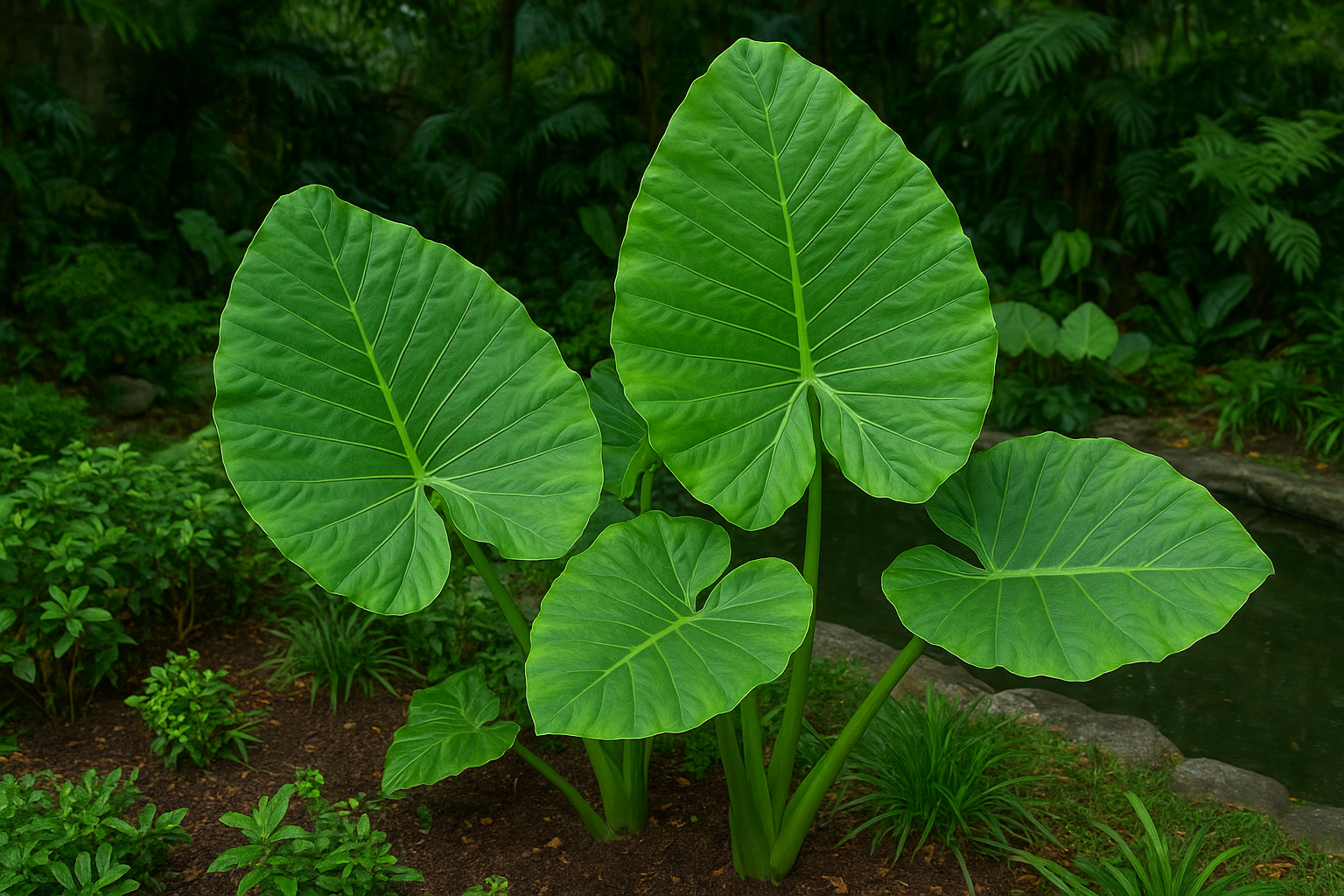
What it looks like and why it fits tropical styles
Elephant ear produces enormous heart-shaped or arrow-shaped leaves that can span 60 centimeters or more across, growing on thick stems from a central base. The broad, textured surface of each leaf catches light and creates strong visual depth in garden compositions, making it an ideal backdrop plant for smaller, finer-textured species planted in front of it.
Where it grows best in Malaysia
Plant your elephant ear in a partial shade to full sun position with rich, moisture-retentive soil. Spots beside water features, ponds, or garden edges where natural moisture collects suit this plant particularly well throughout Malaysia's growing season.
Elephant ear planted beside a garden pond or along a shaded boundary wall reaches its largest leaf size within a single growing season.
Care basics for busy homeowners
Water your elephant ear three to four times per week during dry months to maintain healthy leaf size. A nitrogen-rich fertilizer applied every two months supports the large leaves without requiring much effort between feeding sessions.
Problems you can avoid early
Taro leaf blight and spider mites are the two main threats to watch for throughout the year. Check the undersides of leaves monthly and remove affected foliage promptly to stop disease or pest damage spreading across the plant before it disrupts growth.
13. Frangipani
Frangipani (Plumeria spp.) rounds out this list of low maintenance tropical plants with something most other species can't offer: intense fragrance combined with consistent flowering across Malaysia's year-round growing season. Once established in well-draining soil, it grows steadily with minimal intervention and keeps producing blooms without demanding much from you in return.
What it looks like and why it fits tropical styles
Frangipani grows as a spreading, deciduous tree or large shrub reaching three to five meters, with thick, blunt-ended branches and clusters of waxy, five-petaled flowers in white, yellow, pink, or red, each carrying a strong, sweet fragrance. That relaxed, open branching structure and tropical flower display make it a natural fit for resort-style and garden entranceway planting across residential properties throughout Malaysia.
Where it grows best in Malaysia
Plant your frangipani in a full sun position that receives at least six hours of direct light daily. Open garden beds with excellent drainage suit it best, as the roots are highly sensitive to waterlogging, particularly during Malaysia's heavy monsoon months.
Frangipani planted near a covered outdoor seating area rewards you with strong fragrance during warm evenings without requiring any additional effort.
Care basics for busy homeowners
Water your frangipani once or twice per week during dry months and reduce that significantly during the rainy season. Apply a phosphorus-rich fertilizer every three months to support consistent flowering without encouraging excessive leafy growth between feeding sessions.
Problems you can avoid early
Frangipani rust, a fungal disease causing orange powdery spots on leaf undersides, is the main problem to watch for. Remove affected leaves promptly and improve air circulation around the base of the plant to slow its spread before it becomes widespread.
Next steps for a low-maintenance tropical look
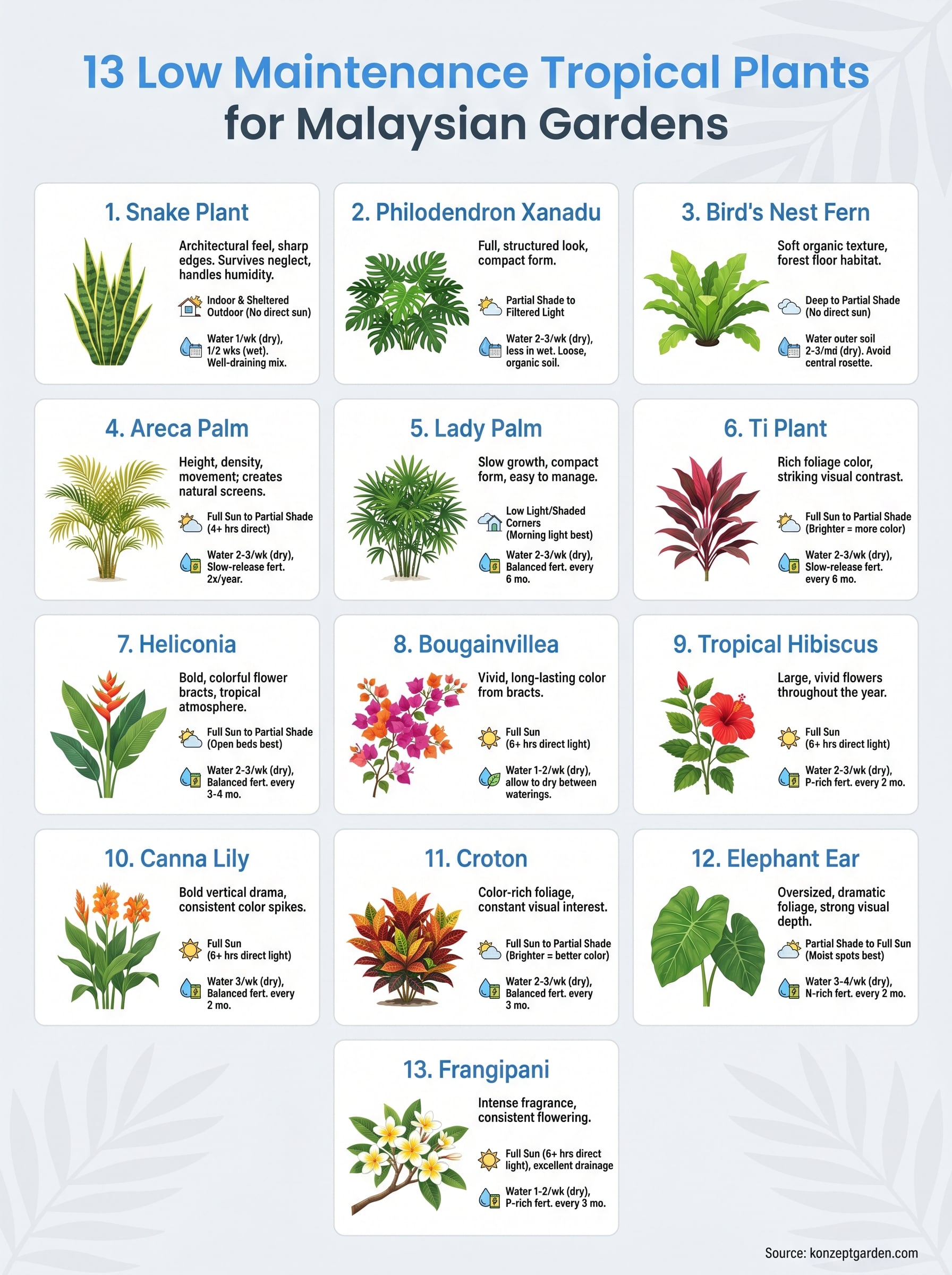
The 13 plants above cover a wide range of sizes, textures, and color contributions, which means you can build a complete garden using just this list without running out of options. Combining structural plants like areca palm and lady palm with color-focused species like croton, ti plant, and bougainvillea gives your outdoor space depth and visual variety year-round, all without demanding constant maintenance from you.
Getting the selection right from the start saves you time, money, and replanting work down the line. A professional eye helps you match the right low maintenance tropical plants to your specific site conditions, whether that's a shaded courtyard, a sun-exposed boundary, or a poolside bed. Konzept Garden's team works with homeowners across Malaysia to design outdoor spaces that look great and stay manageable. Get in touch with us to start planning your garden today.