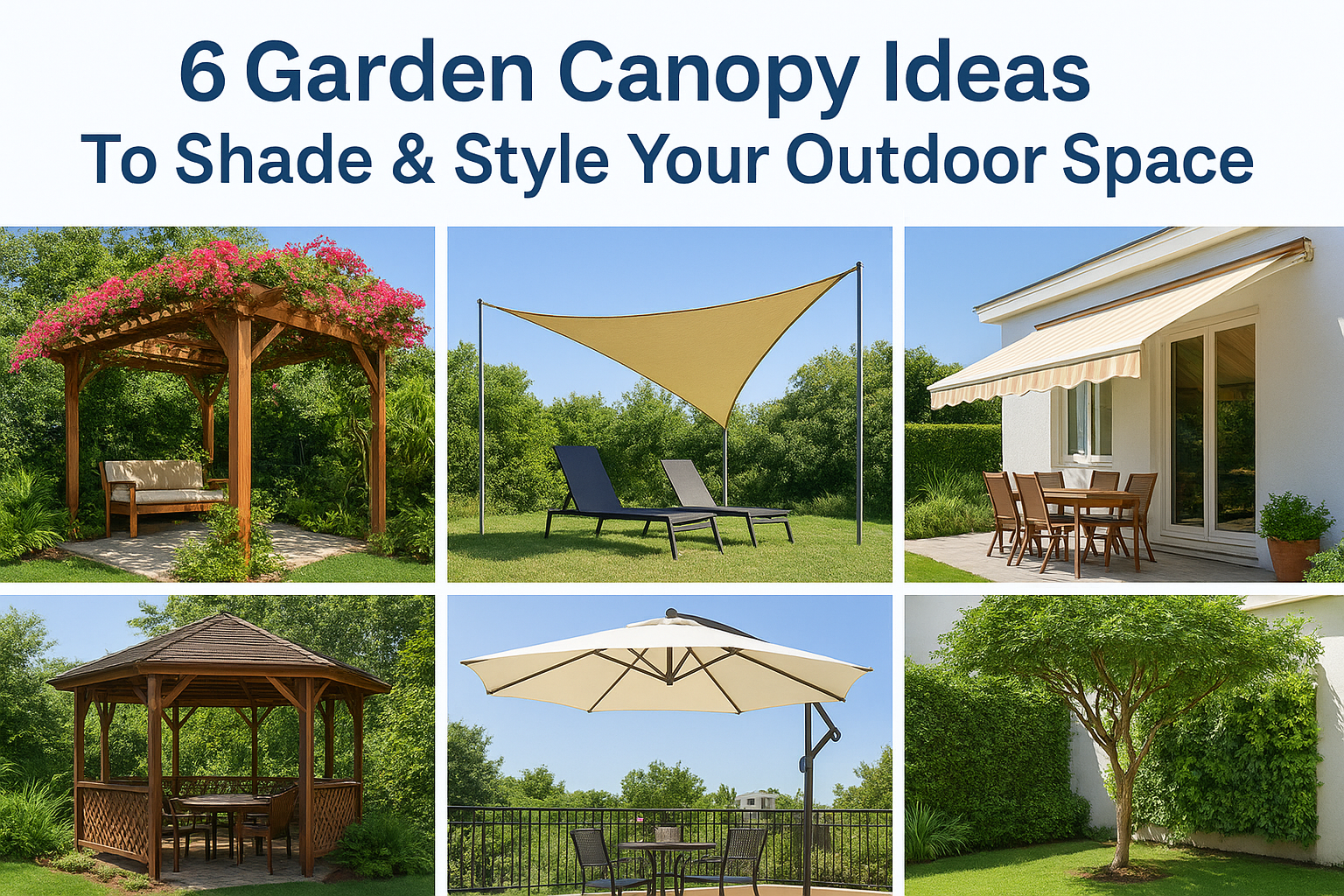

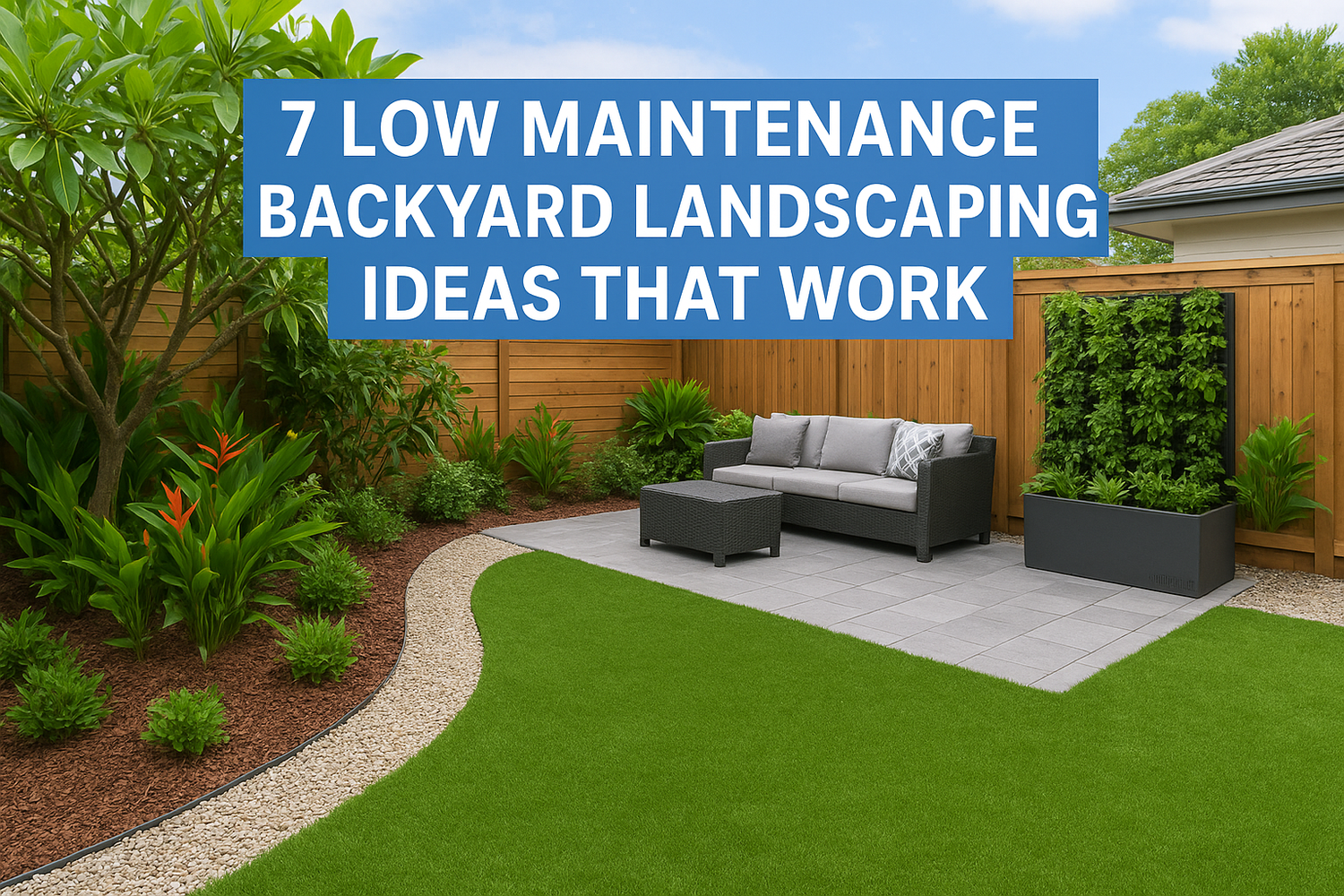
If your weekends keep disappearing into weeding, mowing, and chasing down dying plants, your backyard is working against you instead of for you. Low maintenance backyard landscaping in Malaysia's climate means fighting constant heat, heavy rain, and fast weed growth, and most gardens simply aren't built to handle that with minimal input.
The good news is you don't need to choose between a good-looking garden and an easy one. The right mix of hardy plant choices and smart layout decisions can cut your upkeep time dramatically while still giving you a space that looks intentional, not neglected. This comes down to picking materials and layouts that suit our tropical conditions rather than fighting them.
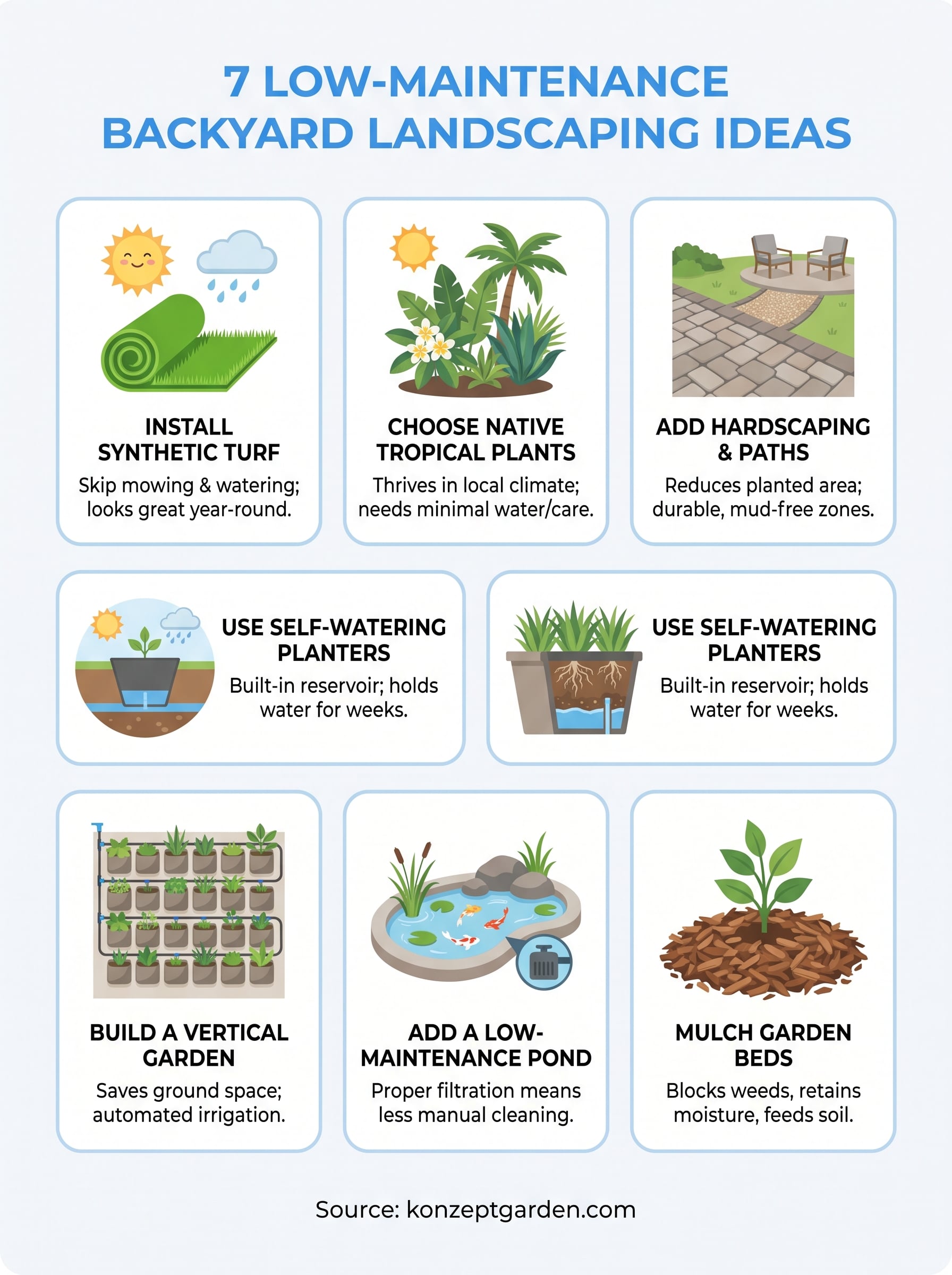
We've pulled together seven ideas that we've actually used on residential projects across Malaysia, from synthetic turf that skips the mowing entirely to self-watering planters that handle irrigation for you. Each idea below focuses on solutions that survive our weather, resist pests, and keep looking good with only occasional attention, so you spend your free time enjoying the garden instead of fixing it.
1. Install synthetic grass instead of a natural lawn
A natural lawn is one of the biggest time sinks in any Malaysian backyard. Between the humidity, the rain, and the heat, grass grows fast and patchy, and you're stuck mowing every one to two weeks just to keep it looking decent. Swapping it out for synthetic grass removes that cycle completely, which is why it's usually the first change we recommend to clients who tell us they simply don't have time for weekly yard work.
How it works
Synthetic turf is installed over a prepared base of compacted soil, sand, or crushed aggregate, with a permeable underlay that lets water drain straight through instead of pooling. The grass itself is made from UV-stabilized polyethylene or polypropylene fibers stitched into a backing, designed to hold color and shape under direct tropical sun without melting or fading within a season. At Konzept Garden, we use Noble Grass, our own synthetic turf line built specifically for Malaysia's climate, which means the fibers and backing are tested against the heat and rainfall patterns you'll actually deal with rather than a generic product built for a temperate market.
Who it's best for
This solution suits homeowners with kids or pets who want a soft, usable play surface without the mud after rain. It also works well for busy professionals who want their front or back lawn to look sharp year-round without hiring a gardener, and for anyone with a small courtyard where a real lawn would struggle to get enough sunlight or airflow to thrive anyway.
Synthetic turf gives you a lawn that looks the same in December as it does in July, with zero mowing in between.
Maintenance required
Upkeep drops to almost nothing compared to natural grass. You'll want to:
- Rinse the surface occasionally to clear dust and debris
- Brush the fibers lightly every few months to keep them standing upright
- Clean up pet waste promptly to avoid odor buildup
- Check drainage points once or twice a year, especially before monsoon season
There's no mowing, no fertilizing, and no dead patches to reseed, which is the entire point.
Cost to expect in Malaysia
Pricing depends on turf quality, base preparation, and the total area you're covering. As a rough guide for residential projects:
| Turf grade | Price range (per sq ft, installed) | Typical lifespan |
|---|---|---|
| Entry-level | RM8 to RM12 | 5 to 7 years |
| Mid-range (Noble Grass standard) | RM13 to RM18 | 8 to 10 years |
| Premium, dense pile | RM19 to RM25+ | 10+ years |
Factor in extra cost if your existing ground needs leveling or drainage work before installation, since that base preparation matters more for longevity than the turf itself.
2. Choose native and drought-tolerant tropical plants
Many Malaysian gardens are planted with species that need constant watering, feeding, and pruning just to survive our heat and heavy rain cycles. Switching to native tropical plants that already thrive in local soil and rainfall patterns removes most of that struggle, since these species evolved to handle exactly the conditions your backyard throws at them.
How it works
The approach means selecting species like frangipani, bougainvillea, heliconia, or local palms that tolerate long dry spells and sudden downpours without wilting or rotting. These plants develop deeper root systems and thicker leaves suited to intense sun, so they don't need daily watering once established. Grouping plants by their water needs, known as hydrozoning, also helps, since you avoid overwatering hardy species just because they're planted next to thirstier ones.
Who it's best for
This works well for homeowners who want a lush, green backyard without an irrigation schedule to manage. It also suits anyone renovating a garden that's currently full of imported ornamentals struggling against the climate, or households that travel often and can't rely on daily watering.
A garden built from plants that already belong here needs far less babying than one fighting the climate.
Maintenance required
Once established, these plants need occasional watering during unusually long dry stretches, seasonal pruning to control shape, and light fertilizing once or twice a year. There's no daily watering routine, no pest-proofing against species that were never suited to Malaysia in the first place, and far less risk of sudden die-off after a heatwave.
Cost to expect in Malaysia
Native and drought-tolerant plants typically cost between RM15 and RM80 per plant depending on maturity and species, with mature palms or trees running higher. A full backyard planting plan for a mid-sized garden usually falls between RM2,000 and RM6,000, including soil preparation and initial landscaping work.
3. Add hardscaping with patios and gravel paths
Grass and garden beds aren't the only ground cover options that matter in a backyard. Replacing sections of lawn with hardscaping, patios, gravel paths, or paved seating areas, cuts down the total planted area you need to water, weed, and mow, while giving you usable outdoor space that holds up through monsoon season without turning to mud.
How it works
Hardscaping uses hard, durable materials like natural stone, concrete pavers, or compacted gravel laid over a proper base to create walkways, patios, or courtyard zones. A well-built base with sand and crushed aggregate ensures water drains away instead of pooling, which matters enormously during Malaysia's heavy rain periods. Combined with strategic planting around the edges, these zones break up a backyard into defined areas without demanding upkeep across the whole footprint.
Who it's best for
This suits homeowners who want a defined dining or lounging area outdoors, families who need a durable surface for outdoor furniture, and anyone tired of soggy lawn patches after every downpour. It also works well for smaller backyards where a full lawn feels impractical anyway.
Every square foot of gravel or paving is one less square foot you'll ever need to mow.
Maintenance required
Once installed, hardscaping needs very little attention. Occasional sweeping, weed removal between paver joints, and a rinse to clear dust or algae buildup after rain covers most of it. Gravel paths may need topping up every couple of years as material settles or washes away during heavy storms.
Cost to expect in Malaysia
Costs vary by material choice:
| Material | Price range (per sq ft, installed) |
|---|---|
| Compacted gravel path | RM10 to RM18 |
| Concrete pavers | RM18 to RM30 |
| Natural stone patio | RM30 to RM55 |
Larger patio areas or intricate stone-laying patterns push costs toward the higher end of that range.
4. Use self-watering planters for effortless greenery
Pots and planter boxes dry out fast under direct tropical sun, which means daily watering just to keep container plants alive. Self-watering planters solve that problem by holding a reservoir of water at the base that feeds roots gradually, so you get greenery on patios, balconies, or garden edges without babysitting a watering can every morning.
How it works
Each planter has a built-in water reservoir separated from the soil by a wicking layer or capillary system, which draws moisture upward as the plant needs it. At Konzept Garden, we install Ziant Hydro Planter boxes, designed with a reservoir that can hold a plant for one to two weeks without a refill depending on size and plant type. You fill the reservoir through a top or side inlet, and the system regulates how much water reaches the roots, which also prevents the overwatering that kills many container plants in humid climates.
Who it's best for
This suits apartment dwellers and homeowners with limited garden beds who still want greenery on a patio or balcony. It also works well for frequent travelers who can't water daily, and for anyone managing a large number of potted plants across a backyard who wants to cut that workload down to a weekly task instead of a daily one.
A reservoir that holds two weeks of water does more for a plant's survival than any amount of good intentions.
Maintenance required
You'll refill the reservoir every one to two weeks, check the water level indicator if the planter has one, and flush the system every few months to prevent algae buildup inside the reservoir. Beyond that, standard pruning and occasional fertilizing cover the rest.
Cost to expect in Malaysia
Self-watering planters range from RM80 for small units to RM400 or more for large Ziant Hydro Planter boxes suited to shrubs or small trees, depending on size and material finish.
5. Build a vertical garden to save ground space
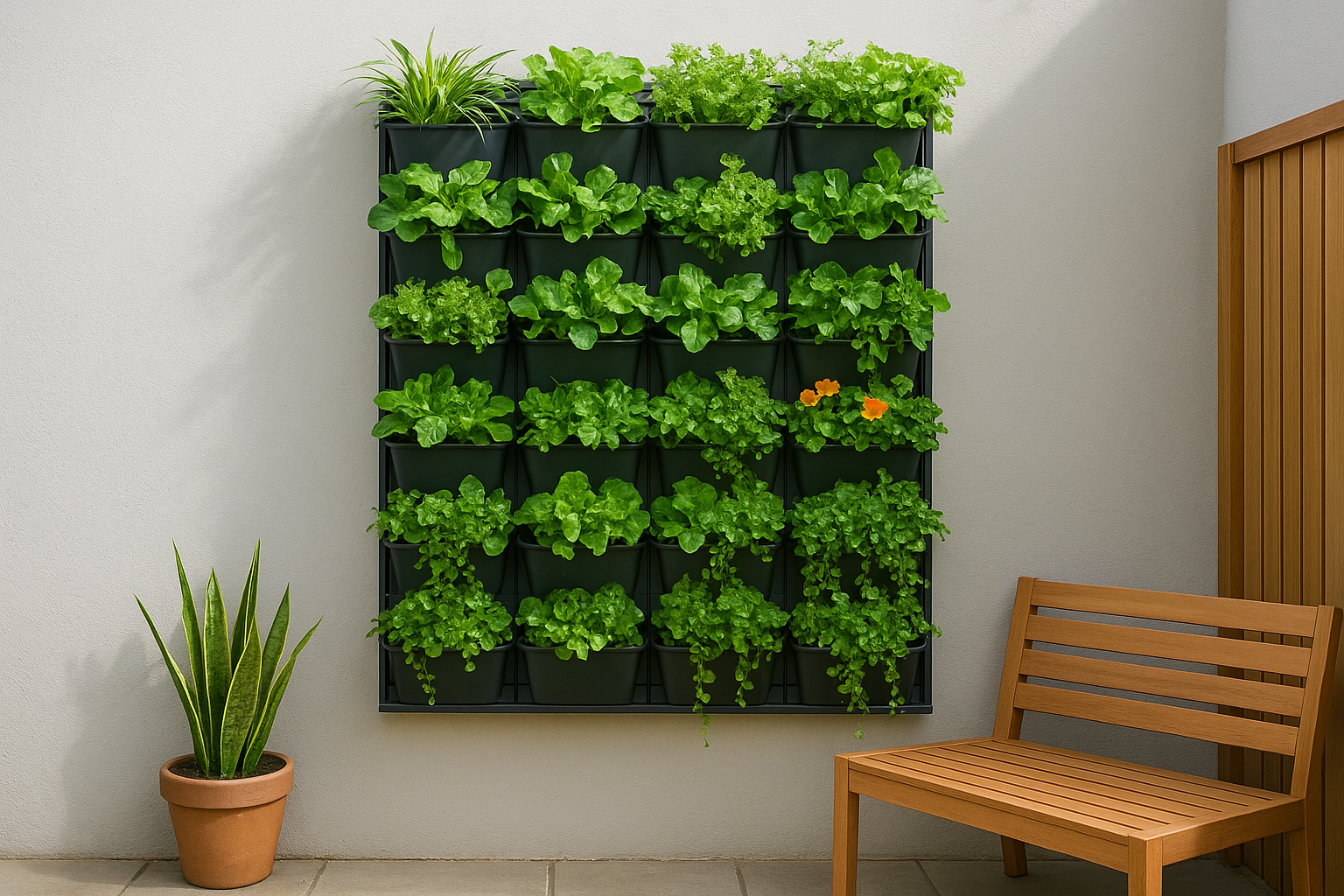
Small backyards often force a choice between plants and usable floor space, but a vertical garden removes that trade-off by growing greenery up a wall instead of across the ground. It's one of the easiest ways to add real plant coverage to a compact courtyard or narrow side yard without eating into space you'd rather use for seating or storage.
How it works
A vertical garden system, like the EcoWall setups we install, uses a modular frame fixed to a wall or freestanding structure, with individual planting pockets or trays that hold soil and root systems in place. Built-in irrigation lines feed water evenly across the whole panel, so you're not hand-watering dozens of small pockets one by one. Drainage channels at the base catch runoff and route it away from walls and flooring, which protects the structure underneath from moisture damage over time.
Who it's best for
This suits homeowners with tight backyards, terrace houses with narrow side alleys, or anyone who wants a green feature wall without sacrificing floor space for garden beds. It also works well for commercial spaces like cafes or offices looking for a striking backdrop that doesn't need a full-time gardener on staff.
A wall of plants gives you the greenery of a garden bed without claiming a single square foot of ground.
Maintenance required
Most systems run on automated drip irrigation, so watering is largely hands-off once set up correctly. You'll still need to trim overgrowth every few months, check that irrigation lines aren't clogged, and swap out any plants that die back so the panel keeps looking full.
Cost to expect in Malaysia
Vertical garden installations typically run between RM80 and RM150 per square foot, depending on plant density, irrigation complexity, and frame material. A modest feature wall of 30 to 50 square feet usually lands between RM3,000 and RM7,500 fully installed.
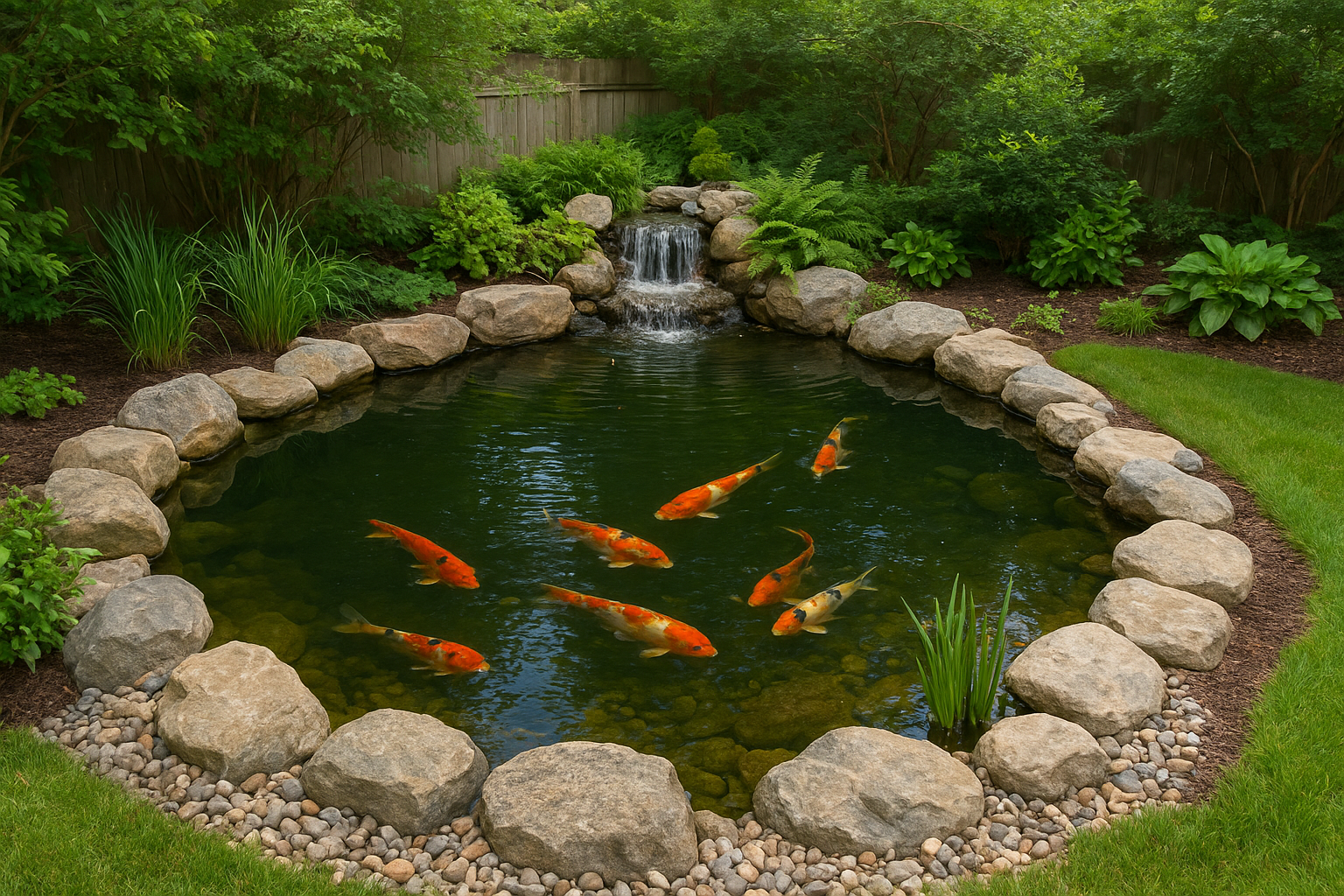
6. Add a low-maintenance koi pond or water feature
A lot of homeowners assume a koi pond means constant algae battles and a filtration system that demands weekly attention. Built right, though, a pond adds movement and sound to a backyard without turning into another chore on your list. It's a feature that earns its space by doing the work most people expect a garden bed to do, minus the weeding.
How it works
A well-designed pond relies on a properly sized filtration and circulation system to keep water clear without manual intervention. At Konzept Garden, we build Zen Bio Koi Pond and Himalaya Rock Fish Pond setups using biological filters that break down waste naturally, paired with pumps sized correctly for the water volume so algae never gets the chance to take hold. Good aeration also keeps oxygen levels stable for the fish, which cuts down on die-offs that usually trigger a full pond cleanout.
Who it's best for
This suits homeowners who want a calming focal point without turning into a part-time pond technician. It also works for anyone with an existing dead corner of the yard, a shaded spot where plants struggle, since a pond thrives there instead. Families who enjoy koi as pets but don't want the upkeep of a full aquarium setup fit here too.
A pond built with proper filtration from day one needs less babysitting than most container gardens.
Maintenance required
Once established, expect to:
- Check filter and pump function monthly
- Skim surface debris after heavy rain or wind
- Test water quality every few months
- Top up water levels during dry spells
- Trim any surrounding aquatic plants seasonally
There's no daily feeding schedule required beyond light koi feeding, and no manual algae scrubbing if the biological filter is sized correctly.
Cost to expect in Malaysia
A small residential koi pond typically costs between RM8,000 and RM20,000 depending on size, filtration quality, and rockwork detail. Larger custom Himalaya Rock Fish Pond builds with extensive stonework can run RM25,000 and above.
7. Mulch garden beds to block weeds and retain moisture
Bare soil in a Malaysian backyard invites weeds within days and dries out fast between rain spells, forcing you into a constant cycle of pulling and watering. Spreading mulch across your garden beds blocks that cycle at the source, cutting down both weed growth and how often you need to water.
How it works
A layer of organic mulch, wood chips, bark, or dried leaves, sits on top of the soil around your plants, usually two to three inches deep. That layer blocks sunlight from reaching weed seeds so they can't germinate, while also slowing evaporation so the soil underneath stays moist longer after each watering or rainfall. As organic mulch breaks down slowly, it feeds the soil with nutrients too, which reduces how often you need to fertilize your beds separately.
Who it's best for
This suits anyone with established garden beds who's tired of weeding every week, especially around shrubs, hedges, or flower borders that take up a large footprint. It also works well for households in areas with long dry stretches between rains, since mulch keeps moisture locked in without extra watering trips.
A few inches of mulch does the weeding and watering work that would otherwise land on you every weekend.
Maintenance required
Expect to top up mulch layers once or twice a year as material breaks down or washes away in heavy storms. Beyond that, occasional raking to keep the layer even and checking that it hasn't piled against stems or trunks, which can trap moisture and invite rot, covers the rest.
Cost to expect in Malaysia
Organic mulch typically costs between RM3 and RM8 per square foot installed, depending on material and bed size. A mid-sized backyard planting scheme usually needs RM300 to RM900 worth of mulch annually.
Finding the right mix for your backyard
None of these seven ideas need to stand alone. Most low maintenance backyard landscaping projects we build combine three or four of them: synthetic turf for the open lawn area, native planting along the borders, a gravel path connecting the seating zone, and mulch covering whatever beds remain. That mix is what actually gets your weekend time back, rather than swapping one chore for another.
Start with whatever's costing you the most upkeep right now. If mowing eats your Saturdays, turf solves that first. If your pots die every time you travel, self-watering planters fix it before anything else needs attention.
Every backyard in Malaysia deals with the same heat and rain, but no two layouts need the exact same solution. If you want a plan built around your actual space rather than a generic checklist, get in touch with our team and we'll walk through what fits.