
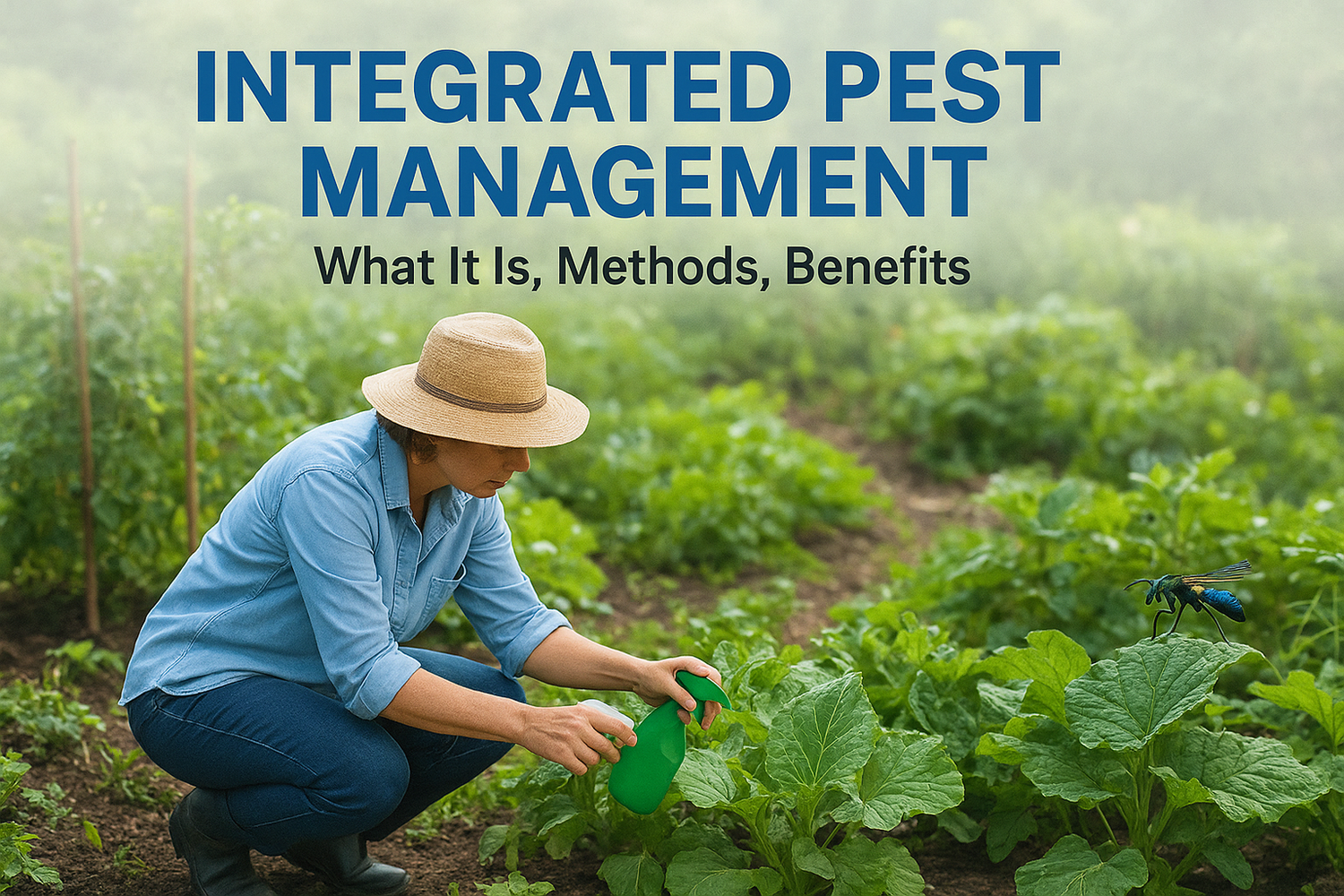
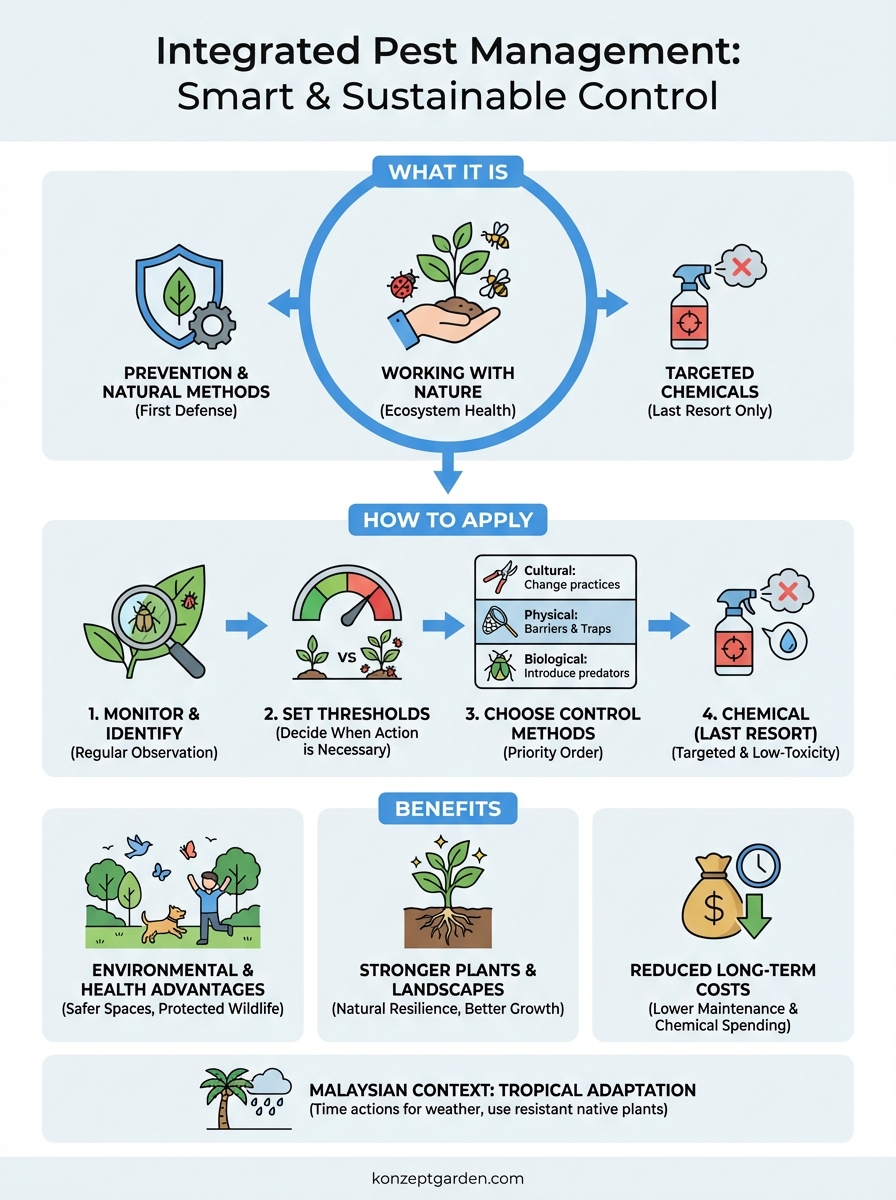
Integrated Pest Management is a smart approach to controlling pests that relies on prevention and natural methods before turning to chemicals. Think of it as a strategy that keeps your garden healthy by working with nature rather than against it. Instead of reaching for pesticides at the first sign of trouble, IPM combines multiple techniques like encouraging beneficial insects, rotating crops, and making your outdoor space less attractive to pests. You only use pesticides when absolutely necessary and in the most targeted way possible.
This guide breaks down everything you need to know about IPM. You'll learn why this method matters for your garden, how to put it into practice step by step, and which tools and techniques work best. We'll also cover specific benefits for Malaysian gardens and landscapes, plus practical tips you can start using today. Whether you're managing a home garden or designing a commercial outdoor space, understanding IPM helps you create healthier environments while reducing chemical use and costs.
Why integrated pest management is important
Understanding what is integrated pest management means recognizing how it protects your outdoor spaces for the long run. Traditional pest control often creates cycles of dependency where you spray pesticides repeatedly without solving the root problem. IPM breaks this cycle by addressing why pests appear in the first place. You create conditions that naturally discourage infestations while keeping beneficial organisms alive. This approach matters especially in Malaysia's tropical climate, where warm temperatures and humidity make gardens vulnerable to constant pest pressure throughout the year.
Protecting your garden ecosystem
IPM preserves the natural balance in your outdoor spaces. When you spray broad-spectrum pesticides, you kill helpful insects like ladybugs and bees alongside the pests. Your garden loses its natural defenders, and pest problems often return worse than before. IPM methods keep these beneficial species thriving so they handle pest control for you. You end up with healthier soil, stronger plants, and fewer disease outbreaks because the whole ecosystem works together.
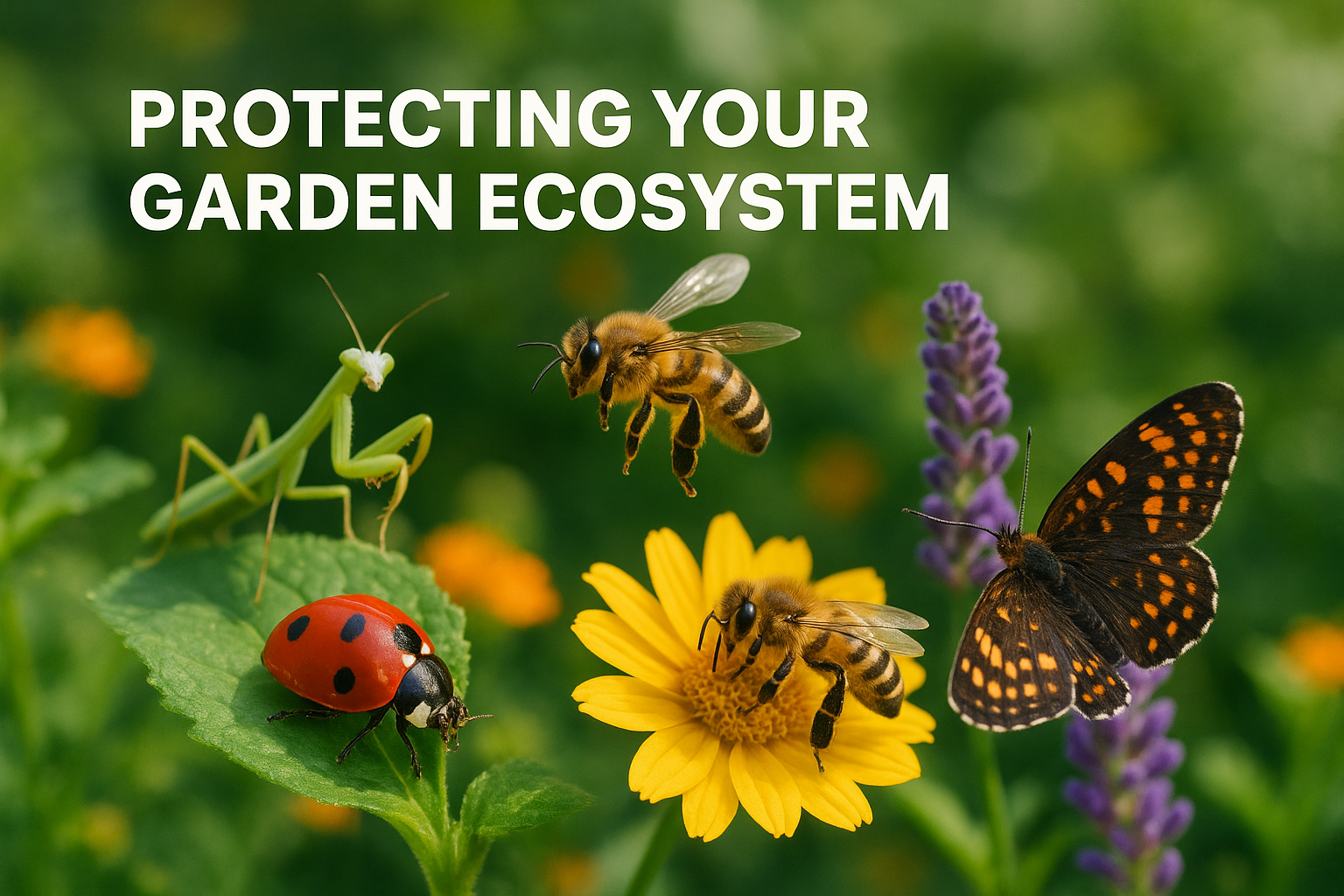
A balanced garden ecosystem with diverse beneficial insects can reduce pest populations by up to 70% without any chemical intervention.
Reducing long-term costs
IPM saves you money over time by cutting pesticide purchases and reducing plant replacements. You spend less on chemicals when prevention keeps problems from starting. Plants grown under IPM principles develop stronger resistance to pests and diseases, which means fewer losses and better growth. The initial time investment in setting up IPM practices pays off through lower maintenance costs and longer-lasting landscape value.
How to apply integrated pest management
Applying what is integrated pest management in your garden requires following a structured process rather than random actions. You start by observing your outdoor spaces regularly to catch problems early. This systematic approach builds on itself, where each step informs the next decision you make. The key lies in patience and consistent monitoring instead of reactive spraying whenever you spot a single pest. Malaysian gardens benefit especially from this methodical approach since high humidity and year-round growing seasons create constant opportunities for pest establishment.
Start with monitoring and identification
You need to inspect your plants weekly to spot pest activity before it becomes severe. Walk through your garden at different times of day since some pests only appear in morning or evening hours. Look under leaves, check stems, and examine the soil surface for signs of damage or unusual activity. Take photos of any pests you find so you can identify them accurately through online resources or by consulting with local gardening experts. Misidentifying pests leads to wasted effort and ineffective control methods that don't address the real problem.
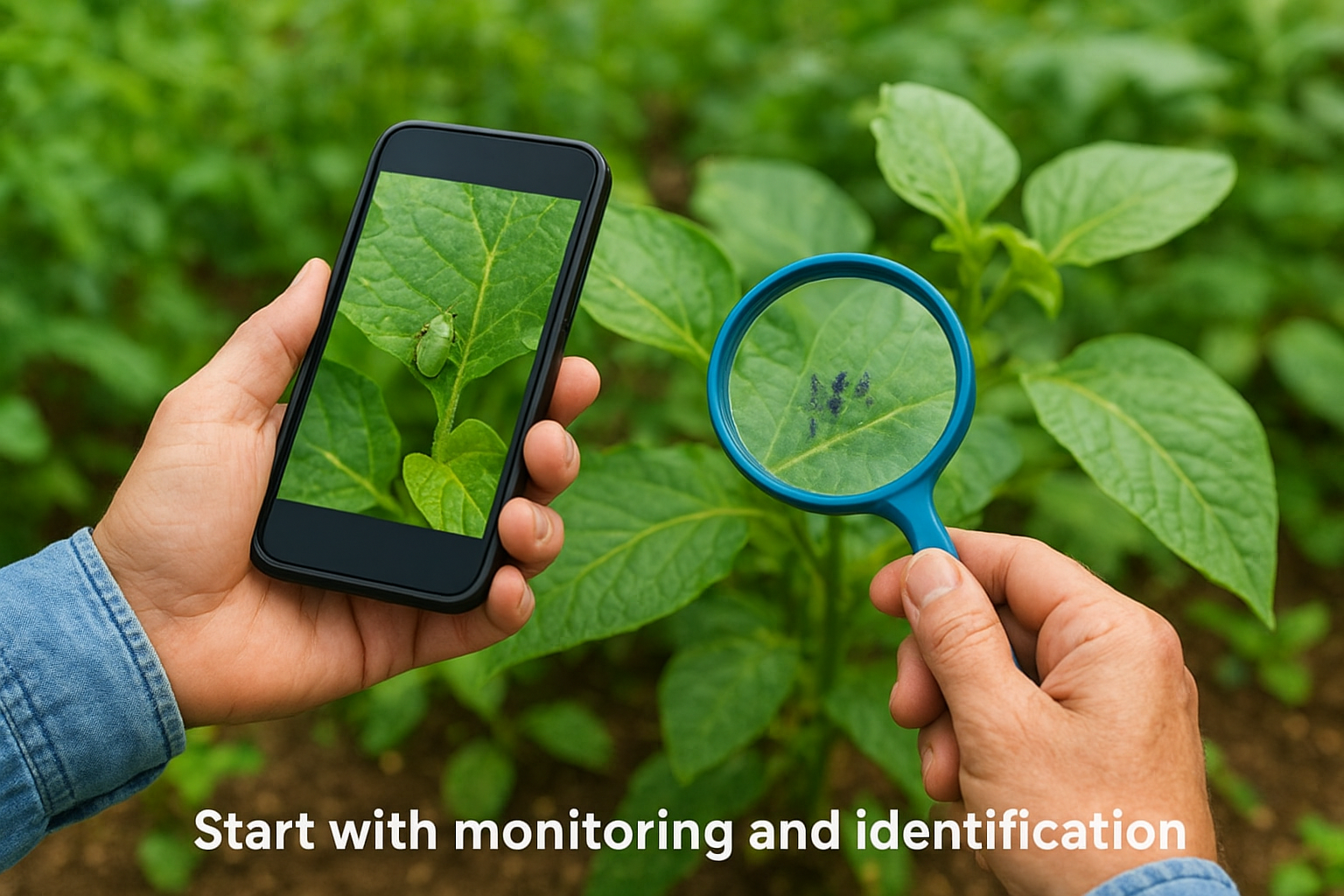
Regular monitoring catches 85% of pest problems in their early stages when control options are simplest and most effective.
Set action thresholds
Your next step involves deciding when action becomes necessary. Not every pest you see requires immediate intervention. You establish thresholds based on the pest population size and the damage level your plants can tolerate. For example, spotting five aphids on a mature shrub doesn't warrant pesticide use, but finding hundreds clustered on new growth does. Consider factors like plant health, pest life cycle stage, and upcoming weather conditions when setting these limits. Plants under stress from drought need lower thresholds since they handle pest pressure poorly.
Choose the right control methods
Once monitoring shows pest numbers exceed your thresholds, you select control methods in order of priority. Start with cultural controls like pruning infected branches or adjusting watering schedules. Move to physical barriers such as netting or sticky traps if cultural methods don't work. Introduce biological controls like predatory insects next. You only apply targeted pesticides as a final option, and even then, choose products that affect the specific pest while sparing beneficial organisms. Record which methods you use and their results to improve your approach over time.
Core methods and tools in IPM
Understanding what is integrated pest management means knowing the specific techniques that make this approach work in real gardens. You combine multiple control methods rather than relying on a single solution. Each method serves a distinct purpose in your overall strategy, from preventing pest establishment to actively reducing existing populations. The tools you choose depend on your pest type, garden size, and local conditions. Malaysian gardeners have access to most of these methods, though some biological controls may need sourcing from specialized suppliers or agricultural centers.
Biological controls
You harness natural predators and parasites to manage pest populations through biological controls. Ladybugs eat aphids, lacewing larvae consume mites, and parasitic wasps target caterpillars without harming your plants. You can purchase these beneficial insects from garden centers or attract them by planting nectar-rich flowers like marigolds and cosmos. Bacillus thuringiensis (Bt), a naturally occurring soil bacterium, kills caterpillars and mosquito larvae when sprayed on plants or standing water. These biological agents work continuously once established in your garden.
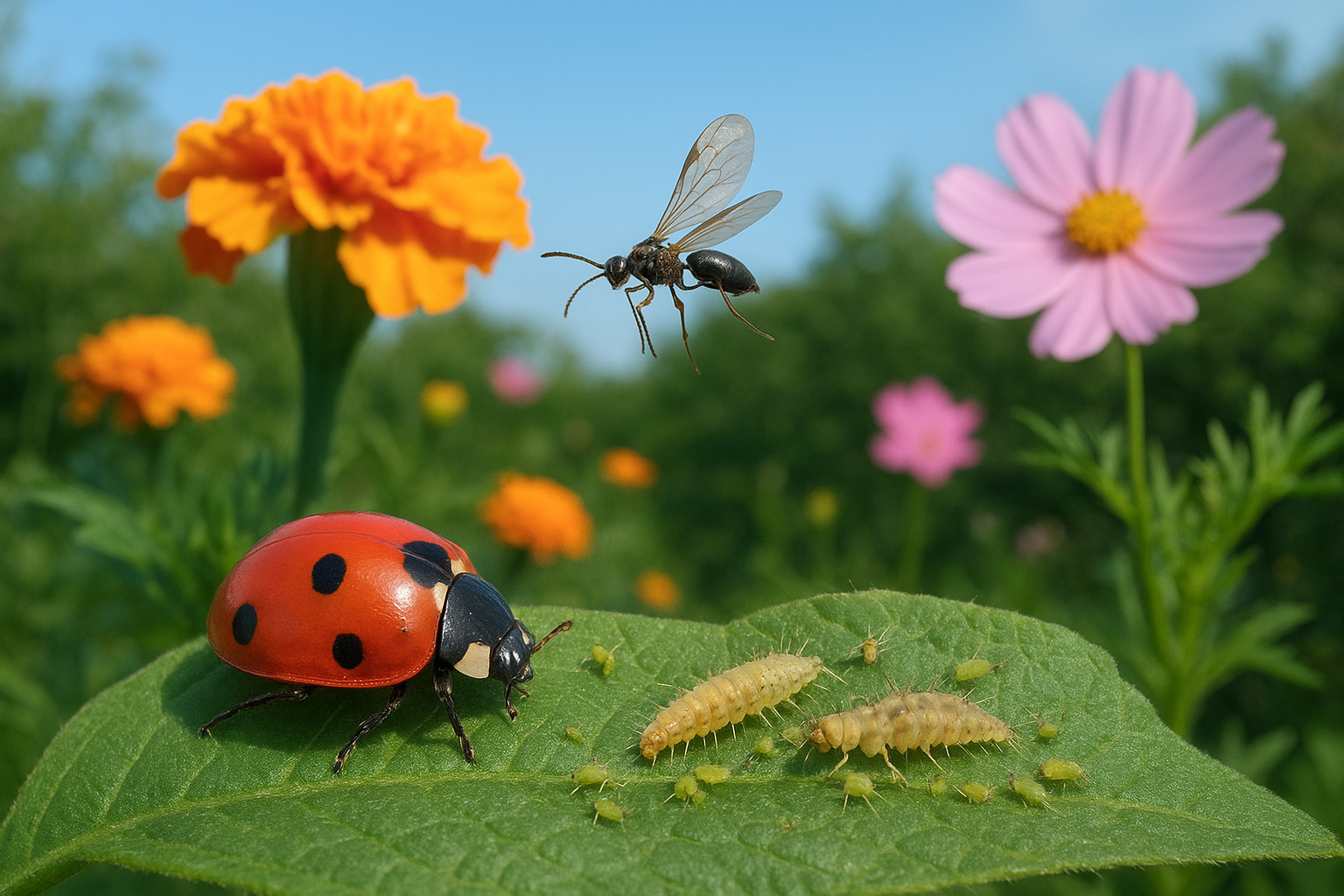
Nematodes provide another biological option for soil-dwelling pests. You mix these microscopic worms with water and apply them to your soil, where they hunt down grubs, root weevils, and other underground pests. The advantage here lies in targeting pests that physical barriers cannot reach while leaving earthworms and other beneficial soil organisms unharmed.
Cultural and physical methods
Cultural controls involve changing your gardening practices to make conditions less favorable for pests. You rotate plant families annually so pests cannot build up in one area. Proper spacing between plants improves air circulation and reduces fungal diseases that weaken plants against insect attacks. Mulching suppresses weeds that harbor pests while maintaining consistent soil moisture that keeps plants strong. You also time your planting to avoid peak pest activity periods specific to Malaysian seasons.
Cultural controls prevent up to 60% of pest problems before they start, making them the most cost-effective IPM method available.
Physical barriers block pests directly without chemicals. Install row covers over vegetables to exclude flying insects, or wrap tree trunks with bands that trap crawling pests. Sticky traps catch whiteflies and fungus gnats, while copper tape deters slugs and snails. Hand-picking larger pests like caterpillars or beetles works effectively for small gardens when you check plants daily.
Chemical controls as last resort
You apply pesticides only when monitoring confirms that other methods have failed and pest numbers exceed your action thresholds. Choose products that target the specific pest rather than broad-spectrum formulas that kill everything. Horticultural oils and insecticidal soaps offer lower-toxicity options that break down quickly in the environment. Apply these treatments during early morning or late evening when beneficial insects are less active and temperatures stay cooler. Always follow label instructions precisely for dosage and safety precautions.
Benefits of IPM for gardens and landscapes
Implementing what is integrated pest management in your outdoor spaces delivers advantages that compound over time rather than providing quick fixes that fade. You gain benefits across environmental health, cost savings, and plant vitality that traditional pest control cannot match. These improvements become more noticeable as your garden ecosystem matures and natural pest control mechanisms strengthen. Malaysian gardens particularly benefit from IPM since tropical conditions support year-round plant growth alongside continuous pest pressure that chemical-only approaches struggle to manage sustainably.
Environmental and health advantages
IPM drastically reduces chemical exposure in your outdoor living spaces. You and your family spend time in gardens free from pesticide residues that linger on surfaces and plants. Pets can play safely without risk of poisoning from lawn treatments. Local wildlife like birds and butterflies return to your garden when you stop using broad-spectrum pesticides that kill indiscriminately. Your soil maintains healthy microbial populations that break down organic matter and feed nutrients to plants. Water runoff from your property carries fewer chemicals into local waterways, reducing your environmental footprint.
Gardens managed with IPM contain up to 90% fewer pesticide residues while maintaining comparable or better pest control than conventional methods.
Stronger plants and landscapes
Plants grown under IPM develop robust immune systems that resist diseases and pest attacks naturally. You see less leaf damage, healthier growth patterns, and better flowering or fruiting. Your landscape maintains its visual appeal throughout the year without the stress cycles that chemical treatments create. Root systems grow deeper and stronger when beneficial soil organisms thrive. This resilience means your plants recover faster from occasional pest outbreaks or weather stress, maintaining property value through consistent appearance.
IPM tips for Malaysian homes and gardens
Applying what is integrated pest management in Malaysian conditions requires adjusting your approach to match tropical weather patterns and local pest species. You face year-round growing seasons that support continuous pest reproduction, so prevention becomes more critical than in temperate climates. Malaysia's high humidity and frequent rainfall create ideal conditions for fungal diseases and moisture-loving pests like slugs, snails, and certain caterpillars. Your IPM strategy needs to address these specific challenges while taking advantage of the diverse beneficial insects that thrive in tropical environments.
Work with Malaysia's tropical climate
Schedule your monitoring during cooler morning hours when pest activity peaks and you can work comfortably. Heavy afternoon rains wash away foliar sprays and organic treatments, so apply them in early morning or during dry periods. You maximize effectiveness by timing applications when weather forecasts show at least 24 hours without rain. Plant during the drier months when pest pressure naturally decreases, giving new plants time to establish strong defenses before the wet season arrives. Improve drainage around your property since standing water breeds mosquitoes and weakens plant roots, making them vulnerable to disease.

Choose pest-resistant plants
Native Malaysian plants and well-adapted species require less intervention because they evolved alongside local pests and diseases. Select varieties like Ixora, Heliconia, and Plumeria that naturally resist common tropical pests. You reduce maintenance demands significantly by choosing plants suited to your specific microclimate, whether you garden in coastal areas with salt exposure or inland regions with heavier rainfall. Research each plant's natural pest resistance before purchasing, and ask local nurseries which varieties perform best without chemical treatments in your area.
Gardens featuring 70% or more native and adapted plants experience 50% fewer pest problems compared to gardens with primarily exotic species.
Bringing IPM into your garden
Implementing what is integrated pest management transforms your outdoor spaces into self-regulating ecosystems that need less intervention over time. You start small by monitoring your plants weekly and identifying pests accurately before taking action. Build your approach gradually by introducing one new IPM technique each season rather than attempting everything at once. This measured pace lets you learn which methods work best in your specific garden conditions while avoiding the overwhelm that causes many gardeners to abandon sustainable practices.
Your garden becomes healthier as biological controls establish themselves and cultural practices take effect. Plants grow stronger, pest problems decrease, and you spend less money on chemical treatments that create dependency cycles. The effort you invest in understanding pest lifecycles and prevention strategies pays dividends through reduced maintenance and improved landscape value.
Professional landscape design naturally incorporates IPM principles from the start by selecting appropriate plants and creating balanced outdoor environments. Contact our team to discuss how award-winning garden design can build IPM into your property from the ground up, giving you beautiful spaces that thrive with minimal chemical intervention.