
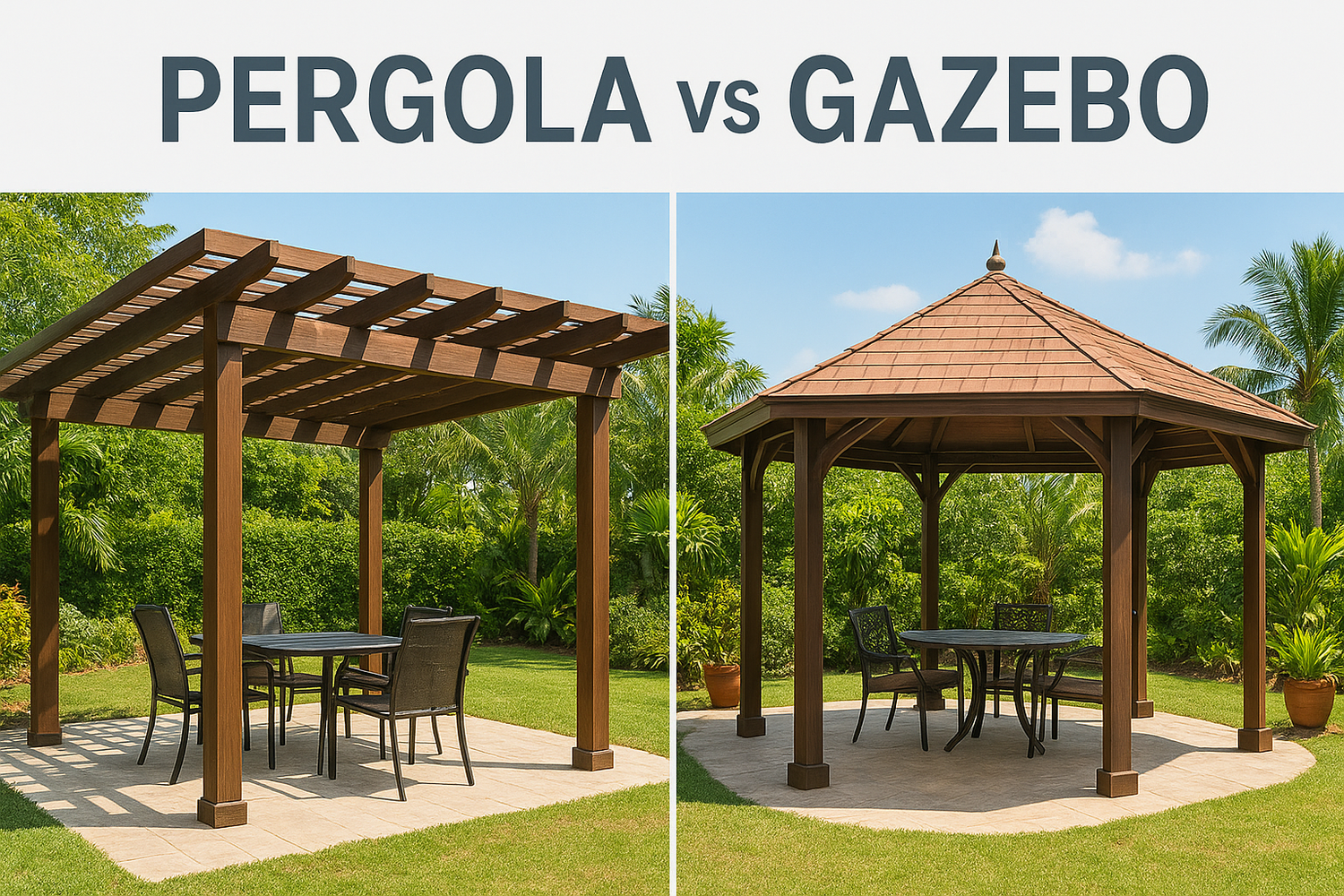
When you look at options to enhance your outdoor space, pergolas and gazebos often come up. Both structures add shade and style to your garden. But they work differently. A pergola features an open slatted roof supported by posts. It creates partial shade and often attaches to your home. A gazebo is a freestanding structure with a solid roof that provides full coverage from sun and rain. Most gazebos have a raised floor and come in octagonal or round shapes.
This guide breaks down everything you need to know. You'll learn the core differences in design and function. We'll compare costs and maintenance requirements. You'll see how each structure suits different needs and spaces. We'll also share ideas specifically for Malaysian homes and gardens. By the end, you'll know exactly which option works best for your property.
Why pergola vs gazebo matters for your outdoor space
The pergola vs gazebo decision shapes how you use your outdoor area every day. The right structure turns an empty yard into a functional living space where you can relax, entertain, or dine outdoors. This choice affects your property value, daily comfort, and long-term maintenance budget.
Climate and protection needs
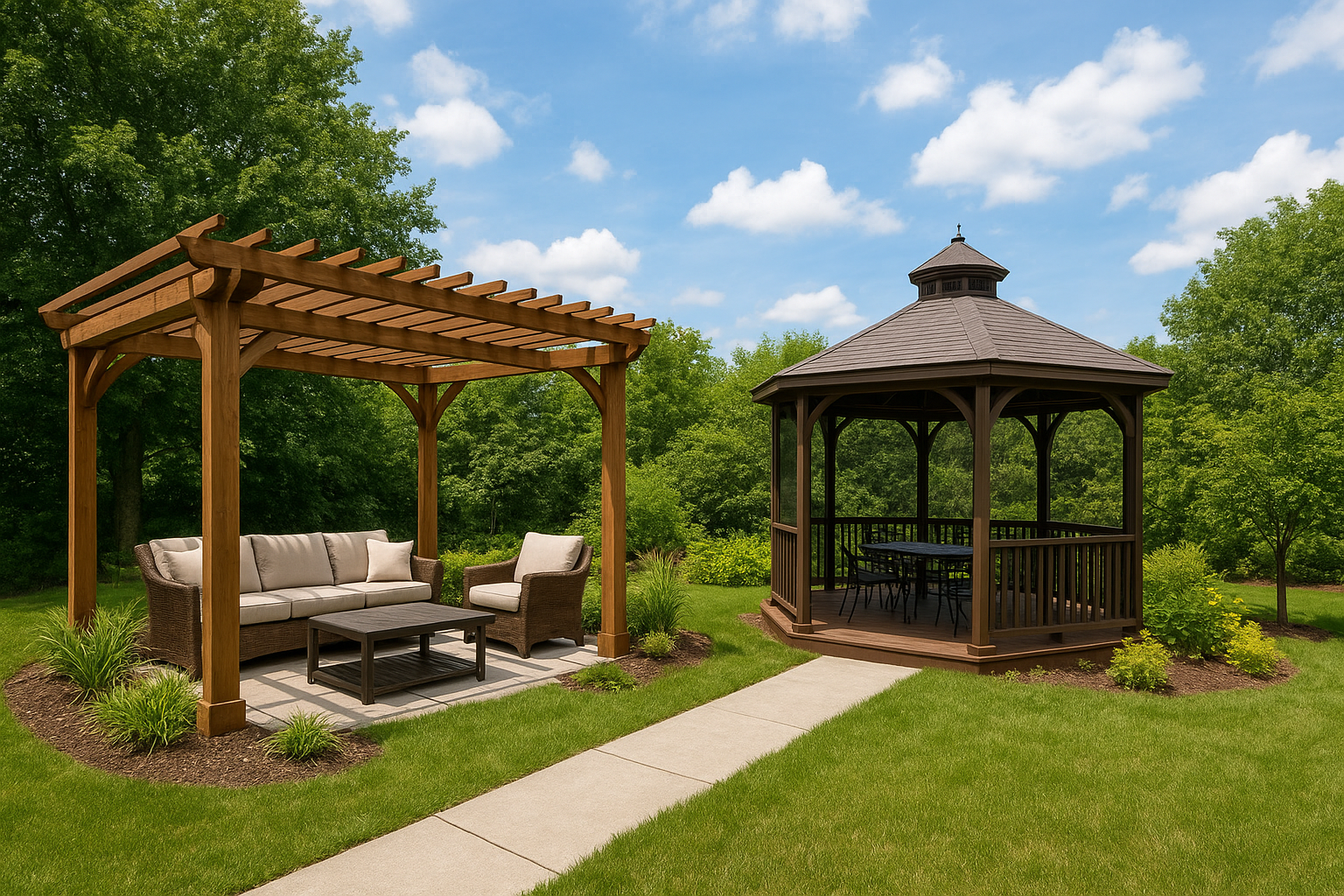
Malaysia's tropical weather demands careful planning. A gazebo's solid roof protects you from sudden rain showers and intense afternoon sun. You get complete shelter that extends your outdoor time regardless of weather. Pergolas offer filtered shade and better air circulation. The open design helps in humid conditions but provides less protection during heavy rain.
Consider how often you need full weather protection versus natural airflow when making your choice.
Your garden size matters too. A pergola works well in compact spaces and can attach to your house to save room. Gazebos need more clearance as freestanding structures. They work best in larger gardens where they become a focal point. Each option creates a different atmosphere and serves distinct purposes in your outdoor living plan.
How to choose between a pergola and a gazebo
The pergola vs gazebo choice depends on your specific needs and outdoor goals. You need to evaluate several practical factors before committing to either structure. Your decision impacts your daily comfort, budget, and how you use your garden for years to come.
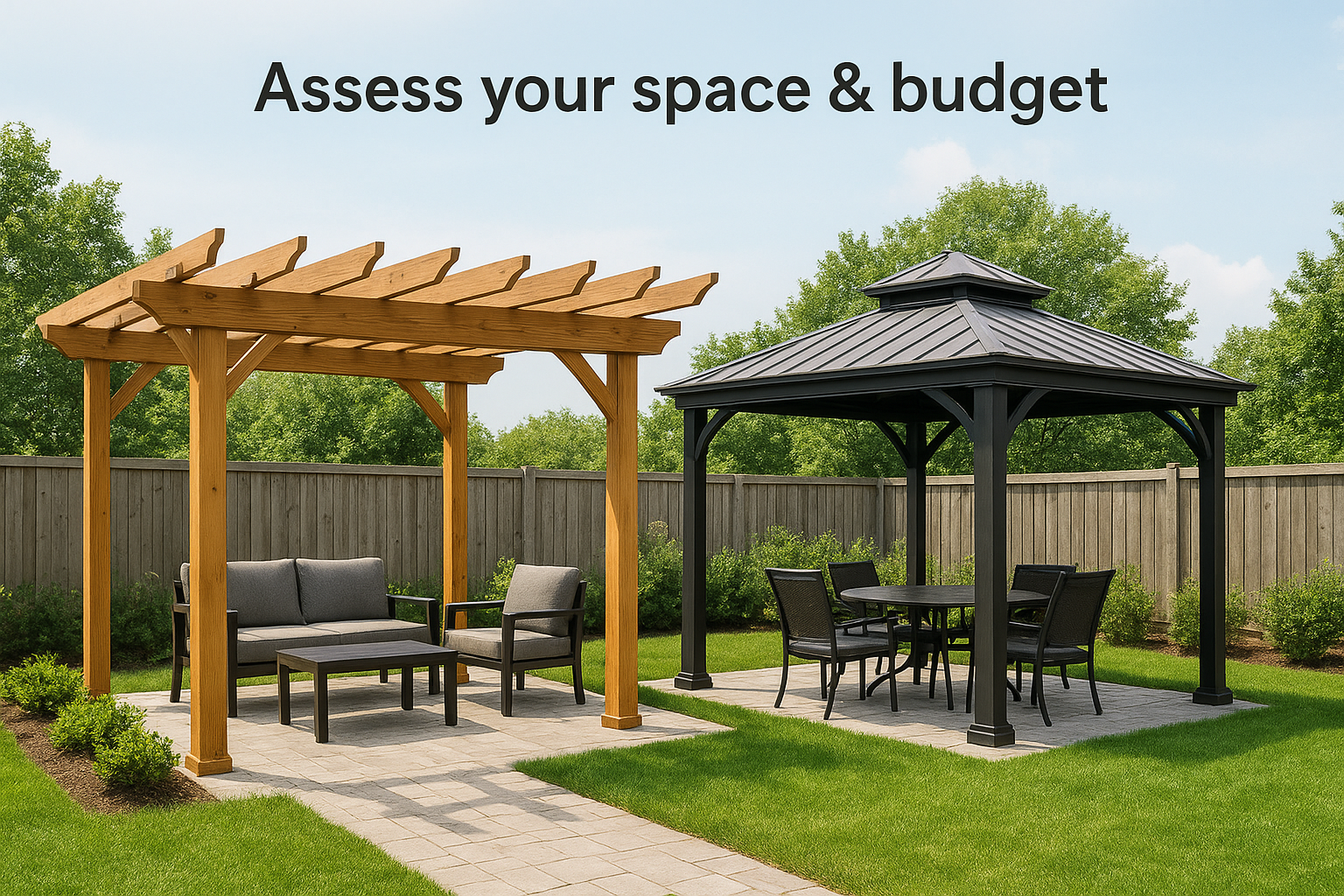
Assess your space and budget
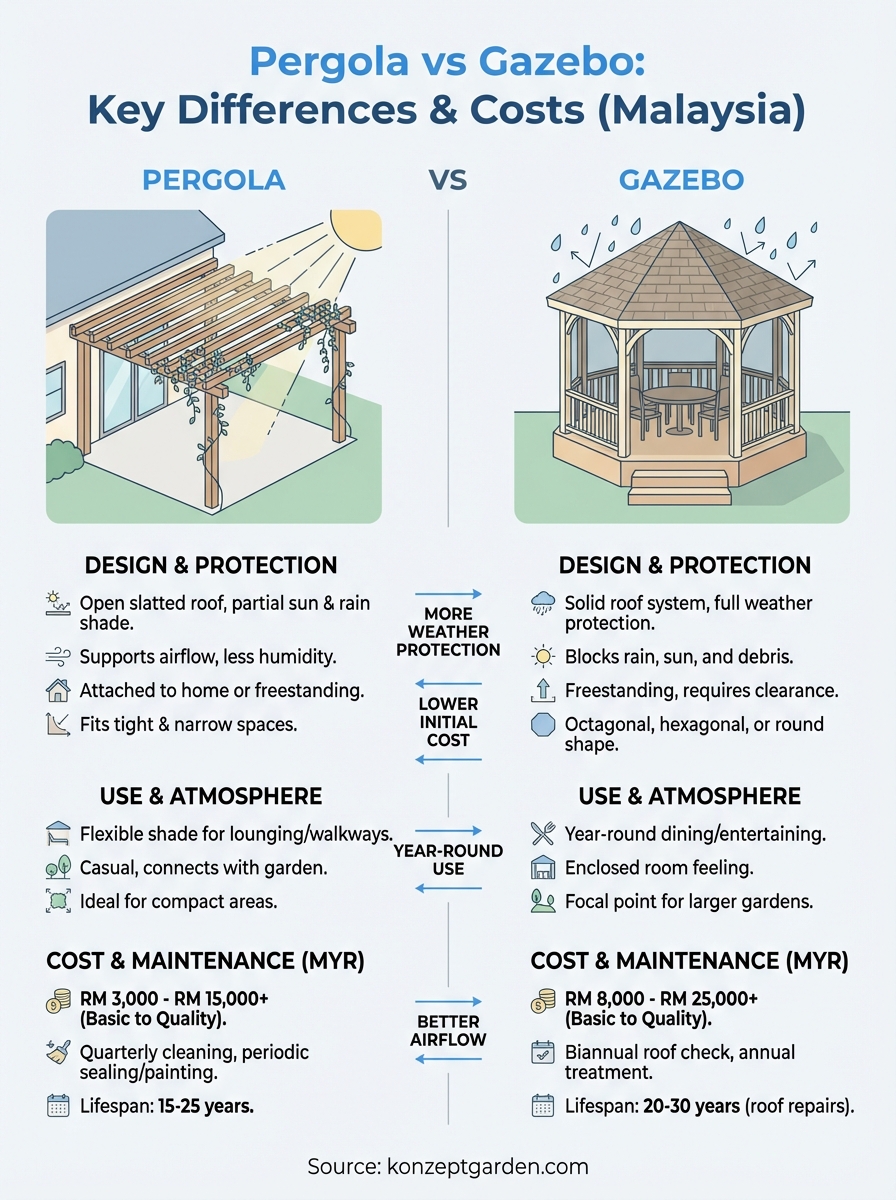
Start by measuring your available area. Pergolas typically need less clearance and can fit against walls or in narrow spaces. They cost between RM 3,000 to RM 15,000 for basic designs in Malaysia. Gazebos require circular space with clearance on all sides. Expect to spend RM 8,000 to RM 25,000 or more for a quality gazebo with proper roofing.
Your maintenance budget matters too. Pergolas demand regular cleaning of slats and occasional wood treatment or metal rust prevention. Gazebos need roof maintenance, gutter cleaning, and more extensive weatherproofing. Factor in these ongoing costs when making your choice.
Match structure to intended use
Think about how you plan to use the space. You need a gazebo if you want year-round protection for dining areas, hot tubs, or outdoor furniture that stays in place. The solid roof keeps everything dry during monsoon season. Pergolas work better when you want flexible shade for lounging areas, walkways, or spaces where you enjoy partial sun exposure.
Choose based on how much weather protection you actually need versus how much you value open-air design.
Consider your entertaining style. Gazebos create an enclosed room feeling perfect for intimate gatherings and formal outdoor dining. Pergolas offer a more casual atmosphere that connects better with your garden. Your lifestyle and how often guests visit should guide this decision.
Key design and structural differences
The pergola vs gazebo debate centers on fundamental structural elements that define how each works in your garden. These differences go beyond appearance. They determine weather protection levels, installation requirements, and how the structure integrates with your existing outdoor space. Understanding these core distinctions helps you make an informed choice that matches your specific needs.
Roof design and coverage
Pergolas feature open slatted roofs that create dappled shade patterns throughout the day. The parallel beams run across the top, leaving gaps between each slat. This design allows partial sunlight and air to pass through freely. You can adjust shade levels by spacing beams closer together or adding climbing plants like bougainvillea or jasmine. Some modern pergolas include retractable fabric covers that slide between the slats for extra protection when needed.
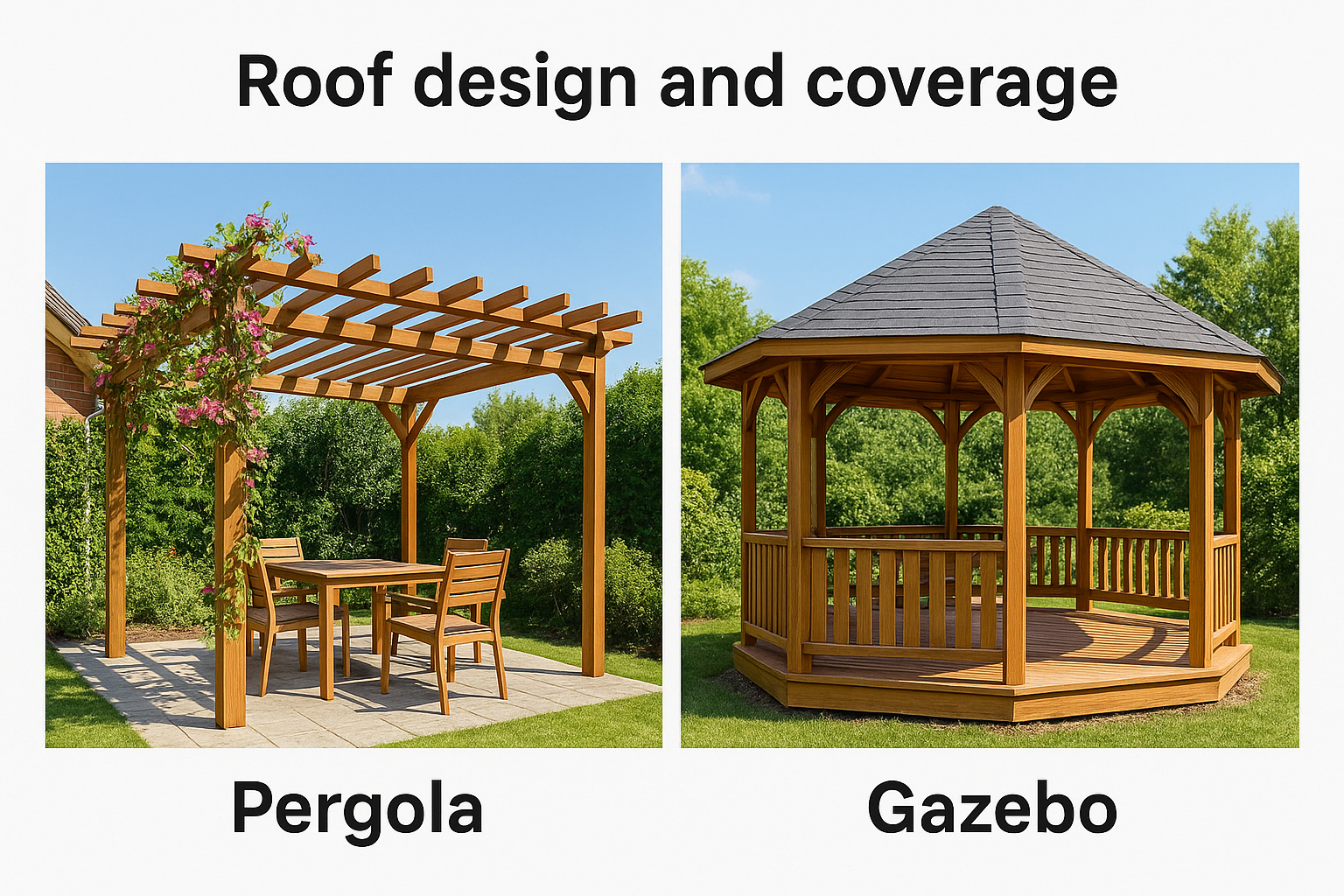
Gazebos come with solid roof systems made from materials like asphalt shingles, metal sheets, or polycarbonate panels. The roof completely covers the space underneath. You get full protection from rain, sun, and falling debris. Most gazebo roofs include proper drainage systems with gutters to channel rainwater away. The enclosed roof design means you sacrifice natural airflow but gain reliable shelter during Malaysia's unpredictable weather patterns.
A solid gazebo roof protects your outdoor furniture and electronics from sudden tropical downpours that pergolas cannot prevent.
Structural placement and footprint
Pergolas adapt to tight spaces through flexible installation options. You can attach them directly to your house wall, creating a covered extension of your indoor living area. They work as freestanding structures too, positioned over patios or walkways. Rectangular shapes fit naturally along property lines and against existing walls. This versatility makes pergolas ideal for smaller Malaysian gardens where every square meter counts.
Gazebos stand as independent structures that need clearance on all sides. Most designs feature octagonal, hexagonal, or circular floor plans. You need to account for 360-degree access when planning placement. Gazebos typically include raised wooden or composite floors built 15-30 cm above ground level. This elevation protects against flooding during heavy rain and creates a defined living space separate from your main garden.
Costs, maintenance and durability
Your pergola vs gazebo budget extends far beyond the initial purchase price. You need to account for installation costs, ongoing upkeep expenses, and how long each structure will last in Malaysia's harsh tropical conditions. These factors significantly impact your long-term investment value and the actual cost of ownership over 10 to 15 years.
Initial investment breakdown
Pergola costs in Malaysia start around RM 3,000 for basic metal or wooden kits you install yourself. Custom-built wooden pergolas with quality pressure-treated timber run between RM 8,000 to RM 15,000 depending on size and design complexity. Aluminum pergolas with retractable roofs cost more, typically RM 12,000 to RM 25,000. Gazebos demand higher upfront investment. Basic wooden gazebos start at RM 8,000 for smaller structures. Quality gazebos with proper roofing, built-in flooring, and weather protection range from RM 15,000 to RM 30,000 or more. Installation fees add another 15 to 25 percent to your total project cost for either structure.
Ongoing maintenance requirements
Pergolas need quarterly cleaning to remove dirt, mold, and plant debris from slats. Wooden pergolas require resealing or staining every two to three years to prevent rot and termite damage. Metal pergolas need rust inspection and touch-up paint annually, especially near joints. Budget around RM 500 to RM 1,200 yearly for basic pergola maintenance. Gazebos demand more intensive care. You must clean and inspect the roof system twice yearly, checking for leaks, damaged shingles, or clogged gutters. The raised floor needs annual treatment to prevent wood rot in humid conditions. Expect to spend RM 1,000 to RM 2,500 yearly on gazebo maintenance, with roof replacement every 10 to 15 years adding significant expense.
Lifespan and weather resistance
Quality pergolas last 15 to 25 years with proper maintenance. Aluminum structures outlive wooden ones in tropical climates. The open design helps pergolas withstand strong winds better than gazebos. Heavy rain accelerates wear on wooden components. Gazebos typically survive 20 to 30 years when built correctly. The solid roof protects structural elements underneath but creates more wind resistance during storms.
Gazebos face higher repair costs after severe weather events due to their larger roof surface area exposed to wind and rain.
Ideas for Malaysian homes and gardens
Your pergola vs gazebo choice works best when adapted to Malaysian climate and typical property layouts. Most Malaysian homes feature limited outdoor space, especially in urban areas. You need designs that maximize functionality while handling high humidity and intense afternoon sun. Smart material choices and thoughtful placement help either structure thrive in tropical conditions.
Tropical design adaptations
Aluminum and composite materials outlast wood in Malaysia's humid environment. You avoid termite problems and constant moisture damage that plague wooden structures. Paint metal frames in light colors like white or cream to reflect heat rather than absorb it. Install your pergola with climbing plants like jade vines or golden showers that provide natural cooling and extra shade. Gazebos benefit from polycarbonate roofing that blocks UV rays while letting diffused light through. Add ceiling fans to improve air circulation under solid gazebo roofs during hot afternoons.
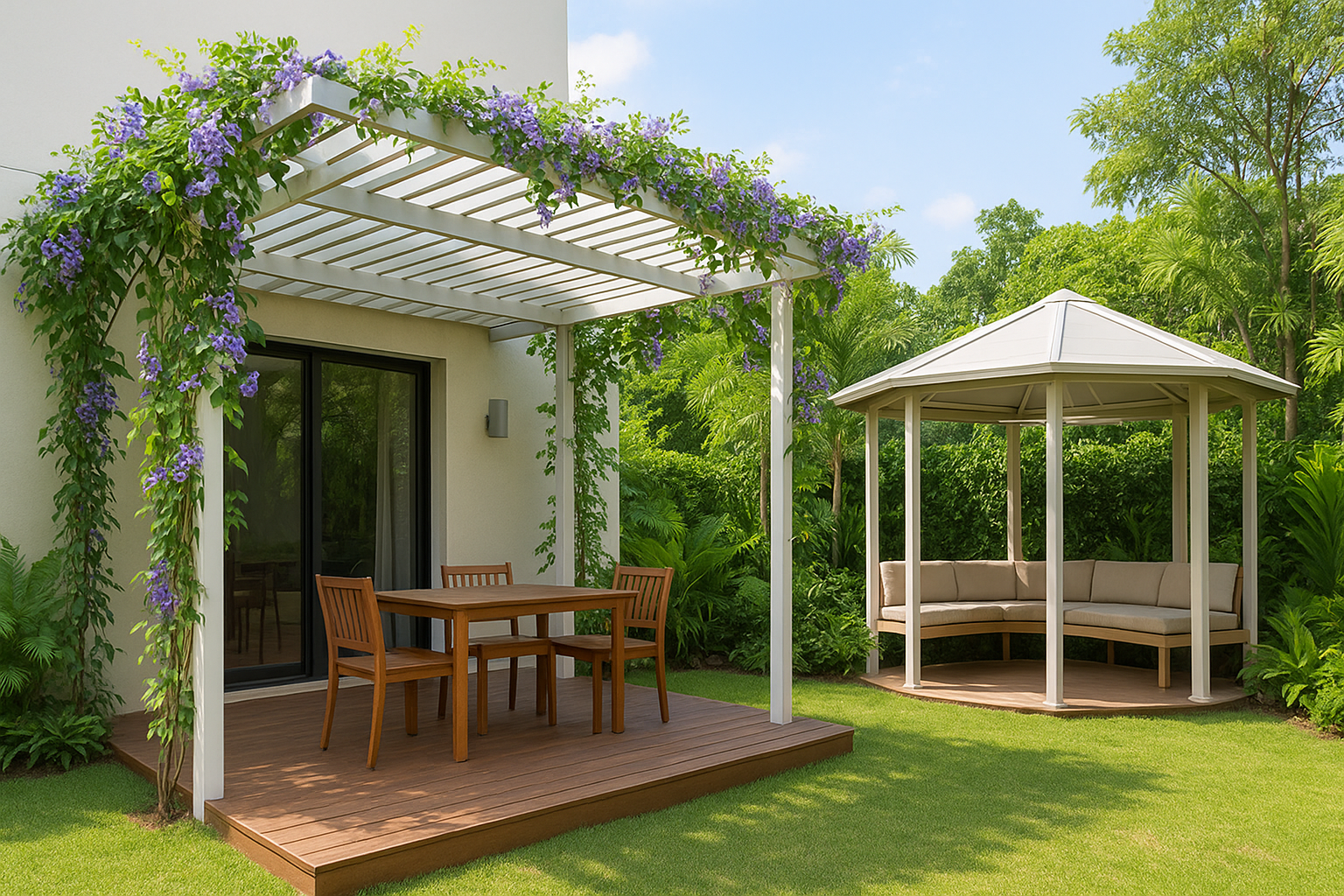
Choose materials that resist mold growth and require minimal repainting in tropical humidity.
Compact designs for terrace homes
Terrace and semi-detached homes need space-efficient solutions. Attach a narrow pergola along your back wall to create a covered walkway or small dining area. You can fit a 2-meter by 3-meter pergola comfortably in typical terrace backyards. Small hexagonal gazebos work in corner positions where they become garden focal points. Add built-in bench seating to maximize usable space without cluttering your limited outdoor area with separate furniture pieces.
Next steps for your garden
You now understand the core differences in the pergola vs gazebo debate. Your next move depends on your specific space, budget, and how you plan to use your outdoor area. Start by measuring your available garden space and determining your maximum budget for both initial installation and ongoing maintenance over the next 10 years.
Consider visiting showrooms to see both structures in person. You get a better sense of scale and materials when you walk through actual installations. Take photos of your current garden space and bring measurements with you. Professional landscape designers can show you how either structure fits into your existing layout and suggest creative solutions for challenging spaces.
Ready to transform your outdoor area? Contact our landscape design team for a free consultation and personalized recommendations that match your Malaysian garden's unique needs.