


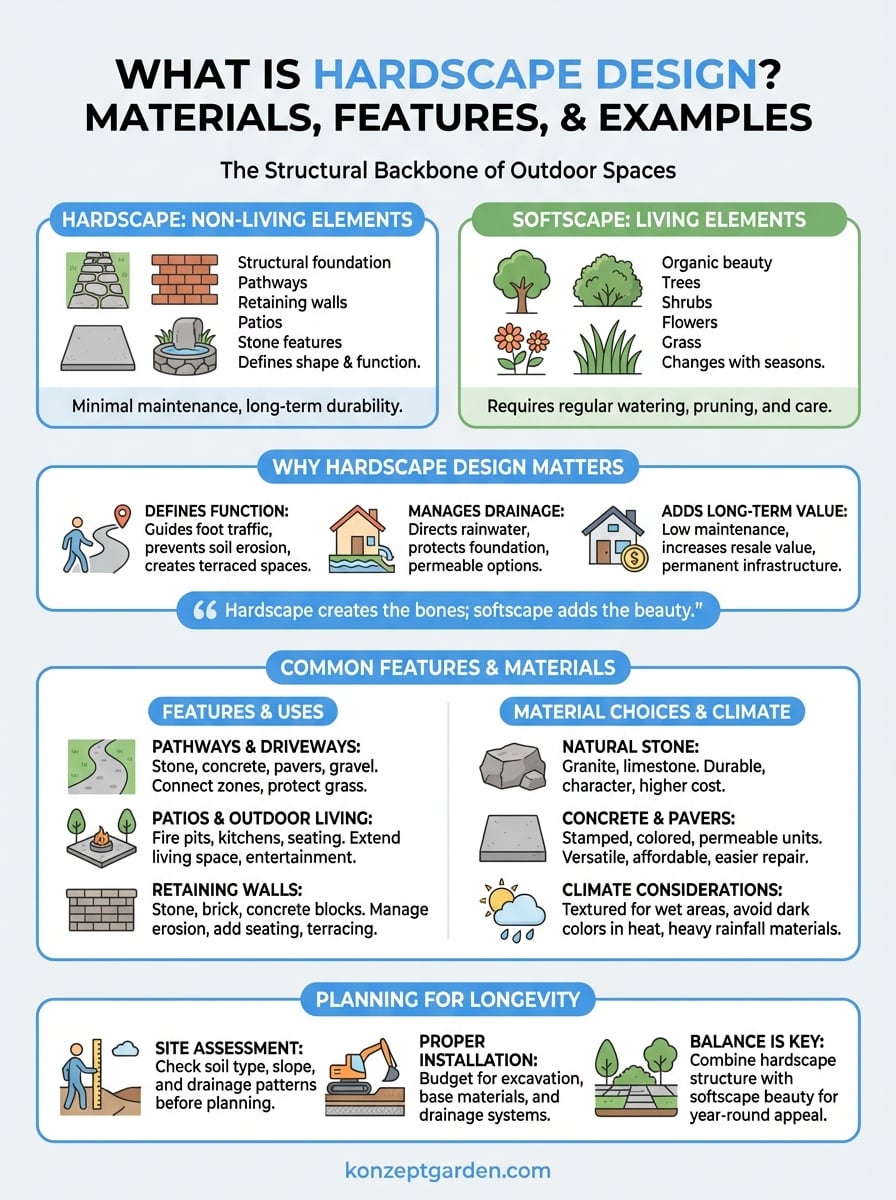
Every stunning garden starts with a solid foundation, quite literally. If you've ever wondered what is hardscape design, you're asking about the structural backbone of any outdoor space. Hardscape refers to the non-living elements in a landscape: the pathways, retaining walls, patios, and stone features that give your garden its shape and function. Without it, even the most beautiful plants have nowhere to shine.
At Konzept Garden, we've designed award-winning landscapes across Malaysia by balancing hardscape with softscape, the living elements like trees, shrubs, and flowers. Understanding the difference between these two components is essential before you plan any outdoor project, whether it's a small courtyard or a sprawling commercial property.
This guide breaks down the core materials, popular features, and real-world examples of hardscape design. By the end, you'll know exactly how hardscape fits into your landscape vision and where to start.
Why hardscape design matters in a landscape plan
Hardscape design shapes how you use your outdoor space, not just how it looks. When you plan a garden without considering the structural elements first, you end up with pathways that flood, patios that crack, or retaining walls that fail after the first heavy rain. These non-living components create the framework that supports everything else, from drainage systems to entertainment areas.
It defines function before aesthetics
Your hardscape determines where people walk, sit, and gather. A well-designed stone pathway guides foot traffic away from delicate plant beds while connecting different zones in your garden. Retaining walls prevent soil erosion on sloped properties and create usable terraced spaces. Without these functional elements in place first, even the most expensive plants struggle to thrive because water pools in the wrong areas or soil washes away during storms.
Hardscape creates the bones of your landscape, while softscape adds the beauty that changes with the seasons.
Drainage is another critical function that hardscape handles. Properly graded patios and permeable pavers direct rainwater away from your home's foundation, protecting your investment. This structural planning happens before you plant a single tree, which is why understanding what is hardscape design matters from day one of your project.
It adds long-term value to your property
Quality hardscape materials last decades with minimal maintenance compared to softscape elements that require regular pruning, watering, and replacement. A stone patio or concrete driveway increases your home's resale value immediately and provides functional outdoor living space that buyers recognize. When you invest in professional hardscape design, you're not just improving curb appeal but adding permanent infrastructure that serves your daily life and protects your property from weather-related damage.
Hardscape vs softscape and how they work together
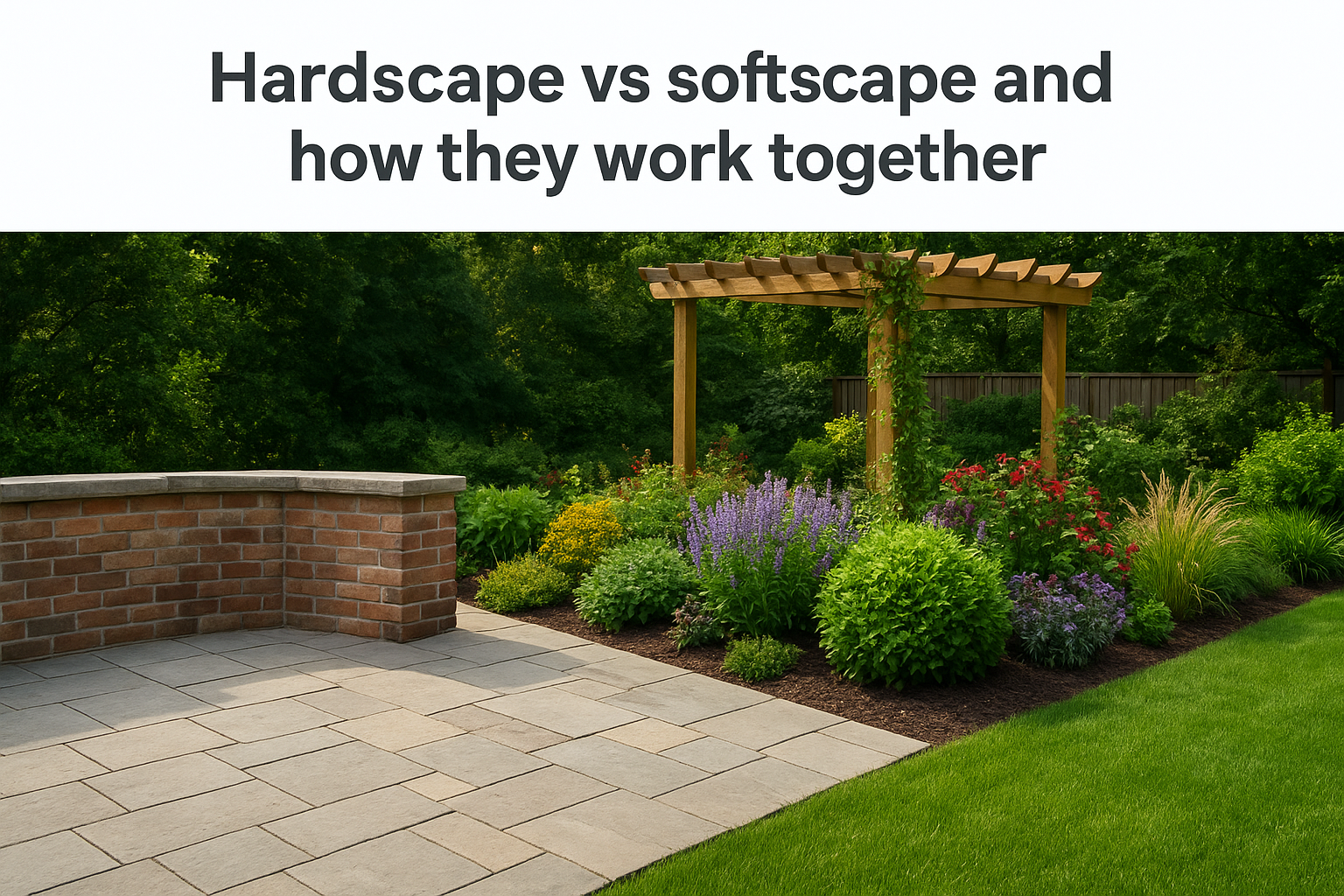
Hardscape includes all the non-living elements in your landscape, while softscape refers to the living components like plants, trees, grass, and flowers. When you understand what is hardscape design, you recognize that it creates the permanent structure while softscape adds the organic beauty that changes with seasons. The contrast between hard and soft materials defines the character of your outdoor space.
The structural divide
Stone patios, concrete walkways, and brick walls form your hardscape, requiring installation but minimal ongoing maintenance once in place. Your softscape demands regular care, from watering and fertilizing to pruning and seasonal replanting. This fundamental difference affects your long-term budget and time commitment. Properties with extensive hardscape features need less weekly attention than gardens dominated by softscape elements, though both require initial investment in quality materials and professional installation.
Creating balance for lasting appeal
The best landscapes blend both elements strategically. Your hardscape provides the structure where softscape thrives: retaining walls create planting beds, pavers define garden borders, and pergolas support climbing vines. Without hardscape, plants lack organization and purpose. Without softscape, your space feels cold and unwelcoming.
A successful landscape design uses hardscape to solve functional problems while softscape softens the structural elements and adds natural beauty.
This partnership creates outdoor spaces that work year-round regardless of weather or season.
Common hardscape features and where to use them
Your property needs specific hardscape features based on how you use outdoor space. Choosing the right elements depends on your climate, terrain, and daily activities. When you ask what is hardscape design, you're really asking which permanent structures solve your functional needs while enhancing your property's appearance.
Pathways and driveways
Stone pathways connect different areas of your garden while protecting grass from foot traffic damage. Concrete or paver driveways handle vehicle weight and provide durable parking solutions that last decades with proper installation. You'll see these features in front yards for street access and side yards for service areas. Gravel paths work well in informal garden settings where you want drainage and flexibility, while brick or concrete pavers suit formal landscapes that need clean lines and defined borders.
Patios and outdoor living areas
Patios extend your living space outdoors and create dedicated zones for dining or entertainment. You position these hardscape features adjacent to your home for easy access, typically off the kitchen or living room. Retaining walls add seating on sloped properties while managing erosion. Fire pits and outdoor kitchens require solid foundations that only hardscape provides, making these features central to outdoor entertainment areas.
The location of each hardscape feature determines how well your outdoor space functions throughout the year.
Hardscape materials and how to choose
Material selection defines your hardscape's durability and appearance for decades to come. When you choose materials that match your climate and property conditions, you avoid costly repairs and premature replacement. Understanding what is hardscape design includes knowing which materials perform best in Malaysia's tropical weather, heavy rainfall, and high humidity.
Natural stone and concrete options
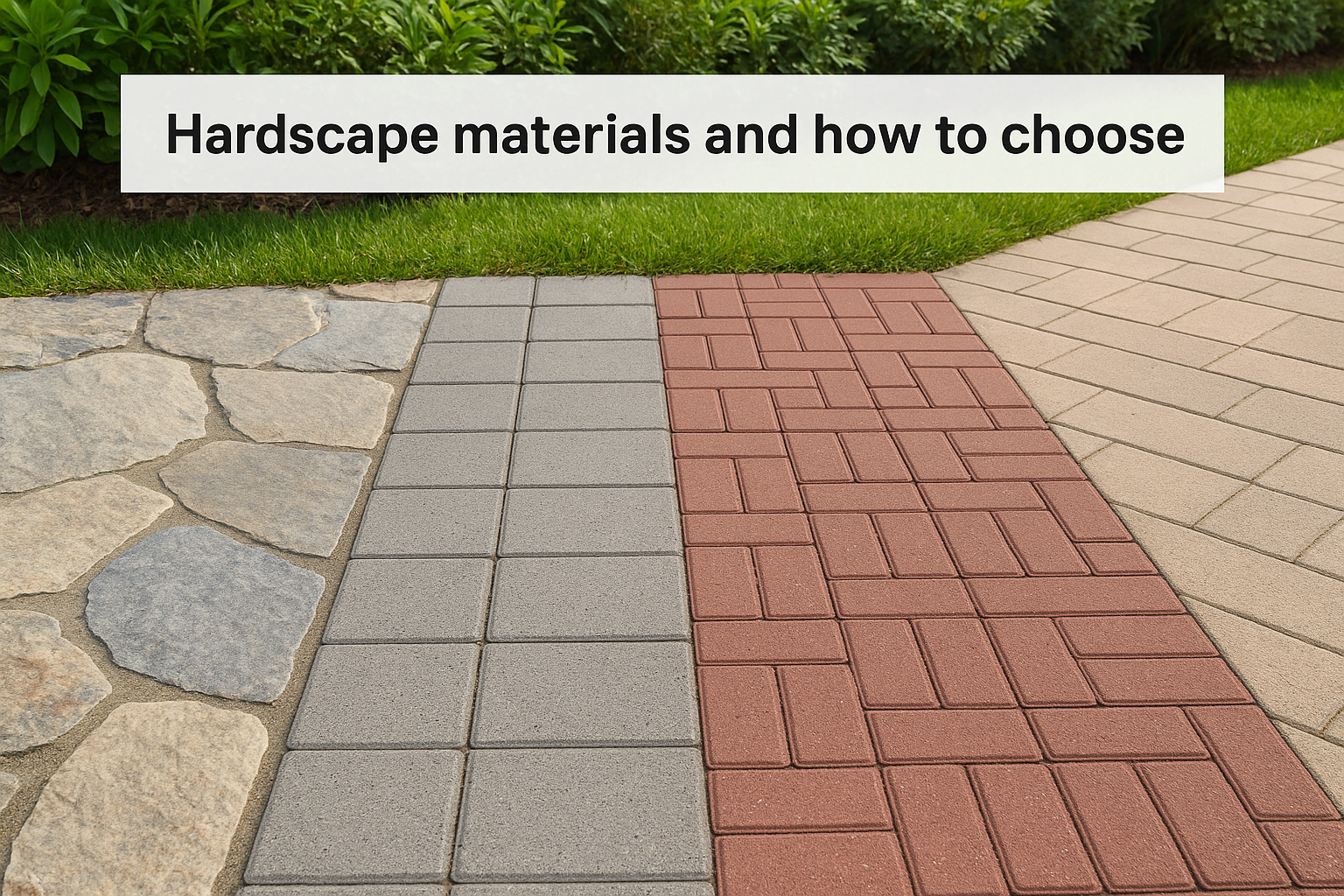
Natural stone like granite and limestone withstands heavy use and develops character over time rather than showing wear. You pay more upfront but gain materials that last generations with minimal maintenance. Concrete offers versatility through stamped patterns and colored finishes at lower initial cost. Pavers provide easier repair than poured concrete because you replace individual units instead of entire sections when damage occurs.
Your material choice affects drainage, with permeable pavers allowing water to pass through while solid concrete requires careful grading to prevent pooling. Local availability matters since imported materials increase costs significantly and may not suit regional weather patterns.
Climate and maintenance considerations
Malaysia's heavy monsoons demand materials that resist water absorption and prevent algae growth. Textured surfaces reduce slip hazards on wet pathways and pool decks. Dark colors absorb heat and become uncomfortable barefoot, while lighter tones reflect sun but show dirt faster.
Choose materials based on your willingness to maintain them, not just their initial appearance.
Sealed surfaces need reapplication every few years, while natural stone requires less intervention but accepts weathering as part of its aesthetic.
How to plan a hardscape design that lasts
Planning your hardscape design starts with understanding site conditions before you commit to any materials or features. Your soil type, drainage patterns, and slope determine which structures work and which fail within a few years. When you grasp what is hardscape design, you realize it requires technical assessment, not just aesthetic decisions. Properties with poor drainage need permeable materials and proper grading, while stable soil supports heavier structures like stone walls without additional foundation work.
Start with site assessment and grading
Professional grading prevents water from pooling near your home's foundation or flooding your patio during heavy rain. You need to slope surfaces away from buildings at a minimum rate that local building codes specify. Testing your soil composition reveals whether you need compacted base layers before installing pavers or if your ground supports weight naturally. Clay soils expand and contract, requiring deeper foundations for retaining walls, while sandy soils drain well but shift without proper edging.
Invest time in site preparation and you avoid expensive repairs that cost more than doing it right the first time.
Budget for proper installation methods
Cutting corners on installation ruins even premium materials. Your budget should allocate funds for excavation, base materials, and drainage systems, not just the visible hardscape elements. Professional installation ensures proper compaction and leveling that prevent settling or cracking over time.
Final takeaways
Understanding what is hardscape design gives you control over how your outdoor space functions and ages over time. You now know the difference between hardscape and softscape, how materials perform in different climates, and which features solve specific property challenges. Your landscape needs both structural elements and living plants working together, not competing for attention or budget.
Start your hardscape planning with site assessment rather than material catalogs. Professional grading and drainage design prevent problems that cost far more to fix than prevent. Quality materials and proper installation methods protect your investment for decades while inferior shortcuts lead to repairs within months.
Your hardscape project deserves expert planning that accounts for Malaysia's climate, your property's unique conditions, and how you actually use outdoor space. At Konzept Garden, we create comprehensive landscape designs that balance structural elements with natural beauty. Contact our team for a free consultation and discover how award-winning hardscape design transforms your property into a functional outdoor living area.


