


Living in Malaysia often means working with compact balconies, cozy patios, or modest backyards. But limited square footage doesn't mean you have to sacrifice greenery. Vertical garden ideas for small spaces offer a smart way to bring nature into your home without eating up precious floor area. Whether you're renting a city apartment or own a townhouse, going vertical lets you grow more plants in less space.
At Konzept Garden, we've helped countless Malaysian homeowners transform tight corners into thriving green walls and pocket gardens through our award-winning landscape design services. This guide shares seven practical vertical garden ideas that blend style with function, perfect for homes where every inch counts. You'll find inspiration for both indoor and outdoor setups, along with tips to keep your vertical garden looking fresh year-round.
1. EcoWall style modular living wall
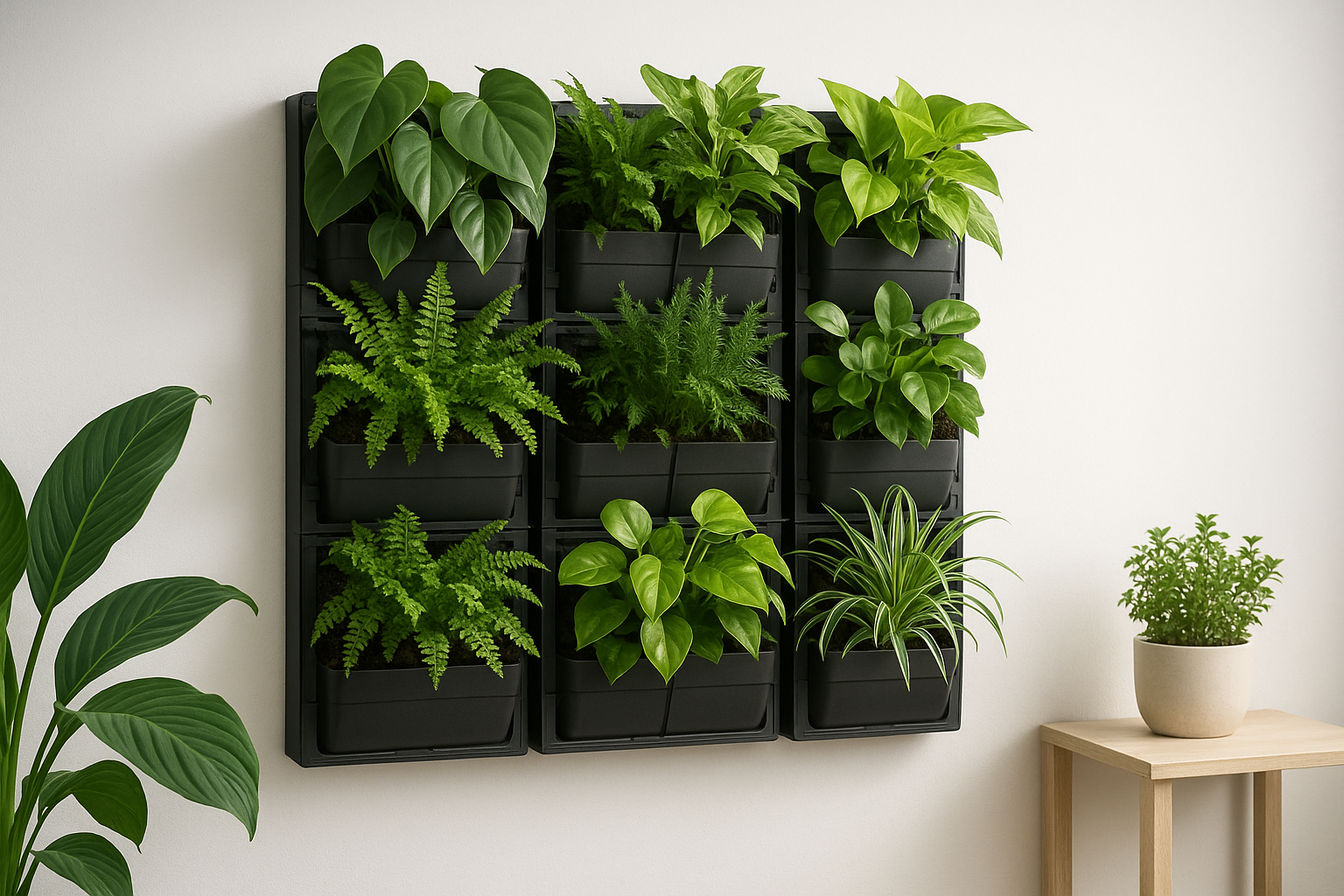
A modular living wall system brings instant greenery to blank vertical surfaces without the hassle of custom construction. EcoWall-style panels snap together to create lush focal points on interior or exterior walls, making them one of the smartest vertical garden ideas for small spaces. Each module contains built-in pockets that hold soil and plants, so you can cover an entire wall or just a section depending on your available space. The beauty of this approach lies in its flexibility: you start with a few panels and expand as your confidence grows.
Where this works best in a small Malaysian home
You'll get the most impact by placing your modular wall in high-traffic areas where people pause and look. Interior lobbies, stairwell landings, and the wall behind your dining table all work well. Outdoor installations shine on balcony privacy screens or courtyard feature walls where neighbors peek in. Choose spots with natural light or install grow lights for darker corners, because even shade-loving plants need a minimum of three hours of indirect brightness daily.
How the system goes up and what it needs behind the wall
Most modular systems attach to wall studs or masonry anchors rated for at least twice the loaded weight. You'll need a waterproof backing layer such as marine plywood or a plastic membrane to protect your wall from moisture damage. Brackets or rails clip onto this base, then panels hang from the rails like picture frames. The entire setup usually takes two people a few hours to complete, and you can remove panels individually for maintenance without dismantling the whole wall.
A proper waterproof barrier saves you from costly repairs when humidity builds up behind the plants.
Best plant picks for heat, rain, and partial shade
Select tropical varieties that tolerate Malaysia's humidity and temperature swings. Ferns, pothos, philodendron, and spider plants thrive in partial shade and forgive occasional watering lapses. For brighter walls, try compact bromeliads, hoyas, or trailing peperomias that add texture without heavy root systems. Avoid succulents unless your wall receives direct morning sun, because they rot quickly in damp pockets.
Watering, drainage, and leak prevention
Built-in drip irrigation keeps your wall evenly moist while minimizing manual effort and water waste. Gravity-fed systems work if you refill a reservoir weekly, or connect a pump timer for fully automated watering. Each panel needs drainage holes at the bottom so excess water flows into a catch tray instead of pooling against the wall. Check fittings monthly and replace worn tubing before leaks start.
Budget range and what drives the total cost
Expect to spend RM 150 to RM 300 per square meter for quality modular panels, plus another RM 200 to RM 500 for mounting hardware and irrigation components. Larger installations bring the per-meter cost down, while automated systems with pumps and timers push budgets higher. Plant costs vary, but filling a typical wall runs another RM 300 to RM 600 depending on species and maturity.
2. Balcony trellis for climbing edibles
A trellis turns your vertical space into a productive edible garden while keeping floor area clear for chairs and planters. Climbing vegetables deliver higher yields per square meter than sprawling bush varieties, making trellises one of the most practical vertical garden ideas for small spaces. You train vines upward along strings, mesh, or wooden frames, then harvest fresh produce without bending down or navigating through dense foliage. Most climbers produce fruit all season once established, giving you steady returns from minimal footprint.
Trellis types that fit tight balconies and patios
Freestanding A-frames and folding zigzag panels work well when you rent or cannot drill into walls. Wall-mounted grids and cable systems maximize space by attaching directly to railings or brick surfaces. Choose rust-proof materials like powder-coated steel or treated bamboo that withstand Malaysia's rain and humidity without warping or corroding.
Climbing vegetables and herbs that thrive in Malaysia
Long beans, winged beans, and cucumber vines produce abundantly in full sun and warm temperatures. Passionfruit and chayote tolerate partial shade while still fruiting reliably. For herbs, try climbing spinach or Malabar spinach that stays productive even during hot spells when other greens bolt.
Pot sizing, soil mix, and feeding for heavy feeders
You need containers at least 40 cm deep and wide to support vigorous root systems. Mix equal parts potting soil, compost, and cocopeat for drainage and nutrients. Feed weekly with diluted liquid fertilizer once flowering starts, because fruiting vines deplete soil faster than leafy crops.
Heavy feeders like beans and cucumbers need consistent nutrition to keep producing throughout the growing season.
Training vines, pruning, and pest prevention
Guide new tendrils to the trellis daily so they climb straight instead of tangling or drooping. Pinch off excessive side shoots to direct energy into fruit production. Spray neem oil every two weeks to control aphids and whiteflies before infestations damage leaves.
Budget range and DIY vs ready-made costs
DIY bamboo or string trellises cost RM 30 to RM 80 depending on height and materials. Ready-made metal frames run RM 150 to RM 400 but last years longer. Add RM 50 to RM 100 for pots, soil, and starter plants.
3. Hanging pocket herb wall
Fabric pocket planters attach to any vertical surface and turn blank walls into productive herb gardens. These vertical garden ideas for small spaces suit apartment kitchens and covered patios where you want fresh ingredients within arm's reach. Multiple pockets stack vertically in a single column or grid pattern, letting you grow six to twelve herbs in the space one hanging basket would occupy. The lightweight design means you can move your herb wall around seasonally or take it down when you relocate.
Best placements to avoid mess and maximize light
Mount your pocket wall on kitchen backsplashes near prep areas or on balcony railings that receive morning sun. Keep it away from high-traffic doorways where people brush past and knock soil loose. South-facing walls in covered areas give you bright indirect light without rain damage, while fully exposed spots need waterproof backing fabric.
What to plant in pockets and what to avoid
Fill pockets with compact herbs like basil, mint, parsley, and cilantro that tolerate shallow root zones. Chives, oregano, and Thai basil also perform well. Skip rosemary and lemongrass because their deep taproots outgrow standard pockets quickly and struggle without more soil depth.
Shallow-rooted herbs adapt better to pocket gardens than woody perennials that need extensive root space.
Soil, liners, and preventing rot and mold
Use a lightweight potting mix with perlite that drains quickly instead of heavy garden soil. Line each pocket with landscape fabric if the original material feels too porous. Ensure bottom drainage holes stay clear so water flows through rather than pooling against the wall, which invites fungal growth.
Watering strategy so top pockets do not drown lower ones
Water top pockets lightly first, then work your way down as excess moisture cascades naturally. Check bottom pockets before adding more water because they stay damp longer. A turkey baster or small watering can gives you precise control over each pocket's moisture level.
Budget range and materials checklist
Quality fabric pocket walls cost RM 80 to RM 150 depending on pocket count and material thickness. Add RM 40 for potting mix and RM 30 to RM 60 for herb seedlings.
4. Ladder shelf vertical container garden
Ladder shelves bring vertical garden ideas for small spaces to life without permanent installation or wall drilling. These freestanding tiered units lean against railings or walls while holding multiple pots at different heights, creating depth and visual interest in cramped corners. You can rearrange plants seasonally, move the entire setup when you clean, or take it along when you relocate. The stepped design also makes watering and harvesting easier because every plant sits within comfortable reach instead of forcing you to stretch or climb.
What to look for in a stable ladder or tiered rack
Choose units with wide-spaced legs and bottom crossbars that prevent tipping when fully loaded with wet soil. Metal frames with powder coating resist rust better than untreated wood in Malaysia's humidity. Look for adjustable shelf heights so you can fit larger pots on bottom tiers while keeping compact herbs higher up where light reaches them.
Best pot shapes, tray setups, and drip management
Use pots with attached saucer trays or separate catch plates under each container to trap runoff before it drips onto lower shelves. Cylindrical pots maximize shelf space better than square planters that leave gaps. Position your tallest plants on top shelves so they cascade downward without blocking sunlight from lower tiers.
Plant combinations that look good and grow well
Pair trailing pothos or sweet potato vine on upper levels with upright snake plants or ZZ plants below for contrasting textures. Mix flowering petunias with aromatic basil and mint to create layers of color and scent. Sun-loving tomatoes and peppers occupy top shelves while shade-tolerant ferns fill bottom positions.
Strategic plant placement by light requirements keeps every tier productive without wasted growing space.
Maintenance routine that keeps it tidy and productive
Check soil moisture daily during hot spells because elevated pots dry faster than ground-level containers. Rotate pots weekly so all sides receive equal light exposure and plants grow evenly. Prune dead leaves and spent flowers immediately to maintain a clean appearance and prevent pests from establishing.
Budget range for indoor and outdoor setups
Basic wooden ladders start at RM 100 to RM 180 while sturdy metal units run RM 250 to RM 450. Add RM 80 to RM 150 for pots, saucers, and quality potting mix.
5. Wall-mounted gutter garden
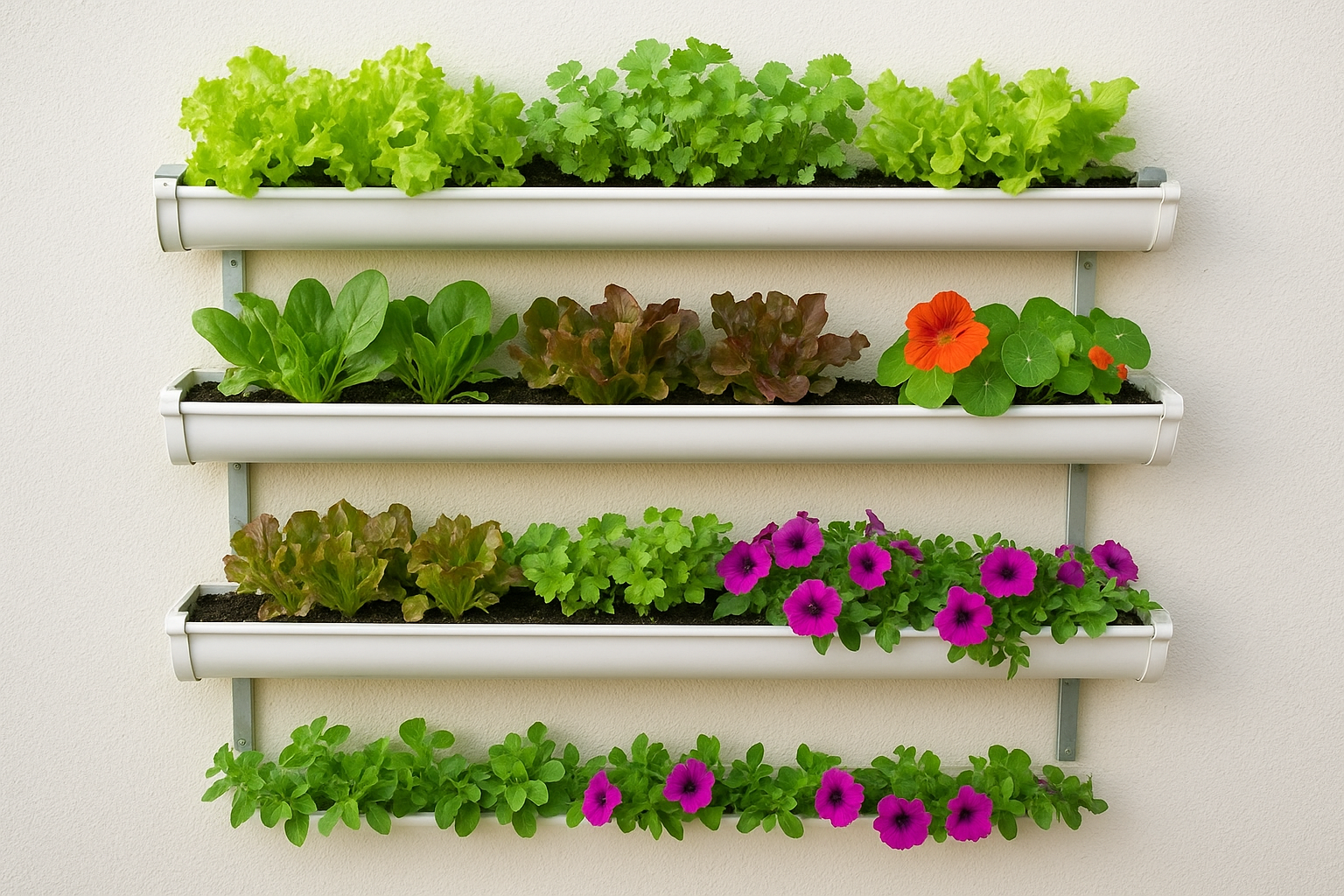
Repurposed gutters create horizontal growing channels that mount flush against walls or railings, making them ideal when traditional vertical garden ideas for small spaces feel too bulky. These shallow troughs hold just enough soil for quick-growing crops and shallow-rooted ornamentals while taking up only 10 to 15 centimeters of depth. You stack multiple gutters at eye level for easy harvesting or stagger them at different heights to maximize sun exposure. The linear design works particularly well on narrow balcony walls where bulky planters would block walking paths or obstruct views.
When gutters work better than shelves or pockets
Gutters suit fast-growing leafy greens and annual flowers better than deep-rooted perennials that need substantial soil volume. Choose this setup when you want to grow salad crops continuously by replanting every few weeks instead of maintaining permanent plants. They also excel on walls with limited mounting points because a single bracket holds an entire row rather than supporting individual pots.
Safe mounting and spacing for airflow and sun
Anchor gutters to wall studs or masonry plugs rated for outdoor use and moisture exposure. Space rows at least 25 to 30 centimeters apart vertically so lower plants receive adequate sunlight and air circulates freely between tiers. Slight downward tilt toward one end prevents water from pooling in the middle sections.
Proper spacing between gutter rows stops upper plants from shading out lower ones and reduces fungal disease risk.
Best shallow-root crops and ornamentals
Plant lettuce, arugula, spinach, and pak choy that mature quickly in shallow soil. Herbs like cilantro, dill, and scallions also thrive in gutters. For color, try petunias, nasturtiums, or trailing lobelia that cascade beautifully without needing deep roots.
Drainage holes, runoff control, and mosquito prevention
Drill holes every 15 to 20 centimeters along the bottom so excess water escapes instead of creating stagnant pools. Position gutters where runoff drains into catch trays or directly onto soil below rather than splashing walls. Empty standing water immediately because mosquitoes breed in just three days under Malaysian conditions.
Budget range and common mistakes to avoid
PVC gutters cost RM 8 to RM 15 per meter while metal versions run RM 20 to RM 35 per meter. Add RM 30 to RM 60 for brackets and mounting hardware. Avoid gutters narrower than 10 centimeters because they dry out too fast, and skip painting unless you use exterior-grade non-toxic paint that won't leach into your edibles.
6. Pallet planter wall
Wooden pallets transform into budget-friendly vertical planters that add rustic charm to balconies and courtyards. These recycled structures stand vertically or lean against walls, creating pocketed growing spaces between slats where you tuck soil and plants. Pallets rank among the most accessible vertical garden ideas for small spaces because you often find them free from furniture stores or warehouses, and assembly requires only basic tools. The wood's natural texture blends with both modern and traditional Malaysian home styles while providing excellent drainage through gaps in the boards.
How to choose and prep a safe pallet
Select pallets stamped HT (heat-treated) rather than MB (methyl bromide treated) because chemical residues harm edible plants and soil organisms. Look for pallets with tight slat spacing under 10 centimeters so soil bags stay secure. Sand rough edges smooth and apply two coats of outdoor wood sealer to prevent rot in Malaysia's rainy seasons.
Lining, filling, and planting so soil stays put
Staple landscape fabric across the back, bottom, and sides to create enclosed pockets between slats. Fill each pocket with potting mix while the pallet lies flat, then plant starter plugs or seedlings. Let plants root for one to two weeks horizontally before standing the pallet upright so gravity doesn't pull soil through gaps.
Plant picks for sun, shade, and mixed exposures
Position sun-loving herbs like basil and rosemary in upper pockets where light hits strongest. Middle sections suit partial-shade ornamentals like coleus or begonias. Bottom pockets work well for trailing pothos or ferns that tolerate lower light levels.
Watering and fertilizing a fast-drying pallet garden
Water top pockets first and allow moisture to trickle down through lower sections. Check soil daily because vertical orientation and wood exposure cause rapid drying. Apply diluted liquid fertilizer weekly since frequent watering leaches nutrients faster than ground-level containers.
Vertical pallet gardens dry out twice as fast as traditional pots, so consistent watering schedules prevent stressed plants.
Budget range and time required
Free or low-cost pallets keep expenses to RM 40 to RM 80 for fabric, sealer, soil, and plants. Preparation and planting take two to three hours spread over multiple days to allow sealer curing and plant establishment.
7. Vertical tower planter
Tower planters stack multiple growing levels into freestanding columns that rotate for even sun exposure and easy harvesting from all sides. These cylindrical or square structures hold soil inside while plants grow out through side openings, creating living columns that produce more food per square foot than any other vertical garden ideas for small spaces. Most towers range from 90 to 150 centimeters tall and occupy less floor space than a single large pot while growing twelve to twenty plants. You place them anywhere that receives adequate light without needing wall support or permanent installation.
Who should choose a tower over a wall garden
Towers suit renters and homeowners who avoid drilling into walls or lack vertical surfaces for mounting systems. Choose towers when you want the flexibility to move your garden seasonally between shaded summer spots and sunny winter locations. They also work better than wall gardens for balconies with weight restrictions because you control the total load by adjusting tower size and soil volume.
What grows best in towers and how to plan the pockets
Plant strawberries, lettuce, herbs, and compact flowers that mature quickly without spreading horizontally. Place heavy feeders like tomatoes in bottom pockets where roots access more soil, then fill upper openings with lighter crops. Avoid root vegetables and sprawling vines that compete for limited internal space.
Watering methods that keep the whole tower hydrated
Install a central reservoir tube that distributes water evenly through all levels, or water from the top and let moisture percolate downward. Check bottom pockets first because they stay damp longest while upper sections dry faster and need more frequent attention.
Reservoir systems cut watering time by 70 percent while keeping moisture levels consistent from top to bottom.
Sun placement, rotation, and wind management on balconies
Position towers where they receive six hours of direct sun for fruiting crops or four hours for leafy greens. Rotate the entire unit quarter turns weekly so all sides develop evenly. Secure tall towers to railings during windy periods because their height creates sail effect that topples unstable units.
Budget range and ongoing upkeep costs
Basic plastic towers start at RM 120 to RM 250 while premium models with built-in reservoirs run RM 350 to RM 600. Add RM 60 to RM 100 annually for potting mix replacement and plant rotation.
Next steps
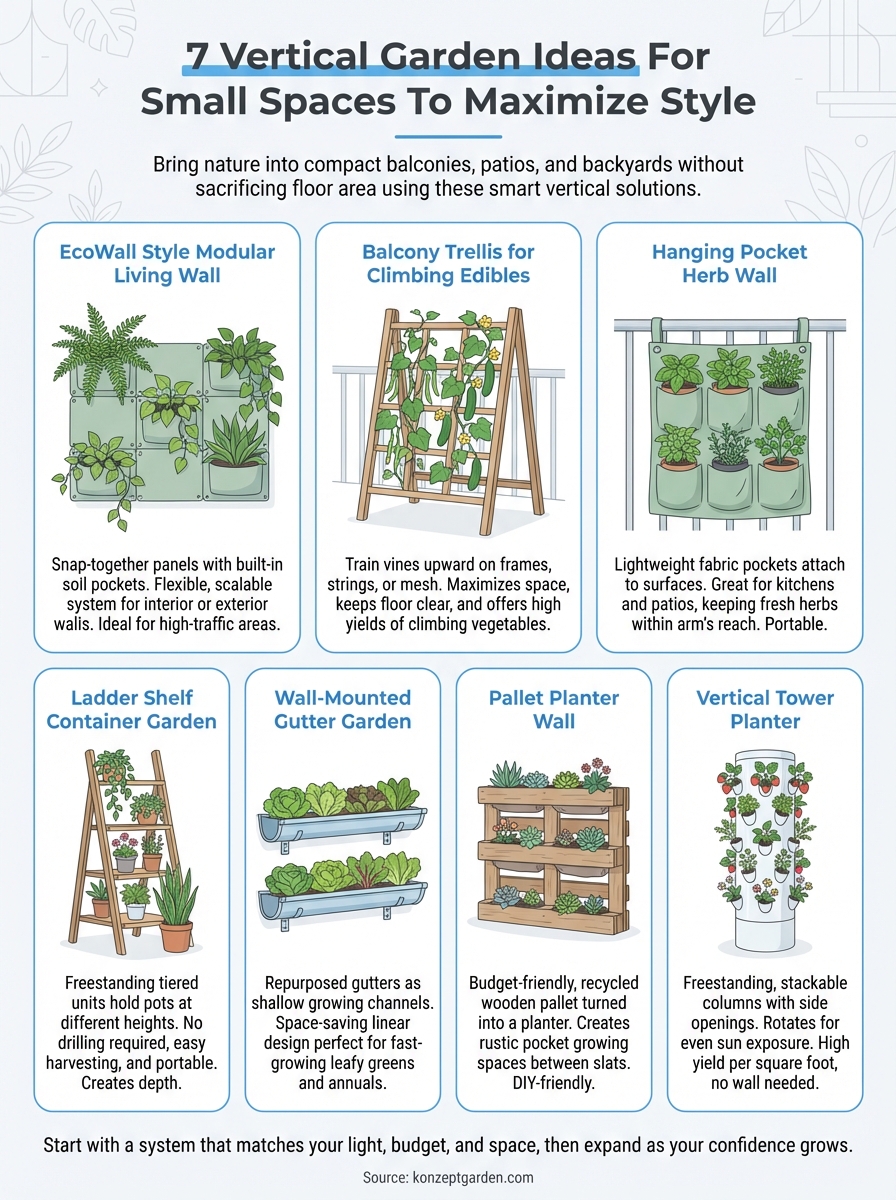
These seven vertical garden ideas for small spaces give you plenty of options whether you're working with a tiny balcony or a compact courtyard. Start with one system that matches your available light, budget, and maintenance time, then expand your setup as you gain confidence. Most homeowners find success by beginning with herbs or leafy greens that forgive watering mistakes and produce results quickly.
Your small space deserves thoughtful design that balances function with visual appeal. While DIY vertical gardens work well for experimenting with plants, professionally designed landscape solutions create cohesive outdoor spaces that integrate vertical elements with your home's architecture and lifestyle needs. At Konzept Garden, we've helped Malaysian homeowners maximize tight outdoor areas through award-winning designs that blend practicality with style. If you want to transform your entire outdoor area beyond a single wall garden, reach out to our team for a free consultation about custom landscape design that maximizes every square meter of your property.


