
A small garden in Malaysia has to survive heavy rain, harsh sun, and a busy owner. If you spend every weekend pruning, weeding, and replacing dead plants, the design is working against you. A good low maintenance small garden design fixes that from the start.
The answer is simple. Choose tough, tropical-friendly plants, limit your lawn, and use hard surfaces and smart materials where they make sense. Layout matters as much as plant choice. A well-planned 20 square meter space can look full and fresh all year with about an hour of care each week.
Below are 10 ideas we use in our own projects at Konzept Garden, from self-watering planters and artificial grass to vertical greenery and compact water features. Each one comes with plant suggestions that handle our climate, so you can borrow what suits your space and skip the guesswork.
1. Get a professional low maintenance garden design
How it works
A designer plans the upkeep out of your garden before anything goes in the ground. At Konzept Garden, we check sun hours, drainage, and access on site, then match every plant and material to those conditions. Most high-maintenance gardens are not caused by bad plants. They come from a mismatch between the plant and the spot.
A low maintenance garden is designed that way on paper, not fixed afterward with more weekend work.
The process is straightforward:
- Site visit and brief: we note light, drainage, access, and your budget.
- Concept and planting plan: zones, hard surfaces, and a plant list with mature sizes.
- 3D visualization: you review the design and adjust it before building starts.
- Implementation: the team builds, plants, and hands over a simple care guide.
Who it is for
This route suits busy homeowners who want the garden done right the first time. It also fits owners of new terrace houses, semi-Ds, and condo balconies, where a small footprint leaves little room for error. One wrong tree near a drain or boundary wall can cost far more to remove later than a plan would have cost upfront.
If you enjoy tinkering and have time to learn by trial and error, you can skip this step. Everyone else benefits from an expert botanist's input on plant choice. Our team has been recognized by ILAM, the Institute of Landscape Architects Malaysia, for this kind of work.
What to expect in a small space
Expect a tight, deliberate layout. In a space of 20 square meters, every element has a job. A designer will typically limit the lawn, group plants by water needs, and use hard surfaces where foot traffic is heavy. Plants are chosen for their mature size, so you are not hacking back an overgrown shrub in two years.
Price depends on the size, materials, and scope. The simplest way to get a figure is a free quotation from Konzept Garden, which you can request before committing to anything. A professional design also makes the next nine ideas on this list easier, because it decides where each one belongs.
2. Replace the lawn with artificial grass
How it works
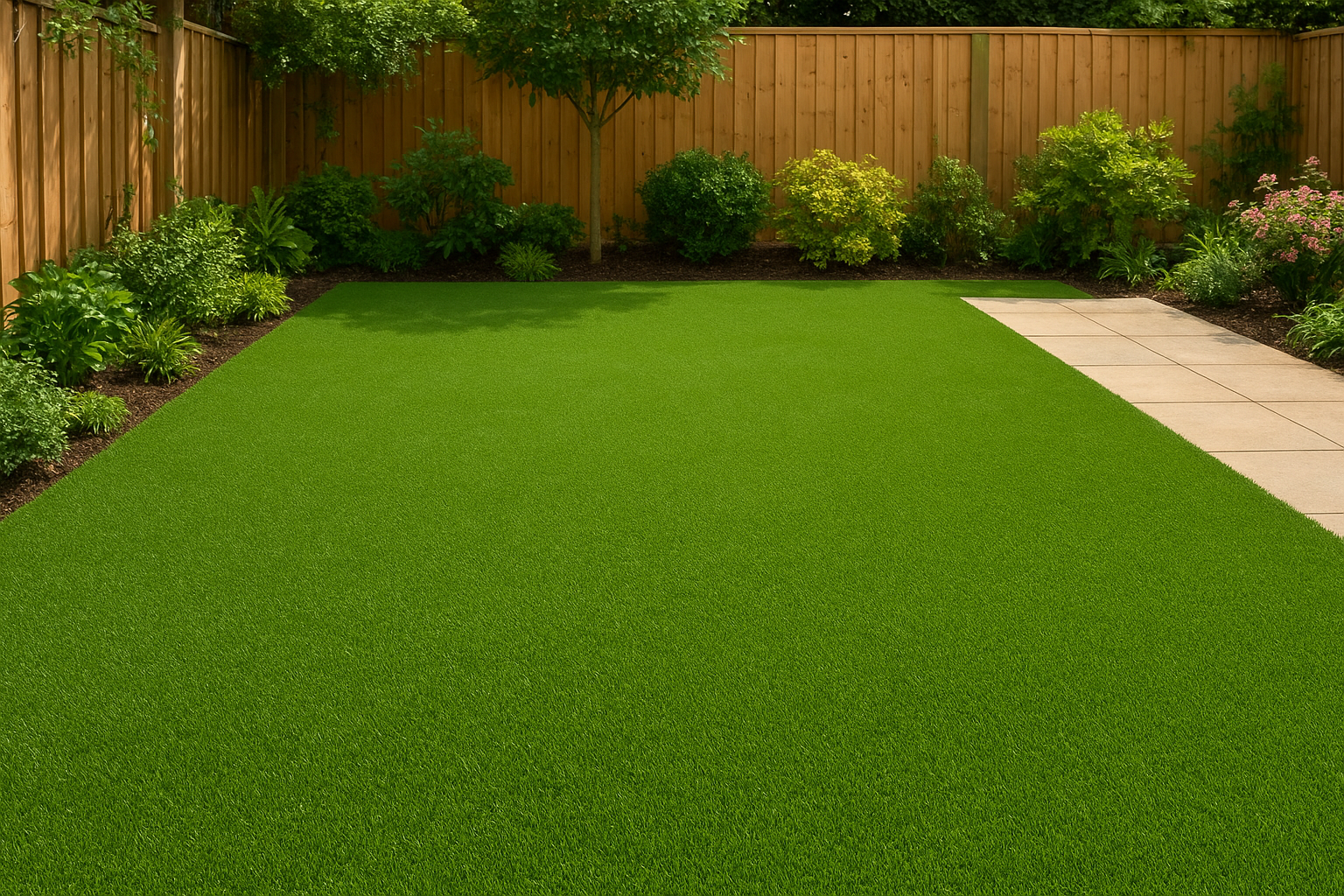
Natural lawn is the biggest time sink in a small garden. Under Malaysian rain and heat, grass needs mowing, edging, feeding, and constant patching. Noble Grass, our synthetic turf, swaps that routine for a permeable layered base topped with UV-stabilized turf. Rain drains straight through, so the surface dries fast after a downpour.
Artificial grass removes the mowing, but the base underneath decides how it looks in five years.
A proper installation has three layers:
- Compacted soil covered with a weed membrane.
- A crushed stone base, usually 50 to 75 mm thick, graded for drainage.
- Turf, joined with seam tape and fixed along the edges.
Who it is for
This idea suits small front yards and back lawns that turn patchy from shade, heavy foot traffic, or dogs. It also works well for busy owners who want a clean green look from day one and have no interest in weekend mowing.
Skip it if you want a cool surface for bare feet in full afternoon sun. Synthetic turf gets warmer than real grass at midday, so shade from a tree, pergola, or wall helps a lot.
What to expect in a small space
Expect upkeep to drop to a quick rinse and brush every few weeks, plus clearing fallen leaves. In a compact garden, the saving is easy to see:
| Task | Natural lawn | Artificial grass |
|---|---|---|
| Mowing | Weekly | None |
| Watering | Frequent in dry spells | None |
| Weeding | Regular | Rare |
The upfront cost is higher than sowing grass, but a small area keeps the total manageable. Surround the turf with compact planting so the whole space still feels alive, which is a core principle of any good low maintenance small garden design.
3. Choose large self-watering planters
How it works
A self-watering planter stores water in a reservoir below the soil, and the roots draw up what they need. The Ziant Hydro Planter works this way, so you refill the reservoir instead of watering daily. A larger box also holds more soil, which keeps roots cooler and steadier in Malaysian heat.
A large self-watering planter turns daily watering into a weekly check.
Setup is simple:
- Fill with a light, free-draining potting mix, not heavy garden soil.
- Fill the reservoir until water reaches the overflow point.
- Top it up as the plants use it, usually every week or so.
Who it is for
Planters suit balconies, condo terraces, and paved courtyards where there is no ground soil to plant in. They also suit frequent travelers who worry the plants will dry out while they are away.
Watch the weight on upper floors. A filled large planter is heavy, so check the load limit with your management office before you order.
What to expect in a small space
Expect to use a few big planters rather than many small pots. Line them along a boundary wall or beside seating, and the space feels fuller with far less fuss. Pick plants that enjoy steady moisture:
| Plant | Best spot |
|---|---|
| Dwarf ixora | Full sun |
| Lemongrass | Full sun |
| Bromeliad | Bright shade |
| Peace lily | Shade |
Group plants with similar light needs in one box. That habit alone makes a low maintenance small garden design far easier to keep tidy.
4. Grow a vertical garden on your walls
How it works
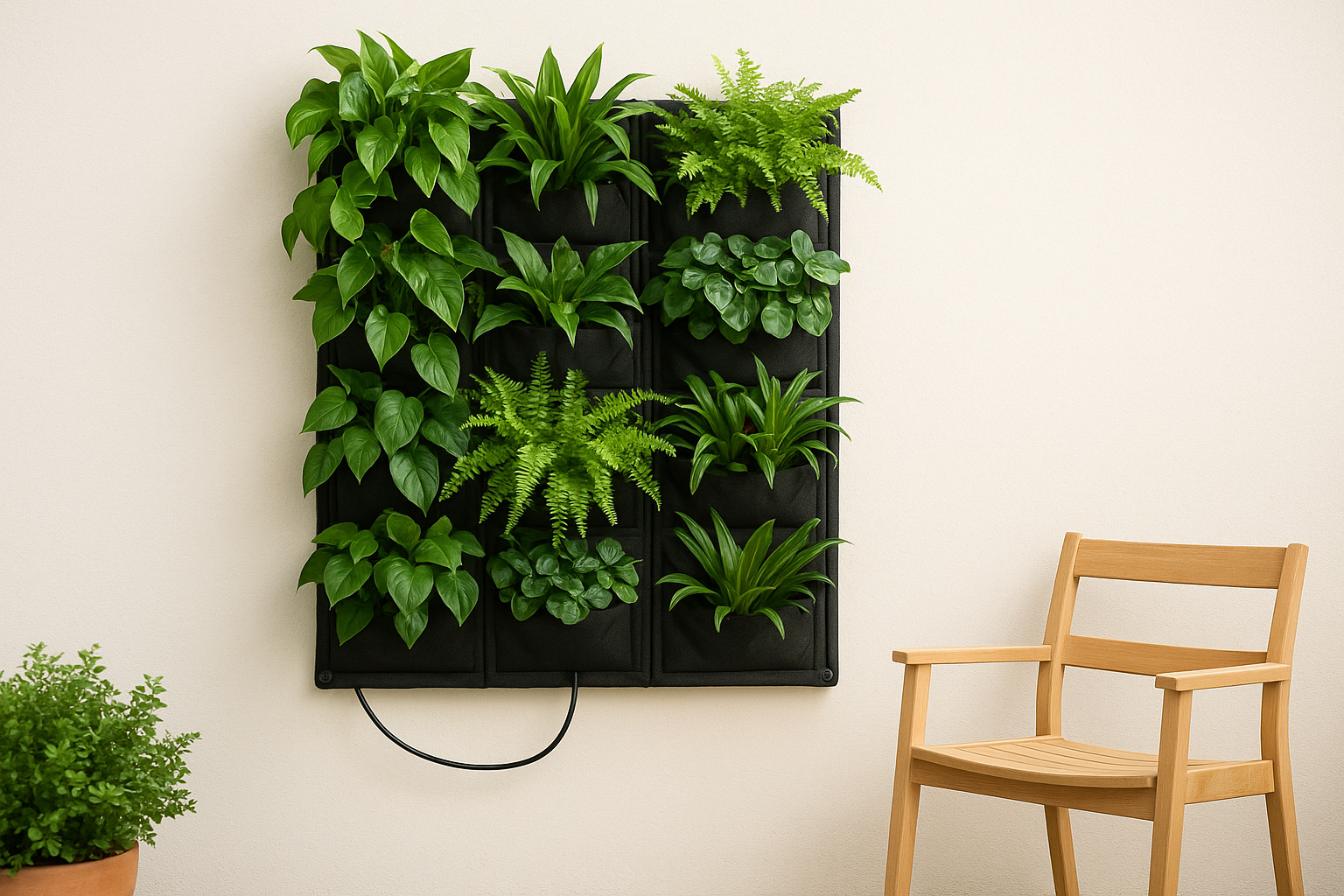
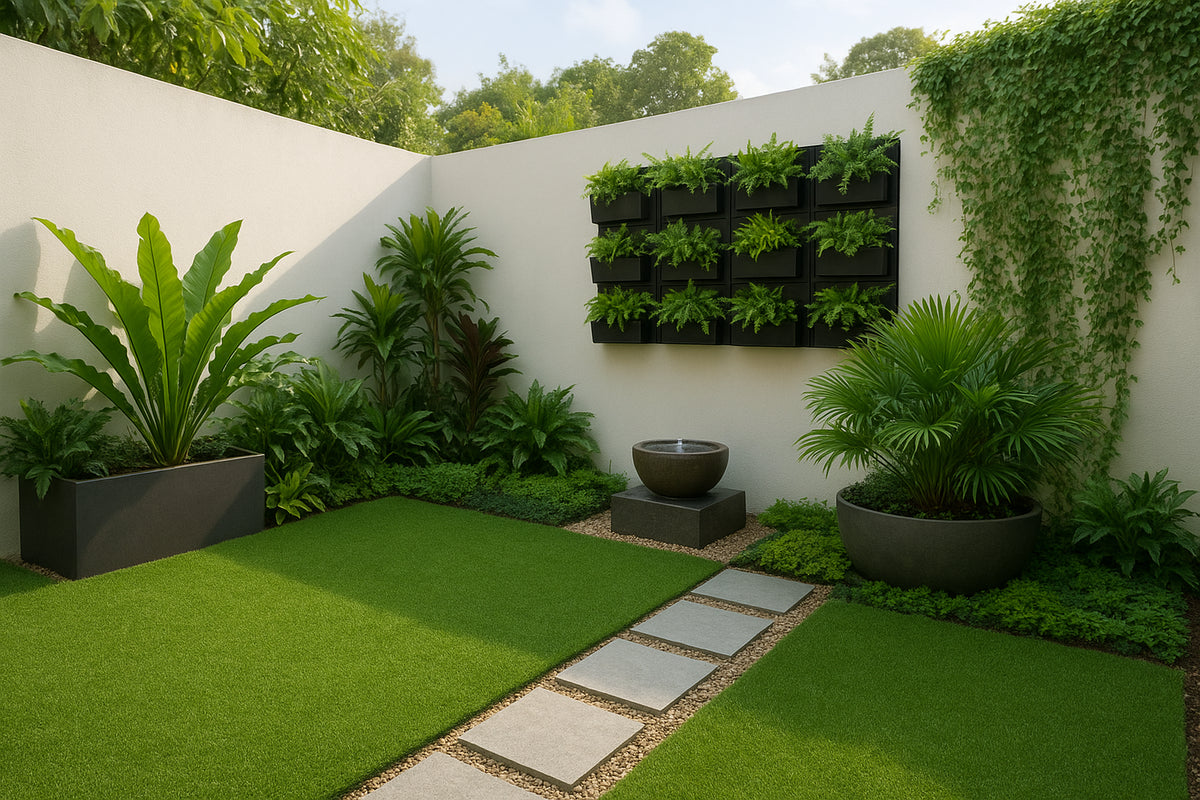
A vertical garden moves your planting onto the wall, so the floor stays free for seating. Modular systems such as EcoWall hold plants in stacked pockets or panels with a built-in watering line. That means you water the whole wall from one point instead of tending each plant.
A vertical garden gives a small space its greenery without using any floor area.
The basic parts are simple:
- A waterproof backing that protects your wall from moisture.
- Pockets or trays filled with light, free-draining mix.
- A drip line, ideally connected to a timer (see idea 8).
Who it is for
This idea suits courtyards, narrow side passages, and balconies with blank boundary walls and no room for ground beds. It also helps owners of terrace houses who want privacy and a green view without giving up patio space.
Check the light first. A wall that bakes in full afternoon sun needs tougher plants or a little shade cloth, otherwise leaves scorch quickly.
What to expect in a small space
Expect the wall to look full within three to four months as the plants knit together. Upkeep is light: a quick trim, and a check that the drip line is not blocked. A well-chosen wall is one of the most effective parts of a low maintenance small garden design, because it adds volume without adding chores.
Match plants to the light on your wall:
| Light | Reliable plants |
|---|---|
| Bright shade | Pothos, heartleaf philodendron |
| Shade | Boston fern, peperomia |
| Morning sun | Spider plant, dwarf bromeliad |
Avoid fussy flowering plants here. Foliage plants stay neat for months with almost no attention.
5. Pick tough, compact tropical plants
How it works
The right plant does the maintenance for you. Choose species with thick leaves, deep roots, or a slow compact habit, because they shrug off missed waterings and heavy rain. Always check the mature height and spread on the tag, since a shrub that outgrows its spot creates most of the pruning work.
In a small garden, a plant's mature size matters more than how it looks at the nursery.
Look for these traits:
- Slow growth, staying under 1.5 m tall.
- Leaves that stay tidy without deadheading.
- Few pests in humid conditions.
Who it is for
Forgetful waterers, frequent travelers, and first-time gardeners get the most from this idea. It also suits narrow beds along a fence or wall, where a compact plant will not crowd the path.
Less suited are owners who want constant seasonal color. Foliage-led planting looks steady rather than showy, though a potted dwarf bougainvillea in full sun adds flowers without much effort.
What to expect in a small space
Expect the planting to look settled within a few months, needing only light trimming and an occasional feed. Mix spiky and broad leaves for texture, and the result is a low maintenance small garden design that stays interesting all year.
| Plant | Light | Mature height |
|---|---|---|
| Snake plant | Sun to shade | 0.6 to 1 m |
| ZZ plant | Shade | 0.6 to 0.9 m |
| Philodendron 'Xanadu' | Part shade | About 1 m |
| Cordyline | Full sun to part shade | 1 to 1.5 m |
| Aglaonema | Shade | 0.5 to 0.8 m |
6. Cover bare soil with mulch and groundcover
How it works
Bare soil is where weeds, erosion, and dry cracks start. A 5 to 7 cm layer of mulch blocks light, so weed seeds struggle to sprout, and it slows evaporation. Groundcover plants do the same job alive. They knit into a green carpet that shades the soil.
Soil that is never left bare rarely needs weeding.
Choose bark chunks or coconut husk chips, because fine mulch floats away in a tropical downpour. Keep it a few centimeters clear of stems to prevent rot.
Who it is for
Homeowners with narrow beds along a fence, around a tree, or between stepping stones get the most from this idea. It also suits anyone who is tired of weeding every weekend and wants the quickest, cheapest fix.
Avoid dense groundcover where people walk daily. Those spots need stepping stones or pavers, which we cover in the next idea.
What to expect in a small space
Groundcover takes two to three months to fill in, so mulch the gaps in the meantime. After that, expect a light trim every few months and a mulch top-up once or twice a year. In a compact bed, this is one of the cheapest parts of a low maintenance small garden design, and it makes the whole garden look finished.
| Plant | Light | Note |
|---|---|---|
| Dwarf mondo grass | Part shade to shade | Slow, very neat |
| Perennial peanut (Arachis pintoi) | Full sun to part shade | Yellow flowers, spreads fast |
| Liriope | Part shade | Tolerates dry spells |
| Dwarf ruellia | Full sun | Purple flowers, needs trimming |
7. Add paving, gravel and clean edging
How it works
Hard surfaces need no watering, feeding, or mowing. Every square meter you pave is a square meter you never maintain. Combine permeable pavers or gravel with firm edging in steel, concrete, or brick, so stones and mulch stay out of the planting beds. Lay gravel 30 to 40 mm deep over a weed membrane on a compacted base.
Hard surfaces and crisp edges do the work that weekend gardening used to do.
The usual choices:
- Pavers or stepping stones: for paths and seating areas.
- Pea gravel or river stones: for dry beds around planters.
- Steel or concrete edging: to separate each material.
Who it is for
Terrace houses and semi-Ds with narrow side passages or a car porch benefit most. These spots get daily foot traffic, so plants rarely survive there anyway. It also suits owners who want a tidy, structured look with very little upkeep.
Avoid large dark slabs in full afternoon sun, because they hold heat. Pick light, textured, slip-resistant porcelain or concrete, since wet season turns smooth tiles slippery.
What to expect in a small space
Expect a quick sweep every week or two and a rake of the gravel a few times a year. Edging stops grass and groundcover from creeping out, which cuts trimming time. In a compact layout, a low maintenance small garden design usually mixes about half hard surface with half planting, so the space feels balanced instead of cold.
| Material | Best use | Upkeep |
|---|---|---|
| Porcelain pavers | Seating, paths | Sweep, occasional rinse |
| Pea gravel | Beds, side strips | Rake, spot weed |
| Stepping stones | Through groundcover | Almost none |
8. Install drip irrigation with a timer
How it works
Drip irrigation runs thin tubes to the base of each plant and releases water slowly through small emitters. A tap timer opens the supply at set times, so watering happens without you. Water goes straight to the roots, so you waste far less than with a hose and keep leaves dry, which cuts fungal problems in humid weather.
A timer turns watering from a daily chore into a setting you check once a month.
A basic kit has four parts:
- A battery or solar tap timer, ideally with a rain delay.
- A filter and pressure regulator at the tap.
- A 16 mm main line with 4 mm feeder tubes.
- Emitters rated at 2 to 4 liters per hour.
Who it is for
Owners with in-ground beds, rows of planters, or a vertical wall get the most from this idea. It also suits people who travel or work long hours, since the system keeps running while you are away. If your whole garden is two pots, a self-watering planter is simpler and cheaper.
What to expect in a small space
Expect a half day of setup for a 20 square meter garden. Water early in the morning, when less evaporates, and cut the run time during the rainy season. Check emitters monthly for clogs, because that is the only real upkeep. Adding drip lines to a low maintenance small garden design keeps plants fed and hydrated while you stay off the hose.
Use these run times as a starting point, then adjust after a week of watching the soil:
| Area | Run time | Frequency |
|---|---|---|
| Pots and planters | 5 to 10 minutes | Daily in dry spells |
| Shrub beds | 10 to 15 minutes | Every two days |
| Vertical wall | About 5 minutes | Twice daily in hot weather |
9. Add a compact water feature
How it works
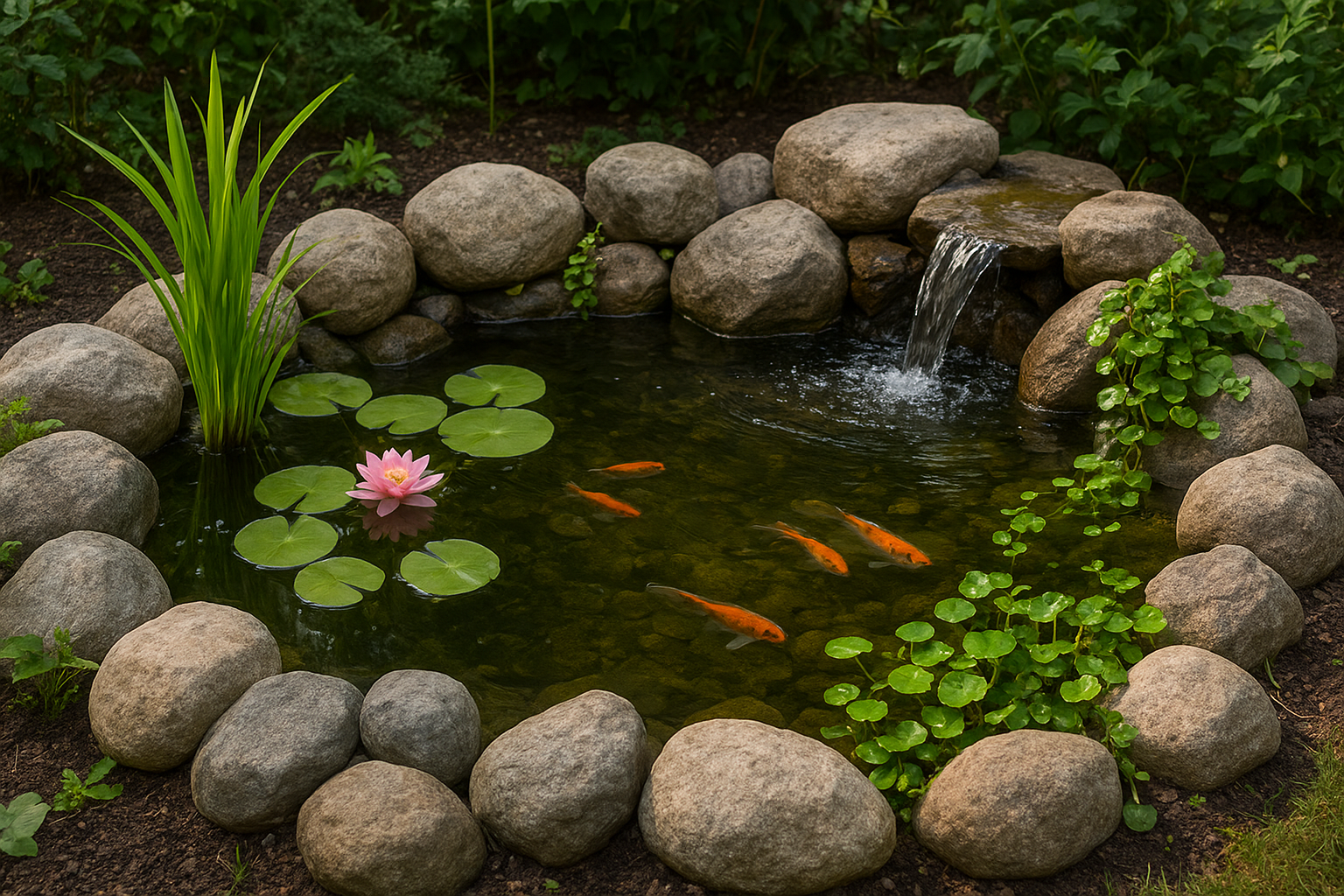
A compact water feature recirculates the same water through a small pump, so you never run a hose to keep it going. A biological filter and aquatic plants keep the water clear without chemicals. Our Zen Bio Koi Pond and Himalaya Rock Fish Pond follow this approach, with rocks hiding the pump and filter from view.
Moving, filtered water stays clear on its own, while still water becomes a mosquito problem.
Keep the setup simple:
- A pump sized to the pond volume.
- A filter that is easy to open and rinse.
- A few small fish to eat mosquito larvae.
Who it is for
This idea suits owners who want a calming focal point and the sound of water to mask street noise. It works well in courtyards and corners that feel empty even after the planting is done.
With young children around, choose a pebble fountain or bubbling urn instead. The reservoir sits underground beneath a grate, so there is no open water to worry about.
What to expect in a small space
Expect to top up the water weekly, since Malaysian heat evaporates it quickly, and to rinse the pump filter every month or two. That is light upkeep for such a strong feature in a low maintenance small garden design.
Choose compact, well-behaved plants for the edges:
| Plant | Light | Note |
|---|---|---|
| Dwarf water lily | Full sun | Flowers on still surfaces |
| Dwarf papyrus | Sun to part shade | Upright, shades the water |
| Pennywort | Part shade | Trails over rocks |
10. Use self-clinging climbers for privacy
How it works
Self-clinging climbers attach themselves with tiny aerial roots, so you skip the wires, ties, and retraining that twining vines demand. Plant one at the base of a wall or fence and water it well for the first few months. It then climbs on its own and forms a living privacy screen from a planting strip only 30 cm wide.
A self-clinging climber builds your privacy upward, so it costs you wall space and not floor space.
These plants work well in Malaysia's humid climate:
| Plant | Light | Note |
|---|---|---|
| Creeping fig (Ficus pumila) | Part shade to shade | Dense, fine leaves |
| Pothos | Bright shade | Fast, forgiving |
| Philodendron hederaceum | Part shade | Glossy heart-shaped leaves |
Who it is for
Terrace houses and semi-Ds with a neighbor's window overlooking the patio get the most from this idea. It also suits owners of tall boundary walls who want green cover without building a pergola or buying a screen.
Check the wall first. Aerial roots can pull at flaking paint or weak plaster, so on older walls, fix a mesh panel or trellis a few centimeters off the surface and let the plant climb that instead.
What to expect in a small space
Expect six to twelve months before the screen covers a 2 m wall, with creeping fig slower at the start and then steady. After that, trim two or three times a year and keep the growth clear of gutters, roof tiles, and window frames. Pair it with a drip line from idea 8 and the upkeep stays light.
This is the final layer of a low maintenance small garden design. Planters, paving, and groundcover cover the ground, and the climber handles the view above it. Together they give you a private, green space that still looks tidy when you skip a weekend.
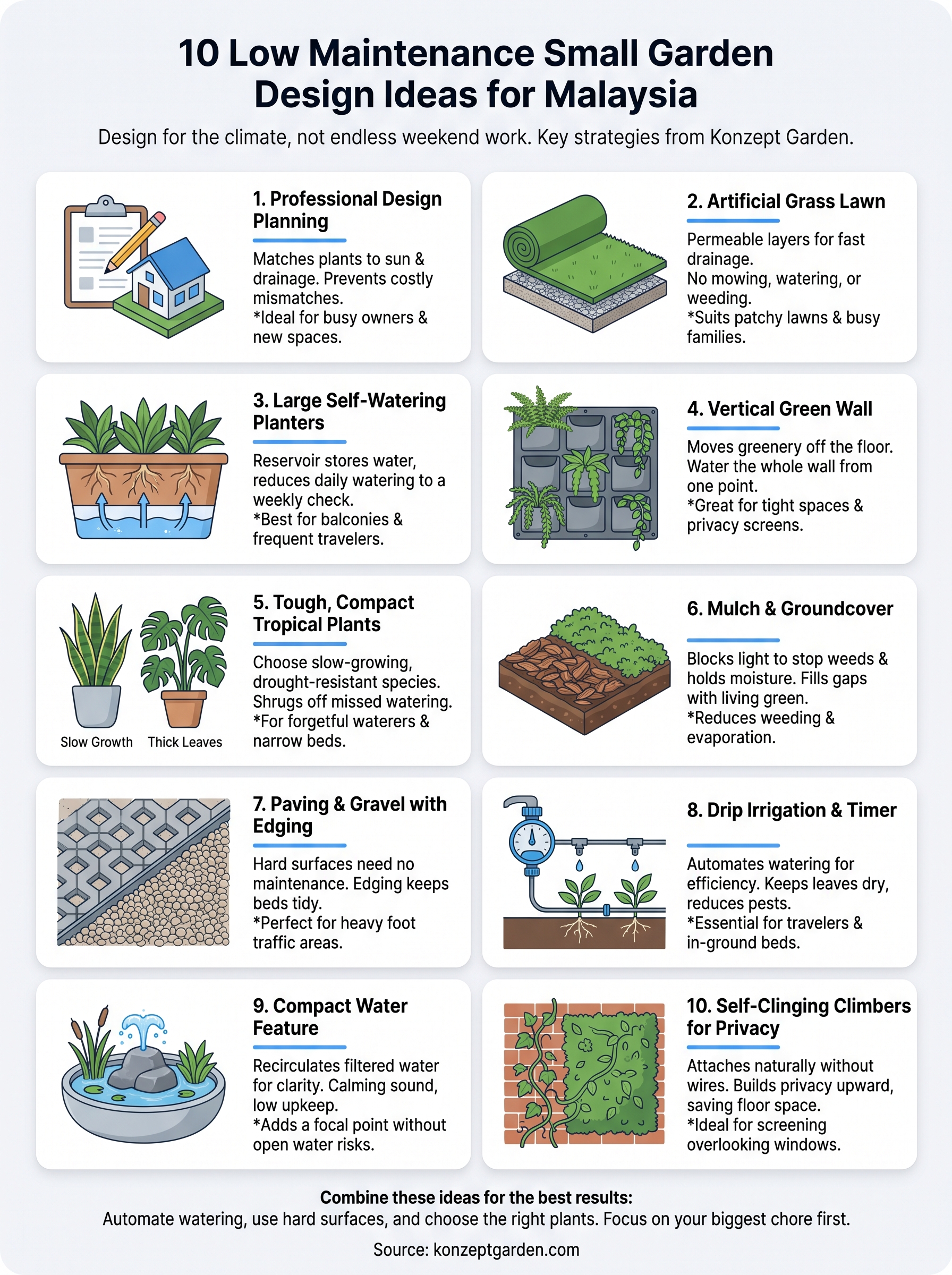
Choosing the right low maintenance approach
No single idea on this list makes a garden effortless. The best low maintenance small garden design combines a few of them: hard surfaces and groundcover for the ground, planters or drip lines for water, and tough compact plants for greenery. Start with your biggest chore. If it is mowing, replace the lawn. If it is watering, automate it.
Most of these ideas work best when you plan them together, because layout decides how much upkeep you end up with. Our team can take you from site visit to 3D visualization and build exactly what suits your space. Talk to our team at Konzept Garden and get a plan that fits your budget, your light, and your free weekends.