

Pests can quickly turn a thriving garden into a frustrating battle, one that many Malaysian homeowners and property managers know all too well. The humid tropical climate creates ideal conditions for insects, fungi, and plant diseases to flourish year-round. But reaching for chemical pesticides as a first response often creates more problems than it solves, harming beneficial insects and disrupting your garden's natural balance.
That's where integrated pest management steps come in. IPM offers a smarter, more sustainable approach that works with nature rather than against it. At Konzept Garden, we've seen firsthand how proper pest management makes the difference between gardens that struggle and gardens that thrive for years.
This guide walks you through each stage of the IPM framework, from identifying pests to choosing the right control methods, tailored specifically for Malaysian conditions. Whether you're managing a residential garden or a commercial landscape, you'll learn how to protect your plants effectively while minimizing environmental impact.
What IPM means in Malaysia
Integrated Pest Management is a structured approach that combines multiple control methods to manage pests effectively while reducing your reliance on chemical treatments. The system relies on four core principles: accurate pest identification, regular monitoring, setting tolerance levels before you act, and using the least harmful control methods first. Unlike traditional pest control that sprays pesticides at the first sign of trouble, IPM asks you to understand what's happening in your garden before you respond.
Why Malaysian gardens need a different approach
Malaysia's year-round growing season and high humidity create unique pest challenges that standard control methods often fail to address. You'll find that pests reproduce faster here than in temperate climates, and beneficial insects struggle to establish populations when harsh chemicals wipe out entire ecosystems. The constant rainfall also washes away many contact pesticides within days, making repeated applications costly and environmentally damaging.
IPM works best in Malaysia because it addresses both the pest and the conditions that allow it to thrive, rather than chasing symptoms with repeated chemical treatments.
Traditional pest control in Malaysian gardens typically follows a simple pattern: spray first, ask questions later. This approach might knock down visible pests temporarily, but it rarely solves the underlying problem. Your garden becomes dependent on regular chemical applications, and pests often return stronger as they develop resistance. The integrated pest management steps offer a better path by teaching you to work with your garden's natural defenses rather than against them.
What makes IPM practical for Malaysian conditions
IPM adapts to local plant species and the specific pests that target them in tropical environments. You'll focus on prevention methods like choosing resistant varieties, improving soil drainage, and encouraging natural predators. When problems do arise, you'll have a clear decision-making framework that tells you when to act and what methods to try first. The system saves you money over time because you're not buying pesticides for every small outbreak, and your plants develop stronger natural resistance when they're not constantly exposed to chemicals.
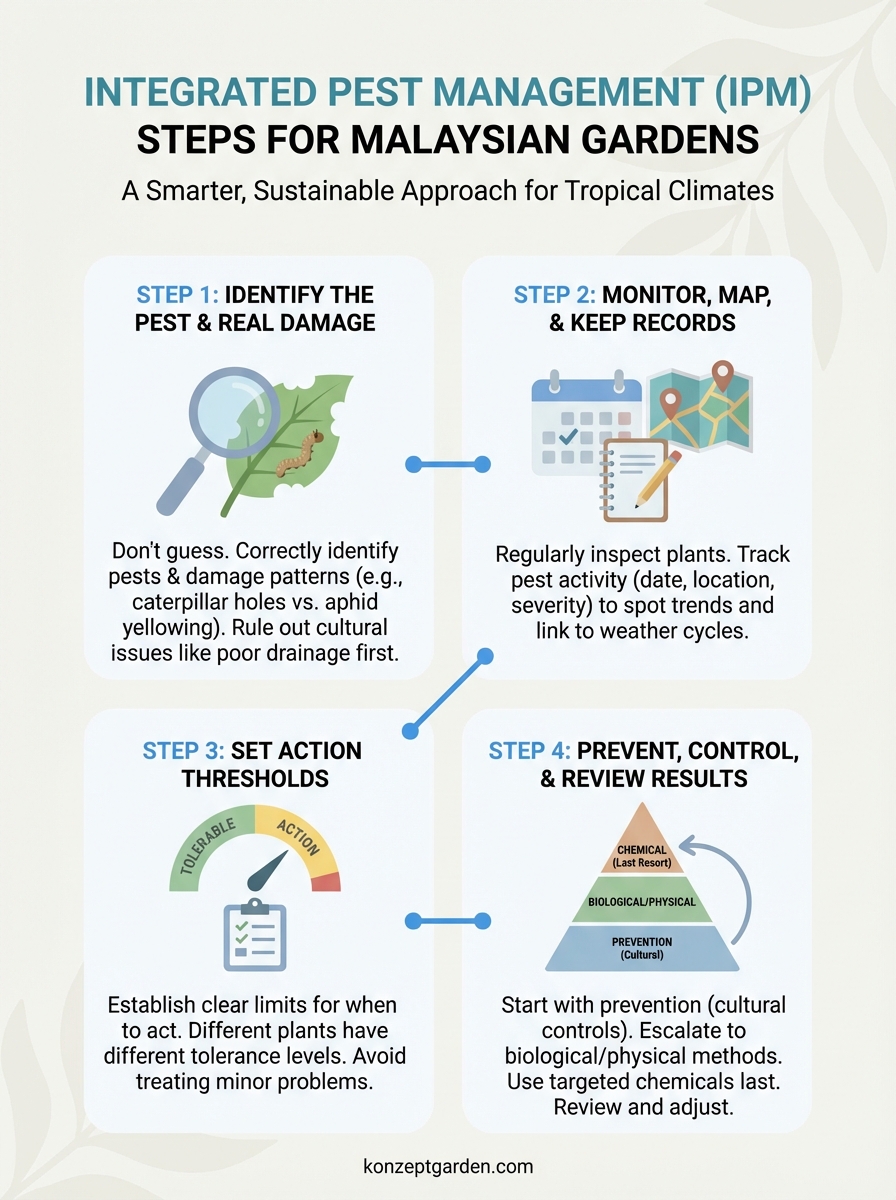
Step 1. Identify the pest and the real damage
The first of all integrated pest management steps requires you to correctly identify what's attacking your plants before you take any action. Many Malaysian gardeners waste time and money treating the wrong problem because they assume every brown leaf means disease or every hole means caterpillars. You need to examine the actual damage pattern, the time of day it appears, and what part of the plant suffers most.
Common Malaysian garden pests to watch for
Start by checking when the damage occurs and what it looks like. Grasshoppers and beetles create irregular holes in leaves and work during daylight hours. Caterpillars leave smooth-edged holes and often hide on leaf undersides. Aphids cause curled or yellowed leaves and congregate on new growth tips. Scale insects appear as brown bumps on stems and leaves, while spider mites create fine webbing with tiny yellow spots.
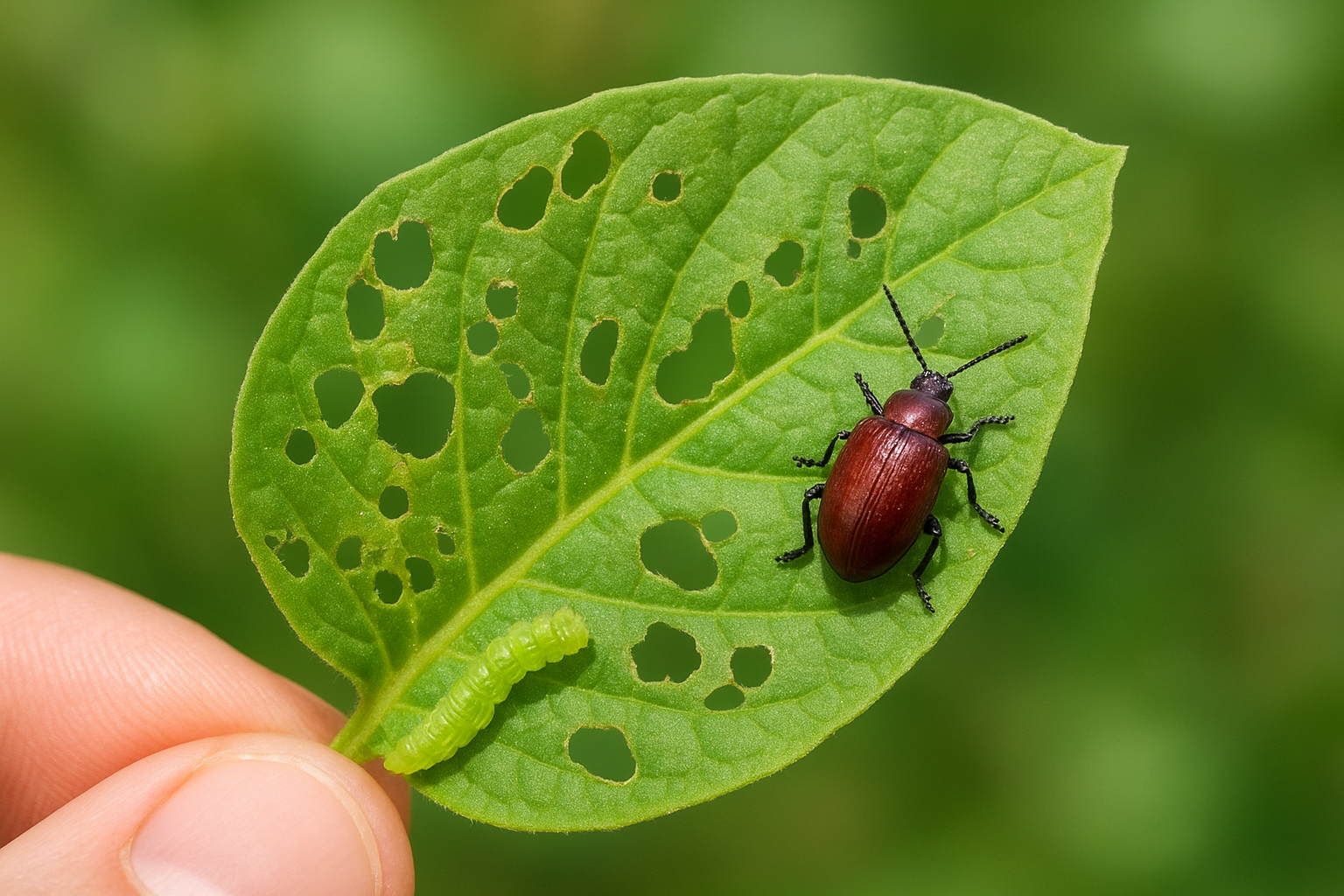
Accurate identification saves you from using the wrong treatment method, which often makes pest problems worse by killing beneficial insects that would have solved the issue naturally.
Look beyond the surface symptoms
Take photos of the damage and the pest itself if you can spot it. Check multiple plants to see if the problem spreads in a pattern that suggests disease rather than insects. Environmental stress like overwatering or poor drainage often mimics pest damage, so you need to rule out cultural problems first. Bring samples to a local nursery or take clear close-up photos for identification before you decide on any control method.
Step 2. Monitor, map hotspots, and keep records
Regular monitoring forms the backbone of effective pest management because it tells you exactly when problems start and where they concentrate most heavily. You need to inspect your garden systematically, checking the same plants weekly to spot trends before minor issues become major infestations. Walk through your landscape at the same time each week, looking at both new growth and older foliage for signs of damage or pest activity.
How to track pest activity in your garden
Create a simple monitoring schedule that covers all plant zones in your property. Check ornamental plants on Mondays, vegetable areas on Wednesdays, and lawn sections on Fridays. Mark affected areas on a rough sketch or smartphone map so you can see if problems spread or stay contained. Malaysian pest populations often explode after heavy rains, so increase your inspection frequency during monsoon seasons.

Document what you find using these specific details:
- Date and location of the observation
- Pest species and estimated population size
- Plant damage severity (light, moderate, severe)
- Weather conditions during the past week
- Control methods tried and their results
Document patterns that reveal pest cycles
Recording your observations shows you when specific pests appear each year and which environmental conditions trigger outbreaks. You'll notice that certain caterpillars always arrive after April rains, or that scale insects worsen during extended dry spells. These patterns help you prepare preventive measures before the next cycle begins.
Consistent record keeping transforms random pest sightings into predictable patterns that you can interrupt with well-timed prevention strategies.
Step 3. Set action thresholds you will follow
Action thresholds tell you exactly when to move from monitoring to active control measures, preventing you from wasting resources on problems that won't cause real damage. Most Malaysian gardeners either ignore small pest populations until plants suffer serious harm or panic at the first insect they spot. You need to establish clear numbers that trigger your response based on the pest type, the plant's value, and the season.
Common threshold examples for Malaysian gardens
Different pests require different tolerance levels before you act. Ornamental plants can typically handle more cosmetic damage than vegetables or fruit trees, and established landscapes tolerate higher pest numbers than newly planted areas. Here are practical thresholds you can adapt to your property:
| Plant Type | Pest | Action Threshold |
|---|---|---|
| Ornamental shrubs | Aphids | 20+ per shoot tip |
| Fruit trees | Caterpillars | 3+ per branch |
| Vegetables | Whiteflies | 5+ adults per leaf |
| Lawn grass | Armyworms | 6+ per square meter |
Setting thresholds prevents you from treating problems that would resolve naturally through predators or weather changes, saving both money and beneficial insect populations.
Write down your response triggers
Create a simple threshold checklist for each major plant group in your garden. List the pest, the damage level you'll tolerate, and the first control method you'll try when that level arrives. Review these thresholds every growing season because pest pressure changes with weather patterns and plant maturity.
Step 4. Prevent, control, and review results
The final integrated pest management steps combine prevention strategies, targeted control actions, and systematic review of your results to create a sustainable pest management cycle. You start by using the least disruptive methods first, moving to stronger interventions only when gentler approaches fail. Malaysian gardens respond best when you address the underlying conditions that attract pests rather than just killing the pests themselves.
Apply control methods in the right order
Begin with cultural controls like removing diseased plant parts, improving air circulation through pruning, and adjusting watering schedules to reduce humidity around susceptible plants. Next, introduce biological controls such as releasing ladybugs for aphids or encouraging natural predators by planting diverse flowering species. Physical barriers like netting or row covers work well for protecting vegetables from caterpillars and birds.
Chemical controls come last, and you should choose targeted products that affect only your specific pest. Horticultural oils and insecticidal soaps cause less ecosystem disruption than broad-spectrum pesticides. Apply treatments during cooler evening hours to protect beneficial insects and prevent rapid evaporation.
Review your results within one week of any control action to determine if you've reached acceptable pest levels or need to escalate to the next method.
Track what works and adjust your approach
Record which control methods succeeded, which failed, and what environmental factors influenced the outcome. Note application timing, weather conditions during treatment, and how quickly pest populations declined. This documentation shows you which techniques work reliably for specific pests in your garden's unique conditions, building your knowledge base for future seasons.
Next steps
You now have the complete framework to manage pests effectively in your Malaysian garden using proven integrated pest management steps. Start by identifying one problem area in your landscape this week, then establish a simple monitoring routine that fits your schedule. Document what you find for at least two weeks before you take any control action, giving yourself enough data to make smart decisions.
Professional landscape design naturally reduces pest problems by selecting resistant plant species, improving drainage, and creating balanced ecosystems that support beneficial insects. If your garden faces persistent pest issues despite following IPM principles, the underlying design might need adjustment. Our team at Konzept Garden specializes in creating sustainable landscapes that work with Malaysia's climate rather than fighting against it. Contact us for a free consultation to discuss how proper garden design can solve your ongoing pest challenges.