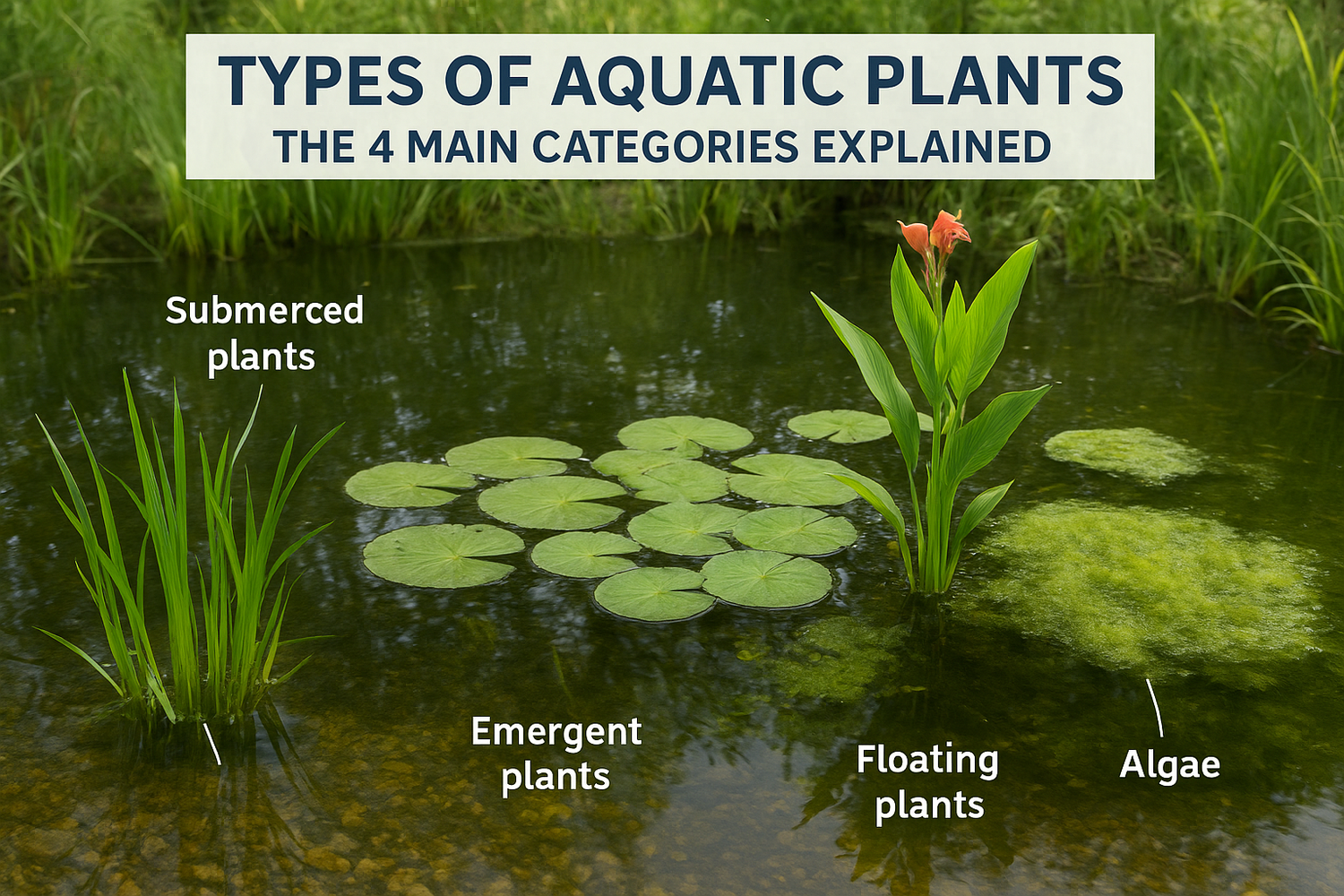
Types of aquatic plants refer to the different categories of vegetation that grow in or around water environments. These plants have adapted to life in wet conditions and play crucial roles in maintaining healthy pond ecosystems. Each type serves specific functions, from oxygenating water to providing shade and habitat for aquatic life. Understanding these categories helps you make informed choices when designing your garden pond or water feature.
This article breaks down the four main categories of aquatic plants you need to know. You'll learn how to identify submerged, floating, emergent, and algae species. We'll cover popular varieties that perform well in Malaysia's tropical climate and show you how to arrange them for maximum visual impact. By the end, you'll have the knowledge to create a balanced aquatic environment that looks beautiful and functions properly year round. Whether you're planning a koi pond or adding plants to an existing water feature, this guide gives you the foundation to get started.
Why understanding plant categories benefits your pond
Knowing the different types of aquatic plants transforms how you manage your water feature. Each category performs specific functions that affect water clarity, oxygen levels, and overall ecosystem health. When you understand these roles, you can select plants that work together instead of competing for resources. This knowledge prevents common mistakes like overcrowding or choosing species that don't suit your pond's depth and light conditions.
Better water quality control
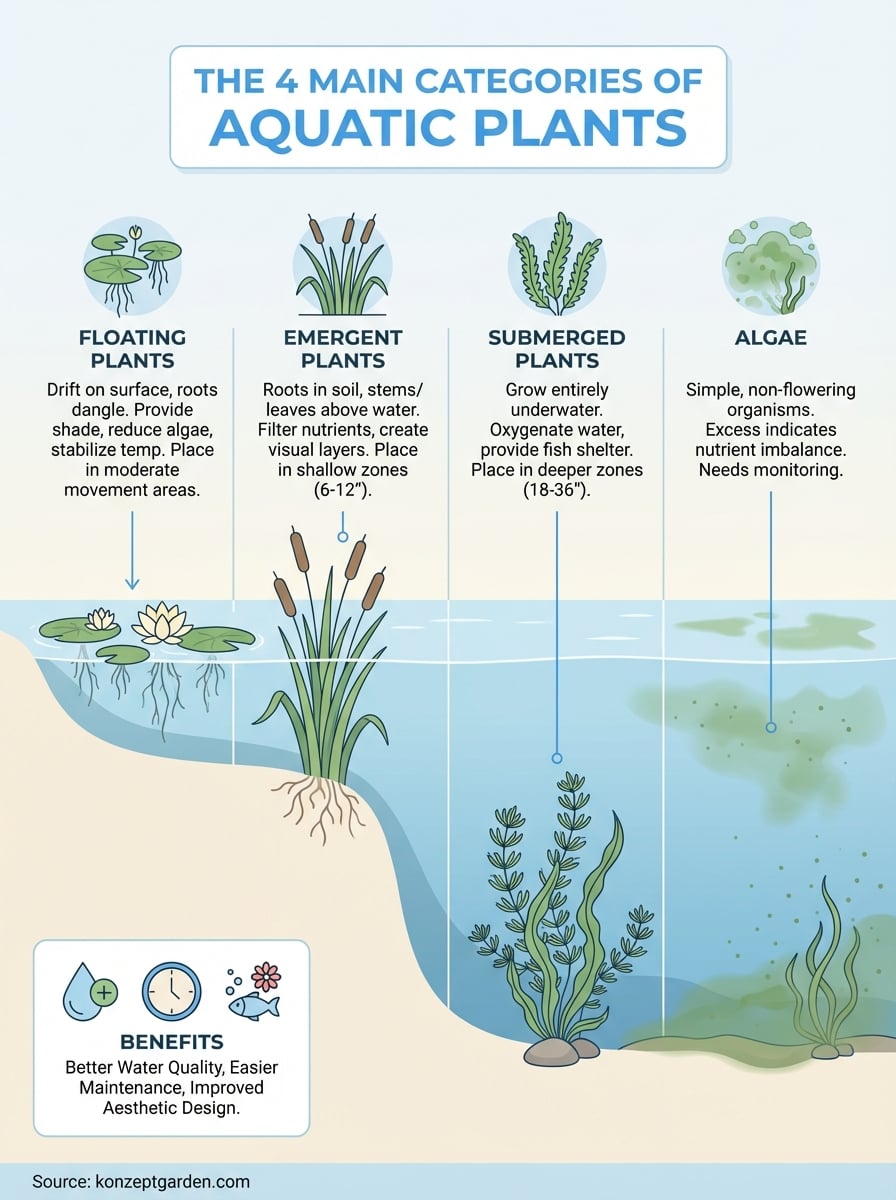
Different plant categories filter water in unique ways. Submerged plants act as natural oxygenators, releasing oxygen directly into the water column where fish need it most. Floating species block excess sunlight, which reduces algae growth and keeps water temperatures stable. Emergent plants filter nutrients from the water through their root systems, removing compounds that would otherwise fuel unwanted algae blooms. You'll spend less time fighting green water when you position the right plant types in the right zones.
Matching plant categories to your pond's specific zones creates a self-regulating system that requires minimal chemical intervention.
Easier maintenance planning
Each plant category has distinct care requirements that affect your workload. Submerged varieties need occasional thinning to prevent overgrowth, while floating plants may require regular removal to maintain surface coverage at 40-60%. Emergent plants typically need seasonal pruning but demand less frequent attention than other types. Understanding these patterns helps you create a maintenance schedule that spreads tasks throughout the year instead of overwhelming you during peak growing season.
Improved aesthetic design
Plant categories create visual layers that add depth and interest to your pond. Tall emergent plants form vertical elements along the edges, floating species provide mid-level coverage, and submerged plants add texture beneath the surface. This three-dimensional arrangement looks more natural and professional than randomly placing plants without considering their growth habits. You can also plan for seasonal changes by selecting species from each category that peak at different times, ensuring your pond maintains visual appeal throughout the year.
How to identify the four main types of aquatic plants
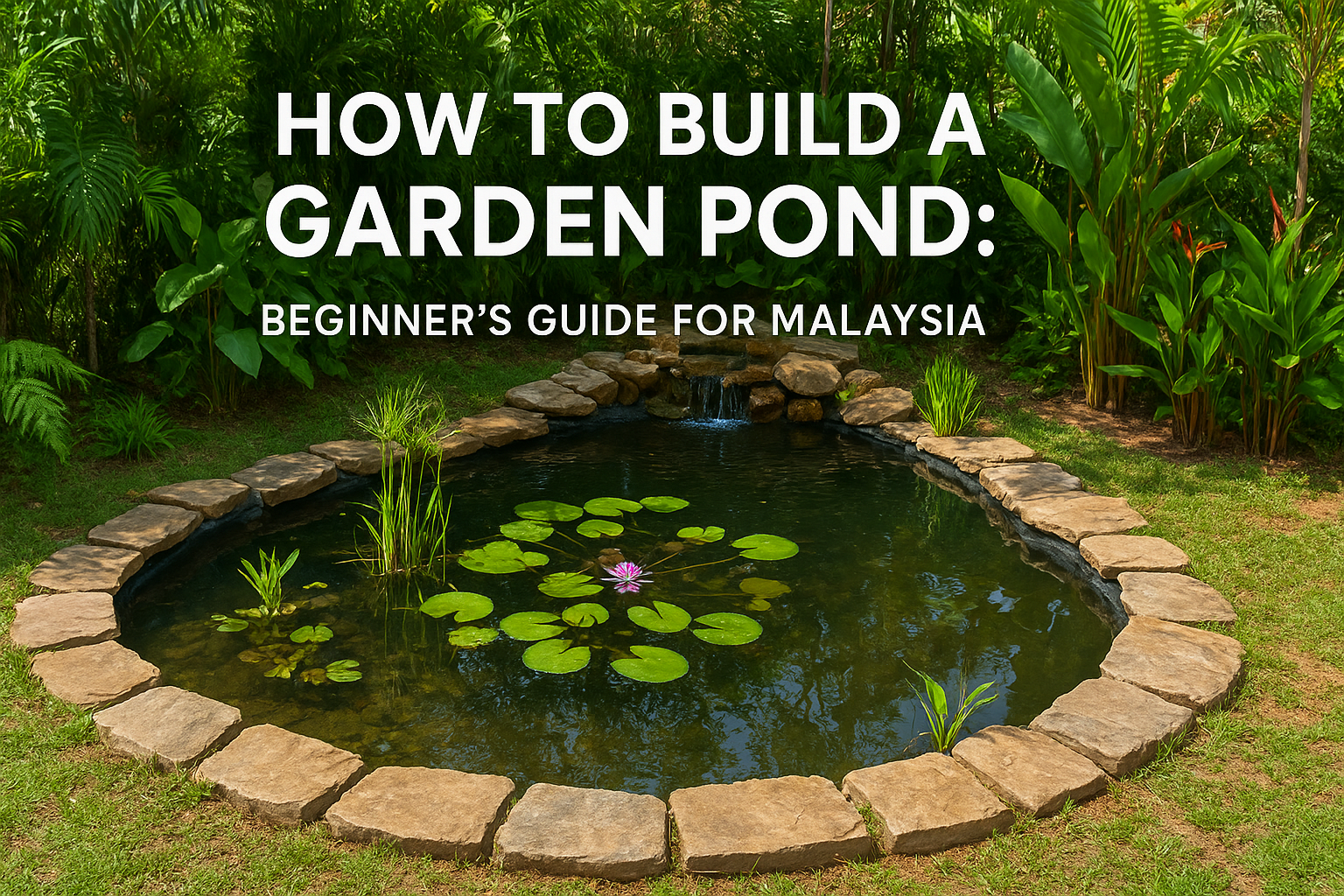
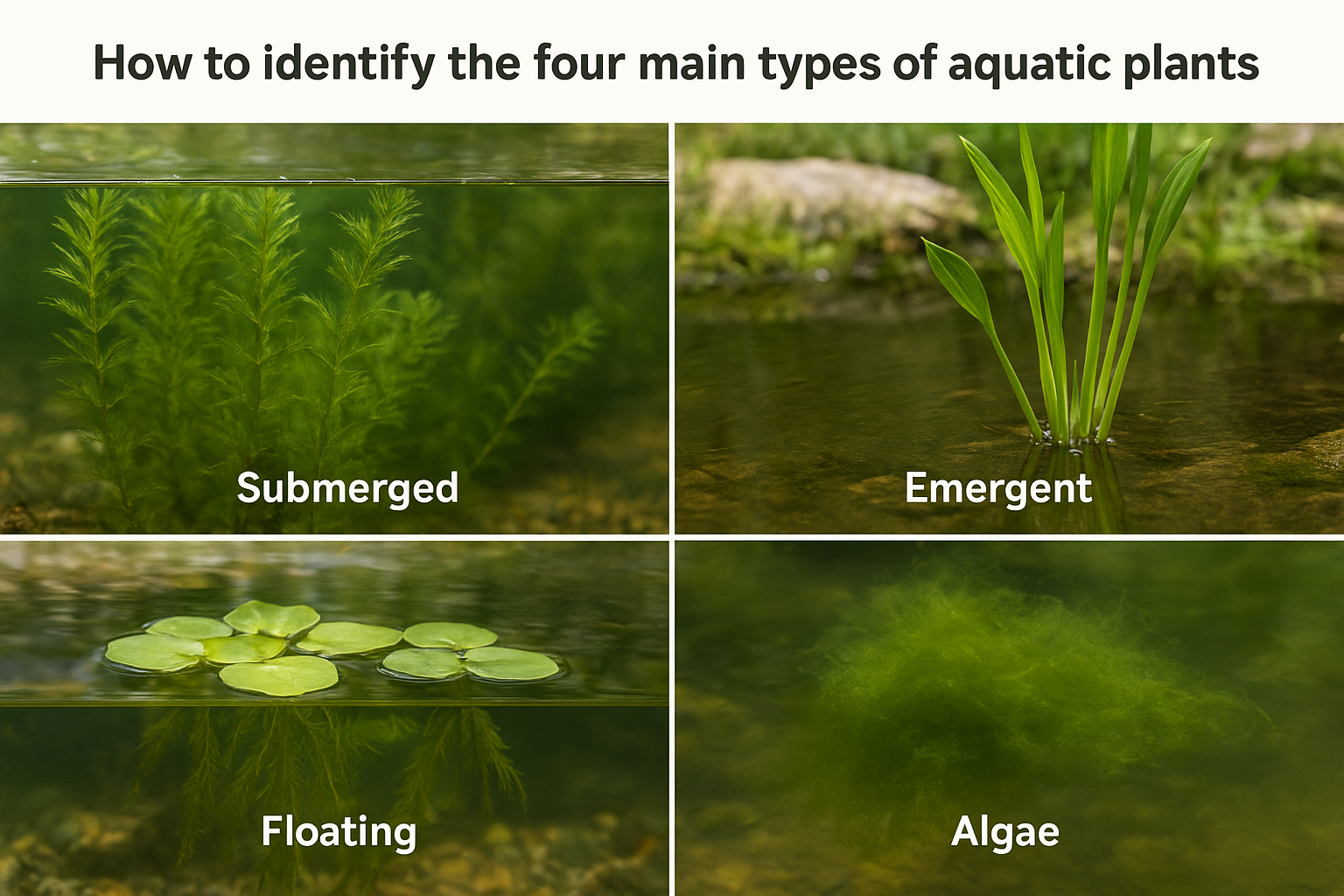
You can identify types of aquatic plants by observing where they grow in relation to the water surface. Each category has distinct physical characteristics and positioning patterns that make identification straightforward once you know what to look for. The four main categories are submerged, emergent, floating, and algae, each occupying different zones in your water feature.
Submerged and emergent varieties
Submerged plants grow entirely underwater with their leaves and stems beneath the surface. You'll see these plants rooted in the pond bottom, often with feathery or ribbon-like foliage that sways with water movement. Their leaves may reach close to the surface but don't break through. Examples show thin, delicate structures designed to absorb nutrients directly from water.
Emergent plants have roots anchored in soil underwater, but their stems and leaves extend above the water surface. You'll spot these species growing in shallow zones, typically 6-18 inches deep. Their vertical growth pattern creates a clear boundary between water and air, with sturdy stems that can support weight above the waterline. These plants show distinct above-water foliage that looks similar to terrestrial species.
Floating and algae types
Floating plants drift on the water surface without anchoring to the bottom. Their roots dangle freely in the water, absorbing nutrients directly. You'll recognize these by their buoyant leaf structures and lack of attachment to substrate. Some species have specialized air-filled tissues that keep them afloat.
Algae appears as green film, hair-like strands, or suspended particles in water. Unlike other plant types, algae lacks true roots, stems, or leaves. You'll identify it by its rapid growth during warm periods and its tendency to cloud water or coat surfaces.
Popular species that thrive in the Malaysian climate
Malaysia's tropical conditions create an ideal environment for specific types of aquatic plants that handle high temperatures and humidity. You'll find the greatest success with species adapted to warm water and intense sunlight. These plants maintain their health through the hot season without requiring special cooling measures or shade structures. Understanding which varieties perform best in local conditions saves you from replacing struggling plants and ensures your pond looks vibrant year round.
Tropical submerged options
Vallisneria spiralis grows vigorously in Malaysian ponds, producing long ribbon-like leaves that oxygenate water efficiently. This species tolerates temperatures up to 30°C and spreads naturally through runners. Cabomba caroliniana thrives in full sun exposure, creating dense underwater forests that provide shelter for fish. You'll notice this plant's feathery foliage adds texture beneath the surface while filtering nutrients from the water column.
Malaysian water temperatures between 24-30°C support robust growth in these submerged species without requiring climate control.
Heat-tolerant emergent choices
Water canna handles direct tropical sunlight and produces colorful flowers that attract pollinators to your pond edges. This emergent plant reaches 1-2 meters tall, creating dramatic vertical elements in shallow zones. Papyrus adapts well to Malaysia's climate, growing rapidly in warm conditions while filtering excess nutrients. You can position these plants in containers if you need to control their spread. Water spinach serves dual purposes as both an ornamental emergent plant and a harvestable vegetable, making it practical for smaller ponds where every plant needs multiple functions.
Tips for arranging plants in your water feature
Arranging different types of aquatic plants requires strategic placement that considers depth zones, sunlight exposure, and visual balance. You'll achieve the best results by starting with a plan that maps where each plant category fits within your pond's layout. Proper arrangement prevents competition for resources and creates natural-looking layers that mirror how plants grow in wild aquatic environments.
Zone-based placement strategy
Your pond contains distinct depth zones that suit specific plant categories. Place emergent plants in shallow areas ranging from 6-12 inches deep along the perimeter. Submerged varieties perform best in deeper zones where they receive adequate water coverage, typically 18-36 inches below the surface. Position floating plants in areas with moderate water movement rather than stagnant corners or high-flow zones near waterfalls. This zoning approach ensures each plant accesses the conditions it needs for healthy growth.
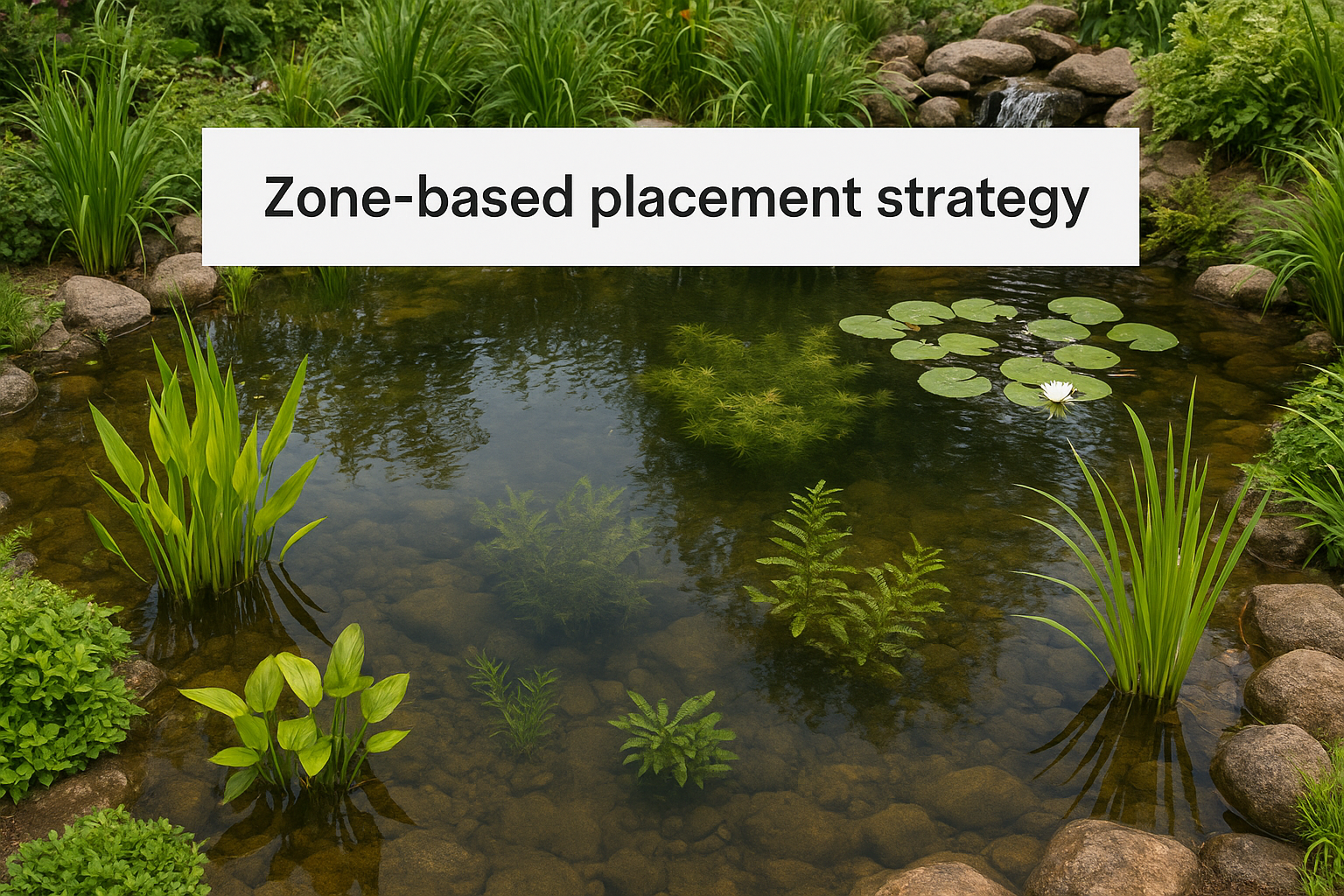
Strategic zone placement eliminates the need for constant repositioning as plants establish their root systems.
Spacing and density guidelines
Leave adequate gaps between individual plants to allow for natural expansion. Space emergent plants 12-18 inches apart, depending on their mature size. Floating species should cover 40-60% of the water surface initially, leaving open areas for oxygen exchange and fish activity. Submerged plants need 6-12 inches between clusters to prevent overcrowding as they spread through runners or stem fragments. This spacing accommodates growth while maintaining the organized appearance you want during establishment.
Designing a balanced ecosystem
Creating a balanced pond ecosystem requires combining different types of aquatic plants in proportions that support natural filtration and oxygenation. You'll achieve stability by including representatives from each category: submerged plants for oxygen production, emergent species for nutrient removal, and controlled floating coverage for temperature regulation. This multi-layered approach mimics natural water bodies where diverse plant communities work together to maintain clarity and support aquatic life.
Your plant selections directly impact how well your pond self-regulates over time. Start with a foundation of submerged oxygenators, add emergent plants around 30-40% of your perimeter, and maintain floating coverage at roughly half the water surface. Monitor growth patterns during the first season and adjust placement as needed. Regular observation shows you which species thrive in your specific conditions and where adjustments improve overall balance.
Ready to create your own aquatic paradise? Our Zen Bio Koi Pond designs incorporate proper plant zones from the start, giving you a head start on ecosystem balance that supports healthy fish and beautiful water features.