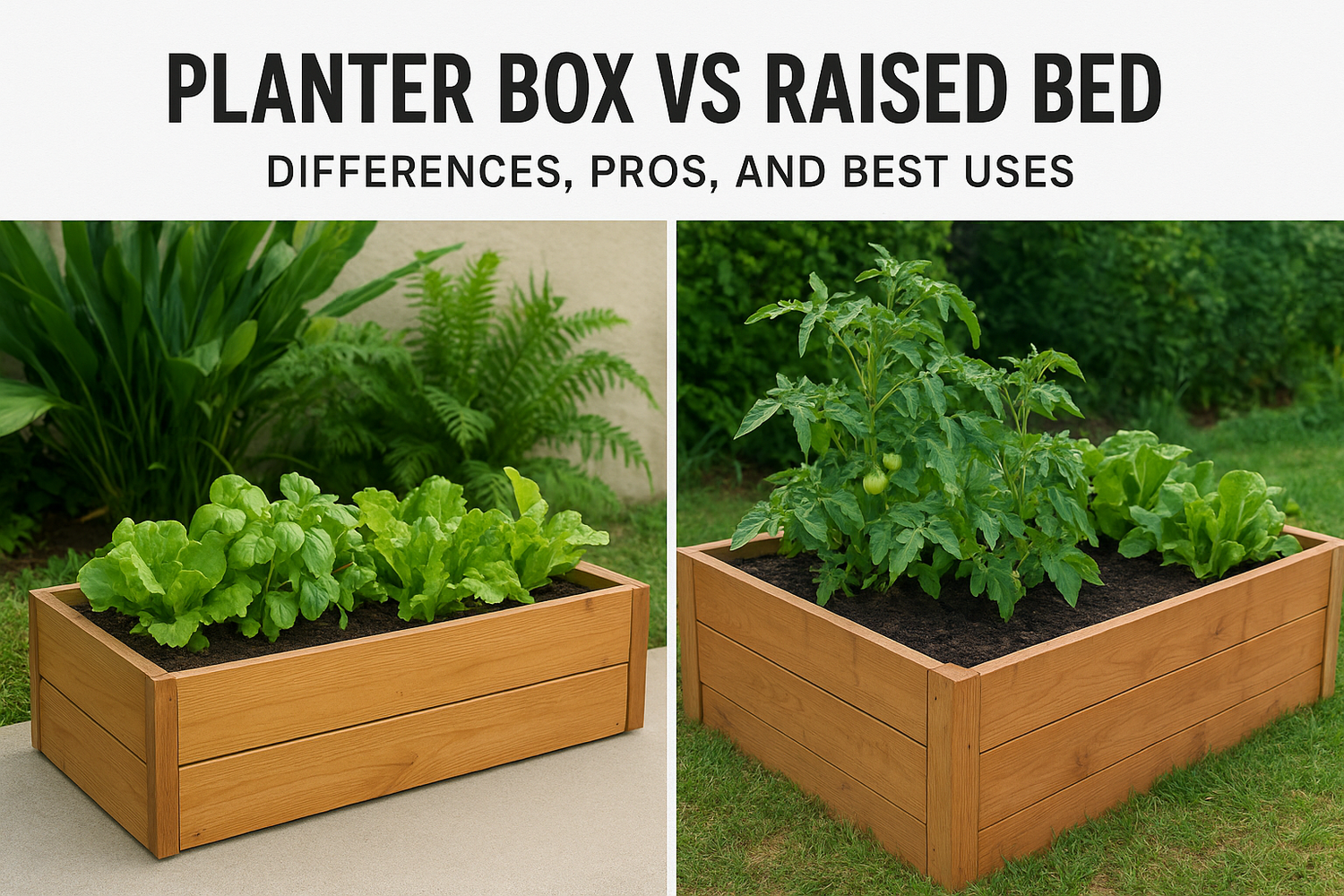
Choosing between a planter box vs raised bed comes down to your space, the plants you want to grow, and how much control you need over soil conditions. Both options lift your garden off the ground, but they serve different purposes and suit different setups. Getting this choice right from the start saves you time, money, and frustration.
Planter boxes offer portability and contained growing environments, making them ideal for patios, balconies, and areas with poor native soil. Raised beds, on the other hand, provide larger growing areas with deeper root zones for vegetables and perennials. Each has distinct advantages depending on your climate, available space, and gardening goals.
At Konzept Garden, we design outdoor spaces across Malaysia that integrate functional planting solutions, from custom landscape installations to self-watering planter systems like our Ziant Hydro Planter. This guide breaks down the key differences between planter boxes and raised beds, compares their pros and cons, and helps you decide which option works best for your garden.
Why the choice matters for plant health and upkeep
Your choice between a planter box and a raised bed directly affects root development, water retention, and how often you need to maintain your garden. Plants respond differently to the depth, drainage, and soil volume each option provides. Making the wrong choice for your specific plants can lead to stunted growth, waterlogged roots, or constant watering cycles that drain your time and resources.
Root depth and growing space
Root systems need adequate depth to establish strong growth. Planter boxes typically range from 20 to 40 centimeters deep, which works well for herbs, lettuce, and shallow-rooted flowers. Raised beds often reach 40 to 60 centimeters or more, giving you the space to grow tomatoes, carrots, and other deep-rooted vegetables. If you choose a shallow container for plants that need depth, you'll see weak stems, poor fruit production, and disappointing yields. The difference becomes obvious after just a few weeks of growth.
The depth of your growing container determines which crops will thrive and which will struggle to reach their full potential.
Daily maintenance requirements
Planter boxes require more frequent watering because their smaller soil volume dries out faster, especially in Malaysia's heat. You might need to water twice daily during dry spells. Raised beds hold moisture longer thanks to their larger soil mass, reducing your watering schedule to once daily or even less. Fertilizer also depletes faster in planter boxes since you're working with less soil buffer. This means you'll need to feed plants more often to maintain nutrient levels. The planter box vs raised bed decision affects how much time you spend on routine care, not just what you can grow.
Planter boxes vs raised beds: the core differences
The main distinction between these two growing systems lies in their relationship to the ground beneath them. Understanding these structural differences helps you predict how each option performs in your specific garden environment. This knowledge also shapes your long-term maintenance expectations and plant selection decisions.
Structure and containment
Planter boxes are fully enclosed containers with bottoms that isolate plants from the ground completely. They function like large pots and can sit on any surface, from concrete patios to wooden decks. Raised beds have open bottoms that rest directly on soil, creating a frame that holds growing medium while allowing plant roots to extend into native earth below. This fundamental design difference affects drainage patterns, root access, and how portable your setup remains.
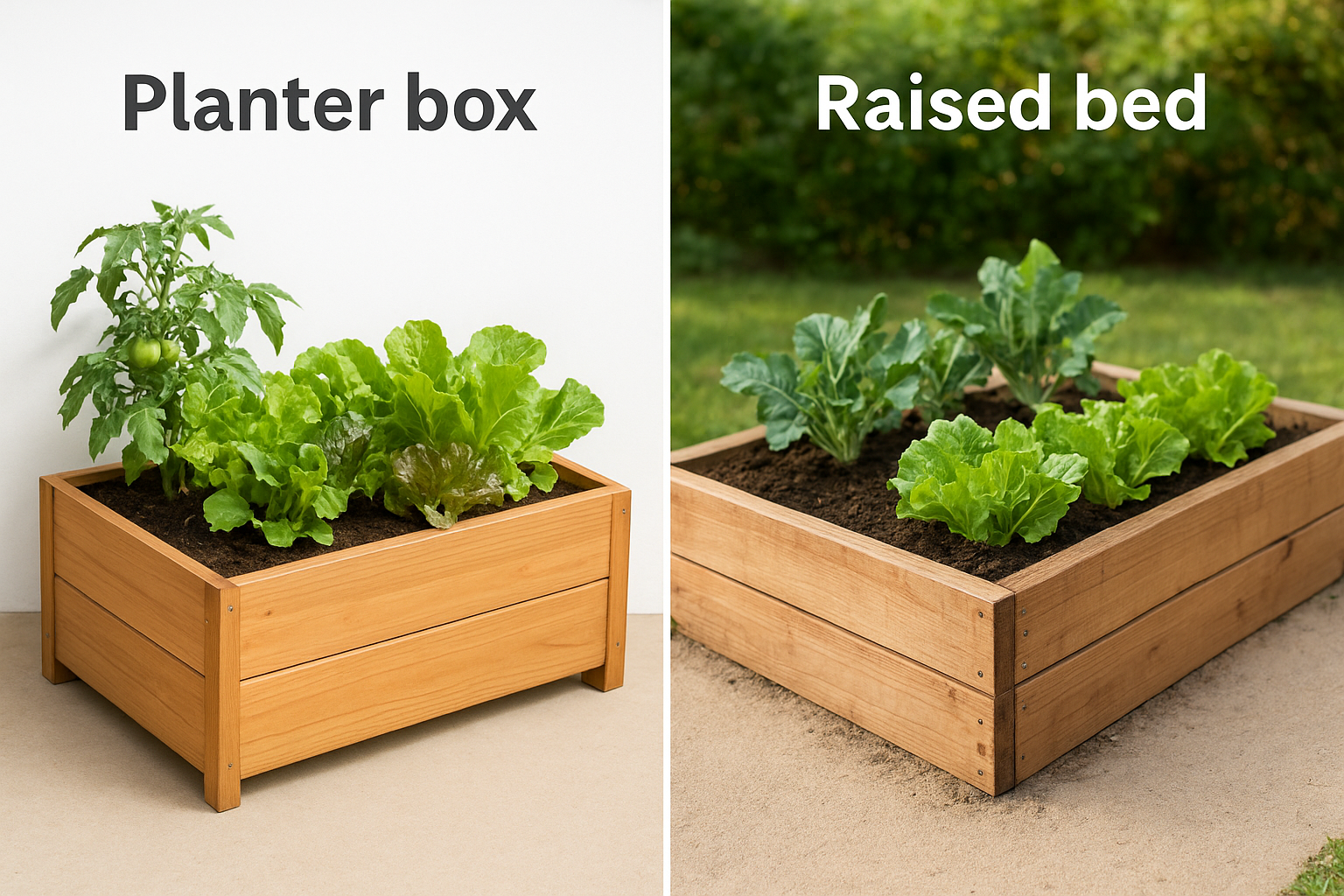
The presence or absence of a container bottom defines whether you have a true planter box or a raised bed system.
Soil and root access
Planter boxes force roots to stay within defined soil volumes, which gives you complete control over growing conditions but limits root expansion. Raised beds let roots penetrate deeper into existing ground soil, accessing nutrients and moisture beyond what you've added. The planter box vs raised bed choice determines whether your plants depend entirely on the soil you provide or can tap into underground resources for additional support.
Pros and cons in Malaysia's heat and rain
Malaysia's tropical climate creates unique challenges that shift the planter box vs raised bed equation. Your growing system needs to handle intense afternoon sun, heavy downpours, and high humidity without drowning roots or scorching plants. Each option responds differently to these conditions, and your choice affects how much intervention your garden demands during wet and dry seasons.
Planter boxes in tropical conditions
Planter boxes drain faster during Malaysia's frequent rain, preventing waterlogged soil that kills vegetables and herbs. This advantage becomes a disadvantage during dry spells when you face twice-daily watering schedules. The enclosed bottom also traps heat against container walls, which can stress plants during peak afternoon temperatures. You gain mobility to shift plants into shade when needed, but lose the cooling effect of ground contact that moderates temperature swings.
Fast drainage protects roots during storms but demands constant attention when rain stops for more than a day.
Raised beds during monsoon season
Raised beds absorb less heat because their open bottoms stay connected to cooler ground soil beneath. They hold moisture longer between watering sessions, reducing your daily time investment. Heavy monsoon rains can overwhelm raised beds if you haven't built proper drainage into surrounding areas, creating pooling that suffocates roots. The fixed position means you can't move beds away from problem spots without rebuilding your entire setup.
How to choose the right option for your garden
Your decision between a planter box and raised bed depends on three practical factors: the space you have available, what you plan to grow, and how permanent you want your setup to be. Matching your choice to these conditions prevents wasted effort and sets your garden up for success from day one. Consider each factor together rather than focusing on just one aspect of your situation.
Available growing space
Planter boxes work best on patios, balconies, and areas where ground soil quality is poor or nonexistent. You can position them on concrete, decking, or gravel without any soil preparation. Raised beds require direct ground contact and need at least a meter of open space on all sides for proper drainage and access. If you're renting or plan to relocate within a few years, planter boxes give you the flexibility to take your garden with you.
Plant selection and root needs
Match your planter box vs raised bed choice to the root depth your crops demand. Herbs, lettuce, and strawberries thrive in shallow planter boxes between 20 and 30 centimeters deep. Tomatoes, peppers, and root vegetables need the 40 to 60 centimeter depth that raised beds provide. Growing deep-rooted plants in shallow containers leads to disappointing harvests no matter how much you water or fertilize.
Choose the system that accommodates your crops' root systems rather than forcing plants to adapt to inadequate depth.
Setup basics: size, soil, drainage, and materials
Getting your planter box vs raised bed setup right from the start saves you from rebuilding later. The four foundation elements that determine success are container dimensions, soil composition, drainage paths, and construction materials. Each element connects to the others, so you need to plan them together rather than treating them as separate decisions.
Dimensions that work
Start with 90 to 120 centimeters in width for raised beds to give you comfortable reach from both sides without stepping on soil. Planter boxes can go narrower at 40 to 60 centimeters since you move them to access all sides. Keep depth between 30 and 45 centimeters for most vegetables and herbs, adjusting deeper for root crops or shallower for leafy greens.
Soil composition
Mix equal parts compost, peat moss, and coarse sand to create well-draining growing medium that holds nutrients. Skip garden soil in planter boxes since it compacts and drains poorly in containers. Add perlite or coconut coir to improve aeration in Malaysia's compacted tropical conditions.
Your soil mix matters more than the container you choose, since plants live in the medium rather than the box.
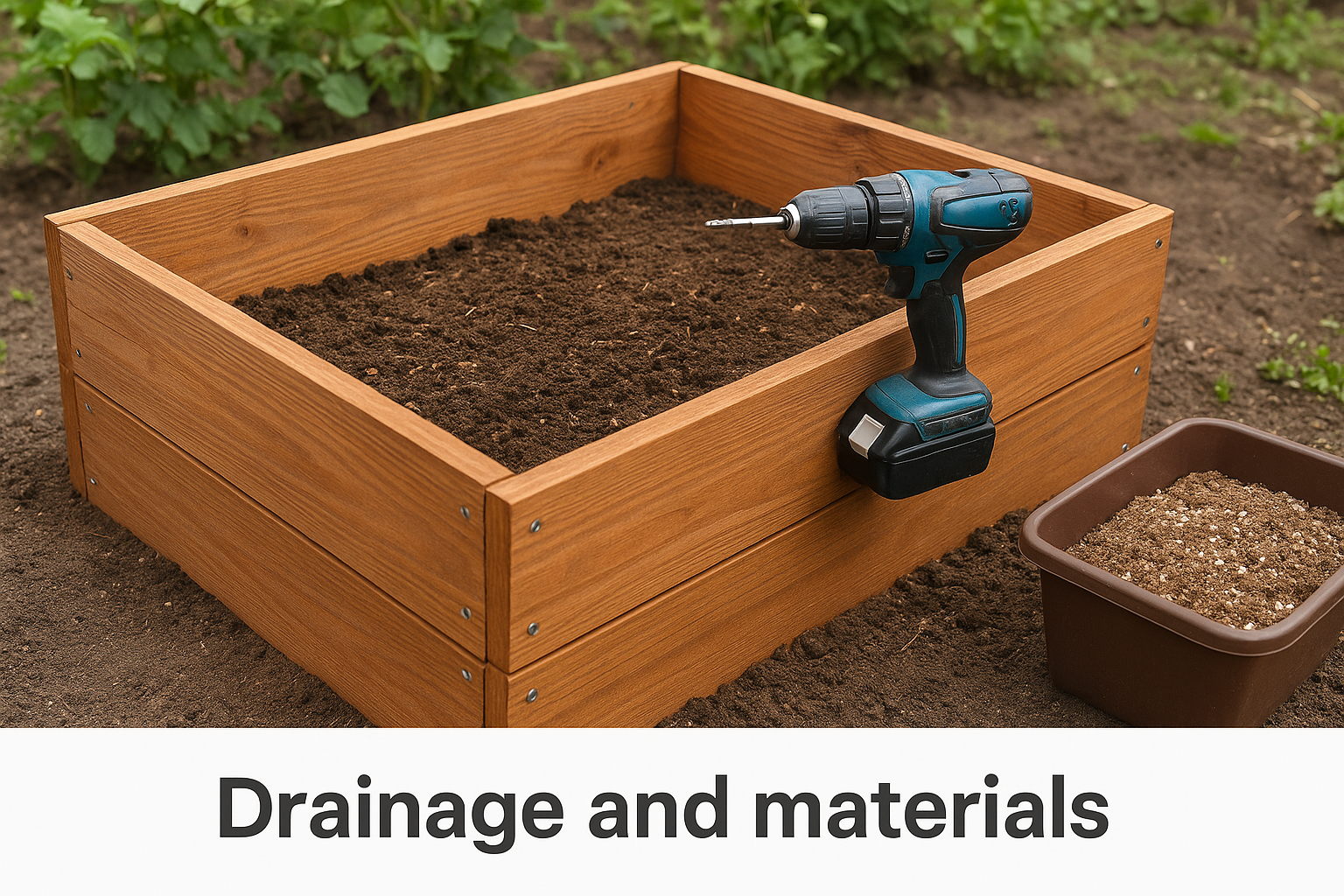
Drainage and materials
Drill drainage holes every 15 centimeters in planter box bottoms to prevent waterlogging during heavy rain. Use treated hardwood or composite materials that resist rot in humid conditions better than regular timber.
Quick recap
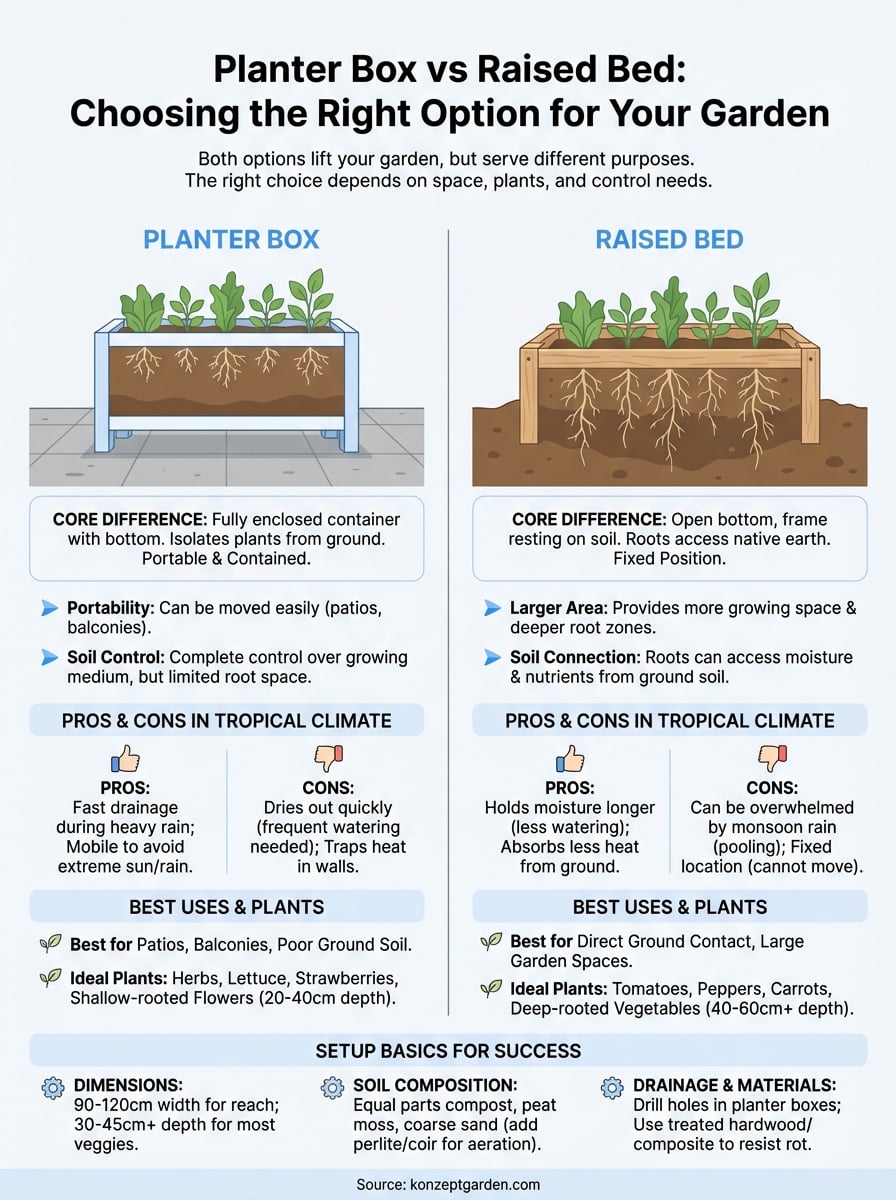
The planter box vs raised bed decision comes down to your specific space, climate conditions, and what you plan to grow. Planter boxes give you mobility and complete soil control, making them ideal for patios and areas with poor ground conditions. Raised beds offer deeper root zones and better moisture retention for larger vegetable gardens. Both options work in Malaysia's tropical climate if you account for drainage during monsoons and frequent watering during dry spells.
Your plant selection drives this choice more than personal preference. Shallow-rooted herbs and greens thrive in planter boxes, while deep-rooted vegetables need the 40 to 60 centimeter depth that raised beds provide. Getting the dimensions, soil mix, and drainage right from the start prevents costly rebuilds later.
If you need help designing a functional outdoor space that integrates the right growing system for your property, connect with our team at Konzept Garden for a free consultation and quotation.