

Aquaponics turns a simple fish pond into a self-sustaining growing system, fish feed the plants, plants clean the water. It's one of the most efficient ways to grow food at home, and choosing the best plants for aquaponics makes the difference between a thriving setup and a frustrating one.
At Konzept Garden, we design outdoor spaces across Malaysia that bring nature and function together, from custom koi pond installations to full garden landscapes. That hands-on experience with water features, planting design, and sustainable garden solutions gives us a practical perspective on what actually grows well in aquaponic setups.
Not every plant suits this method equally. Some thrive on the nutrient-rich water produced by fish waste, while others struggle without soil. This guide covers nine proven plants that grow fast, produce well, and work for beginners. We've organized them by type, herbs, leafy greens, and fruiting vegetables, so you can match the right plants to your system and goals.
1. Lettuce
Lettuce sits at the top of nearly every beginner aquaponics list for good reason. It has shallow roots, grows quickly, and uses fish nutrients more efficiently than almost any other leafy green you can plant. If you're building your first system and want fast results, lettuce gives you visible progress within weeks.
Why lettuce thrives in aquaponics
Lettuce is a light feeder with roots that absorb dissolved nitrogen directly from water, making it a natural match for aquaponic systems. The fish produce ammonia, beneficial bacteria convert it to nitrates, and lettuce pulls those nitrates up fast. This keeps your water chemistry balanced while delivering consistent harvests with minimal input from you.
Best aquaponics setups for lettuce
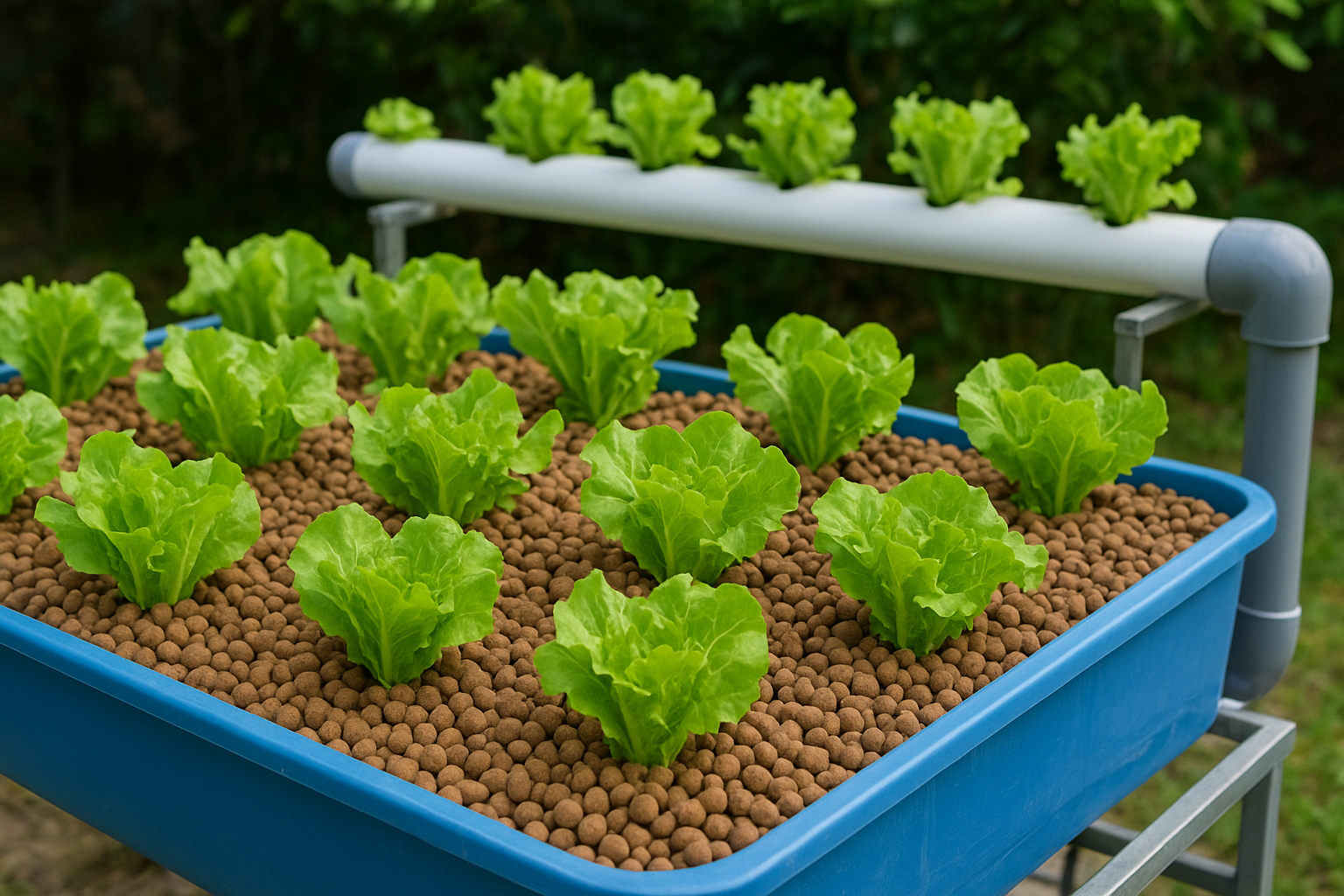
Lettuce performs best in media bed and NFT (nutrient film technique) systems, where the roots stay moist but not permanently submerged. Raft systems also work since lettuce roots handle full water contact without rotting. Space plants 20-25cm apart to give each head room to develop without competing for light and nutrients.
How fast it grows and how to harvest
Under good conditions, lettuce reaches harvest size in 25-30 days from transplanting. Cut the outer leaves first and leave the center intact. This cut-and-come-again method extends production significantly and gives you multiple harvests per plant before it bolts and becomes unusable.
Harvesting outer leaves rather than pulling the whole plant can extend your lettuce production by two to three weeks per cycle.
Heat management tips for Malaysia
Malaysia's heat is the biggest challenge for lettuce in aquaponics. Temperatures above 28°C cause lettuce to bolt, turning leaves bitter and ending production early. Grow lettuce in a shaded spot that gets morning light only, and keep your water temperature below 26°C by shading the fish tank or using insulated containers to slow heat absorption.
Common problems and quick fixes
Tip burn is the most common issue, where leaf edges turn brown due to poor calcium uptake in fast-growing conditions. Improving water circulation around the root zone usually solves this quickly. Slimy or yellowing roots typically point to too much direct sunlight hitting the root zone, so cover any exposed tubing or raft panels to block light and prevent algae buildup.
2. Bok choy
Bok choy is one of the best plants for aquaponics if you're still cycling your system. It tolerates fluctuating nutrient levels better than most leafy greens, making it a reliable choice while your fish and bacteria populations stabilize.
Why bok choy performs well in new systems
New aquaponic systems often have inconsistent nitrate levels as the nitrogen cycle establishes. Bok choy handles this variability without stalling growth, which gives beginners a productive plant while the system matures. Its fast root development also helps absorb excess ammonia spikes that can stress fish.
Best aquaponics setups for bok choy
Bok choy grows well in media bed systems with expanded clay or gravel as the growing medium. It also adapts to raft systems without issue. Space plants 15-20cm apart to allow the broad outer leaves to develop fully without shading each other.
How fast it grows and how to harvest
Bok choy reaches harvest size in 21-30 days from transplant. Cut the whole head at the base when it reaches your preferred size, or remove outer leaves regularly to extend the plant's productive lifespan.
Harvesting bok choy at the base rather than leaf by leaf gives you a cleaner crop and encourages denser regrowth from any remaining stems.
Pest prevention without harming fish
Aphids and caterpillars are the main threats to bok choy. Use physical barriers like fine mesh netting rather than chemical sprays, which can leach into the water and harm your fish.
Common problems and quick fixes
Yellowing lower leaves usually signal nitrogen deficiency caused by low fish stocking density. Adding more fish or reducing your plant load brings the system back into balance quickly.
3. Basil
Basil is one of the best plants for aquaponics if you want an herb that produces fast and consistently. The nutrient-dense water from your fish gives basil the feeding it craves, and you'll notice rapid stem extension and leaf development within the first two weeks after transplanting.
Why basil grows aggressively in aquaponics
Aquaponics systems produce high nitrogen levels that basil thrives on as a heavy feeder. In soil, basil needs frequent fertilizing to reach this output. In aquaponics, the fish do that work for you, and basil converts those nutrients directly into leaf mass at a rate that surprises most beginners.
Best aquaponics setups for basil
Media bed and NFT systems both suit basil well. Plant basil 20-25cm apart to give each stem space for lateral branching, which increases your total leaf yield per plant over time without overcrowding the root zone.
How to prune for bigger yields
Pinch off the growing tip just above a leaf node as soon as the plant reaches 15cm. This redirects energy into side shoots and doubles your usable leaf production. Prune every week once the plant bushes out to keep harvests coming steadily.
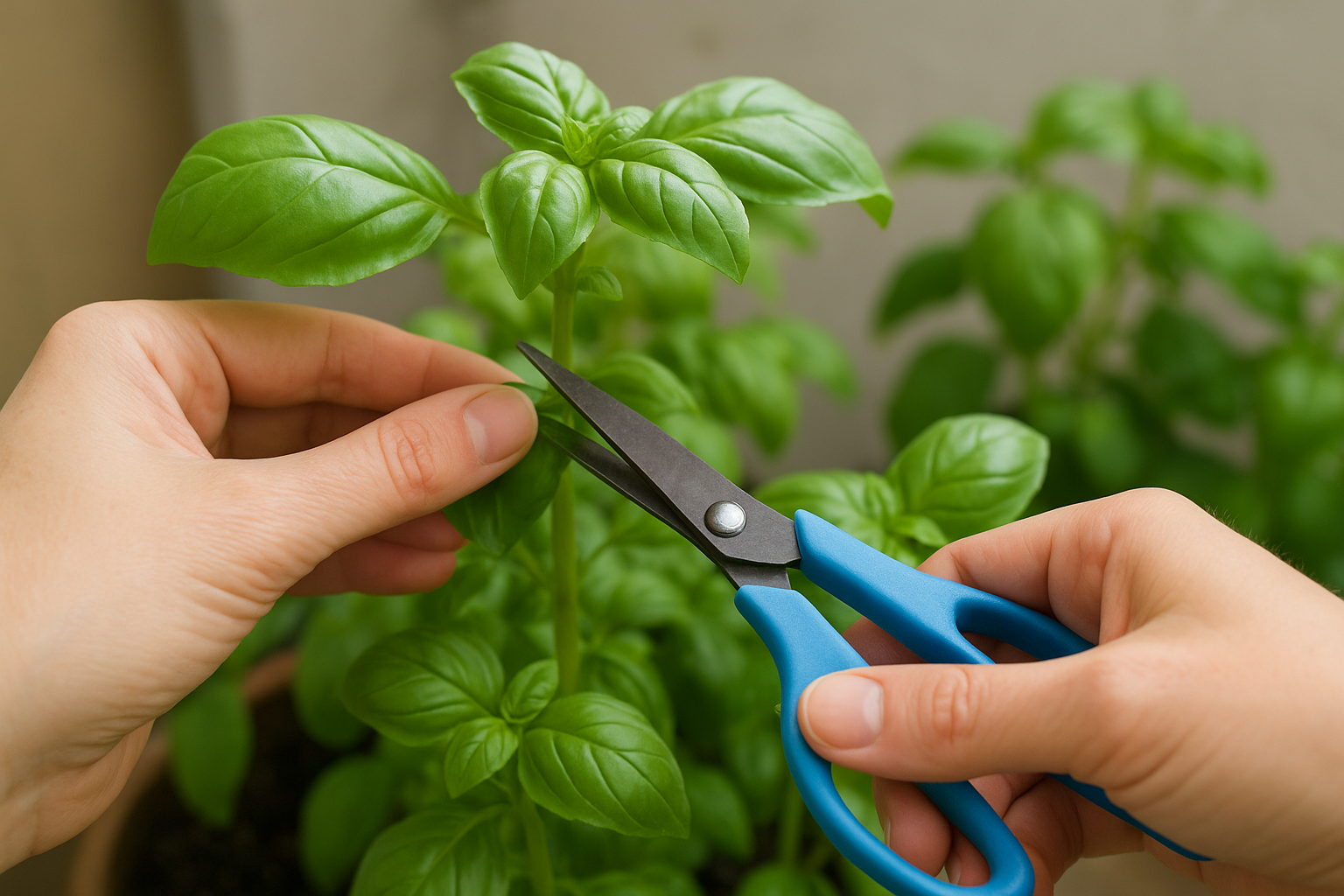
Regular pruning keeps basil from flowering, which significantly extends its productive life in your system.
How to prevent yellow leaves and leggy growth
Low light causes leggy growth while iron deficiency causes yellowing. Position basil where it gets at least six hours of direct light daily, and monitor your system's iron levels with a basic test kit.
Common problems and quick fixes
Root rot appears when water flow slows and oxygen drops around the roots. Check your pump output and clear any blocked grow pipes to restore circulation and recover the plant quickly.
4. Mint
Mint is one of the best plants for aquaponics if you want something that practically grows itself. It tolerates a wide range of water conditions, recovers fast from neglect, and delivers harvests within weeks of planting.
Why mint is beginner-proof in aquaponics
Mint is a resilient, low-maintenance plant that adapts to fluctuating pH and nutrient levels without showing much stress. It also has naturally strong roots that anchor well in both media bed and raft systems, making it forgiving for beginners who are still dialing in their system balance.
Best aquaponics setups for mint
Media bed systems suit mint best since the roots get both moisture and oxygen consistently. NFT systems also work well. Plant mint 15-20cm apart to give each stem enough space before the lateral runners start spreading outward.
How to control spread and prevent crowding
Mint spreads aggressively through horizontal runners that push into neighboring plant spaces. Trim back any runners that cross into adjacent grow sites, and remove runners weekly once the plant establishes itself fully to keep your growing bed organized.
Keeping mint contained to its designated space protects the root zones of neighboring plants and maintains even nutrient distribution across your system.
How to harvest for continuous regrowth
Cut stems just above a leaf node rather than stripping individual leaves. This triggers dense lateral branching and keeps the plant productive for months without replanting.
Common problems and quick fixes
Rust-colored spots on leaves usually point to a fungal issue from poor air circulation. Space plants properly and increase airflow around the growing bed to clear it up quickly.
5. Watercress
Watercress is one of the best plants for aquaponics because it evolved to grow in flowing, oxygen-rich water, which is exactly what your system provides. It produces fast, tastes great, and requires almost no intervention once established.
Why watercress loves aquaponics conditions
Watercress is a semi-aquatic plant by nature, so aquaponics gives it the wet, mineral-rich environment it needs. It pulls nitrogen and dissolved minerals from fish waste at a high rate, which keeps your water chemistry stable while delivering dense, flavorful growth.
Best aquaponics setups for watercress
Raft systems work best since the roots prefer continuous water contact. Media bed systems also support watercress well as long as you maintain consistent moisture levels. Plant 10-15cm apart to give each stem room before the lateral spread begins.
How fast it grows and how to harvest
Watercress reaches harvest size in 14-21 days from transplant. Cut the top 5-8cm of each stem and leave the lower section intact so it regenerates quickly for the next round of picking.
Harvesting the top growth consistently keeps watercress compact and prevents it from turning woody and unproductive.
How to stop it from taking over your system
Watercress sends out aggressive lateral runners that crowd neighboring plants fast. Check your growing bed every few days and trim any runners crossing into adjacent spaces to keep your nutrient distribution even across the system.
Common problems and quick fixes
Yellowing leaves usually point to iron deficiency in your water. Test your iron levels and add a fish-safe iron supplement to bring the plant back to full productive health within days.
6. Swiss chard
Swiss chard gives you one of the best plants for aquaponics when you want larger, leafy growth beyond the compact greens. Its broad stems and thick leaves make it a standout choice once your fish population has established a steady nutrient output.
Why Swiss chard works when you want bigger plants
Swiss chard is a moderate-to-heavy feeder that rewards mature aquaponic systems with consistent, large-leaf production. It handles high nitrate concentrations well, making it ideal for systems with a solid fish load that smaller herbs and lettuces can't fully utilize.
Best aquaponics setups for Swiss chard
Media bed systems with expanded clay or gravel work best for Swiss chard since its roots need strong anchoring. Space plants 25-30cm apart to give the wide outer leaves room to develop without blocking light from neighboring plants.
How to harvest leaves without stalling growth
Always cut outer leaves at the base of the stem, leaving the central growing point untouched. This approach keeps the plant actively producing new leaves for weeks without triggering stress that slows output.
Consistently harvesting outer leaves rather than cutting the whole plant can extend Swiss chard's productive cycle by a month or more.
How to spot nutrient gaps early
Watch for pale yellow leaves, which signal a nitrogen shortfall, and purple leaf veins beyond normal coloration, which indicate phosphorus stress. Both issues point to low fish stocking relative to your plant load.
Common problems and quick fixes
Bolting in heat is the main risk in Malaysia's climate. Position Swiss chard in partial afternoon shade to slow bolting and extend your harvest window significantly.
7. Kale
Kale takes a bit longer to establish than lettuce or bok choy, but it rewards patience with dense, nutrient-rich leaves and a long production cycle that makes it one of the best plants for aquaponics once your system has settled.
Why kale fits aquaponics once your system stabilizes
Kale is a moderate-to-heavy feeder that needs stable nitrate levels to develop properly. New aquaponic systems with fluctuating water chemistry tend to stall kale's growth, so wait until your fish population is steady and your nitrogen cycle is fully established before planting. A mature system gives kale exactly the consistent nutrient supply it needs to build strong, productive stems.
Best aquaponics setups for kale
Media bed systems suit kale best because its root structure needs firm anchoring. Space plants 30-35cm apart to give each plant room to spread its large outer leaves without shading neighboring plants or restricting airflow around the base.
How to harvest for long production
Cut outer leaves at the stem base and always leave the central growing tip intact. This keeps the plant actively producing new growth for weeks.
Harvesting kale from the outside in can keep a single plant productive for two months or longer in a well-fed system.
How to manage pests in warm weather
Malaysia's heat draws caterpillars and aphids to kale quickly. Use fine mesh netting over your growing bed to block insects without introducing any chemicals that could harm your fish.
Common problems and quick fixes
Slow growth usually means your fish stock is too low for your plant load. Adding fish or reducing kale quantity brings the nutrient balance back quickly.
8. Arugula
Arugula is one of the best plants for aquaponics for beginners who want results fast. Its minimal nutrient requirements and rapid growth cycle make it a low-risk choice that delivers real harvests within weeks of planting.
Why arugula delivers quick wins for beginners
Arugula is a light feeder that grows well even when your fish population is still small and nutrient output is low. This makes it particularly useful in the early stages of a new system, when heavier feeders like kale or Swiss chard would struggle to perform.
Best aquaponics setups for arugula
NFT and media bed systems both support arugula well. Plant seedlings 10-15cm apart to give each plant enough space for leaf development without crowding, which also helps maintain steady airflow across your growing bed and reduces moisture buildup around the stems.
How fast it grows and how to harvest
Arugula reaches harvest size in 21-30 days from transplant. Cut outer leaves at the base and leave the central growing point intact for continued production through the cut-and-come-again method.
Harvesting arugula leaf by leaf rather than cutting the whole plant extends your yield window by two to three weeks per planting.
How to reduce bitterness and bolting
High temperatures trigger bolting and intensify arugula's natural peppery bitterness. Keep your growing area shaded during peak afternoon heat to slow the bolting process and maintain milder, more palatable flavors throughout the harvest cycle.
Common problems and quick fixes
Leggy, pale stems point to insufficient light. Move your growing bed to a spot with stronger morning sun exposure and growth will firm up within a few days.
9. Kangkung
Kangkung, or water spinach, is one of the best plants for aquaponics for growers in Malaysia. It's a native leafy green that already grows along riverbanks and waterways across Southeast Asia, so an aquaponic system essentially replicates its natural habitat.
Why kangkung suits Malaysia and aquaponics
Kangkung thrives in Malaysia's tropical heat, which kills or bolts most other leafy greens. Its tolerance for warm water and high humidity makes it a uniquely reliable choice for local growers who struggle with temperature-sensitive plants like lettuce or arugula during the hottest months.
Best aquaponics setups for kangkung
Raft and media bed systems both suit kangkung well. Its semi-aquatic roots handle direct water contact without rotting, making it especially productive in raft setups. Space plants 15-20cm apart to give each stem room before the lateral growth spreads outward.
How fast it grows and how to harvest
Kangkung reaches harvest size in 20-30 days from transplant. Cut stems 10-15cm above the base and leave the lower nodes intact so new shoots emerge quickly for the next harvest round.
Cutting kangkung above the lower nodes rather than pulling the whole plant gives you a continuous supply from the same root system for weeks.
How to manage growth so it stays productive
Kangkung spreads quickly and can overtake neighboring plant spaces if left unchecked. Trim lateral runners weekly and remove any stems that cross into adjacent grow sites to keep your system balanced.
Common problems and quick fixes
Yellowing leaves typically signal iron deficiency. Add a fish-safe iron supplement and your plant will recover its deep green color within a few days.
Your next planting plan
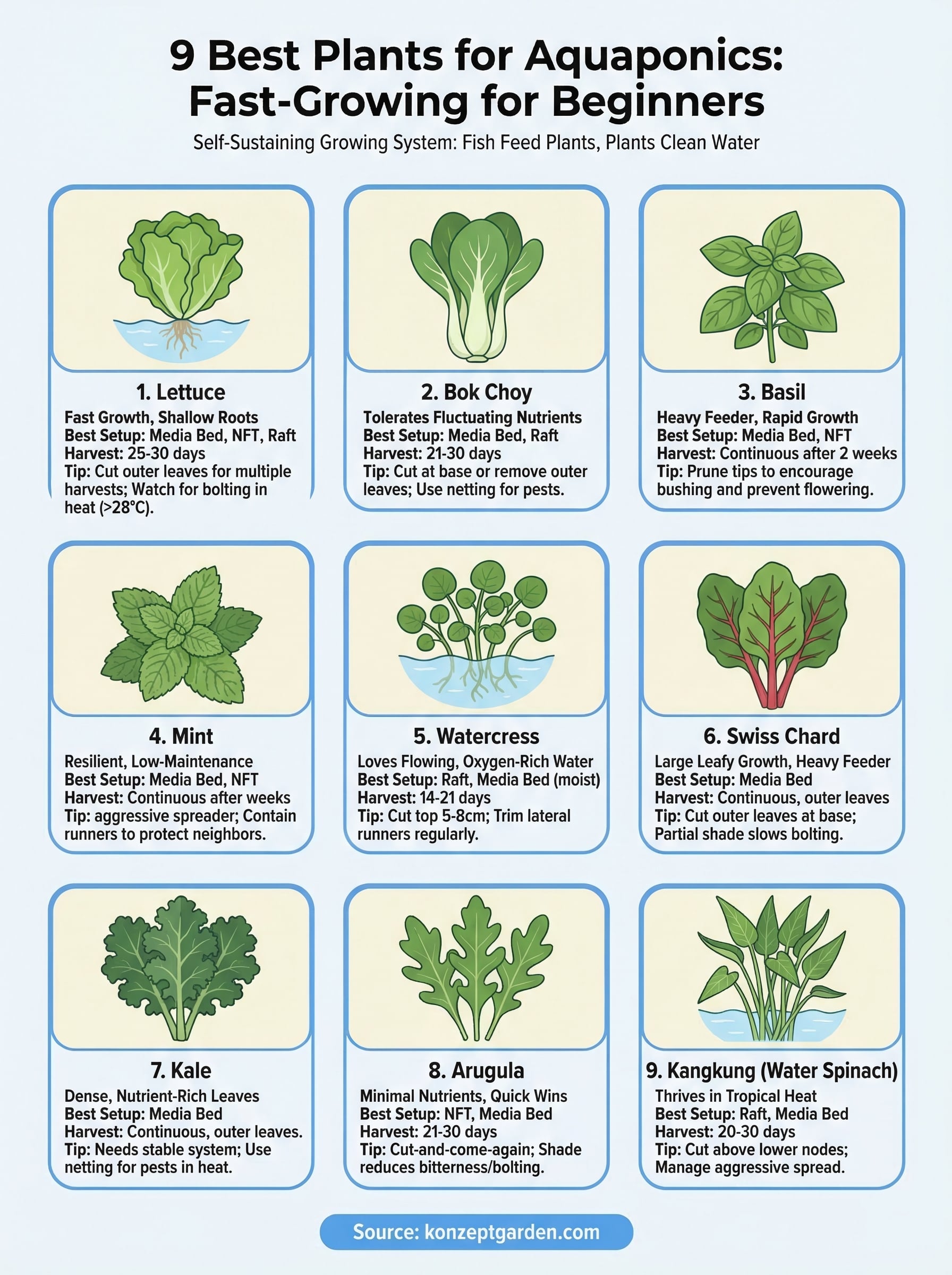
The best plants for aquaponics share one thing: they reward growers who match the right plant to the right system stage. Start with lettuce, kangkung, or arugula if your system is new, then add heavier feeders like kale and Swiss chard once your fish population stabilizes and your nutrient output becomes consistent.
Pick two or three plants from this list and run your first full cycle before expanding. Track your water temperature, pH, and nitrate levels weekly so you can catch imbalances before they affect your harvest. Kangkung and watercress are especially reliable choices for Malaysia's climate when heat is your biggest obstacle.
If you're thinking about adding a dedicated fish pond to your outdoor space as the foundation for a full aquaponic setup, our team at Konzept Garden can help you plan it properly. Explore our Zen Bio Koi Pond to see what's possible for your garden.


