

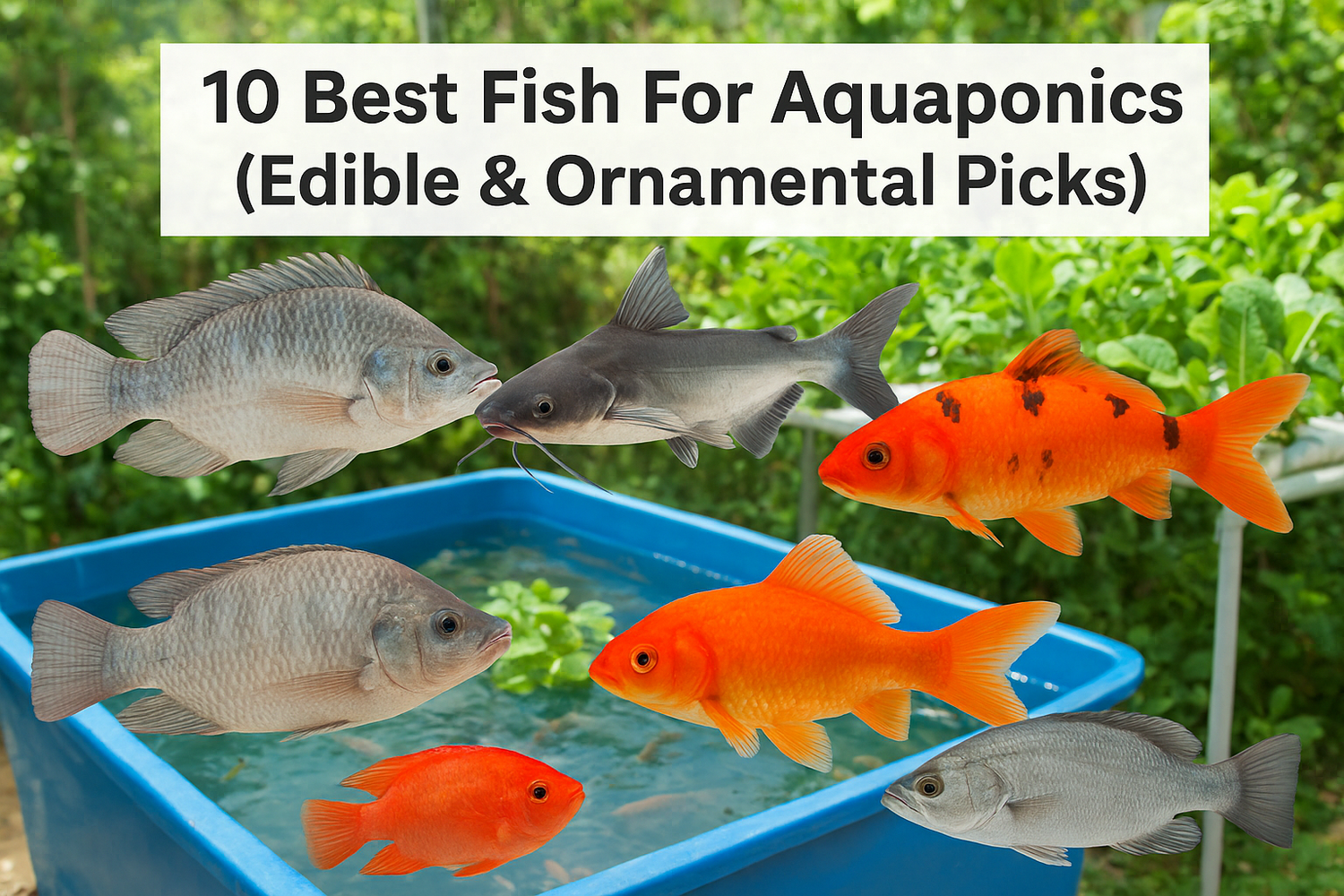
Choosing the best fish for aquaponics comes down to more than just picking whatever looks good at the store. Your climate, system size, experience level, and whether you want fish on your dinner plate or simply swimming around, all of these factors shape which species will actually thrive. Get it wrong, and you're dealing with stressed fish, poor plant growth, and a system that never quite clicks.
At Konzept Garden, we design and build outdoor spaces across Malaysia, including water features, koi ponds, and integrated garden systems. That hands-on work with aquatic environments and sustainable garden solutions gives us a practical understanding of what fish need to stay healthy in contained systems. Aquaponics sits right at that intersection of living design and function that we care about most.
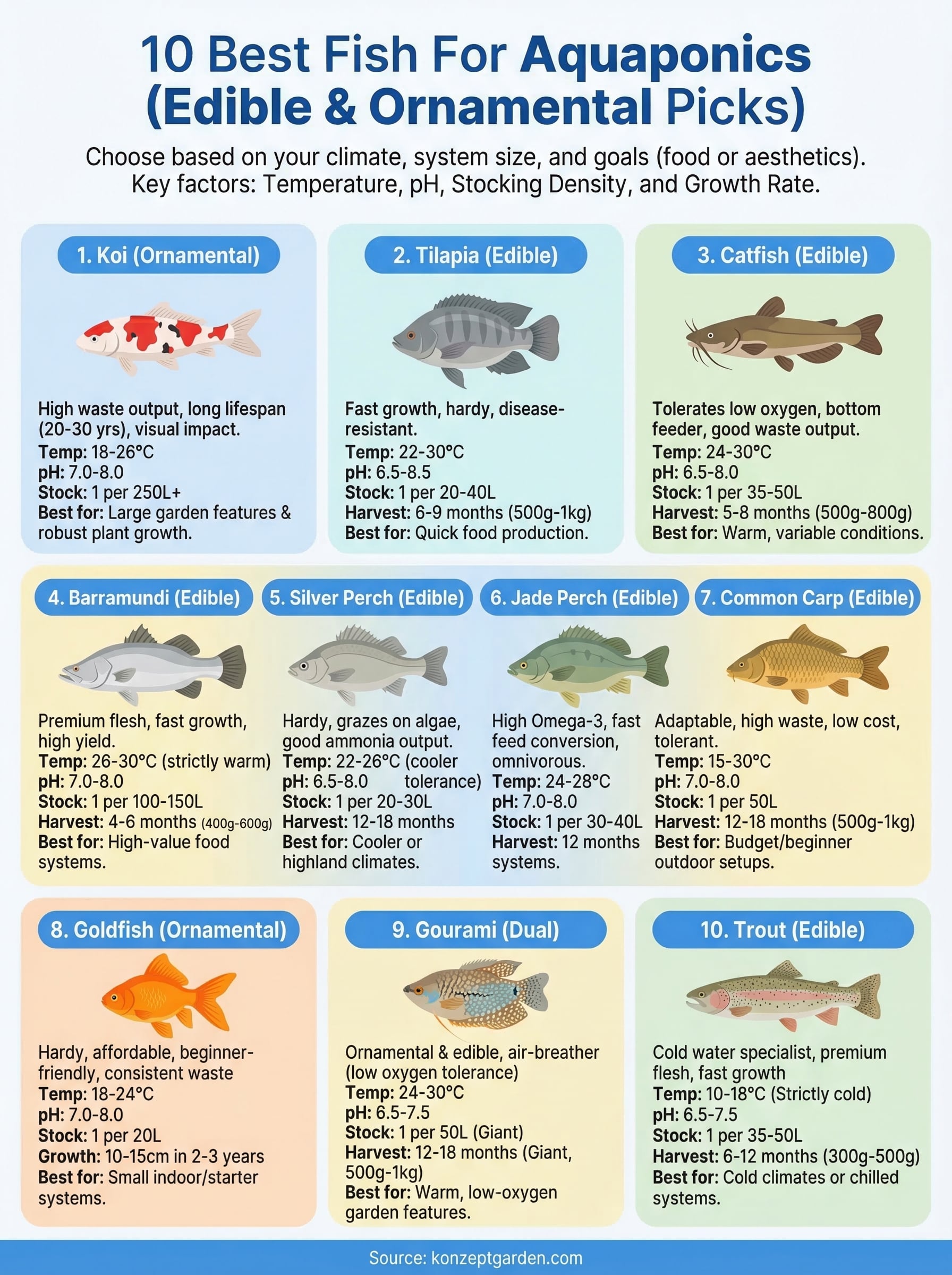
This guide breaks down 10 proven fish species for aquaponics, split between edible and ornamental picks. For each one, you'll find details on temperature tolerance, growth rate, and ease of care, so you can match the right fish to your specific setup. Whether you're a first-timer experimenting with a small backyard system or scaling up something more ambitious, this list will help you decide with confidence.
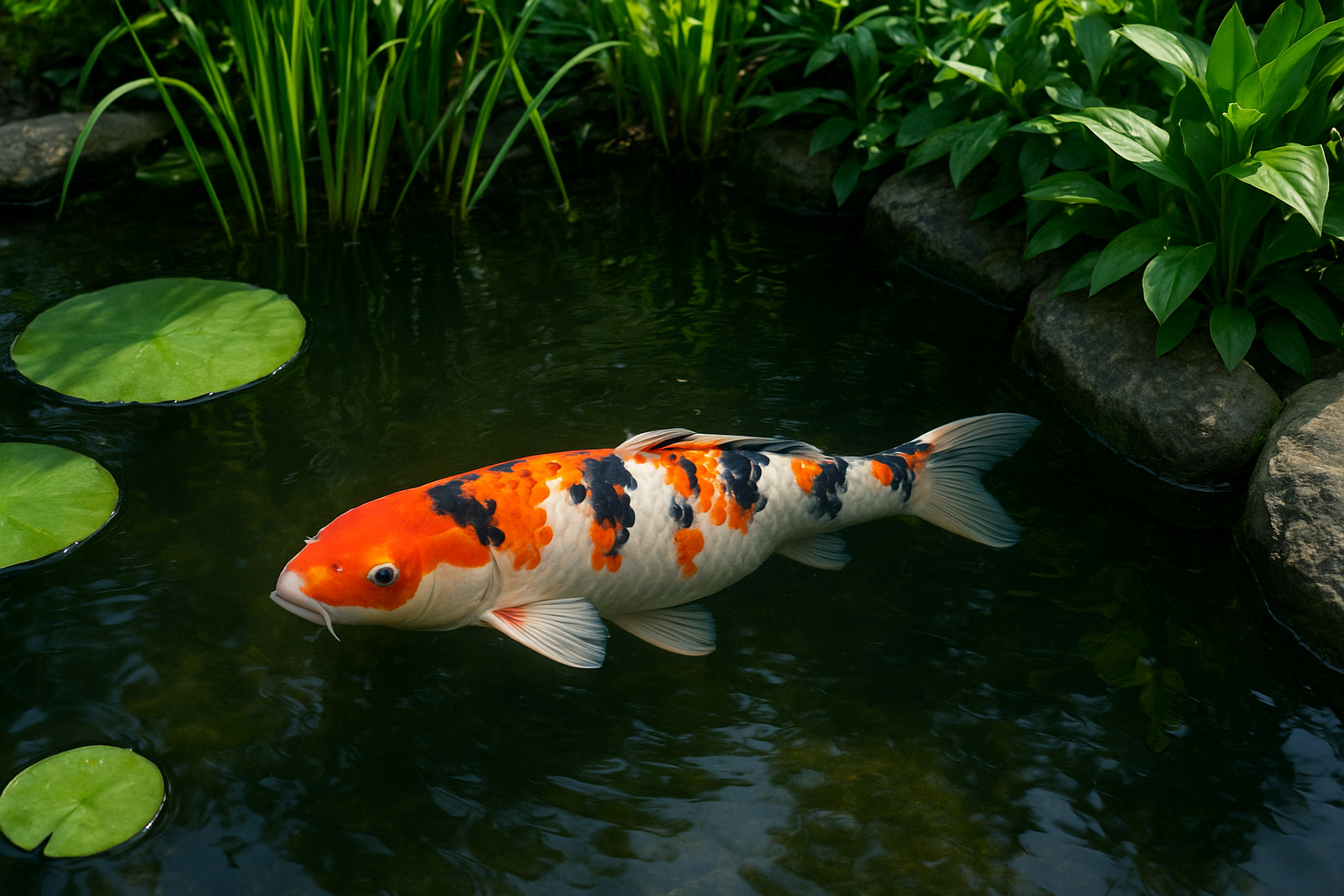
1. Koi
Koi are one of the most popular ornamental fish in aquaponics, and they earn that reputation for good reason. They produce significant amounts of waste, which feeds your plants well, and their striking appearance turns a functional system into a genuine garden feature.
Why people choose koi
People choose koi for their visual impact and exceptional lifespan. A healthy koi can live 20 to 30 years, giving you a long-term centerpiece for your system. Their high nutrient output also supports robust plant growth, making them a strong match for aquaponics growers who want both beauty and productivity in one setup.
Water temperature and pH targets
Koi perform best at 18°C to 26°C, though they can handle brief exposure to temperatures approaching 30°C. Their ideal pH range sits between 7.0 and 8.0, and you should test ammonia regularly since koi produce it in large quantities. Consistency matters more than perfection here.
Stable water conditions prevent most koi health issues before they start, so prioritize regular testing over reactive treatment.
System size and stocking guidance
Because koi grow large, your tank needs to match their eventual size. Start with a minimum of 1,000 liters for a small group, and stock at no more than 1 koi per 250 liters to keep oxygen levels healthy. Overcrowding leads to aggression, oxygen depletion, and rapid water quality decline.
Feeding, growth, and long-term care
Feed koi two to three times per day using a quality pellet formulated for growth and color enhancement. In warm water, they grow steadily, reaching 30 to 60 cm over several years. Run weekly filter checks to stay ahead of blockages caused by their heavy waste load, which can spike ammonia fast if left unchecked.
Common problems and how to avoid them
The two most common issues koi owners face are parasitic infections and poor water quality. Watch for:
- Ich (white spots on scales and fins)
- Anchor worm (visible external parasites)
- Bacterial ulcers from stress or injury
Quarantine all new fish for at least two weeks before introducing them to your main system.
Best fit in Malaysia
Malaysia's warm climate keeps outdoor koi systems within a comfortable temperature range for most of the year. Adding shade over your tank during afternoon peak heat prevents dangerous temperature spikes. Position your system where it receives morning sun and afternoon shade to maintain stable, fish-friendly conditions.
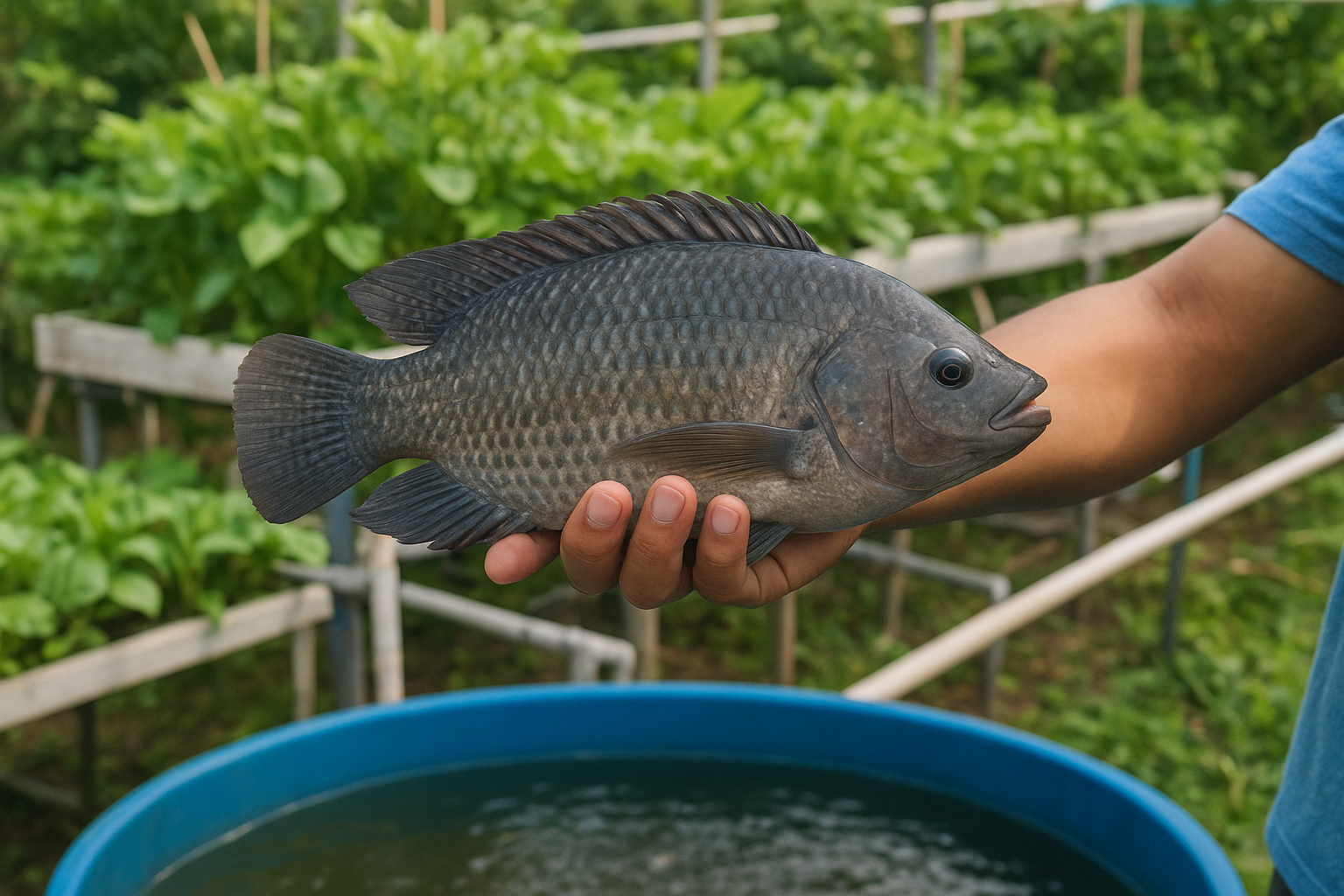
2. Tilapia
Tilapia consistently rank among the best fish for aquaponics because they combine fast growth, disease resistance, and tolerance for variable water conditions. They're a practical, low-drama choice for anyone building a food-producing system.
Why people choose tilapia
Growers choose tilapia because they convert feed into body mass efficiently, reaching harvest size in as little as six to eight months. Their resilience to crowding and minor water quality fluctuations makes them forgiving for beginners who are still learning how to manage their systems.
Water temperature and pH targets
Tilapia thrive between 22°C and 30°C, which aligns well with Malaysia's tropical climate. Keep pH between 6.5 and 8.5, though they perform best closer to 7.0 to 7.5. Temperatures below 18°C cause stress and suppress their immune systems quickly.
Tilapia slow down significantly in cold water, so outdoor systems in cooler highland areas of Malaysia need supplemental heating.
System size and stocking guidance
A minimum tank volume of 500 liters gives a small tilapia system room to function properly. Stock at roughly 1 fish per 20 to 40 liters of water, adjusting based on your filtration capacity and plant bed surface area.
Feeding, growth, and harvest notes
Feed tilapia two to three times daily with a floating pellet designed for omnivores. They also graze on algae and plant material, which reduces your feed costs. Most reach a harvestable weight of 500g to 1kg within six to nine months under warm, stable conditions.
Common problems and how to avoid them
The main risks with tilapia are overstocking and overcrowding, which leads to oxygen depletion and aggression. Watch for:
- Fin damage from fighting in tight spaces
- Sudden ammonia spikes after overfeeding
- Reproductive overload if you stock mixed sexes (use single-sex batches)
Best fit in Malaysia
Malaysia's climate makes tilapia an excellent year-round option for both urban and rural aquaponics setups. Their fast harvest cycle suits growers who want consistent food production alongside healthy plant yields.
3. Catfish
Catfish are a practical, hardy choice for aquaponics growers who want reliable food production with minimal fuss. Several species work in aquaponics systems, but channel catfish (Ictalurus punctatus) and walking catfish (Clarias batrachus) are the most widely used, particularly across Southeast Asian setups.
Why people choose catfish
Catfish rank among the best fish for aquaponics because of their exceptional tolerance for low oxygen levels and variable water conditions. They grow fast, produce solid waste output for plant nutrition, and their firm white flesh makes them a worthwhile food source for any harvest-focused system.
Water temperature and pH targets
Catfish prefer water temperatures between 24°C and 30°C and handle a pH range of 6.5 to 8.0 comfortably. They tolerate warmer conditions better than most edible species, which suits outdoor tropical systems well.
Dropping below 20°C slows catfish growth significantly and weakens their immune response, so monitor temperatures closely in shaded or ventilated spaces.
System size and stocking guidance
Start with a minimum tank volume of 500 liters and stock at roughly 1 fish per 35 to 50 liters, adjusting based on your filtration capacity. Catfish are bottom dwellers, so deeper tanks suit them better than shallow wide ones.
Feeding, growth, and harvest notes
Feed catfish high-protein sinking pellets two to three times daily. They typically reach a harvest weight of 500g to 800g within five to eight months under warm conditions. Their bottom-feeding behavior also helps clean up uneaten feed, which reduces waste buildup in your system.
Common problems and how to avoid them
The main risks with catfish include:
- Skin abrasions from rough surfaces or tight stocking
- Oxygen depletion in heavily stocked tanks during peak heat
- Escape attempts, particularly from walking catfish if tanks lack secure covers
Best fit in Malaysia
Walking catfish are already naturalized in Malaysia, making them a familiar and climate-compatible pick for local aquaponics growers. Their ability to handle warm, humid outdoor conditions year-round makes them a low-effort, high-output option for both beginners and experienced growers.
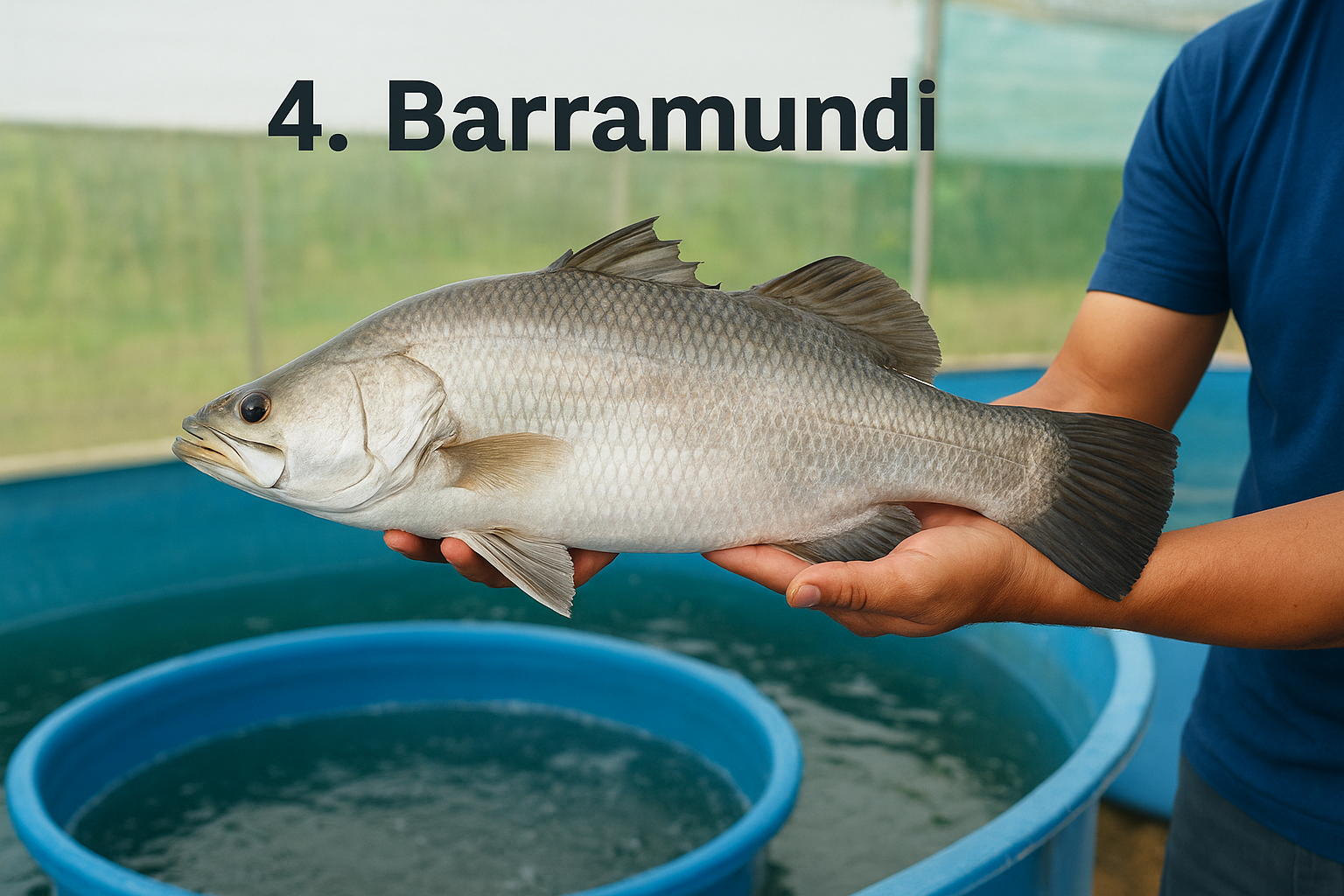
4. Barramundi
Barramundi (Lates calcarifer) is a premium edible species gaining traction among aquaponics growers across Southeast Asia. They deliver excellent flesh quality and impressive growth rates, making them one of the most rewarding food fish you can raise in a contained system.
Why people choose barramundi
Few edible species rank as highly among the best fish for aquaponics when harvest yield is the priority. Barramundi convert feed into body mass efficiently, and their mild, white flesh commands solid market value, appealing to growers who want to sell surplus alongside feeding their households.
Water temperature and pH targets
This species performs best at water temperatures between 26°C and 30°C. Keep pH between 7.0 and 8.0, and avoid drops below 22°C, which quickly trigger stress and suppress immune function.
Consistent warm water is critical for barramundi; even brief temperature dips can stall growth and leave fish exposed to infection.
System size and stocking guidance
Start with a minimum tank volume of 1,000 liters since barramundi grow large quickly. Stock at 1 fish per 100 to 150 liters to prevent oxygen competition and give each fish room to develop properly.
Feeding, growth, and harvest notes
Feed barramundi high-protein floating pellets two to three times daily. They typically reach a harvest weight of 400g to 600g within four to six months, faster than most edible aquaponics species.
Common problems and how to avoid them
Barramundi are predatory by nature, which creates specific risks:
- Cannibalism between fish of mismatched sizes
- Oxygen depletion in densely stocked tanks
- Jump-outs from uncovered or open-top tanks
Best fit in Malaysia
Malaysia's climate sits within barramundi's ideal temperature range year-round. Their fast harvest cycle and strong local demand make them a worthwhile choice for growers focused on food production and potential sales.
5. Silver Perch
Silver perch (Bidyanus bidyanus) is an Australian native freshwater species that has built a loyal following among aquaponics growers looking for a hardy, plant-friendly fish that requires minimal intervention to stay healthy.
Why people choose silver perch
Growers select silver perch because they produce consistently high ammonia output relative to their body size, which translates directly into strong plant nutrition. They also graze on algae, keeping your tank walls cleaner without any extra effort on your part.
Water temperature and pH targets
Silver perch prefer water temperatures between 16°C and 28°C, with optimal performance sitting in the 22°C to 26°C range. Target a pH of 6.5 to 8.0, and monitor closely during warm spells since temperatures above 30°C cause rapid stress.
Silver perch handle cooler water better than most aquaponics species, which makes them one of the better fish for aquaponics systems in highland or temperate climates.
System size and stocking guidance
Use a minimum tank volume of 500 liters and stock at roughly 1 fish per 20 to 30 liters. They are schooling fish, so keeping at least six together reduces stress and encourages more active feeding behavior.
Feeding, growth, and harvest notes
Feed silver perch a quality omnivore pellet twice daily. They grow slower than tilapia, typically reaching harvest weight of 300g to 500g in 12 to 18 months under warm conditions.
Common problems and how to avoid them
The main risks include heat stress above 30°C and slow growth in warm lowland conditions. Ensure strong aeration during peak afternoon heat.
Best fit in Malaysia
Silver perch suit highland regions of Malaysia such as Cameron Highlands, where ambient temperatures stay cooler and more closely match their preferred range year-round.
6. Jade Perch
Jade perch (Scortum barcoo) is an Australian freshwater species that has earned a strong reputation among aquaponics growers for one standout reason: it produces exceptionally omega-3-rich flesh, reportedly the highest of any freshwater fish tested. If you want a food-producing system that delivers real nutritional value, jade perch belong on your shortlist of the best fish for aquaponics.
Why people choose jade perch
Growers choose jade perch primarily for their remarkable fatty acid profile and fast feed conversion. They also tolerate a wide range of water conditions, which reduces the pressure on your system management. Their omnivorous diet keeps feeding simple and affordable.
Water temperature and pH targets
Jade perch prefer temperatures between 20°C and 30°C, with peak growth occurring in the 24°C to 28°C range. Target a pH of 7.0 to 8.0 for stable performance. They handle warm water well but struggle below 18°C.
Keeping temperatures above 22°C year-round gives jade perch the best conditions to grow fast and stay disease-resistant.
System size and stocking guidance
Start with a minimum tank volume of 500 liters and stock at 1 fish per 30 to 40 liters. They are social fish, so groups of six or more behave more naturally and feed more actively than isolated individuals.
Feeding, growth, and harvest notes
Feed jade perch a quality omnivore pellet two to three times daily. They typically reach harvest weight of 400g to 600g within 12 months under warm, well-managed conditions.
Common problems and how to avoid them
The main risks include slow growth below 20°C and susceptibility to bacterial infections when water quality drops. Maintain strong filtration and avoid overfeeding, which spikes ammonia quickly in smaller tanks.
Best fit in Malaysia
Jade perch suit lowland outdoor systems across Malaysia well, where ambient heat keeps water temperatures within their preferred range. Their nutritional value and manageable care requirements make them a strong choice for growers focused on health-conscious food production.
7. Common Carp
Common carp (Cyprinus carpio) is one of the oldest cultivated fish in the world, and it remains a reliable, low-cost option for aquaponics growers who want consistent nutrient output without paying premium prices for fingerlings.
Why people choose common carp
Common carp earn a place among the best fish for aquaponics because of their extraordinary adaptability and waste production. They tolerate crowded conditions, accept a wide range of feeds, and produce enough ammonia to drive strong plant growth even in modestly sized systems. For budget-conscious growers, they offer solid value from the start.
Water temperature and pH targets
Common carp thrive between 15°C and 30°C, making them one of the more flexible species available. Target a pH of 7.0 to 8.0 for stable health and appetite. They handle short temperature spikes well, though consistent heat above 32°C strains their systems.
Carp are forgiving of temperature swings that would stress other species, which makes them a practical choice for outdoor systems without climate control.
System size and stocking guidance
Use a minimum tank volume of 500 liters and stock at no more than 1 fish per 50 liters. Carp grow large, so undersized tanks lead to stunted growth and poor water quality faster than most species.
Feeding, growth, and harvest notes
Feed common carp an omnivore pellet or grain-based feed twice daily. They typically reach harvest weight of 500g to 1kg within 12 to 18 months under warm conditions.
Common problems and how to avoid them
Key risks include:
- Rapid ammonia spikes from overfeeding
- Digging behavior that disrupts plant root zones in media-bed systems
- Oxygen depletion in warm, heavily stocked tanks
Best fit in Malaysia
Common carp suit lowland outdoor systems across Malaysia well. Their low feed cost and broad temperature tolerance make them a practical starting point for growers testing aquaponics on a budget.
8. Goldfish
Goldfish (Carassius auratus) often get dismissed as simple pets, but they hold genuine value in aquaponics systems, particularly for ornamental and beginner setups. Their hardiness and consistent waste output make them a reliable entry point for anyone new to the hobby.
Why people choose goldfish
Goldfish rank among the best fish for aquaponics for ornamental setups because they are widely available and affordable, and they forgive the kinds of beginner mistakes that would stress more sensitive species. They produce enough ammonia to feed a small plant bed reliably without overwhelming your filtration capacity.
Water temperature and pH targets
Goldfish prefer temperatures between 18°C and 24°C and handle a pH range of 7.0 to 8.0 well. They tolerate brief warm spells but struggle when water temperatures push past 28°C consistently.
Keeping goldfish in shaded outdoor tanks during Malaysia's hottest months prevents heat stress and maintains stable plant nutrition output.
System size and stocking guidance
Start with a minimum tank volume of 200 liters and stock at roughly 1 fish per 20 liters. Their smaller body size makes compact systems viable, which suits your urban balcony or rooftop setup particularly well.
Feeding, growth, and long-term care
Feed goldfish small omnivore pellets twice daily, and avoid overfeeding since uneaten food spikes ammonia fast. They grow slowly, typically reaching 10 to 15 cm over two to three years, and can live a decade or more with stable water conditions.
Common problems and how to avoid them
The main risks include overfeeding, which degrades water quality rapidly, and temperature spikes in shallow tanks during warm afternoons. Ensure consistent aeration and add partial shade to outdoor setups.
Best fit in Malaysia
Goldfish suit indoor or semi-sheltered aquaponics systems in Malaysia best, where you can manage heat exposure more precisely. Their low cost and beginner-friendly nature make them an ideal starting fish for small household setups.
9. Gourami
Gourami species, particularly giant gourami (Osphronemus goramy) and three-spot gourami (Trichopodus trichopterus), offer a dual role in aquaponics systems. They bring visual appeal to garden water features while also serving as a food source, making them a flexible pick for growers who want more than one outcome from their setup.
Why people choose gourami
Gourami rank among the best fish for aquaponics in Malaysia because locally available species like giant gourami grow to a solid harvest size and produce enough waste to feed your plant beds reliably. Their dual ornamental and edible value suits growers who want a functional system that still looks good in a garden setting.
Water temperature and pH targets
Gourami thrive in warm water between 24°C and 30°C and prefer a pH range of 6.5 to 7.5. They are labyrinth fish, meaning they breathe atmospheric air directly, which gives them useful tolerance for lower dissolved oxygen levels that would stress most other species.
This air-breathing ability makes gourami a forgiving choice if your aeration setup is still basic.
System size and stocking guidance
Use a minimum tank volume of 500 liters for giant gourami and stock at no more than 1 fish per 50 liters to allow enough room as they grow. Smaller gourami species work in tanks as compact as 200 liters.
Feeding, growth, and care notes
Feed gourami an omnivore pellet or fresh plant material twice daily. Giant gourami typically reach a harvest weight of 500g to 1kg within 12 to 18 months under stable warm conditions.
Common problems and how to avoid them
The main risks include aggression between males in tight spaces and slow growth when temperatures drop below 22°C. Keep your male-to-female ratio balanced to reduce territorial behavior and protect fin condition in smaller tanks.
Best fit in Malaysia
Giant gourami is already a familiar food fish across Malaysia, so sourcing fingerlings locally is straightforward. Their heat tolerance and labyrinth breathing make them a practical outdoor aquaponics choice across lowland regions year-round.
10. Trout
Trout sit at the opposite end of the temperature spectrum from most fish on this list, making them a specialist choice rather than a general recommendation. If your system can deliver consistently cool water, trout reward you with fast growth and premium-quality flesh that few other aquaponics species can match.
Why people choose trout
Trout earn a spot among the best fish for aquaponics because of their exceptional flesh quality and strong feed conversion ratio in cool-water systems. Rainbow trout (Oncorhynchus mykiss) is the most commonly used species, and growers who can manage their water temperature precisely get a harvest that commands strong value.
Water temperature and pH targets
Trout require cold water between 10°C and 18°C to grow well and stay healthy. Their ideal pH range sits between 6.5 and 7.5. Water above 20°C causes rapid stress and oxygen depletion, which makes temperature management the single most important factor in any trout system.
If you cannot maintain water below 18°C reliably, trout will cost you more in losses than they return in harvest.
System size and stocking guidance
Use a minimum tank volume of 1,000 liters and stock at roughly 1 fish per 35 to 50 liters, combined with strong aeration since trout demand high dissolved oxygen levels at all times.
Feeding, growth, and harvest notes
Feed trout high-protein sinking or floating pellets two to three times daily. Under ideal cool conditions, they typically reach harvest weight of 300g to 500g within six to twelve months.
Common problems and how to avoid them
The main risks include oxygen depletion in warm water and fungal infections when temperatures fluctuate. Install a reliable chiller and monitor water temperature daily to prevent both problems before they develop.
Best fit in Malaysia
Trout are not a practical outdoor choice for most of Malaysia due to the consistently warm lowland climate. Your best opportunity is in highland areas like Cameron Highlands, where ambient temperatures are cooler, though a water chiller is still likely necessary for year-round production.
Next Steps
By now, you have a clear picture of which species belong on your shortlist of the best fish for aquaponics, and what each one demands from your system. The right choice depends on your climate, available space, and whether food production or garden aesthetics drives your decision. Malaysia's warm lowland climate naturally favors tilapia, catfish, barramundi, gourami, and koi, while highland setups unlock options like silver perch and trout.
Start with a species that matches your current setup rather than building around a fish you simply like the look of. Stable water conditions and appropriate stocking density matter more than species choice alone. If you plan to center your system around koi, a purpose-built pond makes a strong foundation for a long-term setup. Explore our Himalaya Rock Koi Fish Pond to see how a well-designed pond supports healthy fish and thriving plants together.


